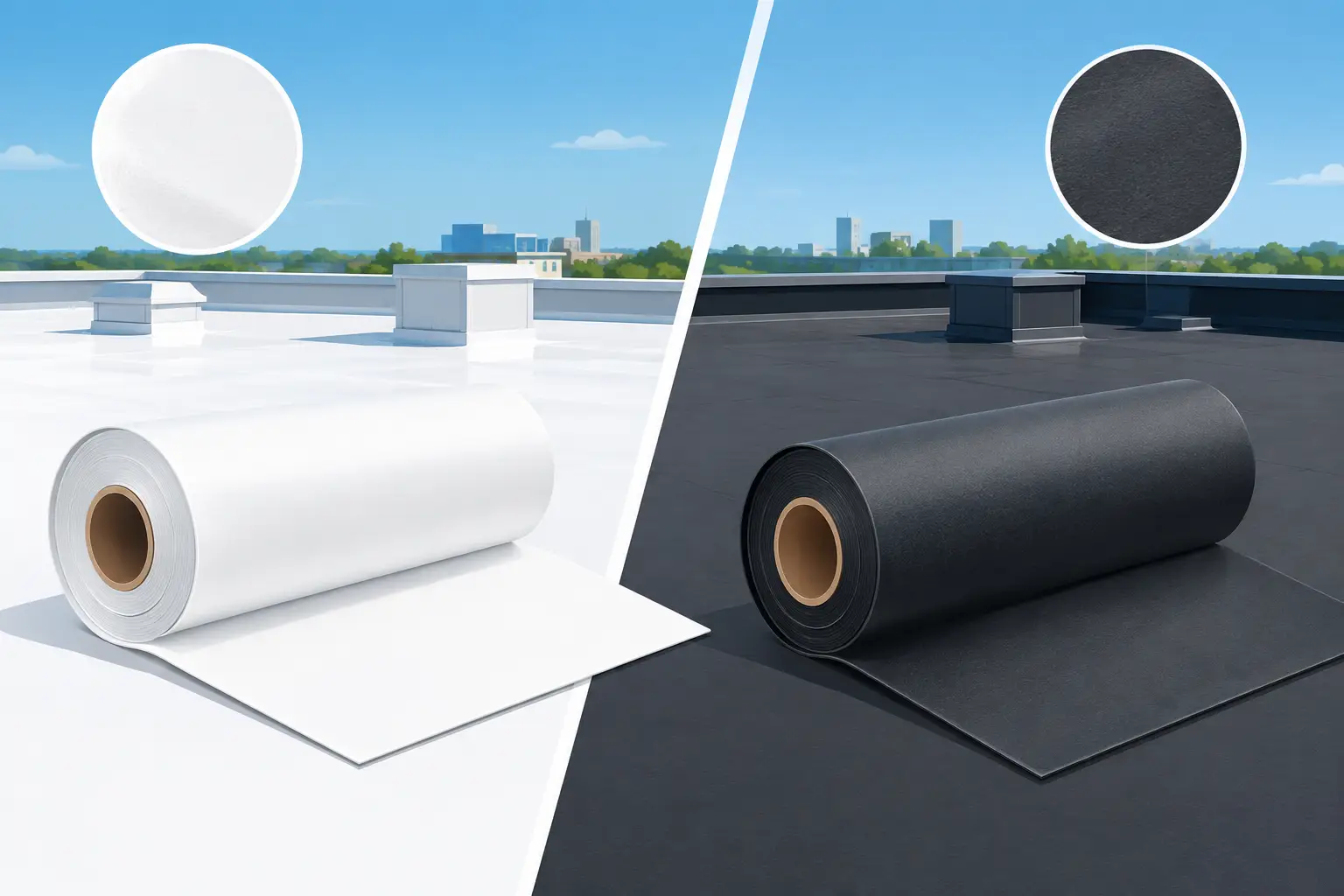

A flat roof rarely fails all at once. More often, a small split at a seam, a lifted flashing edge, or a clogged drain allows water to enter gradually. By the time a ceiling stain appears indoors, moisture may already be affecting insulation, decking, and adjacent roof materials. Choosing the right flat roof repair methods early can prevent a contained issue from becoming a disruptive and expensive restoration.
For homeowners, property managers, and commercial building owners, the right repair is not simply the fastest way to stop a leak. It must match the existing roof system, address the source of water entry, and preserve the roof’s remaining service life. A repair that looks clean from the ground can still fail quickly if the membrane was not properly prepared, dried, and sealed.
Start With a Professional Roof Assessment
Flat roofs are often called low-slope roofs because they are built with a slight pitch to direct water toward drains, scuppers, or gutters. When drainage is restricted, standing water places added stress on seams, flashings, and membrane surfaces. The leak location may also be several feet away from the visible interior damage, since water can travel beneath the roof assembly.
A qualified inspection should identify the roof type, membrane condition, drainage performance, flashing details, and signs of trapped moisture. It should also distinguish between an isolated defect and widespread aging. This matters because a small puncture on an otherwise sound roof calls for a different solution than brittle membrane seams across the entire surface.
At Toronto Roofers, repair recommendations are based on an on-site assessment rather than assumptions. A detailed estimate should explain what is being repaired, why that method is appropriate, and whether related conditions could affect the repair’s durability.
Flat Roof Repair Methods for Common Problems
Membrane patching for punctures and localized damage
A properly installed patch is one of the most effective repairs for a small, clearly defined defect. Punctures from foot traffic, dropped equipment, branches, or service work can often be repaired without replacing a large roof section. The damaged area is cleaned, dried, prepared according to the membrane manufacturer’s requirements, and covered with compatible repair material.
The word compatible is critical. EPDM, modified bitumen, TPO, PVC, and built-up roofing systems each require specific primers, adhesives, tapes, or heat-welded patches. Applying a generic sealant over a tear may provide a brief stopgap, but it is not a dependable membrane repair. The patch must extend beyond the damaged area and create a watertight bond around its full perimeter.
Patching is cost-effective when the roof is generally in good condition. It is less suitable when repeated punctures, seam failures, or deteriorated substrate indicate a broader problem.
Seam repair for separated laps and failed joints
Seams are one of the most common leak points on flat and low-slope roofs. Age, thermal movement, standing water, installation defects, and adhesive breakdown can cause membrane laps to lift or separate. On some systems, seams may look intact until close inspection reveals openings along the edge.
Seam repair begins with removing dirt, oxidation, loose adhesive, and moisture from the affected area. Depending on the roof system, the contractor may apply a manufacturer-approved primer and seam tape, install a reinforced cover strip, use cold-applied materials, or heat-weld a new membrane section. Heat welding is common with TPO and PVC, but it requires trained installers and careful temperature control. Poor welds can create weak points that are difficult to detect without proper testing.
A repaired seam should be checked for full adhesion and edge integrity. If many seams are failing across the roof, selective repair may only delay the need for restoration or replacement.
Flashing and penetration repairs
Most flat roofs have vulnerable transition points around parapet walls, skylights, HVAC curbs, vent pipes, drains, and roof edges. These details move differently than the main roof field and are exposed to concentrated water flow. Cracked sealant, loose metal, failed termination bars, and split flashing membranes can all create entry points for water.
The correct repair may involve replacing a section of flashing membrane, resealing a termination, securing loose metal, or rebuilding a transition detail. Caulk alone is rarely a long-term answer where flashing has pulled away or the underlying materials have deteriorated. The repair must direct water back onto the roof surface while allowing the assembly to manage normal expansion and contraction.
For commercial properties, roof penetrations deserve particular attention after mechanical upgrades. New conduits, equipment supports, or service work can compromise a roof if penetrations are not properly flashed and integrated with the existing system.
Drainage corrections and ponding-water repairs
Water that remains on a roof for more than 48 hours after normal weather conditions improve is a warning sign. Ponding water accelerates membrane wear, adds weight, and exposes minor defects to continuous moisture. It can also conceal damaged areas until a leak becomes severe.
The repair may be as straightforward as clearing blocked drains, correcting a damaged strainer, or removing debris from gutters and scuppers. In other cases, the roof may require tapered insulation, localized slope correction, additional drainage capacity, or changes to a low area during a larger restoration project.
Drainage work is not always a small repair, but it can be one of the best investments in roof longevity. A new patch will not perform as intended if the repaired area continues to sit beneath standing water.
Roof coatings for eligible systems
A fluid-applied roof coating can extend the service life of certain flat roofs when the existing membrane is dry, stable, and structurally sound. Coatings create a continuous protective surface that can help improve weather resistance and reflect sunlight. They are often considered when a roof has widespread surface aging but does not yet require complete replacement.
Coating systems are not a cure for saturated insulation, major membrane deterioration, extensive blistering, or unresolved drainage failures. Surface preparation is also decisive. The roof must be cleaned, repaired, and primed where required before coating is installed at the specified thickness. Skipping this work can lead to peeling, cracking, or water intrusion beneath the coating.
A professional assessment determines whether a coating is a practical restoration option or simply an expensive way to postpone necessary replacement.
Partial replacement for advanced localized failure
When damage is limited to one section but extends below the membrane, a partial roof replacement may be the right repair. This can involve removing compromised membrane and wet insulation, inspecting the deck, replacing damaged materials, and tying a new section into the existing roof system.
Partial replacement is more involved than surface patching, but it is often necessary after prolonged leaks. Leaving moisture in the roof assembly can contribute to mold concerns, insulation loss, deck deterioration, and recurring leaks around the repaired area. The tie-in between old and new materials must be carefully detailed to maintain a watertight transition.
When Repair Stops Being the Best Value
Repair is usually the sensible choice when the roof is relatively young, damage is isolated, and the underlying insulation and deck remain dry. It becomes less practical when repairs are frequent, leaks appear in multiple areas, membrane seams are failing widely, or the roof is nearing the end of its expected service life.
Property owners sometimes spend more over several years chasing recurring leaks than they would have spent on a planned replacement. A reliable contractor should be direct about that trade-off. The goal is not to recommend replacement for every issue. It is to avoid applying short-term repairs to a roof that no longer has a sound base for them.
For larger commercial roofs, documenting repairs and inspection findings also helps property managers budget responsibly. It creates a record of recurring trouble areas, maintenance needs, and the conditions that may support a future capital plan.
Why Workmanship Matters in Flat Roof Repairs
Flat roofing repairs demand more than applying sealant at the visible leak. Moisture detection, material compatibility, surface preparation, seam detailing, and safe access all affect the result. A repair installed over wet material or contaminated membrane may fail regardless of how good the product is.
Working at Heights compliance and trained installation practices also matter on occupied homes and commercial buildings. Proper safety procedures protect workers, tenants, residents, and the property itself while allowing repair work to be completed with the attention it requires.
If your roof shows staining, ponding water, lifted seams, or damaged flashing, address it before the next heavy rain exposes a larger problem. A careful inspection and a repair matched to your roof system can protect the building underneath it and give you a clear path forward.