
A water stain on the ceiling, missing shingles after a windstorm, or a recurring leak around a vent can force a costly decision quickly: roof repair vs replacement. The right answer is not always the least expensive option today. It is the option that protects the building, controls future risk, and makes financial sense for the condition of the entire roof system.
For homeowners and property managers, a roof should be assessed as more than its visible surface. Shingles or membrane materials are only one layer. Flashing, ventilation, drainage, underlayment, decking, and installation quality all affect whether a targeted repair will hold or whether a replacement is the responsible investment.
Roof Repair vs Replacement: What Determines the Answer?
The first question is not, “How much will it cost?” It is, “What caused the problem, and how far has it spread?” A small, isolated defect on an otherwise sound roof can often be repaired effectively. A leak caused by widespread material failure, poor installation, deteriorated flashing throughout the roof, or moisture-damaged decking requires a broader solution.
Roof age matters, but it should not be treated as the only deciding factor. A roof nearing the end of its expected service life may still have a repairable issue. However, spending money repeatedly on a system that is already failing across multiple areas can cost more than replacing it on a planned schedule.
A qualified on-site inspection should identify the source of the issue, not just the location where water became visible indoors. Water can travel along decking, rafters, insulation, or mechanical penetrations before it appears on a ceiling. Repairing the wrong area may stop the symptom briefly while allowing the actual problem to continue.
When Roof Repair Is the Practical Choice
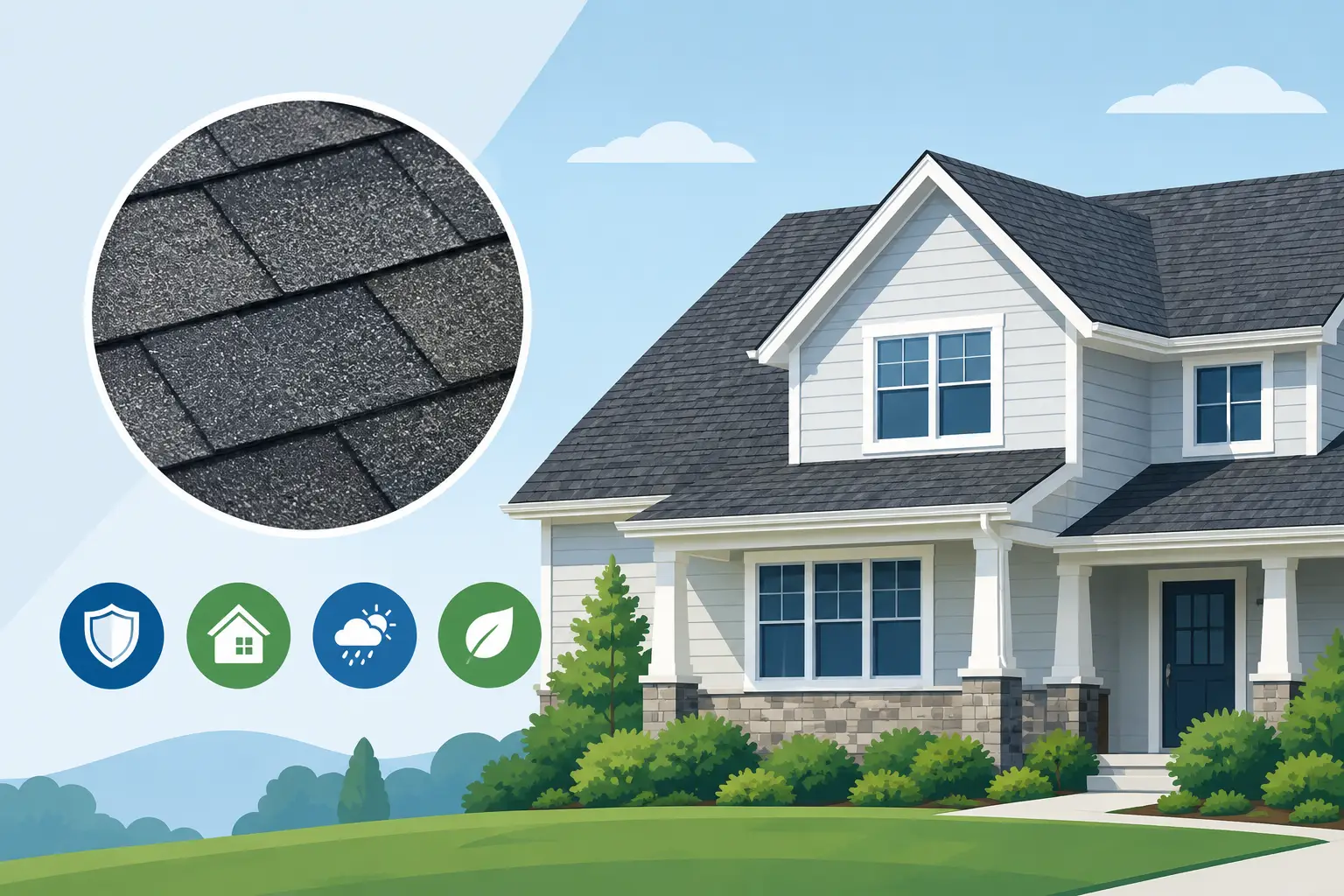
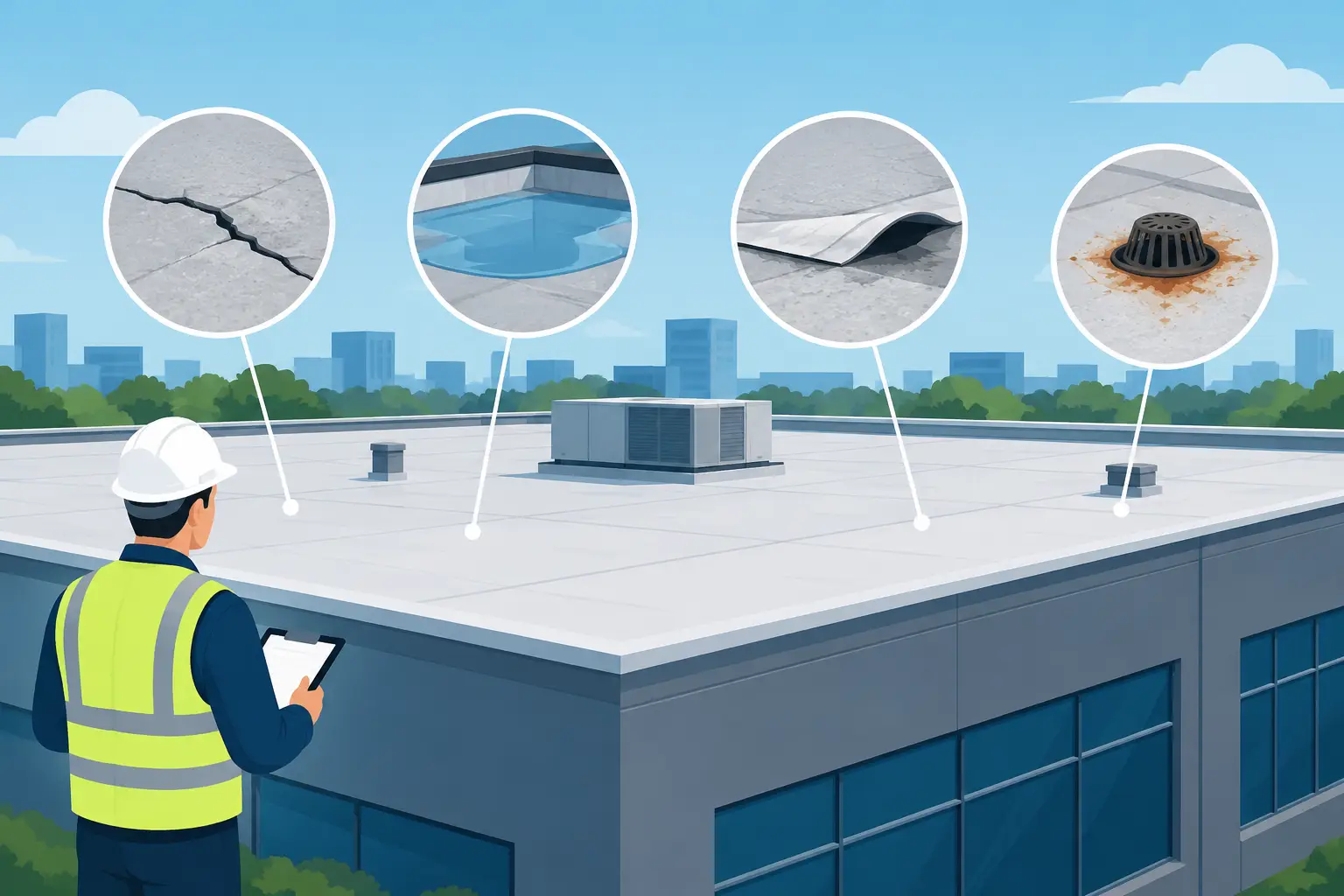
Repair is usually the better choice when damage is limited, the roof is in generally good condition, and the remaining service life supports the investment. For example, a newer shingle roof with a few wind-damaged shingles may only need matching replacement shingles and proper sealing. A commercial flat roof with a single puncture, open seam, or localized flashing issue may be restored without replacing the full membrane.
Repairs can also be appropriate after a specific event, such as storm damage or a fallen branch, provided an inspection confirms that the decking and surrounding materials remain dry and structurally sound. Addressing damage promptly is critical. Even a small opening can allow repeated water intrusion, leading to mold, insulation damage, rotted wood, and interior repairs that far exceed the original roofing cost.
A good repair should address the failed component and restore the roof’s weather protection. It should not be a temporary patch applied without investigating why the area failed. On shingle roofs, that may mean replacing damaged materials, correcting flashing, and resealing penetrations. On low-slope commercial roofs, it may involve repairing membrane seams, drains, curbs, or perimeter details.
Repair is also a sensible option when a building owner needs time to budget for a planned replacement. In that case, the repair should be presented honestly as a short-term risk-control measure, with a clear understanding of what it can and cannot solve.
Signs a Repair May Be Enough
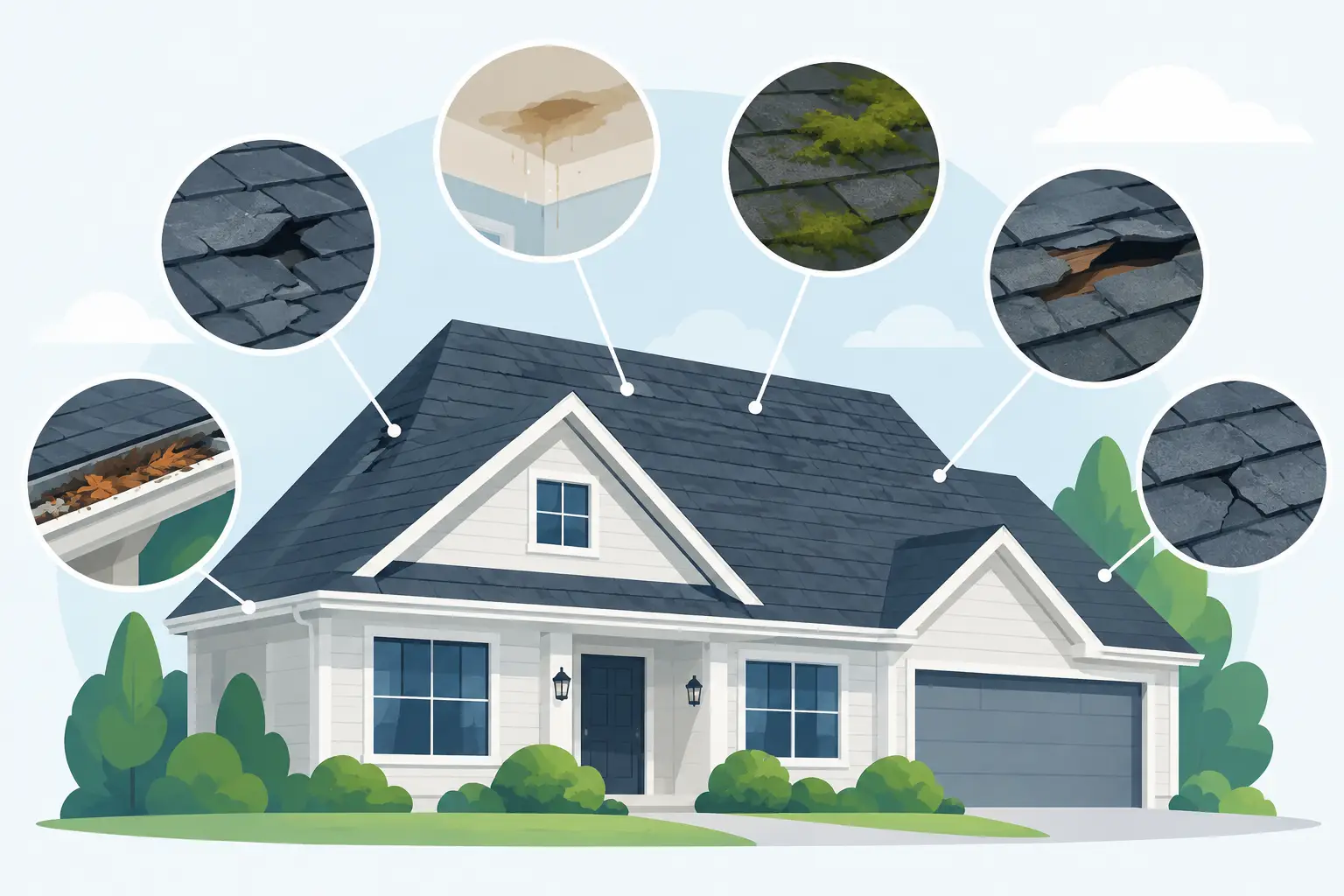
A localized repair is often viable when the issue is confined to one area, the roof has substantial useful life remaining, and there are no signs of widespread deterioration. Missing or cracked shingles, a damaged pipe boot, loose flashing, a small leak near a chimney, or a limited membrane puncture can all fall into this category.
The condition beneath the roofing material is equally important. If decking is solid and dry, insulation is unaffected, and the roof has not developed repeated leaks in multiple areas, a professional repair may provide reliable protection for years.
When Roof Replacement Is the Better Investment
Replacement becomes the stronger choice when repairs would only chase problems from one area to another. Multiple active leaks, widespread granule loss, curling or brittle shingles, exposed fasteners, recurring seam failures, ponding water, and deteriorated flashings can indicate a roof system that has reached the end of its useful service life.
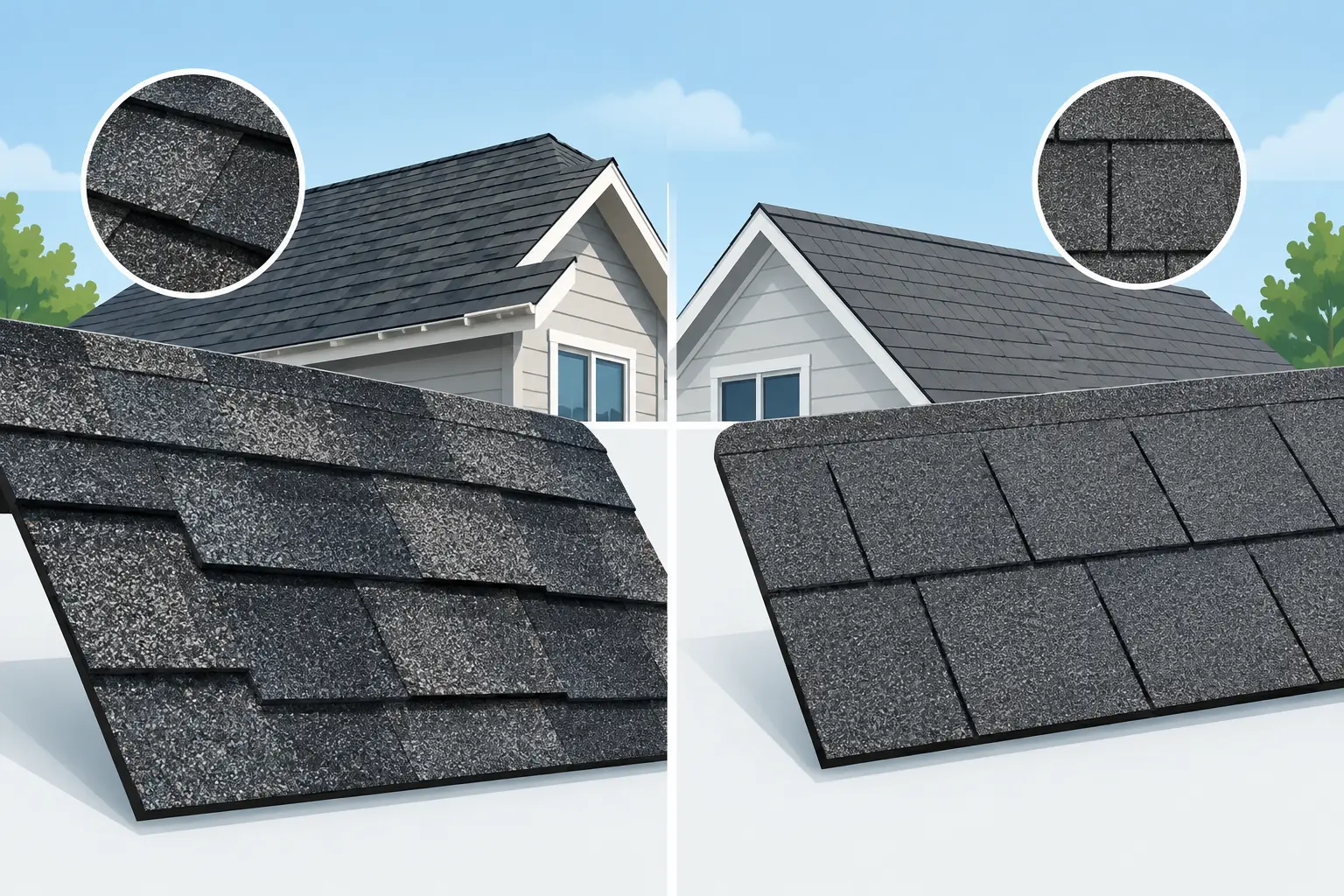
For residential properties, an aging roof may no longer provide dependable protection even if individual repairs are possible. The materials may be too worn to blend or seal correctly, and replacement shingles may not match due to weathering or discontinued product lines. A patchwork appearance can also affect curb appeal and future resale discussions.
For commercial property owners, replacement planning is often about protecting operations. Persistent roof leaks can damage inventory, disrupt tenants, create slip hazards, and threaten electrical systems or interior finishes. A scheduled replacement is generally easier to manage than emergency work after a major failure, particularly when weather conditions limit access or temporary protection is needed.
Replacement also creates an opportunity to correct underlying system issues. That may include improving ventilation on a residential roof, replacing compromised decking, updating flashing details, improving drainage, or selecting a roofing system suited to the building’s exposure and use. A new roof is only as dependable as its installation details, so trained installers, proper safety procedures, and direct project oversight matter.
Red Flags That Point Toward Replacement
Replacement should be seriously considered when the roof has leaked repeatedly, repairs have become frequent, or damage appears in more than one section. It is also appropriate when moisture has affected decking or insulation, the material is at or beyond its expected lifespan, or the existing system was installed poorly.
Do not overlook attic or interior evidence. Daylight visible through the roof deck, sagging areas, mold odors, stained sheathing, peeling paint near rooflines, and unexplained increases in heating or cooling costs can point to moisture or ventilation problems that extend beyond a surface repair.
Compare Cost Over the Remaining Life of the Roof
A repair has a lower upfront cost, which can make it the right decision for a newer or otherwise healthy roof. But the lowest immediate estimate is not automatically the lowest ownership cost. If a roof needs repeated repairs every season, those costs accumulate while the risk of interior damage remains.
Replacement requires a larger investment, but it can offer predictable long-term value. New materials, properly installed flashing, updated ventilation or drainage details, and manufacturer-backed warranty coverage can reduce uncertainty. The value is especially clear when the existing roof is old enough that a major repair would not materially extend its service life.
Ask for a detailed estimate that separates immediate repair needs from recommended long-term work. A professional contractor should explain the condition found, the scope proposed, materials to be used, expected limitations, and warranty coverage. Clear documentation allows building owners to compare options on more than price alone.
Why the Inspection Matters More Than a Quick Quote
Roofing decisions should not be made from a driveway view or a single photograph. A proper inspection evaluates visible materials, penetrations, flashing, valleys or drains, roof edges, attic conditions where accessible, and signs of moisture below the roof surface.
For commercial roofs, the assessment may also consider membrane condition, seams, rooftop equipment curbs, drainage paths, ponding areas, and previous repair history. The goal is to determine whether the roof is suffering from an isolated defect or system-wide decline.
Toronto Roofers approaches this work with trained, safety-compliant roofing specialists and direct project accountability. That level of oversight helps ensure recommendations are based on actual roof conditions, not a one-size-fits-all sales pitch.
Choose a Solution That Holds Up
Whether the answer is repair or replacement, workmanship determines how well the roof performs. Correct material selection, clean substrate preparation, properly installed flashing, and attention to ventilation or drainage are not optional details. They are the details that prevent a new problem from replacing the old one.
If your roof is showing signs of damage, arrange an on-site assessment before the next heavy rain turns a manageable issue into a larger claim. A detailed evaluation gives you the information needed to protect the property with confidence, whether that means a focused repair now or a well-planned replacement built for the years ahead.