
A roof leak rarely starts as a dramatic ceiling stain. More often, it begins with a lifted shingle tab, a cracked pipe boot, or a clogged gutter that forces water where it does not belong. The best roof leak prevention tips focus on finding those small weaknesses before Toronto rain, wind, snow, and freeze-thaw cycles turn them into interior damage.
For homeowners and property managers, prevention is usually less disruptive and less expensive than emergency repair. It also protects insulation, framing, electrical components, finishes, inventory, and the day-to-day use of the building. The key is not simply looking at the roof after a storm. It is maintaining the complete roofing system, including drainage, flashings, penetrations, ventilation, and the areas where the roof meets walls or equipment.
Best Roof Leak Prevention Tips That Protect the Whole System
1. Inspect the roof at least twice a year
A visual roof inspection in spring and fall creates a practical baseline. Spring inspections identify damage that may have occurred under snow, ice, and high winds. Fall inspections prepare the roof for winter by catching loose materials and drainage problems before freezing temperatures arrive.
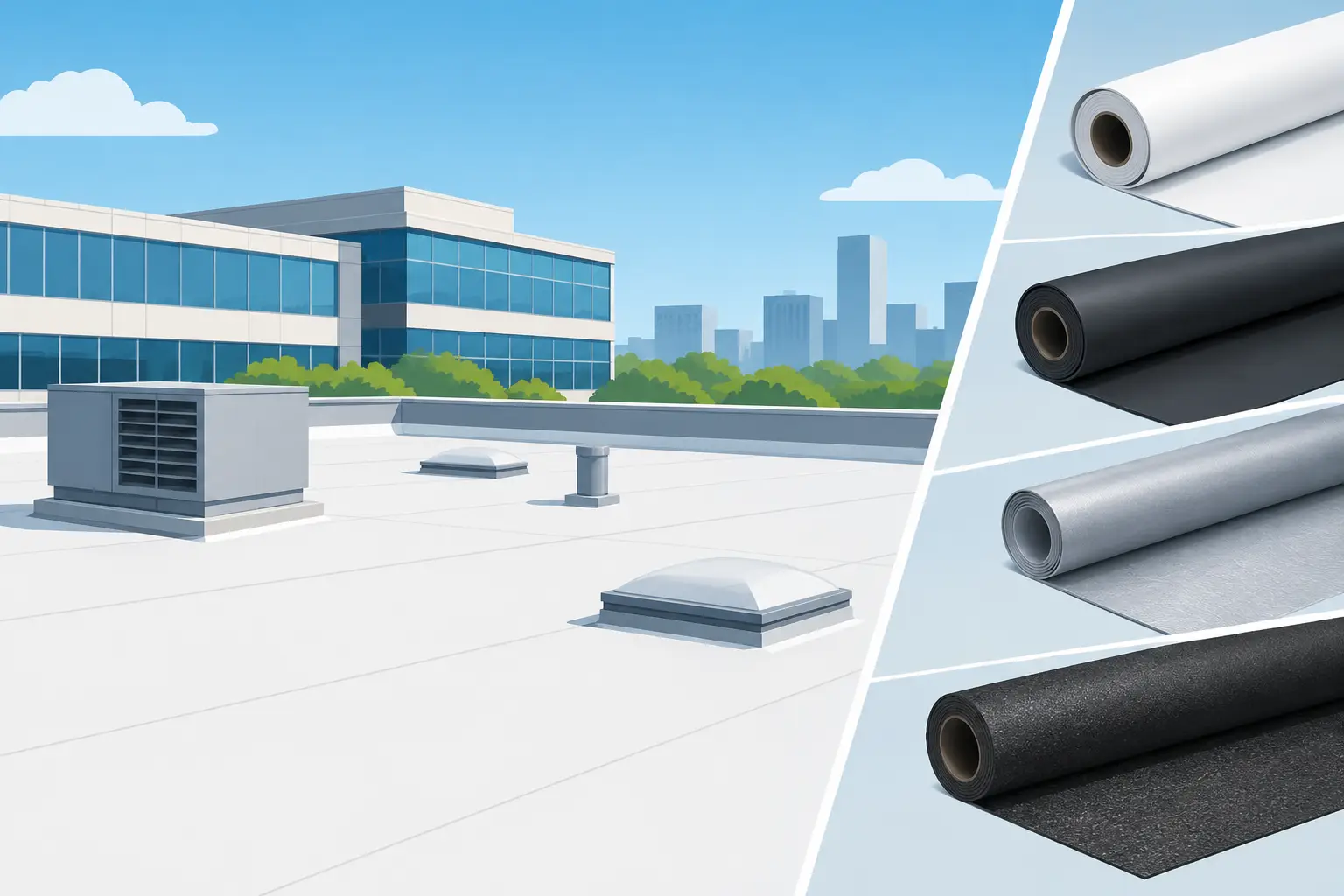
From the ground, look for missing, curling, cracked, or displaced shingles; debris buildup; sagging gutter sections; and damaged soffit or fascia. On commercial low-slope roofs, watch for ponding water, open seams, damaged edge metal, and debris around drains. Do not walk on a roof unless you have the proper training, safety equipment, and a safe access plan. Walking in the wrong place can damage aging materials or create a serious fall hazard.
A qualified roofer can inspect areas that are difficult to evaluate from the ground, including flashings, valleys, roof penetrations, and transitions between roof sections. Documentation with photos is particularly useful for commercial properties and for tracking changes from one inspection to the next.
2. Keep gutters, downspouts, and roof drains clear
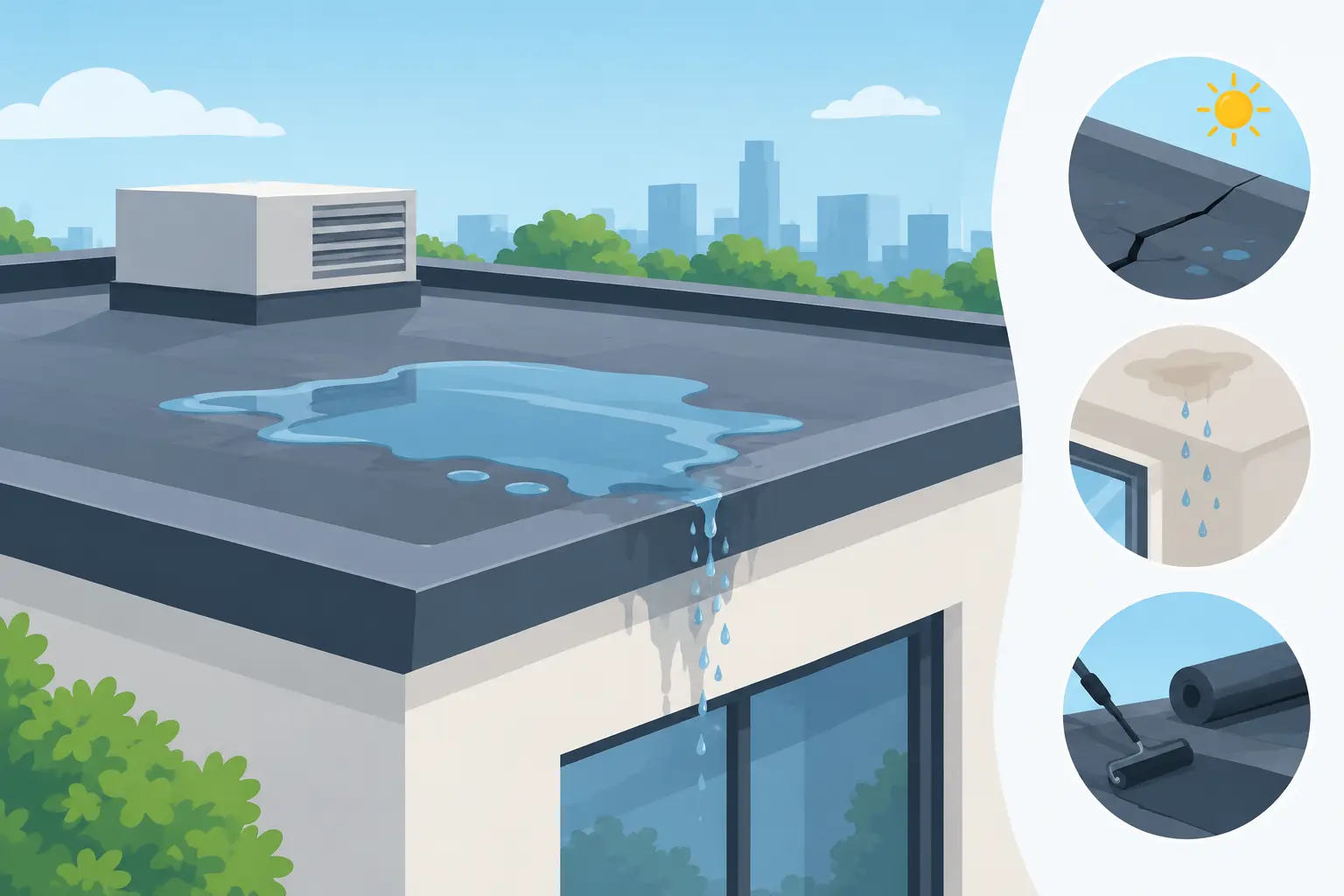
Drainage is one of the most overlooked parts of leak prevention. When gutters clog, water can back up beneath shingle edges, overflow onto siding, saturate fascia boards, and freeze at the eaves. On flat or low-slope commercial roofs, blocked drains can leave standing water that puts stress on membranes and finds its way through vulnerable seams.
Clean gutters after heavy leaf fall and whenever debris is visible. Confirm that downspouts discharge water away from the foundation and that extensions are secure. For larger commercial roofs, a maintenance program should include drains, scuppers, strainers, and internal drainage components.
Gutter guards can reduce routine debris accumulation, but they are not maintenance-free. Their value depends on the roof pitch, nearby tree coverage, and the type of debris around the property. They still need periodic inspection.
3. Treat flashing as a priority repair area
Most leaks occur at details, not in the middle of an intact roof field. Flashing protects the joints around chimneys, skylights, vent pipes, dormers, walls, valleys, and roof edges. It must direct water over the roof surface, not allow it to travel behind roofing materials.
Look for rust, cracks in sealant, loose fasteners, gaps, lifted flashing edges, and deteriorated masonry joints near chimneys. A small defect at a flashing point can allow water to travel a long distance before it appears indoors. That is why the visible ceiling stain is often not directly below the actual roof entry point.
Caulk is not a permanent substitute for failed flashing. Sealants have a place in properly designed roof details, but repeated surface patching can conceal a larger installation problem. If flashing is loose, improperly lapped, or corroded, professional repair or replacement is usually the more dependable solution.
4. Repair damaged shingles and roof coverings promptly
A missing shingle may seem minor, but it exposes the layers beneath it to wind-driven rain and ultraviolet deterioration. The same applies to cracked tiles, split wood shakes, punctured membranes, and open seams on low-slope roofing systems.
After a windstorm, inspect the property for roofing material on the ground, loose ridge caps, or exposed underlayment. If you notice damage, schedule an assessment before the next major rainfall. Temporary repairs can help limit water entry, but matching materials, correct fastening, and proper overlap are essential for a lasting repair.
Age matters here. A newer roof with isolated damage may be a strong candidate for targeted repair. If shingles are brittle, granules are heavily worn, or repairs have become frequent, replacement may offer better long-term value than continuing to patch an aging system.
5. Maintain roof penetrations and mounted equipment
Every pipe, vent, cable, skylight, HVAC curb, and mechanical support that passes through the roof is a potential leak point. Rubber pipe boots can crack with age. Metal collars can loosen. Skylight seals can deteriorate. Commercial equipment curbs require properly integrated flashing and membrane details.
Avoid allowing unqualified trades to make roof penetrations without coordination. An improperly installed satellite dish, conduit, exhaust vent, or HVAC component can compromise a roof system and may affect warranty coverage. When work is required, the roofing detail should be reviewed and restored by a trained roofing professional.
6. Control attic moisture and improve ventilation
Not every roof leak is caused by rain. Condensation in an attic can mimic a roof leak by wetting insulation, sheathing, and ceilings. In winter, warm moist air from the home can reach a cold attic surface and condense, leading to mold, wood deterioration, and ice buildup near the roof edge.
Check for bathroom fans venting into the attic, blocked soffit vents, compressed insulation around eaves, and signs of frost on roof sheathing. Proper air sealing and balanced intake and exhaust ventilation help control moisture. The right solution depends on the home’s insulation levels, attic layout, and existing ventilation system, so more vents are not automatically better.
7. Prevent ice dams before winter
Ice dams form when snow melts on warmer upper roof areas, then refreezes near colder eaves. The resulting ridge of ice can trap water behind it and force that water beneath shingles. Toronto winters make this a recurring concern for many older homes, especially where attic insulation and air sealing are uneven.
Clearing excess snow with a roof rake from the ground can reduce the risk after major storms, but avoid scraping roofing materials. The lasting solution is usually a combination of air sealing, insulation improvements, ventilation, and attention to drainage. Heated cables may be appropriate in limited situations, but they do not correct the underlying heat-loss issue and require careful installation.
8. Trim trees and remove damaging debris
Overhanging limbs can scrape shingles, damage gutters, and drop leaves directly into drainage channels. During windstorms, weak branches can puncture roofing materials or break skylights. Keep limbs trimmed back from the roofline and remove branches, leaves, and other debris that collect in valleys.
Be careful with aggressive pressure washing or scraping. Shingles can lose protective granules, and low-slope membranes can be punctured by sharp tools. Safe cleaning methods should match the roof type and condition.
9. Watch for interior warning signs
Do not wait for dripping water to investigate. Yellow or brown ceiling stains, peeling paint, musty odors, bubbling drywall, wet insulation, and unexplained mold growth all deserve prompt attention. In commercial buildings, check top-floor ceilings, mechanical rooms, wall intersections, and areas below rooftop equipment after significant rainfall.
A moisture issue may come from roofing, plumbing, condensation, masonry, or an exterior wall. Accurate diagnosis matters because applying a roof repair to a non-roof problem wastes time and money. A thorough inspection should identify the source before repair work is recommended.
10. Keep maintenance records and act on small defects
For a residential property, keep invoices, inspection notes, warranty documents, and photos in one file. For commercial properties, maintain a roof log with inspection dates, repair locations, drainage observations, and records of any rooftop work by other trades. Clear records make it easier to spot repeat trouble areas and support warranty or insurance discussions when needed.
Small repairs should not be ignored simply because the roof is not actively leaking. A loose flashing edge, split sealant joint, or blocked drain is far easier to correct before water reaches the building interior.
When to Schedule a Professional Roof Assessment
Call for a professional assessment after visible storm damage, recurring ceiling stains, a leak around a chimney or skylight, or any roof that is approaching the later stage of its expected service life. Property owners should also arrange an inspection before listing a home, purchasing a commercial building, installing solar equipment, or completing major exterior renovations.
Toronto Roofers provides on-site roof consultations and detailed estimates for residential and commercial properties. A trained assessment can distinguish between a localized repair, a maintenance need, and a roof system that is nearing replacement, helping you make a decision based on condition rather than guesswork.
A dry building starts long before the next storm. Give the roof attention while the weather is clear, and small maintenance decisions can prevent the kind of leak that interrupts everything inside.