
A roofing estimate should tell you more than the final price. It should show who is responsible for the work, what materials will be installed, how the property will be protected, and what happens if hidden damage is found. The best questions for roofing estimates help homeowners and property managers separate a detailed proposal from a number that may grow once work begins.
A low quote can be attractive, particularly when a roof repair or replacement was not planned. But roofing is a structural investment. Missing details around ventilation, flashing, underlayment, safety, or cleanup can lead to avoidable costs and premature roof problems. Ask direct questions before signing, and expect direct, documented answers.
Best Questions for Roofing Estimates Before You Compare Prices
When you receive multiple estimates, make sure you are comparing the same scope of work. Two contractors may both state that they are replacing a roof, while one quote includes a complete roofing system and the other only covers new shingles over limited preparation.
What exactly is included in this estimate?
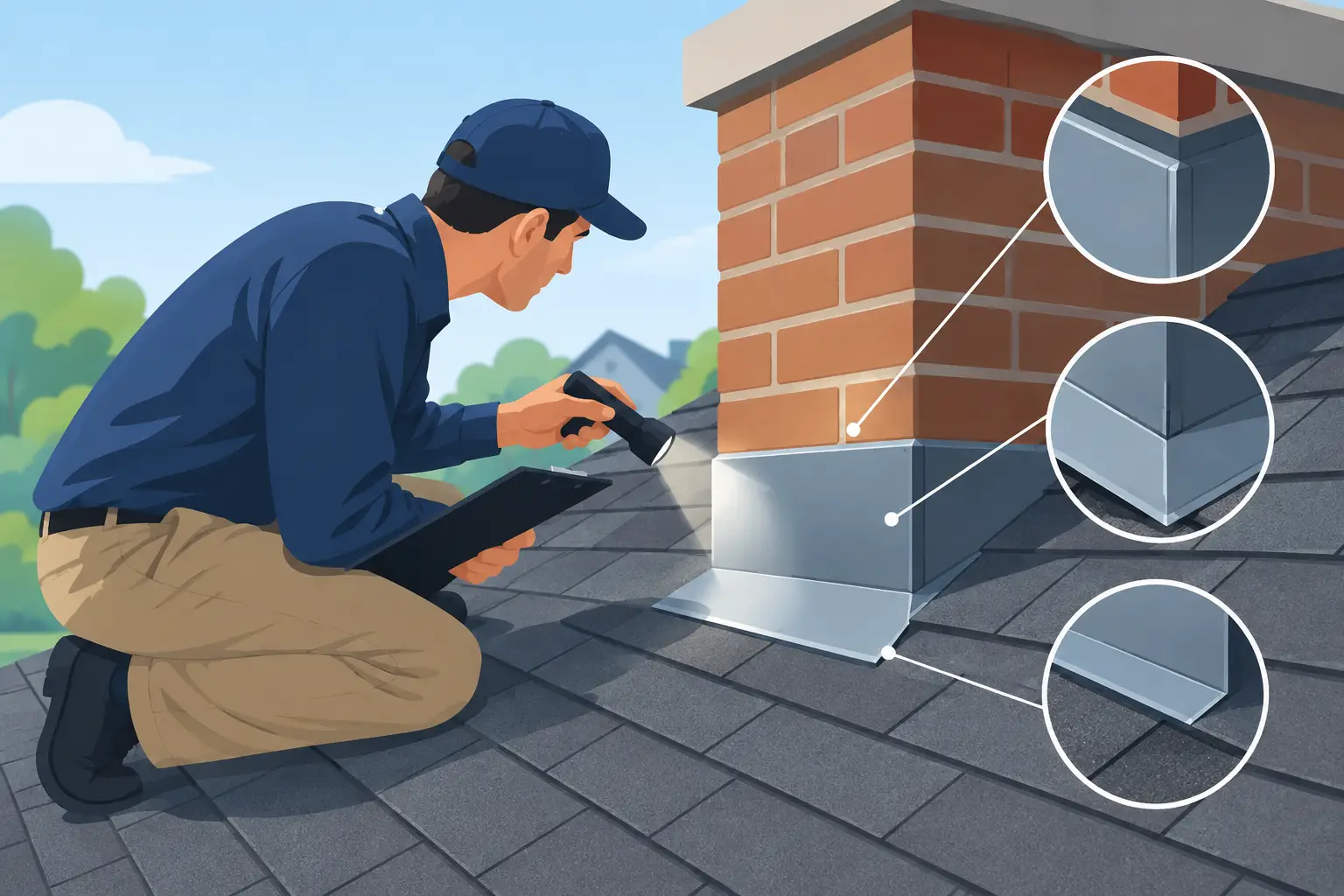
Ask for a written breakdown of the proposed work. A professional estimate should identify the roof areas being addressed, the materials being used, the removal process, and the labor involved. It should also state whether the contractor will replace components such as underlayment, ice and water protection, flashing, drip edge, vents, pipe boots, and ridge caps.
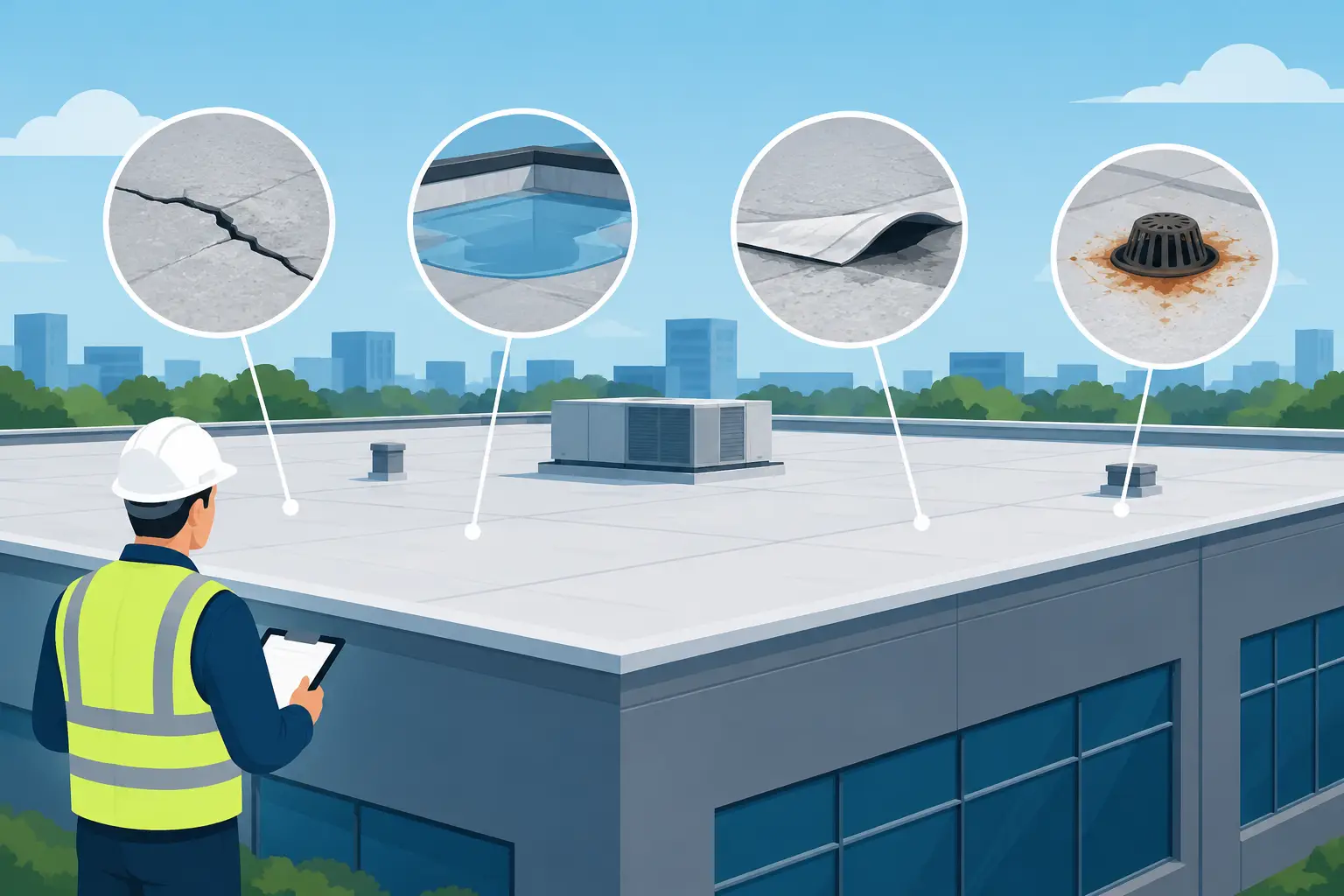
For a commercial roof, the scope should also identify the membrane or coating system, insulation work, drainage details, penetrations, parapet conditions, and any required edge-metal work. Vague language such as “roof replacement as needed” leaves too much open to interpretation.
Will you remove the existing roof, and how many layers are present?
A tear-off exposes the roof deck and allows the contractor to inspect the condition beneath the existing roofing material. In some situations, a recover may be appropriate, especially on certain commercial systems. However, it is not automatically the right solution for every property.
Ask whether the estimate includes removal and disposal of all existing layers. If the contractor cannot confirm how many layers are present before work starts, ask how added disposal or labor costs will be handled. The answer should be clear and written into the agreement.
How will you handle damaged roof decking?
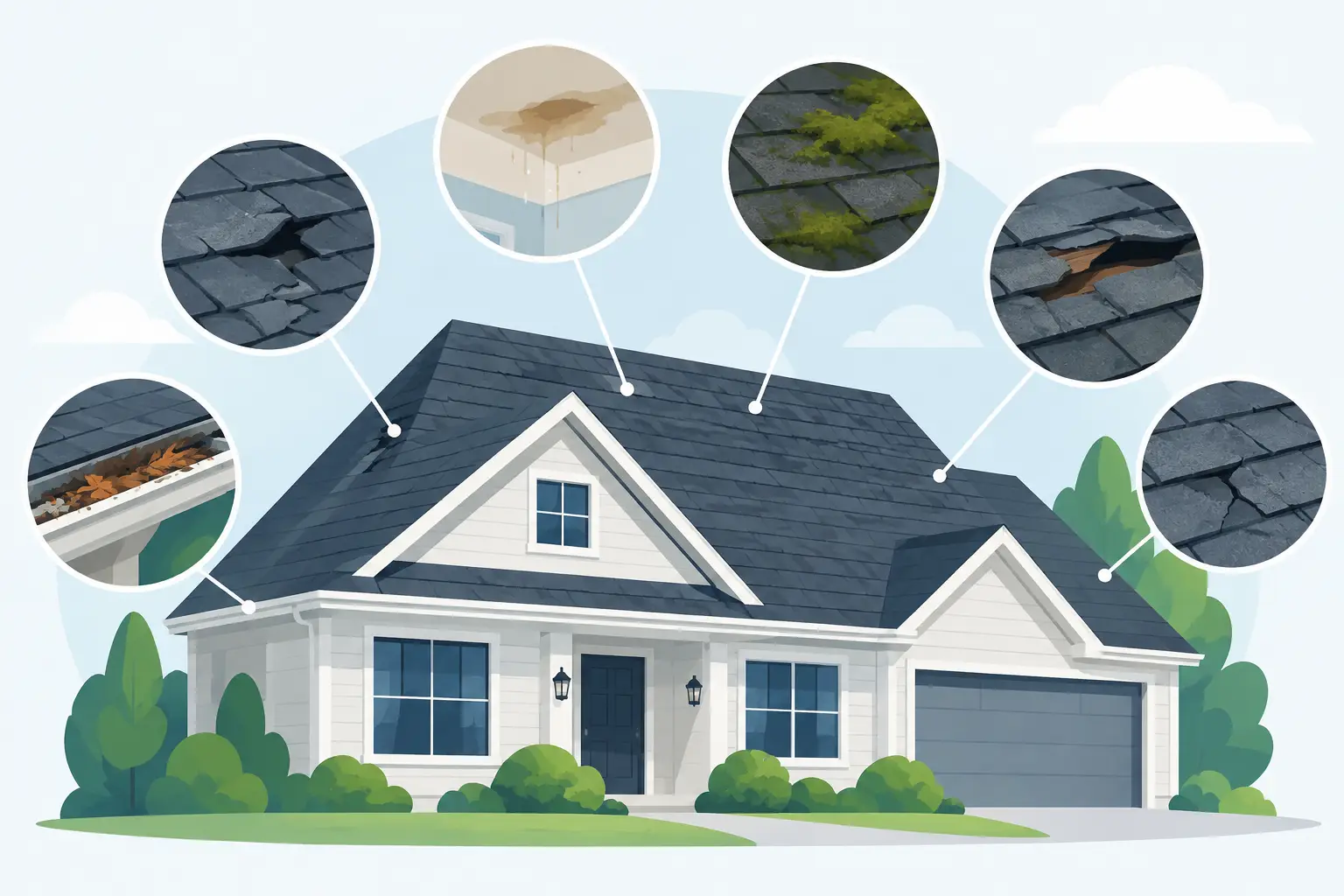
Rotten, soft, or broken decking is often not visible until the old roof is removed. That does not mean the cost should be a surprise. Ask for the unit price per sheet or per square foot for decking replacement and request photos of any damaged areas before repairs proceed.
This question is especially valuable for older homes and buildings with a history of leaks. A contractor should never cover compromised decking simply to keep the project moving. The roof system needs a solid, secure base.
Which materials are you proposing, and why?
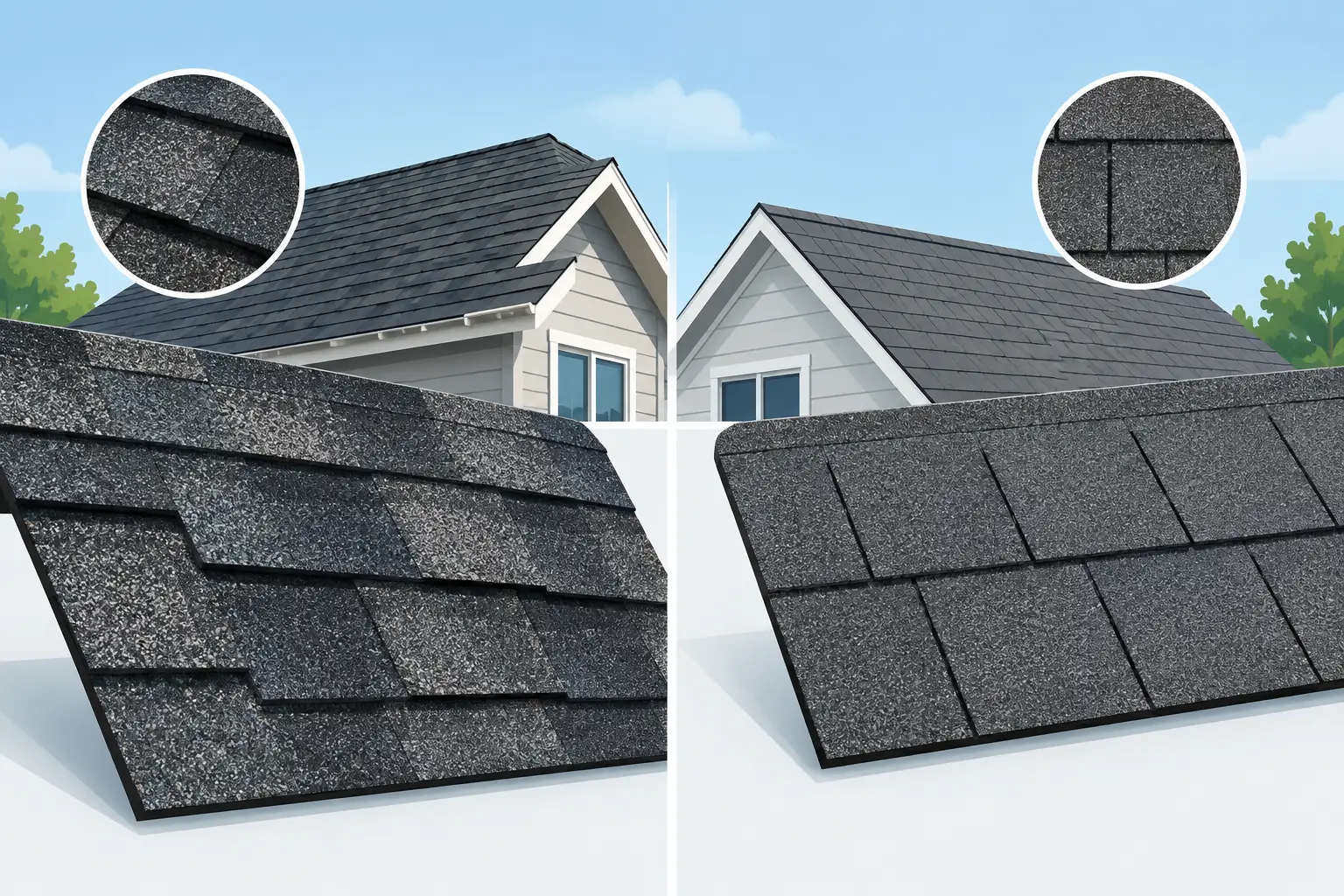
The estimate should name the manufacturer, product line, color or finish where applicable, and material specifications. “Architectural shingles” or “commercial membrane” is not enough information for a meaningful comparison.
Ask why that product is suited to your roof. The right answer depends on slope, drainage, building use, roof complexity, exposure to wind, attic conditions, and budget. A premium material can be worthwhile, but only when it is installed as part of a compatible system. For example, shingles, underlayment, ventilation, and accessories may all affect manufacturer warranty eligibility.
Questions That Reveal Workmanship and Accountability
Your roof performs only as well as it is installed. A quality product installed without proper flashing, fastening, ventilation, and weather protection will not deliver its intended service life.
Who will perform the work?
Ask whether the company uses its own trained installers or subcontracts the project to an outside crew. There is a practical difference between a contractor that directly manages its team and one that has limited day-to-day oversight of the labor on site.
You should know who your point of contact will be during the project and who has authority to address concerns. For a major replacement, ask whether an owner, supervisor, or project manager will inspect the work at key stages. Direct accountability matters when details need to be corrected before the roof is complete.
Are your installers trained and properly certified?
Ask about roofing-specific training, manufacturer credentials, and safety qualifications. Contractors working in the Toronto area should also be able to explain their Working at Heights practices and the site-safety measures used for your property.
Certifications do not replace sound workmanship, but they provide useful evidence that a contractor invests in technical standards. For example, a credential such as CertainTeed ROOFS on HOMES Master Shingle Applicator indicates focused training in the installation requirements of that roofing system.
Are you licensed, insured, and covered for workers on site?
Request confirmation of liability insurance and workplace coverage before the project begins. This protects the property owner if there is an accident, damage to the property, or a claim connected to the work.
Do not accept a verbal assurance alone. A dependable contractor should be prepared to provide current documentation upon request. Property managers should also ask whether their building requires additional certificates, site orientation, or documentation before crews can begin work.
How will you protect my property during construction?
Roof replacement is disruptive work. Ask how the crew will protect landscaping, siding, windows, decks, HVAC equipment, parking areas, and interior spaces beneath the work area. The estimate should also address debris removal, magnet sweeping for nails, and final cleanup.
For occupied commercial properties, ask about access routes, work hours, noise planning, tenant communication, and protection for entrances. A contractor should have a plan that fits the building’s operations, not simply arrive and begin tearing off the roof.
Questions About Price Changes, Schedule, and Weather
The most useful estimate is transparent about what could change and what will not. Roofing work can uncover concealed conditions, but that is different from allowing open-ended charges.
What could cause the price to change?
Ask the contractor to identify likely exclusions and potential additional work before signing. Common examples include concealed deck damage, structural repairs, chimney rebuilding, asbestos-related concerns, and repairs to deteriorated fascia or soffits.
Then ask how change orders are approved. You should receive the reason, cost, and scope in writing before non-emergency additional work begins. This protects both parties and prevents misunderstandings when the final invoice arrives.
What is the expected schedule, and what happens if weather delays the work?
Ask when materials will be ordered, when the crew expects to start, and how long the work should take under normal conditions. A responsible roofer will not promise an exact completion date when weather is uncertain, but they should explain how they secure the roof if rain or high winds interrupt the project.
For leak repairs, ask whether temporary protection is available if permanent repairs must wait for dry conditions or special-order materials. Fast response is important, but a rushed repair that ignores moisture or unsafe weather can create a larger problem.
How is payment structured?
Review the deposit, progress-payment terms, and final-payment expectations. Be cautious of contractors demanding the full amount before materials arrive or before work is substantially complete. Payment terms should match clear project milestones and be included in the written contract.
Questions About Warranties and the Finished Roof
A warranty is only useful when you know what it covers, who provides it, and what actions could affect it.
What workmanship warranty do you provide?
Ask for the contractor’s workmanship warranty in writing. This is separate from the manufacturer warranty and covers installation-related issues. Confirm the warranty period, the process for reporting a problem, and whether the contractor will inspect the concern before recommending repairs.
A long warranty sounds reassuring, but responsiveness matters just as much. Choose a contractor with an established local presence and a clear process for customer service after the final payment.
What manufacturer warranty applies to this roof system?
Ask whether the proposed materials qualify for a standard or enhanced manufacturer warranty. Some enhanced warranties require specific components, approved installation methods, or contractor credentials. Request the product documentation so you understand coverage limits, registration requirements, and exclusions.
Do not assume a material warranty covers damage from poor installation, storm events, inadequate ventilation, or neglected maintenance. The details matter.
Will you provide a final inspection and project documentation?
Before making final payment, ask how the completed work will be reviewed. A final inspection should confirm that flashing, ventilation, edges, penetrations, and cleanup meet the agreed scope.
Request copies of the final invoice, warranty information, change orders, material details, and photographs where useful. Commercial property owners may also need closeout documents for maintenance records and future capital planning.
A roofing estimate should make you feel informed, not pressured. If a contractor cannot explain the scope, safety practices, material choices, or warranty terms in plain language, keep asking questions. The right roofing partner will welcome that conversation because a well-defined project is the first step toward a roof built to protect your property for years.