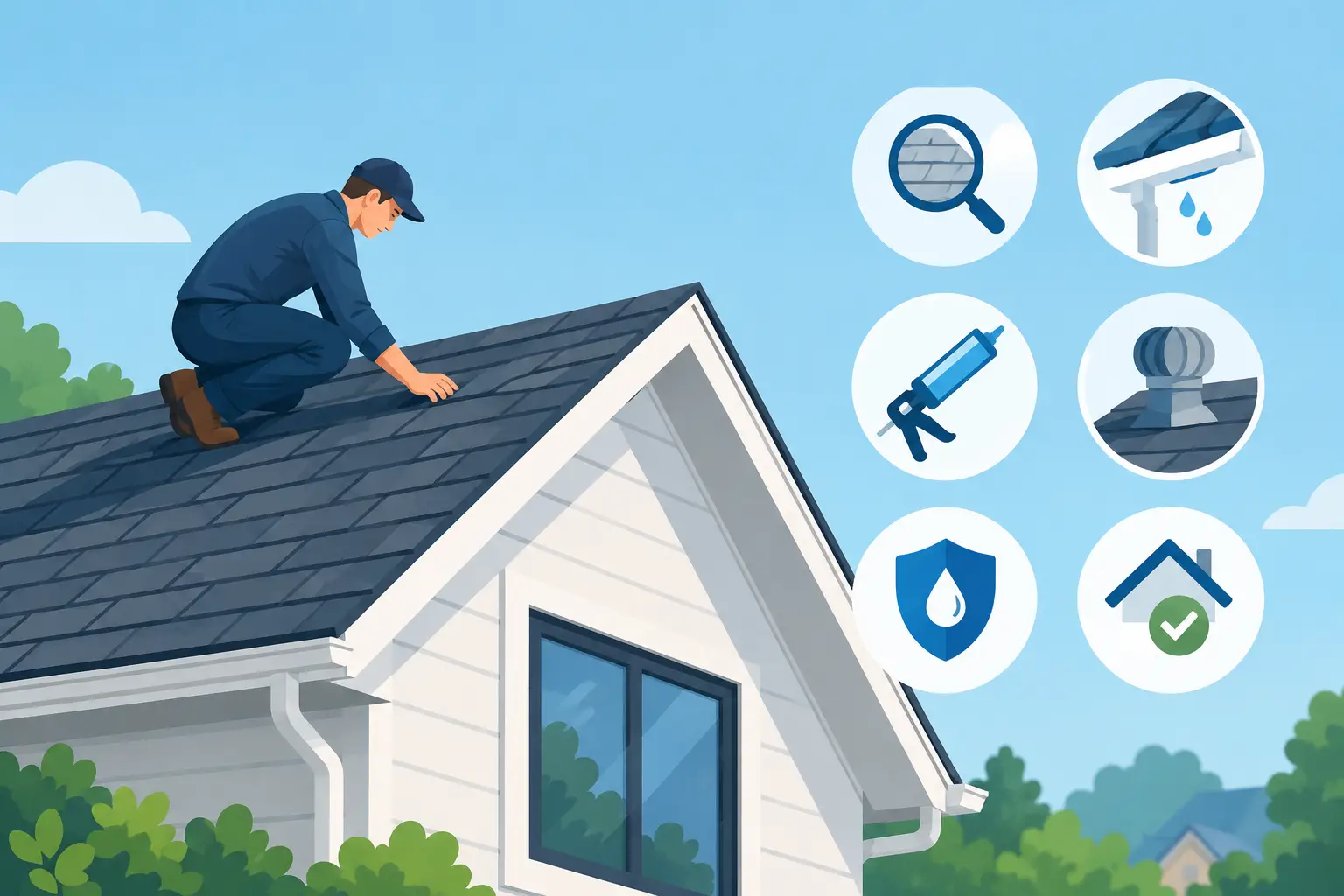

A roof rarely fails without warning. The warning is often a lifted shingle after high wind, a small stain on a ceiling, loose flashing around a vent, or a drain that cannot move water away fast enough. Knowing when should roofs be inspected gives homeowners and property managers a chance to correct those issues before they become interior water damage, mold concerns, or an unplanned replacement.
For most properties, a professional inspection twice a year is a practical standard: once in spring and once in fall. Toronto-area roofs also deserve an inspection after severe weather and whenever there is a sign of a leak. The right schedule depends on roof age, material, slope, tree coverage, drainage design, and the building’s use.
When Should Roofs Be Inspected? Start With Spring and Fall
Spring inspections reveal what winter left behind. Snow load, freeze-thaw cycles, ice buildup, wind, and repeated temperature changes can loosen shingles, crack sealants, shift metal flashing, and expose weak points around chimneys, skylights, and roof penetrations. A spring check also identifies blocked gutters or drains before seasonal rain puts them under pressure.
Fall is the second key inspection window. It is the time to clear debris, confirm that drainage paths are open, and address minor repairs before snow and ice arrive. A roof that sheds water properly in October is better prepared for a difficult January. Waiting until winter to diagnose a roof problem is rarely ideal, since cold temperatures, snow cover, and unsafe access can limit repair options.
For a typical asphalt shingle home, these two inspections are usually sufficient when the roof is in good condition. Older roofs, flat commercial roofs, roofs beneath mature trees, or properties with a history of leaks may require more frequent attention.
Inspect the Roof After Severe Weather
A seasonal schedule does not replace a post-storm inspection. Strong winds can break shingle seals or lift tabs without sending obvious debris into the yard. Hail can bruise shingles and damage soft metal components. Heavy rain can expose a drainage issue that was not visible during dry weather.
Arrange an inspection after a significant event involving high wind, hail, prolonged rainfall, ice, or fallen branches. Do not climb onto the roof to investigate. Wet, icy, or wind-damaged roofing is unsafe, and walking on a compromised surface can cause additional damage. From the ground, look for missing materials, displaced gutters, damaged siding near the roofline, visible branches, or water entering the attic or upper floors.
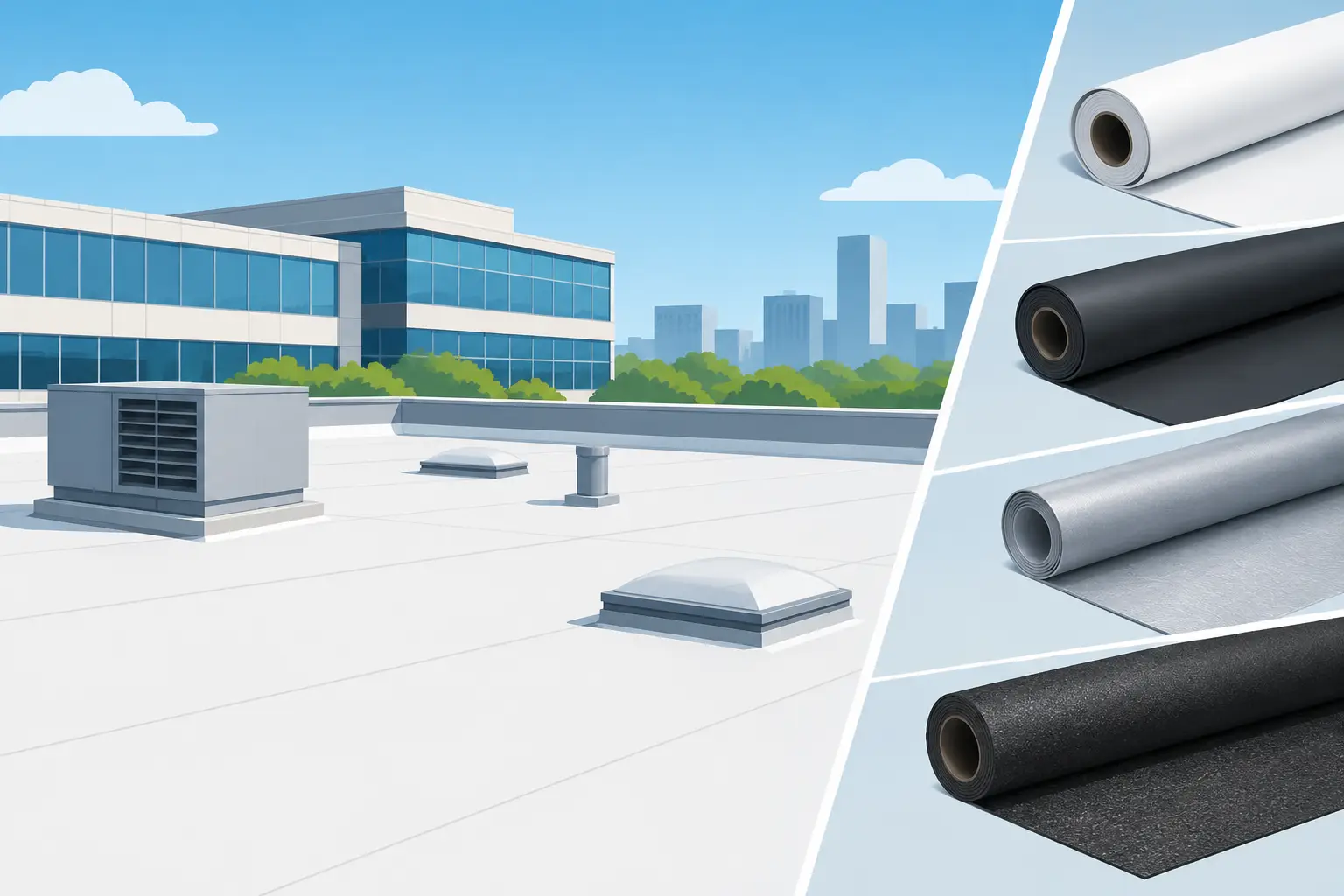
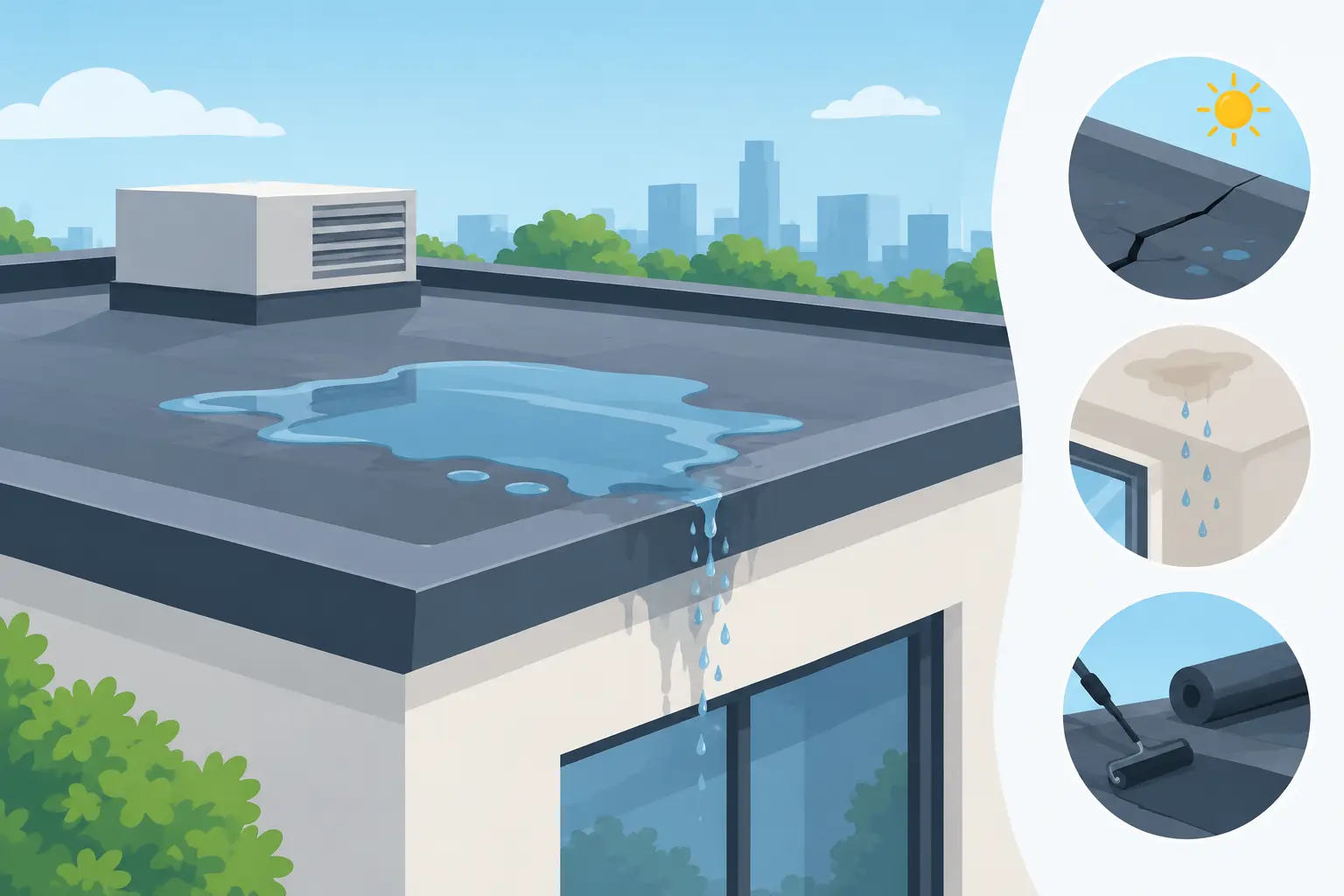
Commercial property managers should be particularly proactive after storms. Water can travel across a low-slope roof deck and enter the building far from the actual defect. A small membrane puncture, open seam, or blocked drain can affect insulation and deck materials long before a ceiling leak becomes visible.
Schedule an Inspection Before Buying or Selling
A roof inspection is valuable during a real estate transaction, but it should be more than a quick visual look from the ground. For buyers, the condition of the roof affects the property’s immediate repair budget, insurance considerations, and long-term maintenance plan. For sellers, identifying and resolving a legitimate concern before listing can prevent surprises during negotiations.
Ask for clear findings on the roof’s current condition, apparent age, remaining service life, visible repairs, flashing details, ventilation, drainage, and any signs of active moisture intrusion. No contractor can guarantee an exact remaining lifespan, especially when materials are weathered. However, a trained inspection can distinguish between a roof that needs routine maintenance and one approaching replacement.
The same principle applies to commercial acquisitions and lease renewals. Roofing should be reviewed as part of due diligence because deferred maintenance can become a major capital expense.
Do Not Wait for a Leak
A leak is an urgent reason to inspect a roof, but it is not the only reason. Water stains, peeling paint near ceilings, damp insulation, musty attic odors, and bubbling drywall all warrant prompt attention. By the time water appears inside, it may have already moved through several layers of the roof assembly.
Other warning signs are less dramatic but still meaningful. Curled or missing shingles, granules collecting in gutters, cracked caulking, rusted flashing, sagging areas, exposed fasteners, and persistent moss or algae growth should be evaluated. On a flat roof, look for standing water that remains after normal drying time, open seams, surface blisters, damaged edge metal, or vegetation around drains.
Not every visible issue means replacement is required. A localized flashing repair or shingle replacement may restore protection when the roof system is otherwise sound. The trade-off is that isolated repairs become less cost-effective when defects are widespread or the roofing material has reached the end of its expected service life. An honest inspection should explain that distinction clearly.
Roof Age Changes the Inspection Schedule
A newer roof still needs inspections because installation details, storm damage, and drainage conditions matter at every age. However, frequency becomes more important as the roof ages. Once a shingle roof is past the midpoint of its expected service life, annual professional checks are a sensible minimum, even if no leak is present.
This is also the stage when ventilation and attic conditions should be reviewed. Excess heat and moisture in the attic can shorten shingle life, contribute to condensation, and create ice-dam conditions in winter. The roofing surface may look acceptable from the street while the system beneath it is under stress.
For commercial roofs, age alone is not the full story. Foot traffic from equipment servicing, rooftop HVAC work, drainage performance, previous patching, and membrane condition can all affect inspection needs. A maintenance record makes decisions easier because it shows whether repairs are isolated events or part of a repeating pattern.
What a Professional Roof Inspection Should Cover
A proper inspection is not simply a glance at shingles. It should assess the roof as a system, including the surface materials, flashing, valleys, penetrations, edge details, drainage, ventilation, and accessible attic conditions. On commercial roofs, the inspection should also review seams, curbs, drains, scuppers, parapet walls, and areas affected by service traffic.
The contractor should document concerns in practical terms: what was found, why it matters, whether it requires immediate repair, and what can be monitored. Photos and a detailed estimate are useful because they let property owners understand the scope of work before approving it. They also create a record for future maintenance planning and warranty discussions.
Credentials and safety practices matter here. Roofing inspections can involve steep slopes, fragile materials, electrical hazards, and difficult access. A trained crew following Working at Heights requirements is better positioned to inspect the roof carefully without creating damage or unnecessary risk.
A Practical Inspection Plan for Toronto Properties
For many homeowners, the right plan is simple: arrange a professional inspection in spring, schedule another in fall, and call after severe weather or any sign of moisture inside. Keep gutters and downspouts clear between visits, but leave roof-level work to qualified professionals.
Property managers may benefit from a documented maintenance schedule, especially for larger buildings or low-slope roofs. Regular inspections support budgeting, reduce emergency calls, and help protect tenants, inventory, equipment, and interior finishes. They also provide a better basis for deciding when repair remains sensible and when replacement should be planned.
Toronto Roofers provides on-site roof assessments with trained, directly supervised roofing specialists. A clear inspection and detailed scope can help you address small concerns on your schedule rather than react to a larger failure at the worst possible time.
If your roof has been through a hard winter, a heavy storm, or several years without professional attention, scheduling an inspection now is a practical way to protect the building beneath it.