A roof can look finished from the street and still contain the mistakes that cause leaks, premature wear, and warranty problems years later. That is why certified roofing installers matter. They bring documented training, manufacturer-approved installation knowledge, safety compliance, and direct accountability to work that protects your home or commercial property.
For property owners, certification is not a marketing label. It is one practical way to separate a contractor that understands complete roofing systems from one that simply installs shingles or membrane material. The difference affects drainage, ventilation, flashing performance, warranty eligibility, and the useful life of the roof.
What Certified Roofing Installers Actually Do
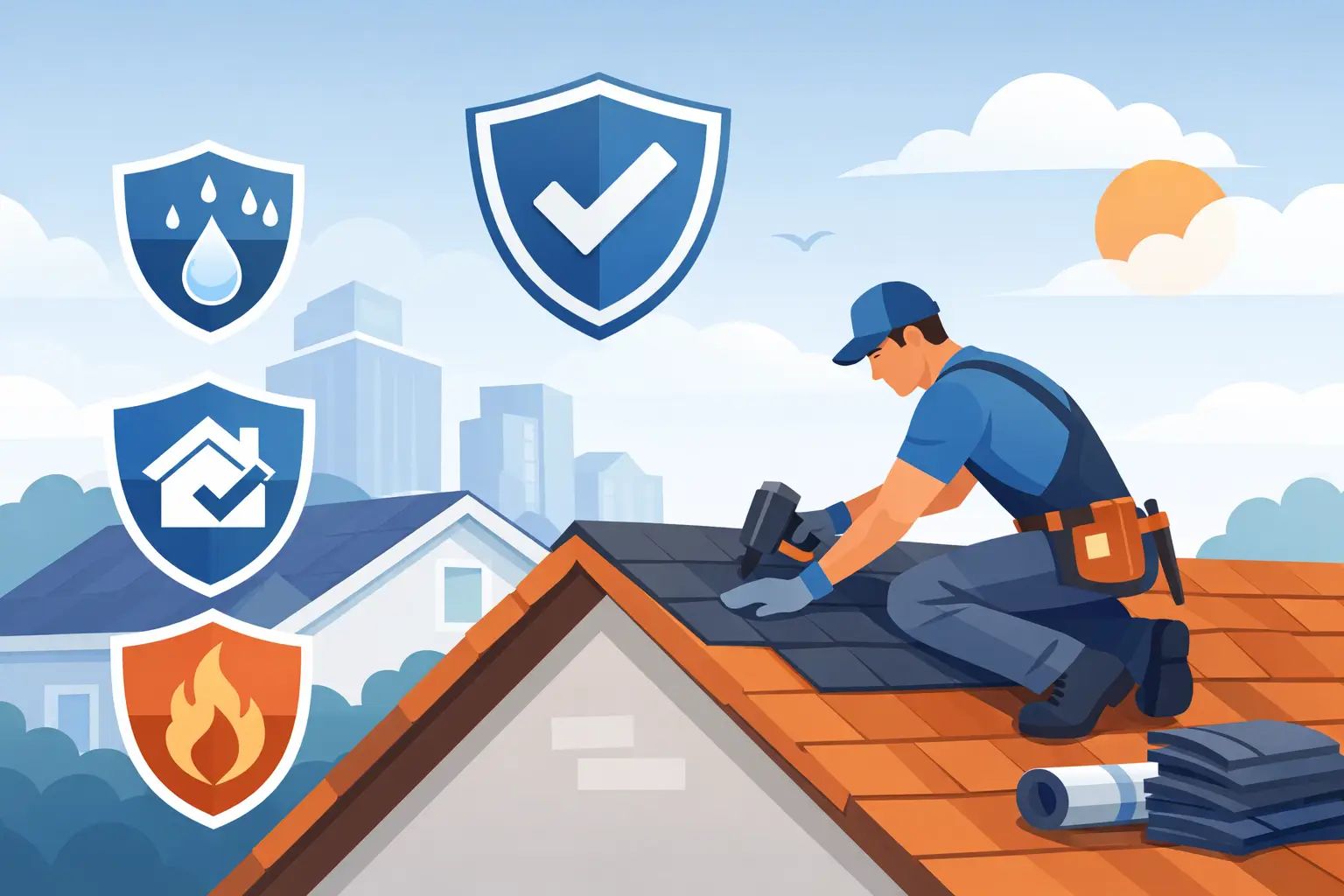
A roof is a system, not a single product. Shingles, underlayment, ice and water protection, flashing, ventilation, fasteners, drainage details, and roof penetrations must work together. Certified installers are trained to follow the installation requirements for the products they use and to recognize conditions that can compromise that system.
On a residential roof, this may mean correctly placing leak barriers at eaves and valleys, installing starter shingles, using the required nailing pattern, and sealing flashing around chimneys, skylights, vents, and walls. On a commercial roof, it may involve preparing the substrate, managing drainage, treating seams correctly, and coordinating details around mechanical equipment and penetrations.
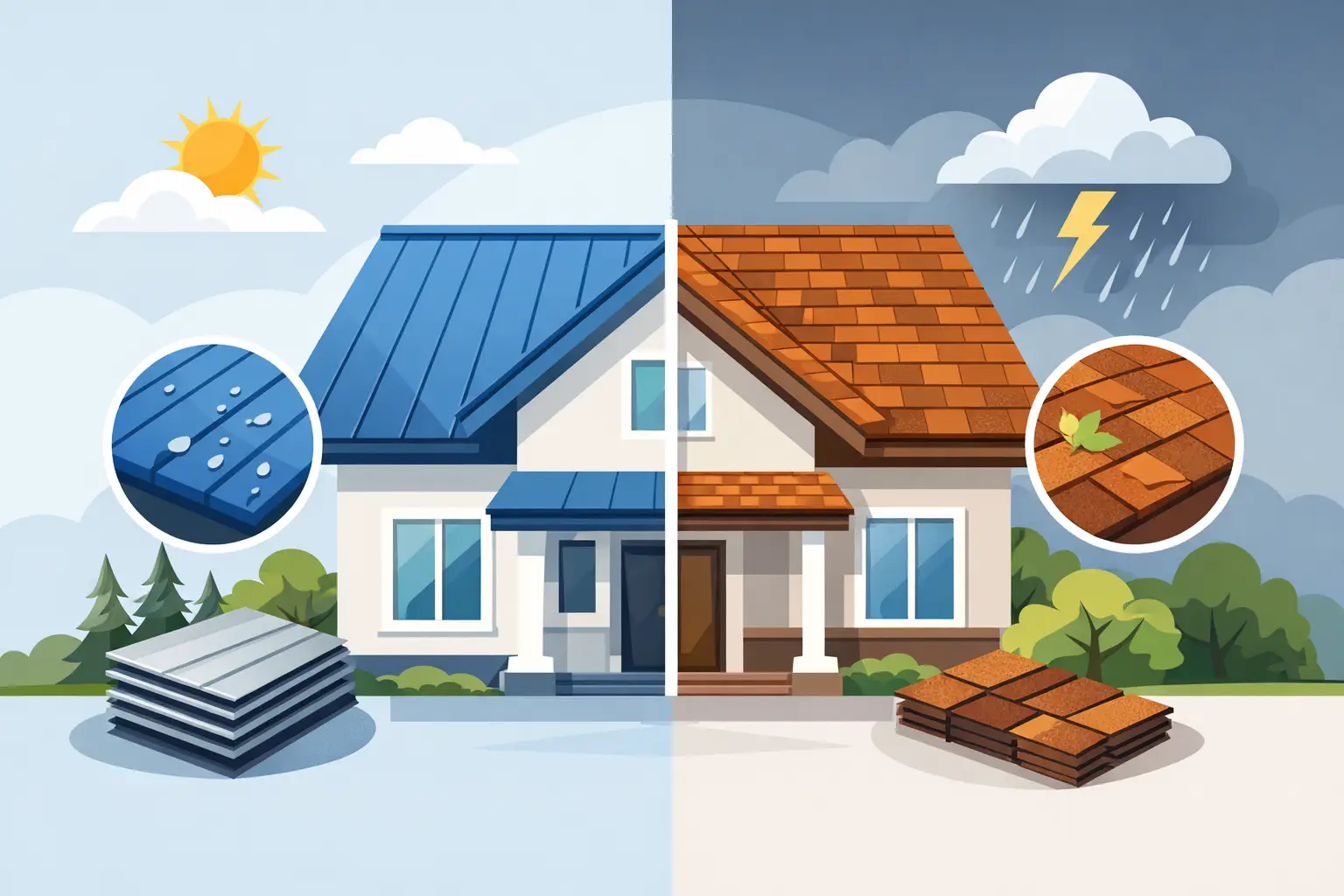
The material alone cannot solve a poor installation. A premium shingle installed with inadequate ventilation or incorrect flashing will not perform as intended. The same is true of commercial membrane systems where seam preparation, edge details, and drainage determine long-term performance.
Certification Is About More Than a Certificate
Not every credential means the same thing, so property owners should ask what a contractor’s certification represents. A meaningful roofing credential is usually connected to manufacturer training, installation standards, continuing education, safety requirements, or a combination of these factors.
Manufacturer credentials can be especially valuable because manufacturers understand that product performance depends on proper installation. Some programs require contractors to meet training standards, maintain insurance, demonstrate experience, or renew their qualifications. These programs may also provide access to stronger manufacturer warranty options when the full roof system is installed according to requirements.
However, certification should not be treated as an automatic guarantee. A contractor can hold a credential and still provide poor communication or weak jobsite supervision. The strongest choice is a company that combines current credentials with trained in-house crews, clear estimates, active site oversight, and a track record of standing behind its work.
Toronto Roofers maintains formal training standards, annual certifications, Working at Heights compliance, and the CertainTeed ROOFS on HOMES Master Shingle Applicator credential. These qualifications support a disciplined approach to residential roofing work, from system selection through final inspection.
Why Installation Quality Protects Your Investment
Roof replacement is a major property expense. The goal is not simply to stop an immediate leak. The goal is to install a system that performs through seasonal temperature changes, wind, rain, snow, and sun exposure while protecting the building below.
Proper installation begins with an honest assessment of the existing roof. The roofing team should identify damaged decking, weak flashing, poor ventilation, drainage concerns, and signs of moisture intrusion before new materials cover those issues. Installing new roofing over unresolved defects may save time upfront, but it can create expensive repairs later.
Certified crews also understand the specifications that affect warranty coverage. Manufacturers commonly require approved components, proper fastening, adequate ventilation, and installation methods that match the product instructions. If those conditions are ignored, a homeowner or property manager may have fewer options when a product claim arises.
There is also a resale consideration. Detailed estimates, photos, invoices, and warranty documentation give future buyers or building stakeholders a clearer record of what was installed. That documentation is particularly useful for commercial properties where maintenance planning and capital budgeting depend on accurate roof history.
Safety Is Part of Professional Roofing Work
Roofing is high-risk work. A contractor’s safety practices affect workers, occupants, visitors, and the property itself. Working at Heights training is not an optional detail in Ontario roofing work. It demonstrates that the crew has been trained to identify fall hazards and use appropriate protection procedures.
A professional roofing project should also include responsible site management. Materials need to be staged safely, landscaping and exterior surfaces should be protected where practical, and debris should be controlled throughout the project. Commercial sites may require additional coordination around tenant access, loading areas, rooftop equipment, and business operations.
Safety and workmanship are connected. A rushed or poorly managed crew is more likely to overlook flashing details, damage property, leave nails behind, or fail to address conditions discovered during tear-off. Direct oversight keeps the work organized and gives property owners a clear point of contact when questions arise.
Questions to Ask Before Hiring a Roofing Contractor
The right questions reveal more than a sales presentation. Ask whether the company uses its own trained installers or relies primarily on loosely managed subcontractors. In-house teams usually provide stronger consistency because the contractor has direct control over training, quality expectations, scheduling, and customer communication.
Ask which manufacturer certifications the company holds and whether those credentials apply to the roofing system you are considering. If warranty coverage is important, request a clear explanation of what is covered by the manufacturer, what is covered by the contractor’s workmanship commitment, and what maintenance may be required to keep coverage in force.
You should also ask how the contractor will inspect the roof deck, flashing, ventilation, and drainage. A detailed estimate should identify the proposed materials, the scope of tear-off, disposal arrangements, expected repairs if hidden damage is found, and the major installation details. A vague price with few specifications makes it difficult to compare proposals accurately.
For commercial projects, ask about site coordination, safety documentation, access requirements, work hours, and how the contractor will minimize disruption. The lowest price is not always the lowest long-term cost if it leaves a building with drainage issues, weak details, or incomplete records.
When Certification Matters Most
Certification is valuable on every roofing project, but it becomes even more important when the conditions are complex. Homes with skylights, chimneys, steep slopes, valleys, low-slope transitions, or ventilation concerns require careful detailing. Older homes may reveal deteriorated decking or previous repairs that need correction before a replacement can proceed.
Commercial roofs also demand system-specific knowledge. A low-slope roof may have ponding water, aging penetrations, damaged seams, or insulation issues that are not visible from ground level. Repairing a leak without finding its true source can lead to repeated service calls and damage to the building interior.
There are situations where a repair is the right decision and others where replacement provides better value. It depends on the age of the roof, the extent of moisture damage, the condition of the underlying system, and the frequency of previous repairs. A qualified contractor should explain that trade-off directly rather than pushing a replacement when a targeted repair will reasonably extend service life.
A Better Standard for Roof Work
Property owners should expect more than a crew, a ladder, and a material delivery. They should expect trained professionals who can assess the complete roofing system, explain the work in plain terms, follow safety procedures, and remain accountable after installation day.
Whether you are planning a roof replacement, investigating a leak, or maintaining a commercial building, start with an on-site consultation and a detailed estimate. The right installer will give you a clear view of the roof’s condition and a practical path to protecting the property for years ahead.