A roof does more than keep rain off the structure. It absorbs solar heat, manages attic temperatures, sheds water, and protects insulation, framing, and interior finishes. Energy efficient roofing trends are gaining attention because homeowners and property managers want systems that reduce unnecessary heat gain without compromising durability in Toronto’s freeze-thaw climate.
The right approach is not simply choosing the lightest-colored shingle or adding more insulation. Roofing performance depends on the complete assembly: roof covering, underlayment, ventilation, insulation, flashing, drainage, and installation quality. A material that performs well on one building can create problems on another if these components are not evaluated together.
Energy Efficient Roofing Trends That Matter
The most practical roofing trends focus on controlling heat, moisture, and air movement over the long term. Some are especially useful for low-slope commercial buildings, while others are well suited to residential sloped roofs.
Reflective roof surfaces
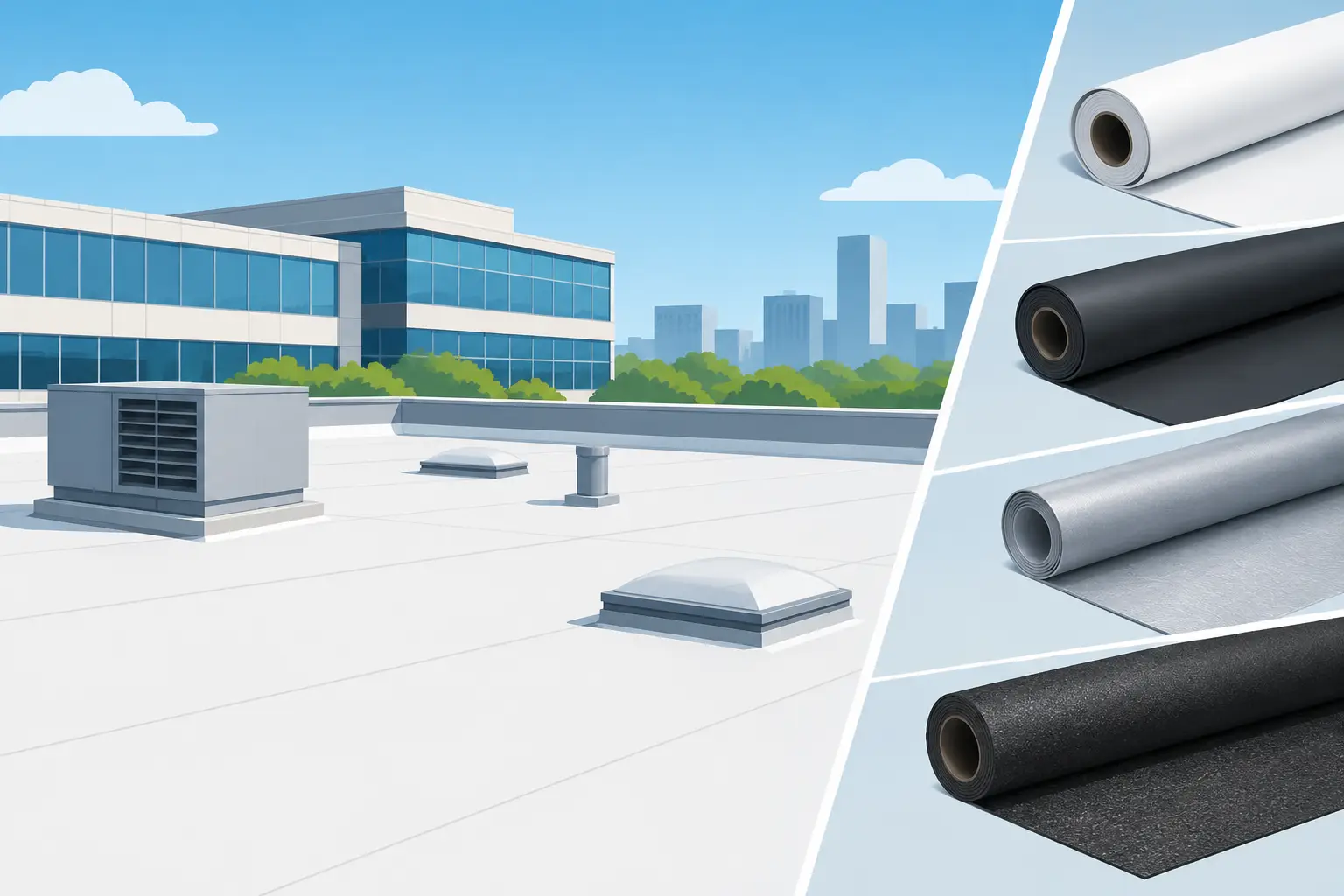
Reflective roofing remains one of the most established energy-saving options. On commercial buildings, white or light-colored single-ply membranes can reflect a significant portion of solar radiation, reducing roof-surface temperatures during warm weather. Lower surface temperatures can reduce cooling demand in air-conditioned spaces and may lessen thermal stress on the membrane.
For homes, reflective shingles and metal roofing are becoming more available in colors that do not look stark or industrial. Modern granules, coatings, and finishes allow homeowners to select medium or darker-looking colors with improved solar reflectance compared with traditional products. Performance ratings should be reviewed by product and color, not assumed from appearance alone.
Reflectivity has limits in a four-season climate. A highly reflective roof can reduce summer heat gain, but it may also reduce beneficial solar warming during winter. The building’s insulation levels, attic configuration, orientation, and cooling use all affect the real value. This is why a roof recommendation should be based on the property, not a general trend.
Cool roofing for low-slope buildings
Cool roofs are especially relevant for commercial properties, multi-unit buildings, and additions with low-slope roof areas. PVC and TPO membranes are commonly selected for their reflective surfaces, welded seams, and ability to create a continuous waterproofing layer when properly installed.
Energy performance is only one part of the decision. Drainage, rooftop equipment, foot traffic, penetrations, edge details, and maintenance access also need attention. A reflective membrane with standing water, poor flashing, or poorly sealed penetrations is not a high-performing roof system. The workmanship behind the membrane is as important as the membrane itself.
Better attic ventilation and air sealing
Many homeowners assume ventilation alone will solve attic heat or moisture issues. Proper ventilation is important, but it works best when the attic floor is air-sealed and insulated correctly. Warm, moisture-laden indoor air leaking into a cold attic can contribute to condensation, frost, mold growth, and wood deterioration. Adding more roof vents without addressing air leakage may not correct the source of the problem.
A balanced system typically combines intake ventilation at the eaves with exhaust ventilation near the ridge. The available net free vent area, roof shape, insulation depth, and obstructions all influence whether that system will work as intended. Bathroom fans, kitchen exhaust ducts, and plumbing vents must also discharge properly. These details are easy to overlook during a replacement, but they have a direct effect on roof and attic performance.
Insulation upgrades during roof work
Roof replacement can be the right time to assess insulation, particularly on low-slope commercial roofs and cathedral ceiling assemblies. Adding rigid insulation above the roof deck can improve thermal performance and reduce thermal bridging through structural members. On commercial projects, tapered insulation can also improve drainage by directing water toward drains or scuppers.
Residential situations vary more widely. An accessible attic may allow insulation improvements from inside the building, while a finished cathedral ceiling may require a different strategy. Adding insulation in the wrong location, or blocking ventilation pathways, can trap moisture and create expensive corrective work later. An on-site review is necessary before specifying an insulation upgrade.
Metal roofing with efficient finishes
Metal roofing continues to attract homeowners who want a long service life, clean architectural lines, and reflective coating options. Standing-seam metal panels can be an efficient choice on suitable roof designs because they shed snow and water effectively and can accommodate certain solar mounting methods without penetrating the roofing panels.
The trade-off is upfront cost and installation precision. Metal requires careful measurement, properly detailed flashings, compatible fasteners, and attention to expansion and contraction. It is not a material to install with generic methods. A well-installed metal roof can deliver strong long-term value, but a poor installation can lead to noise, leaks, oil canning, or premature corrosion around details.
Solar-ready roof planning
A solar-ready roof is not necessarily a roof with panels installed immediately. It is a roof planned so that future solar installation does not shorten its service life or require avoidable rework. If the existing roof is near the end of its life, replacement should generally happen before solar panels are installed. Removing and reinstalling panels later adds cost and risk.
Planning also includes evaluating roof orientation, shading, structural capacity, electrical routing, and the location of vents and other penetrations. On some roofs, moving a vent or changing its location during replacement can create a more usable panel area. The roofing system still needs reliable flashing and water management after any solar work is complete.
Materials Are Only Part of Roof Efficiency
Energy-efficient roofing is often discussed as a product decision, but installation quality determines whether the system performs as designed. Ice and water protection, underlayment selection, flashing at walls and chimneys, ridge details, pipe boots, and drip edge installation all influence how the roof handles water and airflow.
This is particularly relevant in Toronto, where roofs must deal with snow loads, ice formation, wind-driven rain, summer heat, and rapid temperature changes. A roof that reduces solar heat but allows moisture into the deck is not an efficient investment. Likewise, an attic that is heavily insulated but poorly ventilated or air-sealed can still experience condensation problems.
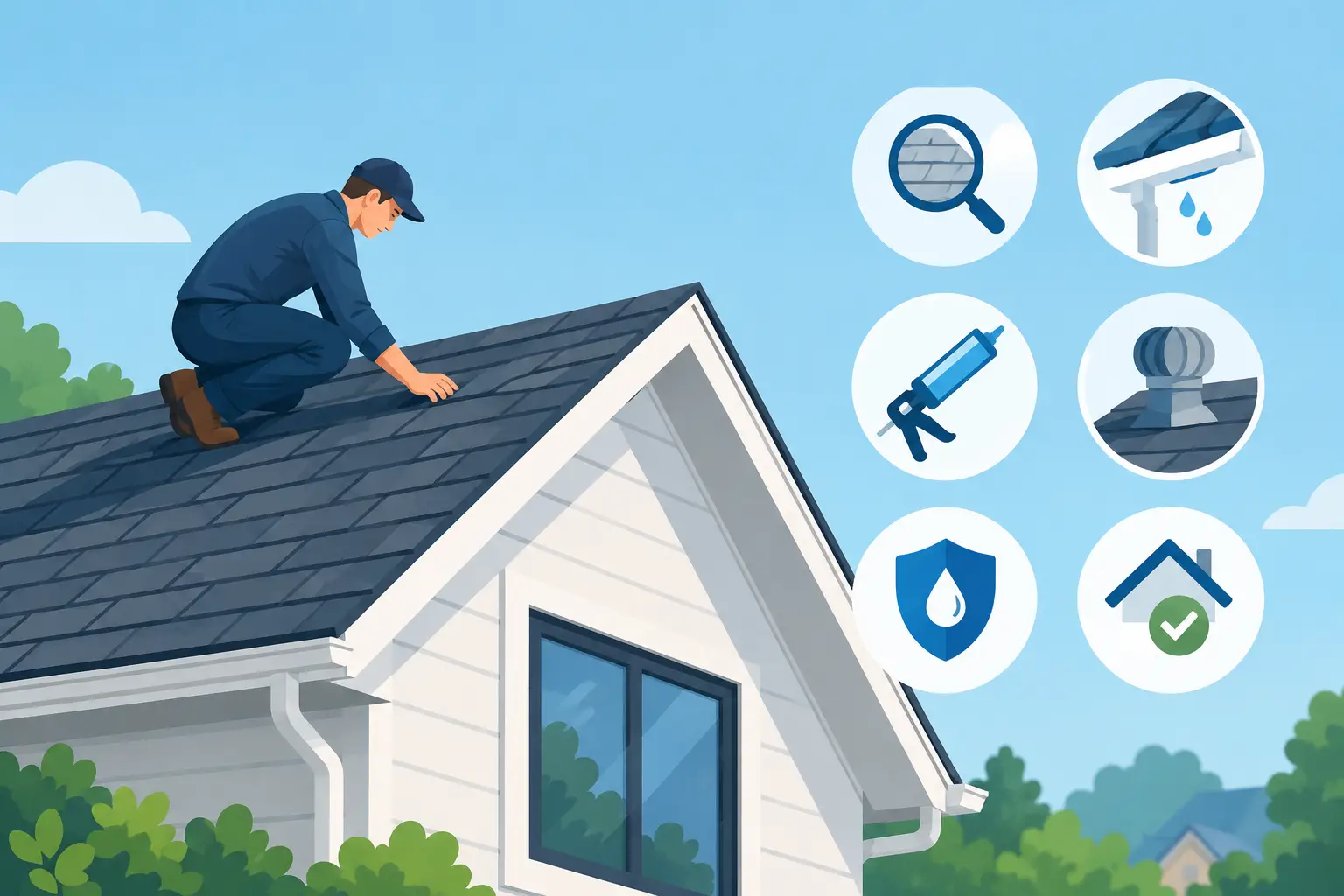
Long-term efficiency also depends on maintenance. Leaves in gutters, blocked downspouts, damaged flashing, loose shingles, and deteriorated sealants can create moisture issues that reduce the performance of the entire roof assembly. Commercial roofs should have scheduled inspections, especially after severe weather and before winter. Homeowners should also arrange a professional assessment when they notice staining, granule loss, recurring ice dams, or unusually high energy use.
Choosing the Right Roofing Strategy
The best energy-saving improvement depends on the building type and current condition. A detached home with an underinsulated attic may benefit most from air sealing, insulation review, and balanced ventilation during a shingle replacement. A flat-roof commercial property may see greater benefit from a reflective membrane, improved drainage, and added roof insulation. A home with a complicated roofline may need a durability-first approach, with energy improvements built into the ventilation and attic work.
Before selecting materials, ask for a detailed assessment of the roof deck, attic conditions, ventilation, drainage, existing insulation, and flashing. Product warranties matter, but they should be paired with trained installation and clear accountability for the completed work. Toronto Roofers approaches roof replacement as a system, with on-site consultation, certified workmanship, and attention to the details that protect the property after installation day.
A roof should be built for more than the next season. When efficiency measures are matched to the building and installed correctly, they can help control operating costs while protecting the structure for years to come.