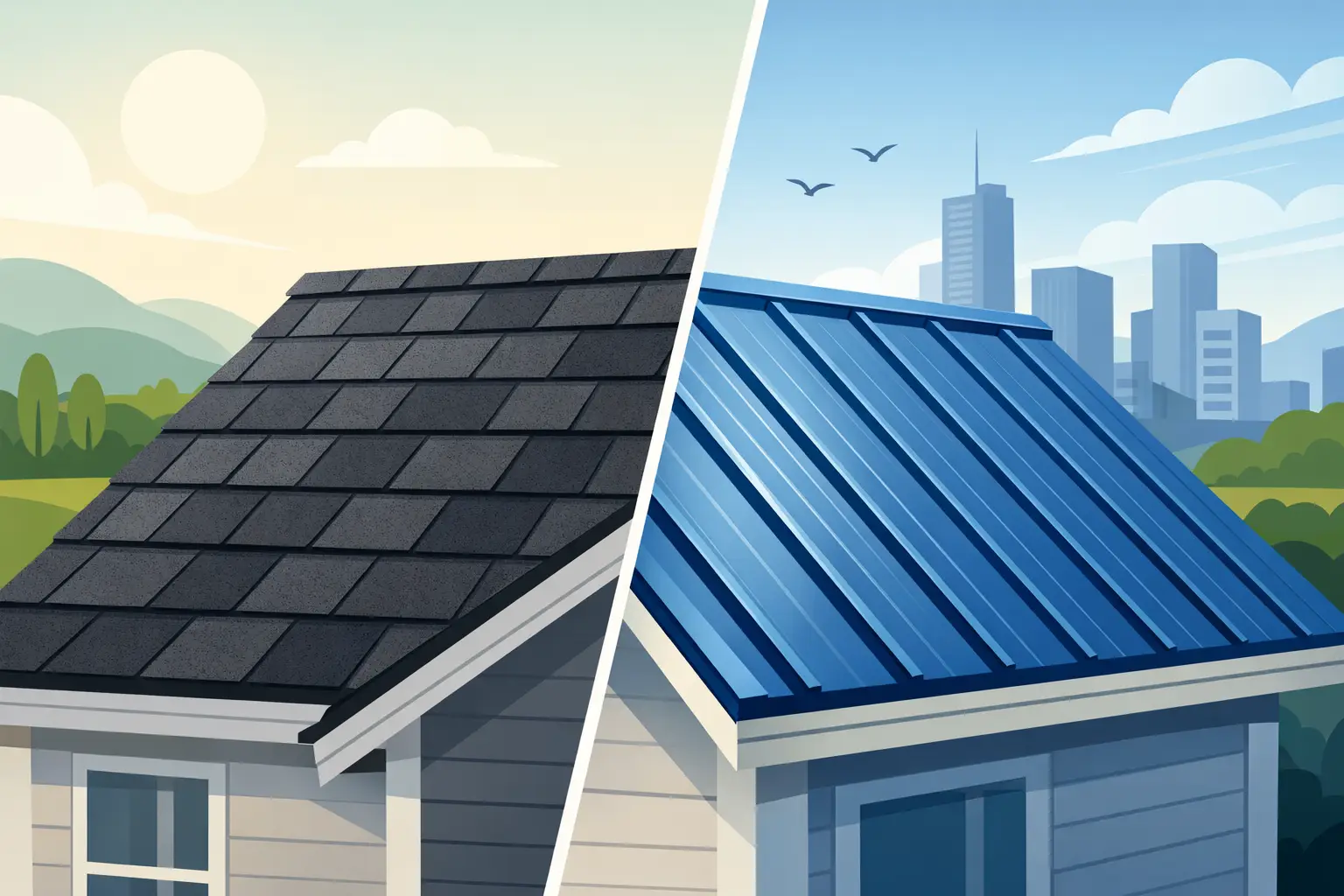
A roof replacement is not simply a choice between two materials. It is a decision about how your property will handle winter weather, summer heat, maintenance demands, curb appeal, and long-term ownership costs. When comparing asphalt shingles vs metal roofing, Toronto-area homeowners should look beyond the initial quote and consider the full roof system, including ventilation, flashing, underlayment, deck condition, and installation quality.
Both materials can be excellent choices when properly specified and professionally installed. The right option depends on your budget, the architecture of the building, how long you expect to own it, and whether the existing roof structure is prepared for the selected system.
Asphalt Shingles vs Metal Roofing: The Main Difference
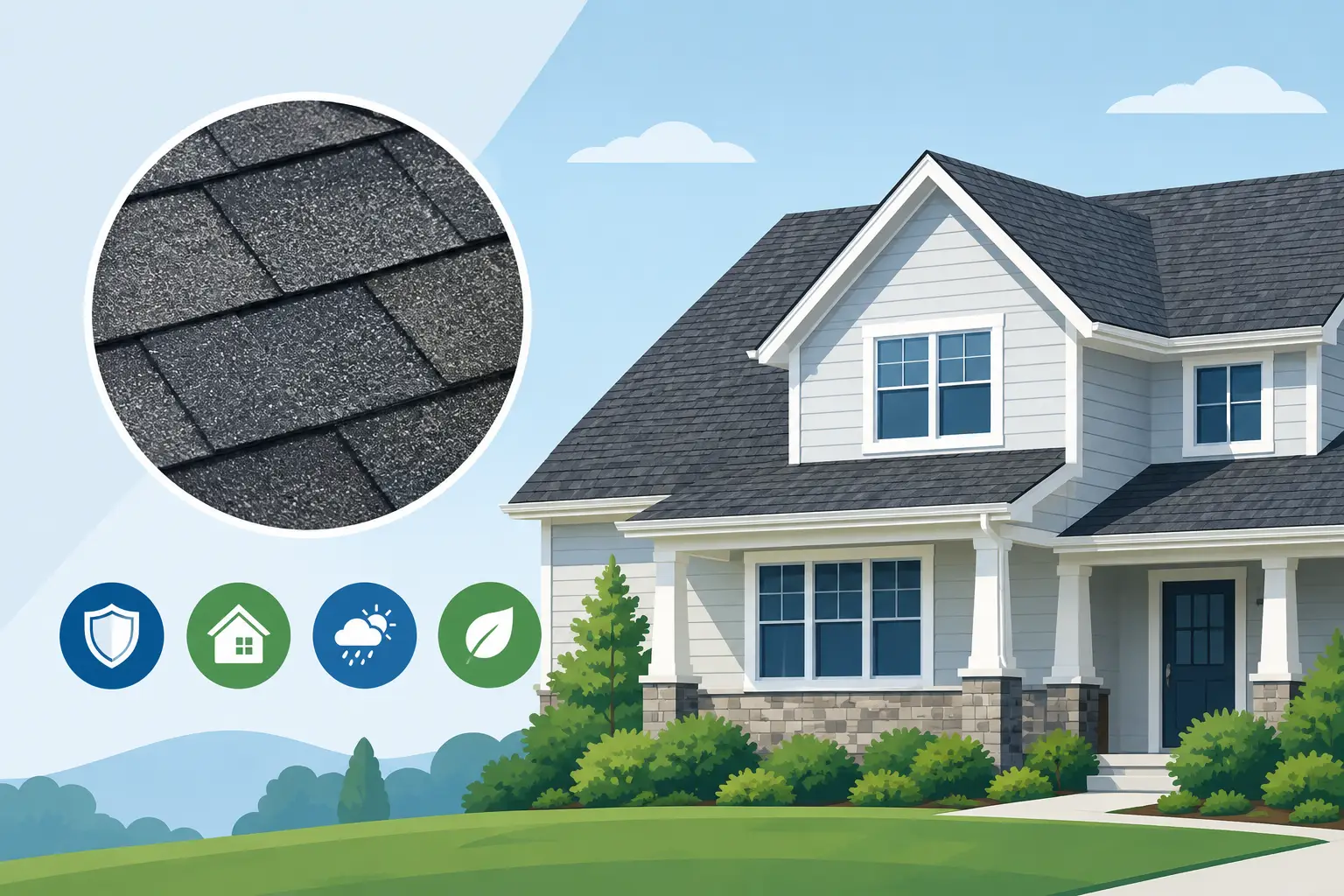
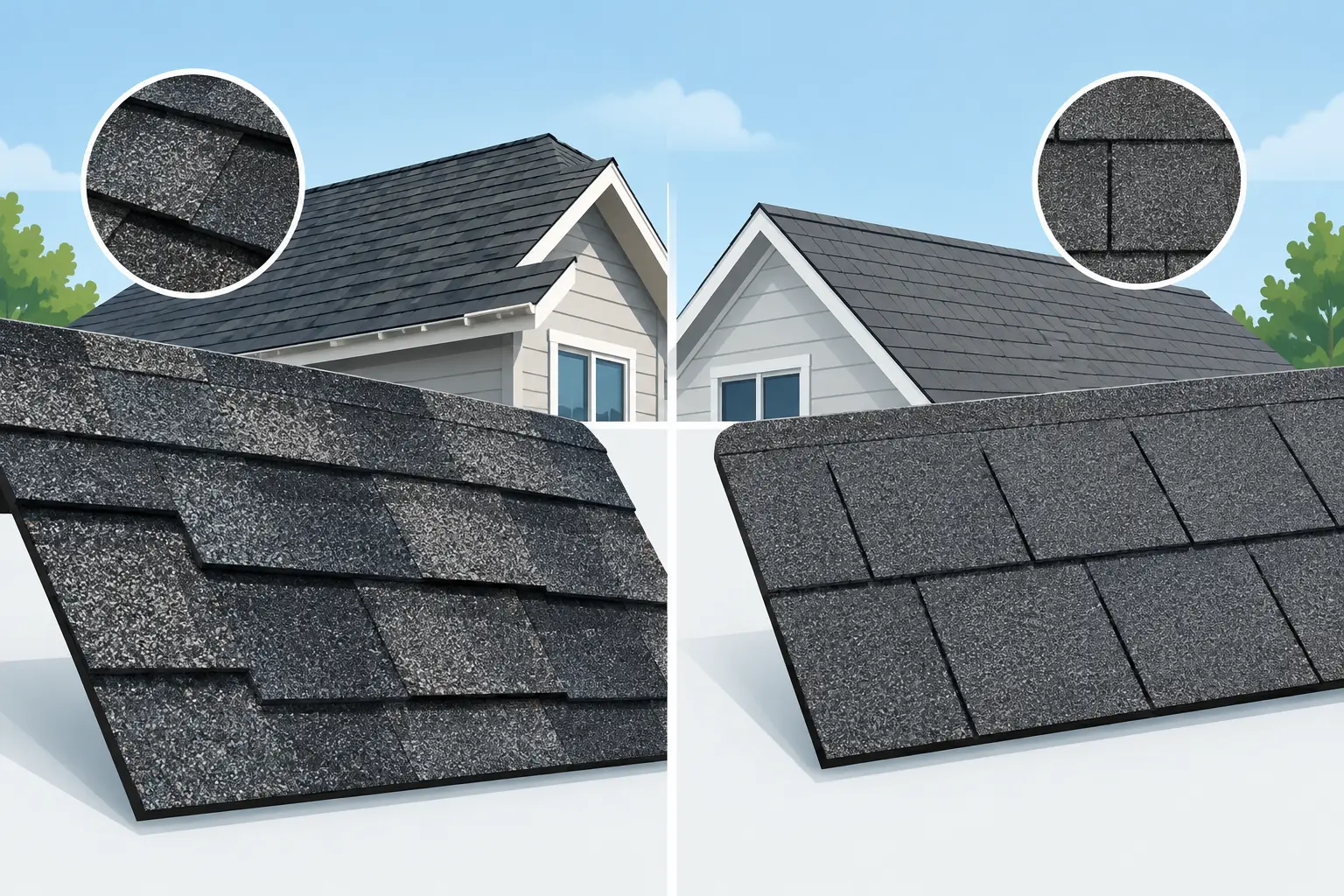
Asphalt shingles remain the most common residential roofing material because they provide dependable protection, a broad range of styles, and a manageable upfront cost. Modern architectural shingles can create a dimensional appearance and are available in colors that complement traditional homes, newer construction, and multi-unit properties.
Metal roofing is typically chosen for longevity, weather resistance, and a more distinctive appearance. Standing seam panels, metal shingles, and exposed-fastener systems each have different performance characteristics and price points. For most homes, standing seam metal is the premium residential option because its concealed fastening system reduces potential leak points and provides a clean finish.
The material itself matters, but workmanship matters just as much. A poorly installed metal roof can have noise, condensation, fastening, or flashing problems. An incorrectly installed shingle roof can lose wind resistance, develop leaks at penetrations, or fail prematurely around valleys and eaves. The contractor’s training, safety practices, site supervision, and attention to manufacturer requirements should be part of the decision.
Upfront Cost and Long-Term Value
Asphalt shingles generally cost less to install than metal roofing. This makes shingles a practical fit for homeowners who need a quality roof replacement within a defined budget, are preparing to sell, or have a property where a premium material may not produce a meaningful return.
Metal roofing usually requires a higher initial investment. Material costs are higher, installation is more specialized, and details around chimneys, skylights, valleys, wall transitions, and ventilation require careful execution. Complex rooflines can increase the price further because metal panels must be accurately measured, formed, and finished.
However, upfront cost is only one part of value. A properly installed architectural shingle roof may provide decades of service, depending on the product, ventilation, weather exposure, and maintenance. A quality metal roof may last substantially longer and can reduce the frequency of future replacement. For a homeowner planning to remain in the property for many years, the longer service life may justify the added initial cost.
Warranty language should also be read carefully. Manufacturer warranties can be valuable, but they do not replace correct installation or regular maintenance. Ask what is covered, what exclusions apply, and whether the contractor provides a clear workmanship warranty in addition to product coverage.
Winter Weather, Wind, and Water Management
Toronto roofs face freeze-thaw cycles, wind-driven rain, ice buildup, heavy snow, and rapid temperature changes. Both asphalt shingles and metal can perform well in these conditions when the roof system is designed correctly.
Asphalt shingles rely on overlapping layers to shed water. They are effective on properly sloped roofs and are well suited to homes with valleys, dormers, and more detailed roof layouts. Ice and water protection at eaves, valleys, and other vulnerable areas is especially important in cold climates. Proper attic insulation and ventilation also help reduce uneven snow melt that can contribute to ice dams.
Metal roofing sheds snow and water efficiently because of its smooth surface. That can be a benefit, but it also requires planning. Snow can release suddenly from a metal roof, creating a hazard near walkways, entrances, driveways, lower roof sections, and landscaping. Snow retention systems may be needed to control sliding snow in the right locations.
Wind resistance depends on the specific product and the installation method, not just the material category. High-quality architectural shingles can offer strong wind ratings when installed with the correct nailing pattern and compatible components. Standing seam metal systems can also provide excellent wind performance, provided panel clips, fasteners, trims, and perimeter details are installed to specification.
Appearance and Architectural Fit
Asphalt shingles offer flexibility. They suit many homes because they can be selected in subtle neutrals, high-contrast blends, and textured profiles. For a traditional detached home, asphalt shingles often deliver a balanced appearance without overwhelming the exterior design.
Metal roofing can make a stronger architectural statement. It works particularly well on contemporary homes, cottages, low-slope additions, and properties with clean, simple roof lines. Metal is also available in profiles that imitate slate, shake, or tile, although those systems differ from standing seam roofing in cost and installation approach.
A roof should work with the building, not compete with it. Before choosing a color or profile, consider siding, brick, eaves, trim, window color, and nearby structures. A qualified on-site consultation can also identify practical concerns that may not be obvious from product samples, such as drainage patterns, difficult transitions, or rooftop equipment.
Maintenance and Repair Considerations
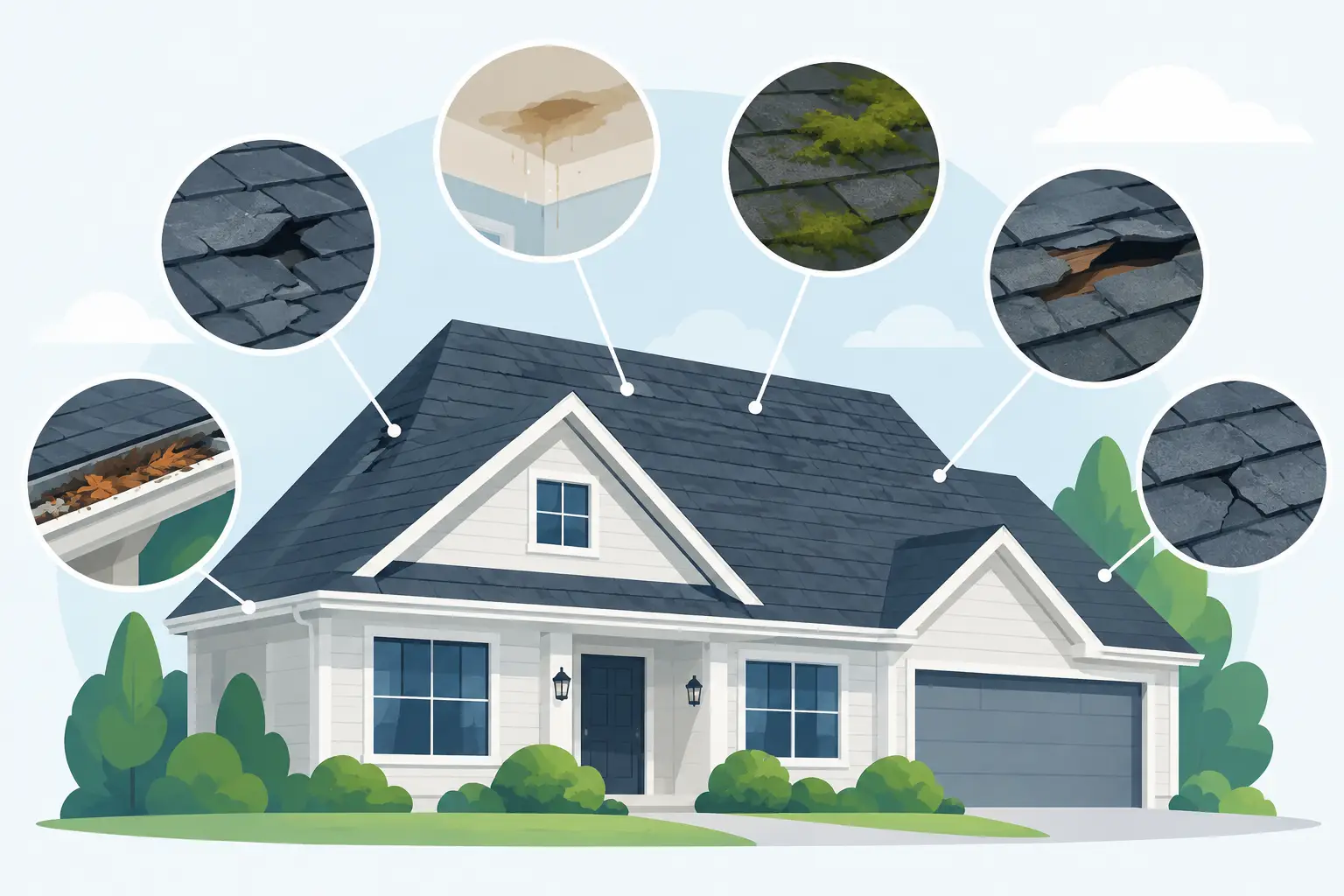
No roof is maintenance-free. Asphalt shingle roofs should be inspected for lifted tabs, granule loss, damaged flashing, cracked sealant, blocked gutters, and wear around vents or chimneys. Timely repairs can prevent a minor issue from becoming deck damage or an interior leak.
Metal roofing requires inspections as well, especially after severe weather. Depending on the system, maintenance may involve checking fasteners, sealants, flashing details, panel movement, coatings, and penetrations. Exposed-fastener panels generally need more periodic attention than standing seam systems because their screws and washers are visible and directly exposed to weather.
Repair work is another practical difference. Replacing damaged asphalt shingles is often straightforward when matching material is available. Metal roof repairs can be more technical, particularly when a panel runs continuously from ridge to eave or when matching an older finish is difficult. This does not make metal a poor choice, but it reinforces the need for experienced installation from the beginning.
Energy Performance and Attic Conditions
Metal roofing is often associated with energy savings because reflective finishes can reduce heat absorption. That benefit can be real, especially on buildings with significant sun exposure, but it should not be overstated. Attic insulation, ventilation, air sealing, roof color, and the overall building envelope all influence energy performance.
Asphalt shingles can also perform effectively when paired with proper attic ventilation and insulation. A dark shingle roof may absorb more heat than a light-colored metal roof, but a poorly ventilated attic can create moisture and heat issues under either material.
Before replacing a roof, inspect the attic condition. Signs such as mold, frost on nails, damp insulation, excessive heat, or recurring ice dams may point to ventilation or insulation deficiencies that a new roof alone will not solve. Addressing those conditions during replacement protects the investment in either roofing material.
When Asphalt Shingles Are the Better Choice
Asphalt shingles are often the right answer when the priority is reliable protection at a lower initial cost. They are also well suited to detailed rooflines, conventional residential architecture, and projects where easy future repairs are a major consideration.
For many homeowners, a professionally installed architectural shingle system provides the right balance of appearance, warranty coverage, weather performance, and budget control. The key is to avoid treating shingles as a basic commodity. Product grade, underlayment, ventilation, flashing, and installer certification all affect the finished roof.
When Metal Roofing Is Worth the Investment
Metal roofing is often worth considering when long service life, low replacement frequency, and premium appearance are priorities. It can be an especially strong option for owners planning to stay in their home long term, as well as for properties with straightforward roof geometry that suits panel installation.
It may also make sense where snow shedding, wind resistance, and durable finishes are important, provided the roof includes appropriate snow retention and carefully designed flashing details. Metal is not automatically better for every property, but it can be the better long-term system when the budget and building conditions support it.
The best roofing decision begins with an honest assessment of the existing roof, attic, drainage, and building details. A detailed estimate should explain the materials being proposed, the scope of tear-off or preparation work, ventilation requirements, flashing upgrades, warranty coverage, and any conditions that could affect the final installation. That level of planning gives your new roof the best chance to protect the property for years to come.