A small ceiling stain can become a damaged insulation layer, mold issue, and interior repair bill faster than most property owners expect. The question, “when should a roof be replaced,” is not answered by age alone. It comes down to the roof system’s condition, the extent of any water intrusion, the quality of prior work, and whether repairs still provide dependable protection.
For homeowners and property managers, the right decision is rarely to replace a roof at the first missing shingle or minor leak. A targeted repair may be the responsible and cost-effective option. But waiting too long after widespread deterioration can put the building structure, interior finishes, and warranty coverage at risk.
When Should a Roof Be Replaced Instead of Repaired?
Replacement is generally the better choice when damage is widespread, the roof is at the end of its expected service life, or repeated repairs are no longer solving the underlying problem. The goal is not simply to stop the current leak. It is to install a roof system that can protect the property reliably through changing temperatures, wind, rain, snow, and ice.
A professional inspection should assess more than the visible roof surface. Flashing, valleys, roof penetrations, ventilation, decking, drainage, and attic conditions all affect whether a repair is practical. A roof can look acceptable from the ground while water is entering around a chimney, skylight, vent pipe, or wall transition.
For a localized issue on a relatively new roof, repair is often appropriate. For example, a few wind-damaged shingles, a small flashing failure, or a limited section of membrane damage may be corrected without replacing the full roof. The decision changes when the same type of failure appears across multiple areas, materials are brittle or worn out, or repairs have become a recurring expense.
Warning Signs That Point to Roof Replacement
Shingles are curling, cracking, or losing granules
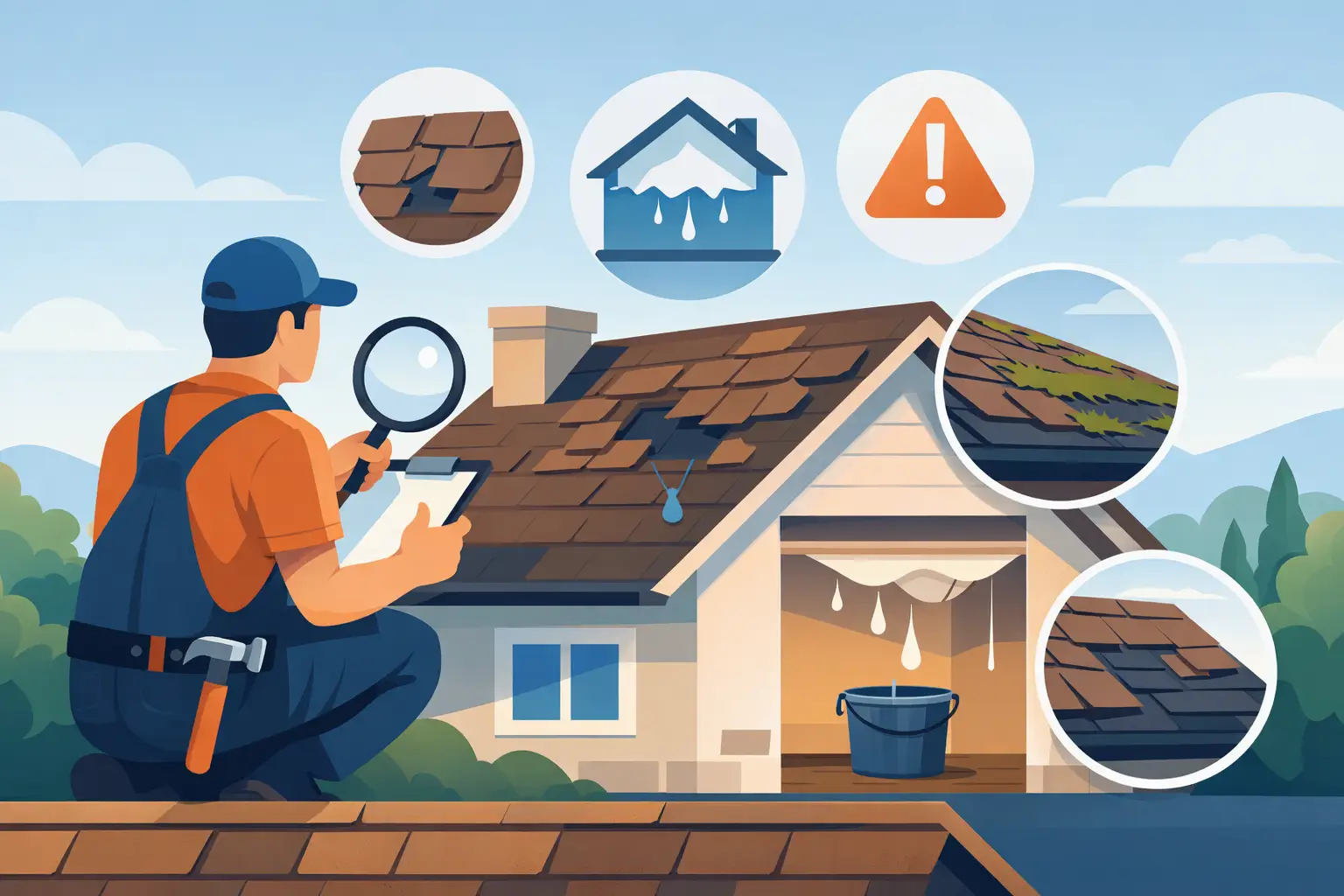
Asphalt shingles protect a roof through layered materials and embedded granules. When shingles curl at the edges, crack, become brittle, or shed large amounts of granules, they are losing their ability to handle weather exposure. Granules found in gutters are common on aging roofs, but excessive loss can signal that the shingles are nearing the end of their useful life.
A few affected shingles do not automatically require replacement. Broad areas of deterioration do. Matching new shingles to older, faded materials can also be difficult, and patching a roof with widespread wear may only delay a more necessary project.
Leaks keep returning
One leak does not always mean the roof has failed. A repair may solve a single flashing defect or storm-related opening. However, repeated leaks in different locations are a serious warning sign. So are repairs that stop a leak briefly but fail after the next period of heavy rain or snow melt.
Water does not always enter directly above the stain it creates indoors. It can travel along roof decking, framing, insulation, or wiring before becoming visible. That is why a thorough on-site assessment matters. The visible symptom is only one part of the diagnosis.
The roof deck is soft, sagging, or deteriorated
Soft spots underfoot, a sagging roofline, or visibly uneven roof planes require prompt professional attention. These conditions can indicate moisture-damaged decking, structural concerns, or long-term water infiltration beneath the roofing material.
Replacement work may include removing the existing roof covering and replacing compromised decking before the new system is installed. Covering damaged substrate with new materials is not a proper repair and can undermine the performance of the entire roof.
Flashing and penetrations are failing
Roof leaks frequently begin where different materials meet. Chimneys, skylights, vents, plumbing stacks, valleys, and wall connections depend on properly installed flashing and sealants. If flashing is corroded, loose, improperly integrated, or repeatedly patched, water can reach the underlying structure even if the shingles themselves appear intact.
In some cases, flashing can be repaired as a standalone service. If it is failing alongside worn shingles, deteriorated underlayment, and other age-related issues, a full replacement allows these critical details to be rebuilt correctly.
Moss, algae, or moisture damage is persistent
Dark streaks from algae are often cosmetic, but moss growth deserves closer attention. Moss can hold moisture against shingles, lift their edges, and interfere with drainage. Persistent growth may also point to shaded conditions, poor airflow, or a roof surface that is no longer shedding water effectively.
Cleaning alone is not a cure for a failing roof. If moisture has already contributed to shingle damage or deck deterioration, inspection findings should determine whether repair or replacement is warranted.
How Old Is Too Old for a Roof?
Age is a useful planning tool, not a final diagnosis. Many standard asphalt shingle roofs last roughly 15 to 25 years, depending on the product, installation quality, ventilation, slope, maintenance history, and local weather exposure. Higher-grade architectural shingles may last longer, while lower-slope areas, poor attic ventilation, and repeated freeze-thaw cycles can shorten service life.
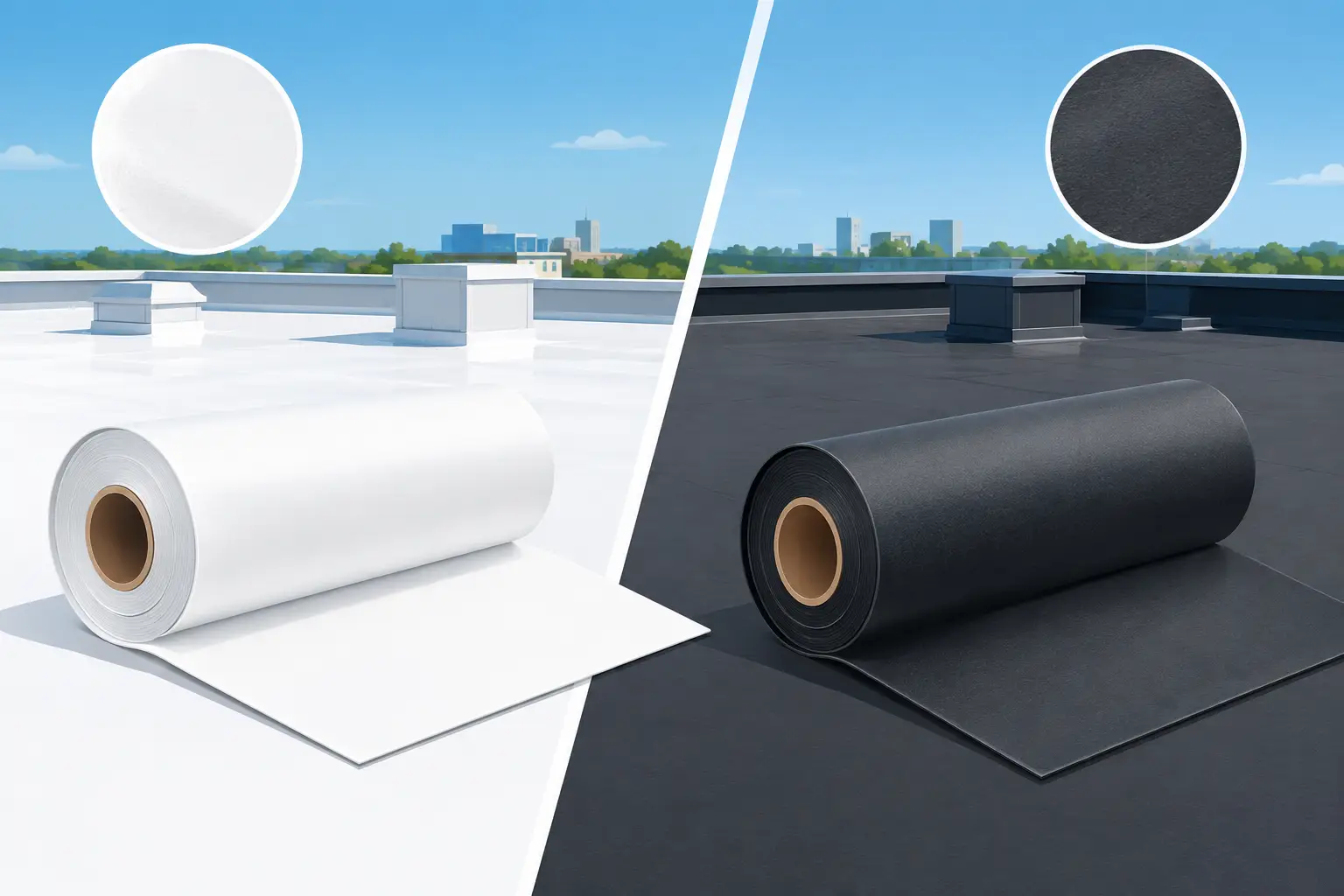
Flat and low-slope commercial roofing systems should be evaluated by their material type, seam condition, drainage performance, and maintenance record. Ponding water, membrane splits, open seams, saturated insulation, and failing perimeter details can signal that restoration or replacement should be planned.
If a roof is approaching its expected lifespan, property owners should schedule inspections before an emergency occurs. This creates time to compare material options, budget appropriately, and complete work under suitable weather conditions rather than making a rushed decision after a major leak.
Why Attic Ventilation Changes the Answer
A roof system does not work in isolation. Inadequate attic ventilation can trap heat and moisture, contributing to premature shingle aging, condensation, mold, and ice dam formation. In winter, warm air escaping into the attic can melt snow on the upper roof surface. The runoff can refreeze near colder eaves, creating ice dams that force water beneath shingles.
During a replacement, ventilation should be reviewed along with insulation, intake and exhaust balance, and the condition of roof penetrations. Installing premium shingles without correcting a serious ventilation issue may shorten the new roof’s service life. Good workmanship means addressing the full system, not only the visible roof covering.
What to Expect From a Professional Roof Assessment
A reliable assessment should explain the roof’s condition in clear terms and distinguish urgent needs from items that can be monitored. It should identify active leaks, material wear, flashing problems, drainage concerns, and visible signs of deck damage. For commercial properties, the assessment should also consider roof access, safety requirements, drainage paths, and how work can be scheduled with minimal disruption to occupants.
Ask for a detailed written estimate that defines the scope of work, materials, removal requirements, flashing details, ventilation recommendations, cleanup, and warranty information. A low price without a clear scope can omit essential components that affect long-term performance.
In Toronto and surrounding communities, roofs face hard seasonal shifts. Working at Heights compliance, trained installers, careful site protection, and manufacturer-approved installation methods are not extras. They are part of completing a replacement safely and protecting the value of the investment.
Plan Replacement Before a Leak Becomes an Emergency
The best time to replace a roof is often before it fails inside the building. If your roof is aging, showing widespread wear, or requiring repeated repairs, arrange an on-site inspection and get a clear recommendation based on evidence. A properly planned replacement gives you the time to choose the right materials, verify workmanship standards, and protect your home or commercial property with confidence.