A ceiling stain that appears after a storm is not just a cosmetic issue. It is evidence that water has found a path through the roof system, and that path can widen with the next rainfall, thaw, or wind event. So, can roof repairs wait? Sometimes a short, planned delay is reasonable. But when moisture is entering the building or roofing materials are exposed, waiting often turns a manageable repair into a larger restoration project.
The right decision depends on the condition of the roof, the type of damage, the weather forecast, and whether the issue affects the structure or interior. A trained roofer should assess the cause before anyone assumes a loose shingle or small leak is minor.
When Roof Repairs Cannot Wait
Roof damage becomes urgent when it allows water into the building, creates a safety concern, or leaves the roof vulnerable to rapid deterioration. Water rarely travels straight down from the visible stain. It can move along roof decking, rafters, insulation, or mechanical penetrations before showing up indoors. By the time a homeowner sees discoloration on drywall, moisture may already be affecting materials above the ceiling.
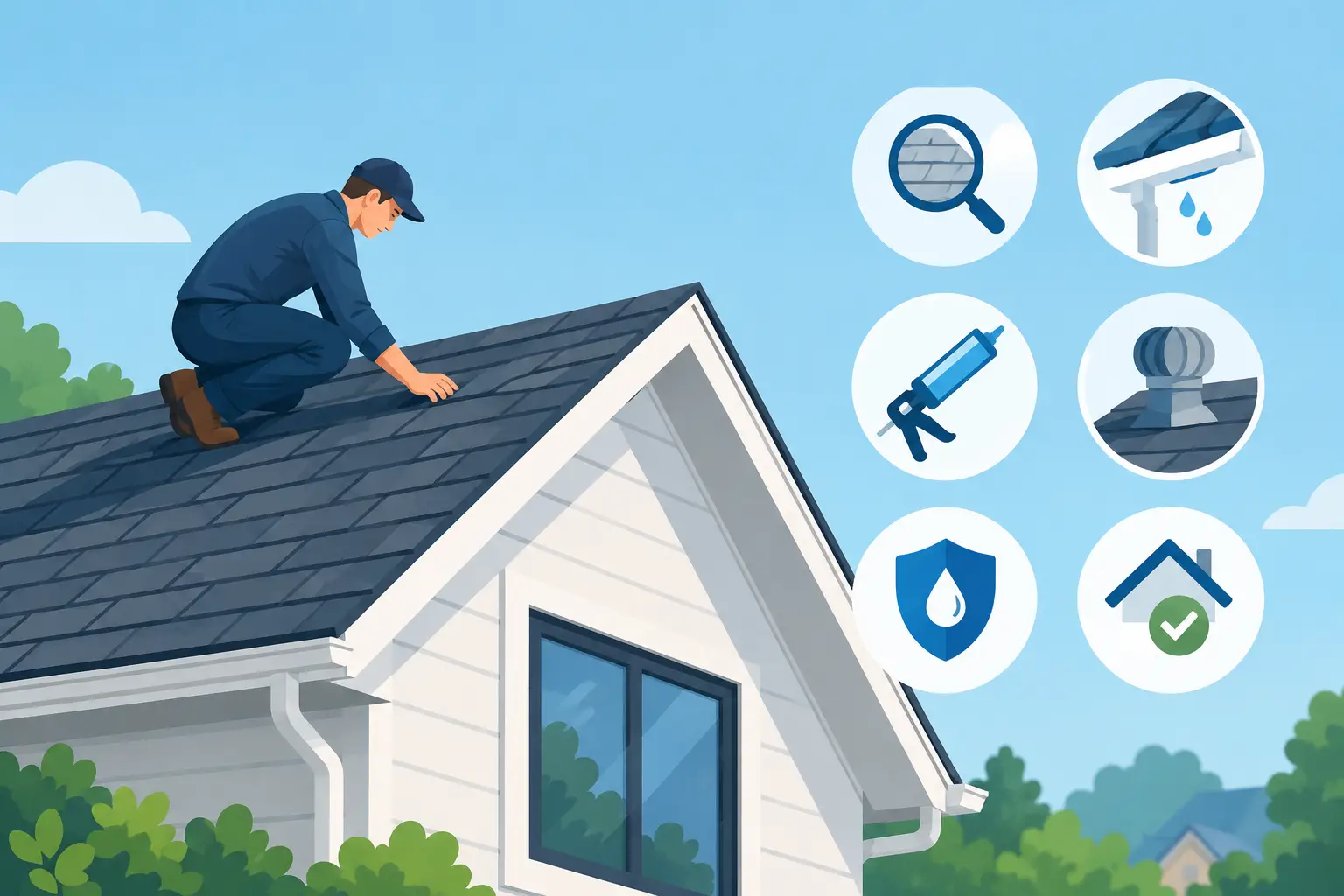
Arrange prompt professional service if you notice active dripping, wet insulation, sagging drywall, missing shingles after high winds, or exposed roof decking. The same applies to damaged flashing around chimneys, skylights, vents, and wall connections. These transition points are designed to direct water away from vulnerable openings. Once flashing lifts, cracks, or separates, the roof can leak even when the field shingles still look intact.
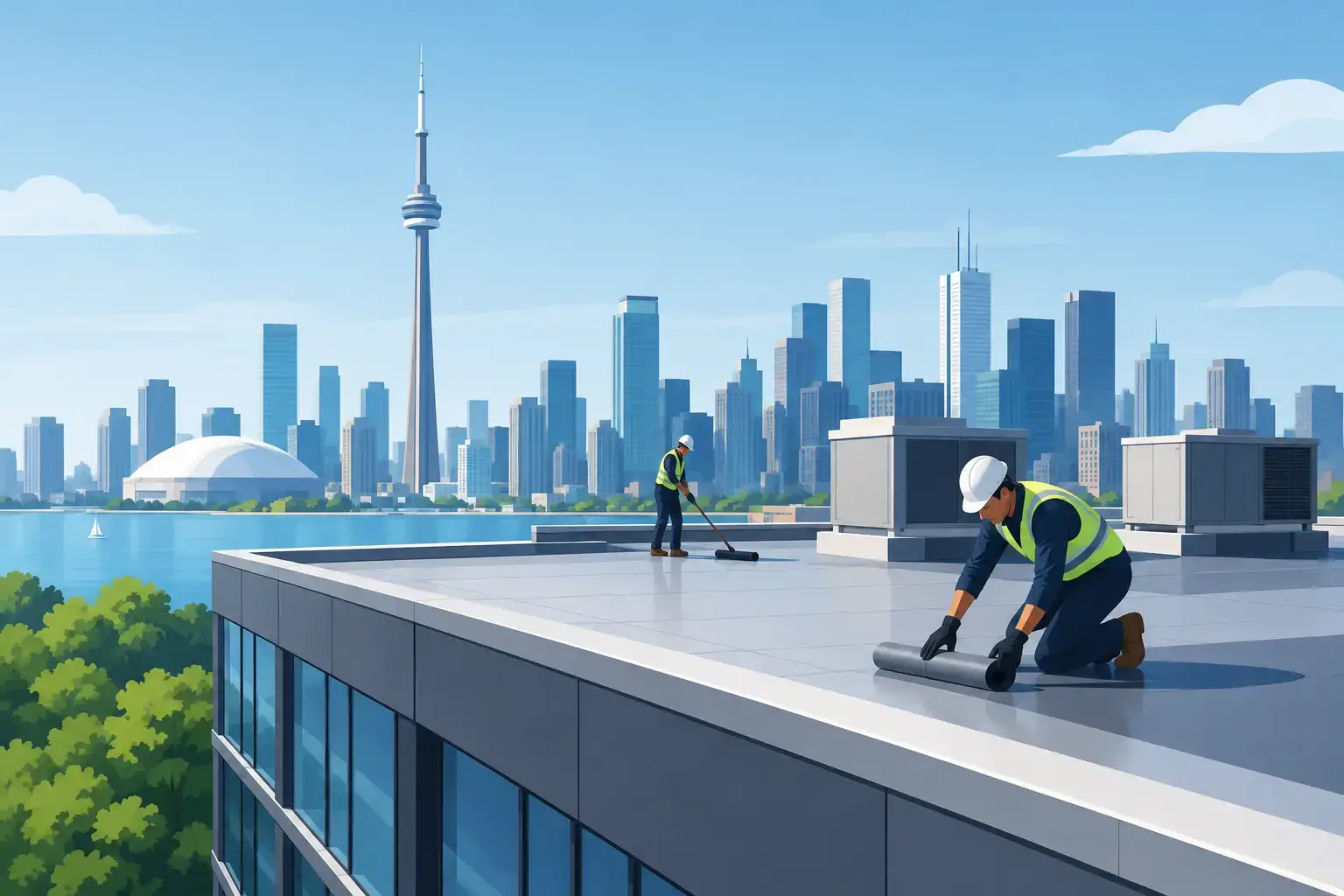
For commercial properties, standing water on a low-slope roof, open seams, punctured membrane, or blocked drains should be treated as a priority. Ponding water adds weight and accelerates membrane wear. A small breach can also disrupt operations, damage inventory, and create liability concerns inside the building.
The following conditions should not be left until a more convenient season:
- Active water intrusion, ceiling staining that is spreading, or a persistent musty odor
- Missing, lifted, cracked, or blown-off shingles that expose underlayment or decking
- A sagging roof area, soft spots, visible rot, or loose material that could fall
- Damaged flashing, open seams, punctures, or drainage failures on a flat or low-slope roof
A temporary tarp or emergency patch may limit immediate exposure, but it is not a permanent repair. It should be followed by a professional inspection and a documented scope of work.
Can Roof Repairs Wait for a Short Time?
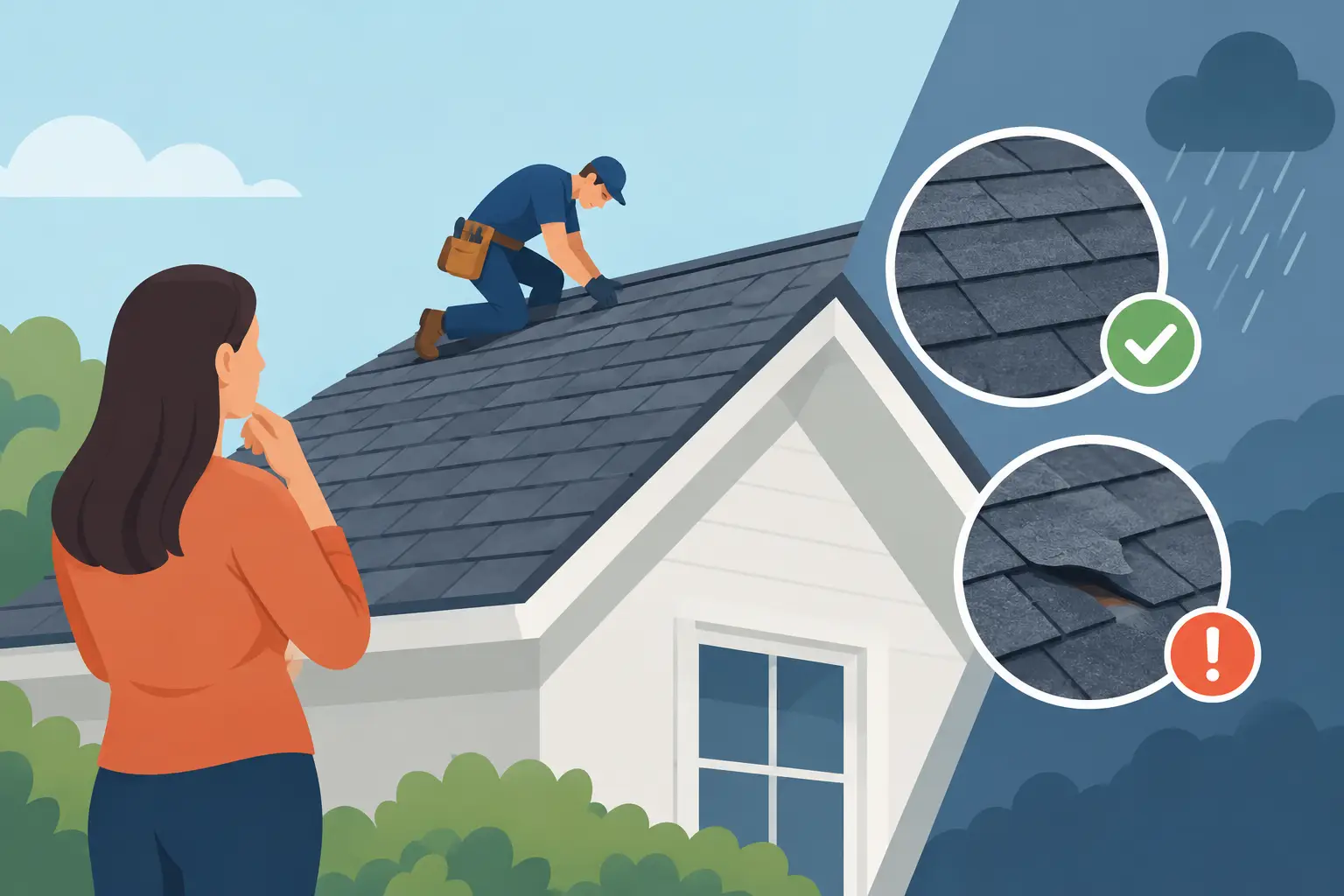
Some repairs can wait briefly when the roof remains watertight and the damage is contained. For example, a few granules in a gutter, a single cracked shingle that has not exposed the underlayment, or minor cosmetic wear may be monitored until weather conditions are suitable for repair. The key word is monitored. A property owner should know exactly what is being watched, what conditions could worsen it, and when it will be repaired.
A planned delay can also make sense when temperatures, rain, snow, or unsafe wind conditions would compromise workmanship. Roofing materials need proper installation conditions. Rushing a repair during unsafe weather can create a poor seal, damage surrounding materials, or put workers at risk. Working at Heights requirements are not optional, and a responsible contractor will not trade safety for speed.
That said, a short delay should be an informed decision, not a guess based on how the roof looks from the ground. Shingles can conceal deteriorated decking, failed underlayment, and moisture around penetrations. An on-site inspection identifies whether the issue is cosmetic, repairable, or part of a larger roof-system failure.
Why Small Leaks Become Expensive Repairs
Roofing systems work in layers. Shingles or membrane form the outer weather surface, while underlayment, flashing, ventilation, decking, insulation, and drainage details all support the roof’s performance. When water gets past one layer, it can damage the next before there is any visible sign indoors.
Wet wood decking can soften and rot. Damp insulation loses effectiveness and may need replacement. Moisture can support mold growth, stain ceilings, corrode fasteners, and affect electrical fixtures if the leak reaches wiring. On commercial roofs, trapped moisture beneath a membrane can spread beyond the original opening and make repairs more extensive.
Winter and freeze-thaw cycles make delay especially risky in the Toronto area. Water entering a small crack can freeze, expand, and widen the opening. Ice buildup at roof edges can also force water beneath shingles. A roof that appeared manageable in the fall may leak substantially after repeated freezing and thawing.
The lower immediate repair cost is not always the lower total cost. Addressing a localized defect early often protects the roof deck, interior finishes, and warranty coverage. Waiting may mean paying for roofing, carpentry, insulation, drywall, painting, and cleanup instead of one targeted repair.
What to Do Before a Roofer Arrives
If water is entering the building, protect people and interior contents first. Move furniture, electronics, and stored materials away from the affected area. Place containers under drips if it is safe to do so, and photograph visible damage for your records. If water is near light fixtures or electrical equipment, turn off power to the affected area only if you can do so safely, then contact a qualified professional.
Avoid climbing onto the roof to investigate. Wet shingles, frost, loose granules, and steep slopes create serious fall hazards. Walking on compromised roofing can also break more materials or drive water into openings. A ground-level visual check with binoculars may help identify obvious missing shingles or debris, but it does not replace a roof inspection.
Property managers should document the date, weather conditions, location of the leak, and any actions taken. This information helps a roofing contractor trace the source and recommend the correct repair. It also supports maintenance records for commercial assets and can be useful during warranty or insurance discussions.
Repair, Maintenance, or Replacement?
Not every roof issue requires replacement. A well-executed repair is often the right choice when the roof is otherwise in sound condition, the damage is localized, and compatible materials are available. Replacing damaged shingles, resealing a flashing detail, repairing a membrane seam, or correcting a drainage issue can restore protection without replacing the entire system.
Replacement becomes more practical when repairs are repeatedly needed, materials are near the end of their service life, leaks are occurring in multiple areas, or the deck and underlayment show widespread deterioration. The decision should be based on a roof assessment, not a blanket recommendation. A detailed estimate should explain the condition found, the proposed work, the materials to be used, and whether hidden damage could affect the scope after removal of roofing materials.
Regular maintenance helps prevent the emergency decision altogether. Clearing drainage paths, checking flashings, removing roof debris, and inspecting after major storms can reveal small defects before they affect the building interior. For commercial properties, scheduled maintenance also supports budget planning and helps extend the useful life of the existing roof system.
Choose Accountability Over a Quick Patch
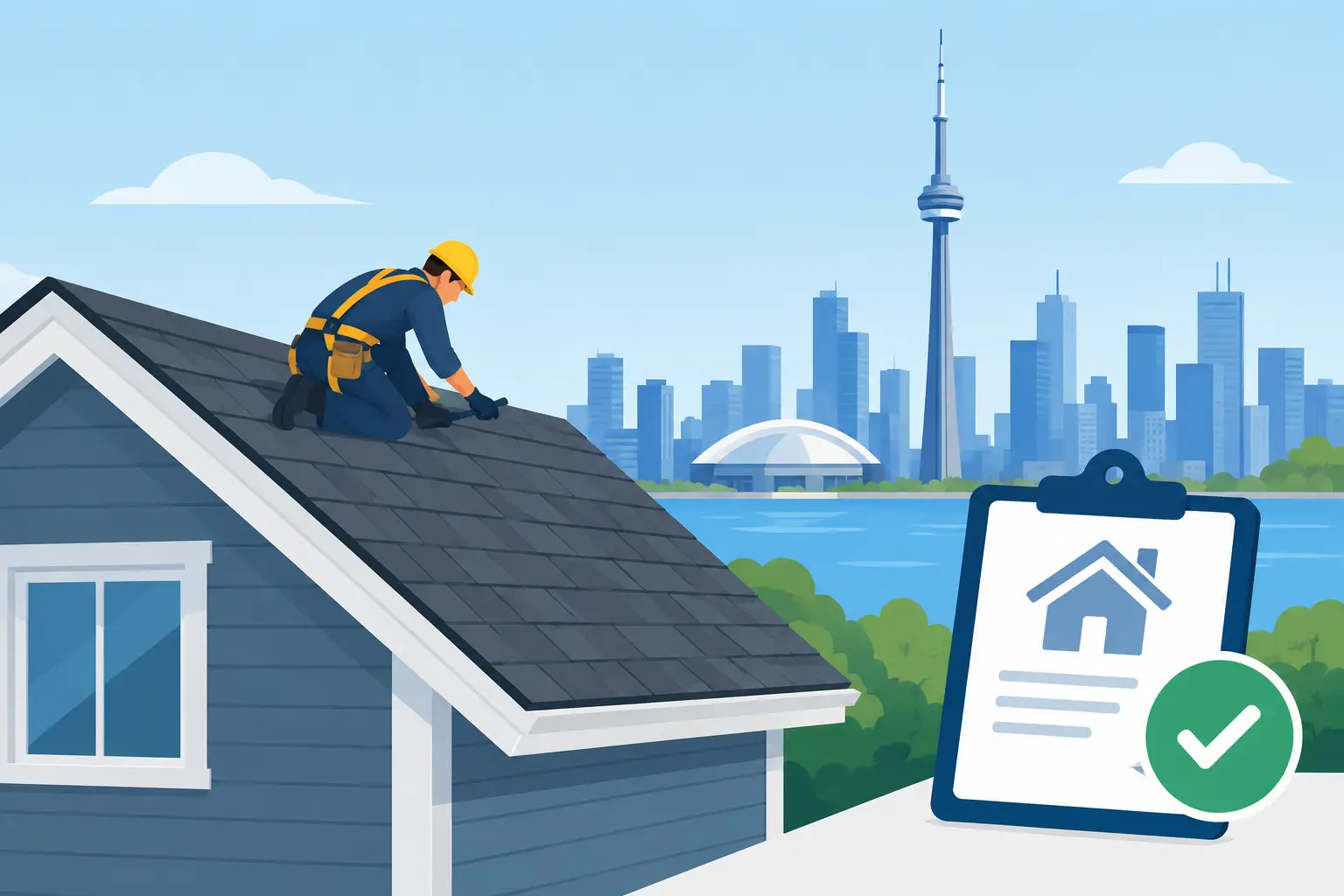
A roof repair should address the source of the problem, not merely cover the visible symptom. That requires trained installers, safe work practices, proper materials, and direct accountability for the work completed. Toronto Roofers provides on-site roof assessments and detailed repair recommendations for residential and commercial property owners who need a clear answer about urgency, scope, and next steps.
If you are unsure whether a roof repair can wait, treat uncertainty as a reason to schedule an inspection. A timely professional opinion can give you permission to monitor a minor issue or help you act before a small opening becomes damage throughout the building.