
A roofing warranty can look reassuring on a proposal, yet its real value depends on the details behind the headline. Knowing how to compare roofing warranties helps homeowners and property managers avoid paying for protection that may not apply when they need it most. The key is to compare the entire roof system, the installer’s obligations, and the conditions that could limit a claim.
A roof is not one product. Shingles or membrane, underlayment, flashing, ventilation, fasteners, and installation practices all affect service life. A warranty that covers one component but excludes the cause of a failure is not the same as complete protection.
Start by Separating Manufacturer and Workmanship Warranties
Most roofing proposals include two distinct warranties. They serve different purposes, and both matter.
A manufacturer warranty generally addresses defects in the roofing materials. If a shingle has a manufacturing defect, for example, the manufacturer may provide replacement materials or a defined level of compensation. This warranty does not usually cover problems caused by poor installation, inadequate ventilation, storm damage, building movement, or lack of maintenance.
A workmanship warranty comes from the roofing contractor. It covers installation-related issues within the stated term, such as a leak caused by improperly installed flashing or incorrectly secured shingles. Its value depends on the contractor’s training, operating history, responsiveness, and willingness to stand behind the work. A lengthy workmanship term is meaningful only when the company has the qualifications and accountability to honor it.
Ask each contractor to identify these warranties separately in writing. Do not accept a broad statement such as “lifetime warranty” without knowing whether it refers to materials, labor, or both.
How to Compare Roofing Warranties Line by Line
Set the proposals side by side and compare the actual warranty documents, not just the sales description. The following points will show where the protection differs.
1. Confirm exactly what is covered
Read the coverage language carefully. Does the manufacturer cover shingles or membrane only? Does it include accessories such as starter material, ridge caps, underlayment, ice and water protection, flashing, or ventilation products? A roof system warranty may offer broader protection than a basic material warranty, but only when qualifying components are installed as required.
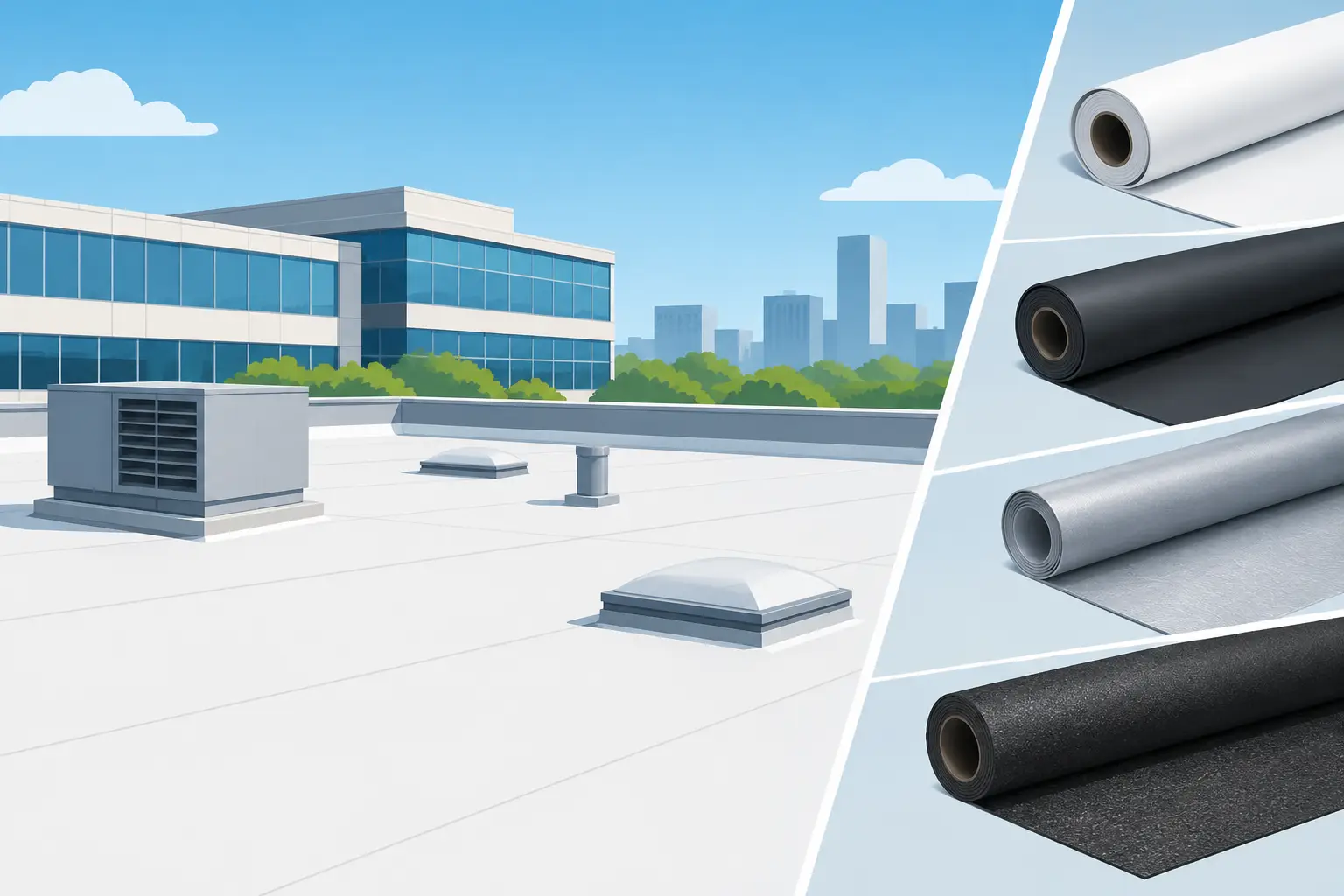
For commercial roofs, clarify whether the warranty covers membrane seams, penetrations, drainage details, and approved repair work. Commercial warranty coverage is often more dependent on system design, substrate condition, insulation, and documented inspections.
Also check whether labor is included. Many standard manufacturer warranties provide materials only, leaving the owner to pay removal, disposal, delivery, and installation costs. Enhanced warranties may include a labor allowance for a limited period, but the duration and payment cap can vary substantially.
2. Compare the warranty term, then read the proration schedule
“Lifetime” does not always mean full replacement coverage for the life of the building or owner. In asphalt shingle warranties, the initial non-prorated period is often the most valuable part. During that period, qualifying material defects may receive fuller coverage. Afterward, compensation may decrease each year according to a formula.
For example, two products may both use lifetime language, but one may offer 10 years of non-prorated coverage while another offers 50 years. Those are very different commitments. Ask for the full warranty term, the non-prorated period, and an example of what the manufacturer would pay if a claim were approved in year 15 or year 25.
A longer warranty is not automatically the better choice. The right comparison considers product quality, system design, installer qualifications, exclusions, and the expected ownership period for the property.
3. Identify exclusions before there is a problem
Exclusions are where many owners discover the limits of their coverage. Common exclusions include wind-driven rain, ice damming, hail, fallen trees, fire, improper attic ventilation, condensation, structural movement, ponding water, and damage from unauthorized roof traffic.
Some exclusions are reasonable because they involve external events or building conditions beyond the roof material itself. Still, they should influence how the roof is designed and maintained. In the Greater Toronto area, snow, freeze-thaw cycles, wind, and ice management place real demands on roofing systems. Proper ventilation, drainage, flashing, and ice protection are practical risk controls, not optional extras.
Ask the contractor which exclusions are most relevant to your building and what construction details they recommend to reduce those risks. A qualified contractor should be able to explain this clearly without overstating what any warranty can guarantee.
4. Check the installation requirements
Many upgraded manufacturer warranties are available only through certified contractors and only when the complete approved system is installed. That can include specific underlayment, starter strips, ridge products, ventilation components, and application methods.
This is why the lowest proposal can be difficult to compare fairly. One contractor may price a basic material warranty with fewer system components, while another may quote a qualified system that supports enhanced coverage. Compare the scope of work, not the warranty label alone.
Request confirmation that the installer is authorized to provide the stated warranty. Verify that the warranty product name, registration process, and installation requirements appear in the contract. Credentials, formal training, Working at Heights compliance, and manufacturer certification are all relevant because installation quality determines whether warranty protection remains available.
5. Understand registration, transfer, and claim rules
A warranty can be weakened by missed paperwork. Some enhanced warranties must be registered within a set time after installation, often by the contractor, homeowner, or both. Keep the signed contract, paid invoice, product information, warranty certificate, photos, and proof of any required maintenance in one accessible file.
If you may sell the property, review transferability. A warranty may transfer once, require a fee, or require notification within a limited time after the sale. Others may lose certain coverage when ownership changes. For investment properties and commercial assets, this detail can affect resale planning and long-term operating costs.
Finally, ask how claims are handled. Who performs the initial inspection? Does the contractor assist with documentation? Who pays for diagnostic work if the issue is not covered? A clear claim process is more useful than vague assurances that a roof is “fully guaranteed.”
Use This Proposal Checklist Before Signing
When reviewing roofing estimates, make sure each contractor provides the same information in a written, itemized format:
- Manufacturer name, product line, color, and system components
- Material warranty term, non-prorated period, and labor coverage
- Contractor workmanship warranty term and what installation defects it covers
- Key exclusions, including ventilation, drainage, weather, and maintenance conditions
- Warranty registration responsibility, transfer rules, and claim procedure
If a proposal cannot answer these points, it is not ready for an apples-to-apples comparison. Price matters, but unclear scope and incomplete warranty information can create much higher costs later.
A Warranty Is Only as Good as the Roof Beneath It
The best warranty cannot correct a roof installed over damaged decking, poorly detailed around chimneys, or designed without adequate ventilation and drainage. Before work begins, the contractor should inspect the existing roof, identify visible concerns, explain the proposed system, and document what is included in the estimate.
There is also a maintenance responsibility. Keep gutters and drains clear, address loose flashing or damaged sealant promptly, and arrange inspections after major storms or when a building manager notices staining, leaks, or interior moisture. Neglect can turn a small repair into a larger problem and may complicate a future claim.
For owners choosing a contractor, direct accountability matters. An in-house, trained roofing team with manufacturer credentials is better positioned to install the specified system correctly and respond if a workmanship issue arises. Toronto Roofers approaches roofing this way: through documented scopes, trained installers, safety-focused work practices, and clear communication from estimate to completion.
Before accepting any warranty promise, ask for the documents, compare the terms, and make sure the roof system being installed actually qualifies for the protection being offered. That extra review can be the difference between a warranty that sounds good and one that supports your property when it counts.