
A ceiling stain after a hard rain is rarely the whole problem. Water can travel along roof decking, framing, insulation, or a plumbing vent before it becomes visible indoors. That is why roof repair cost factors should be assessed from the roof surface inward, not priced from a photo of the stain alone.
For homeowners, property managers, and commercial building owners, a trustworthy repair estimate should explain the cause of the leak, the work required to correct it, and any conditions that could change the scope once materials are opened. The lowest number is not always the lowest cost if it leaves deteriorated flashing, wet decking, or an active leak behind.
The Roof Repair Cost Factors Behind a Fair Quote
A repair price is built around labor, materials, safety requirements, access, and the actual extent of damage. Some problems are contained and can be corrected quickly. Others appear small from the ground but involve failed components beneath the shingles or membrane.
The purpose of an on-site inspection is to separate a localized repair from a larger system issue. A trained roofing contractor should examine the roof field, penetrations, valleys, flashing details, drainage, attic conditions when accessible, and signs of previous repair work. This process protects the property owner from paying for a patch that does not address the source of the problem.
Type and extent of roof damage
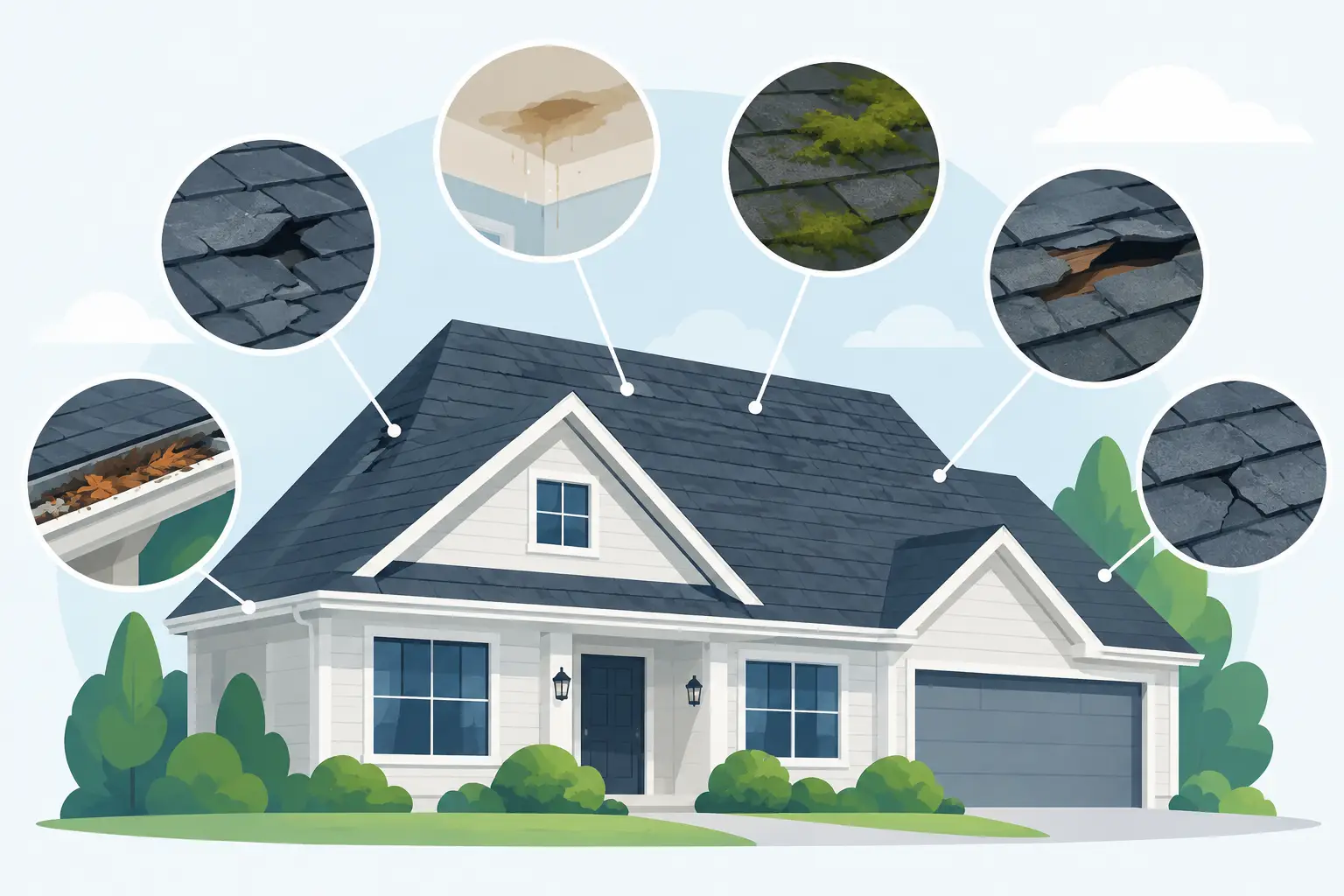
The condition being repaired is usually the largest cost driver. A few wind-lifted shingles, a cracked pipe boot, or a small area of damaged flashing may require limited materials and labor. A leak that has been active for months can lead to rotted roof decking, saturated insulation, damaged underlayment, or interior repairs beyond the roof itself.
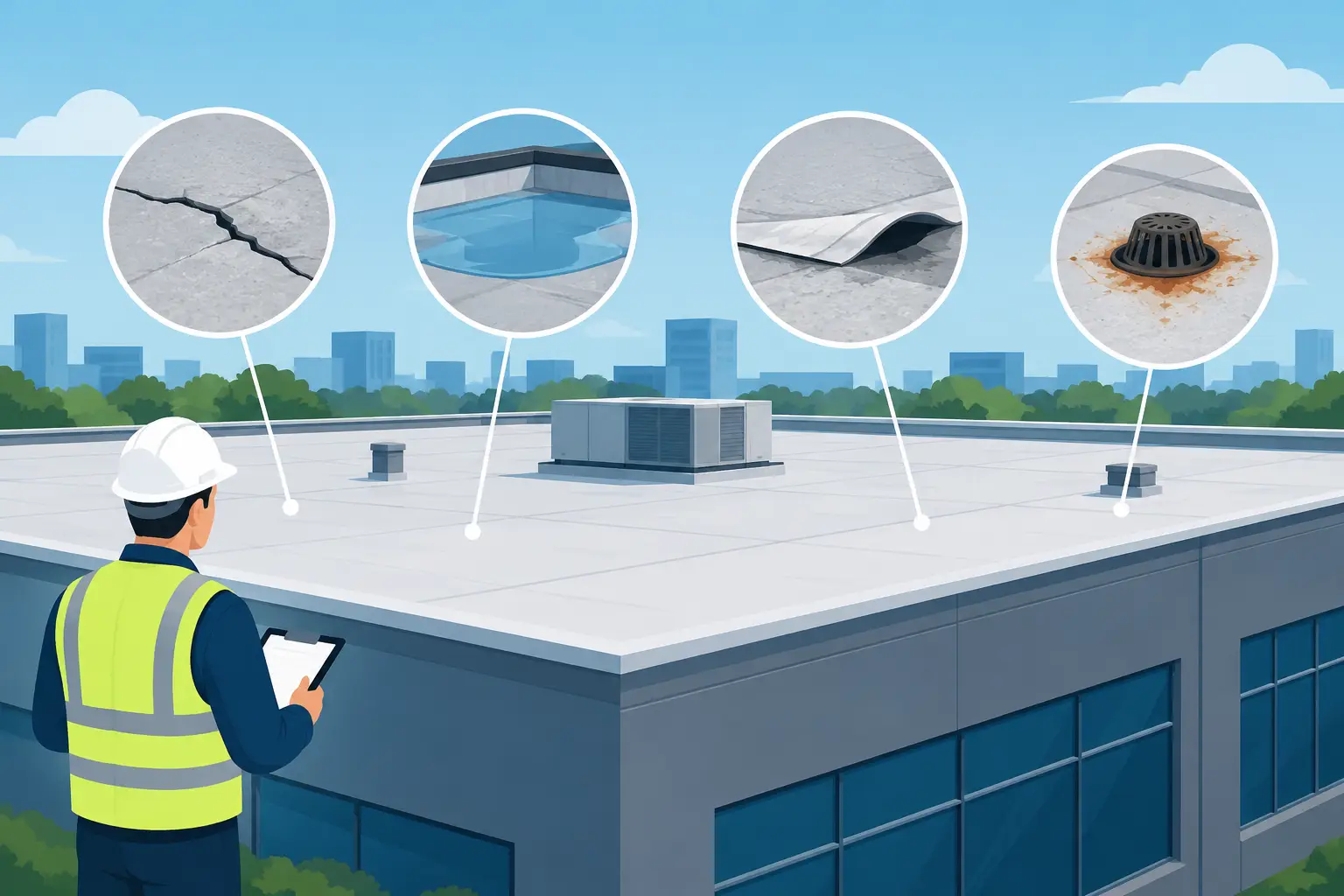
Storm damage also varies widely. Missing shingles may be obvious, but hail impact, loosened fasteners, and torn sealant can be less visible. On flat or low-slope commercial roofs, ponding water, split seams, punctures, and deteriorated perimeter details need careful assessment because each can allow moisture into the assembly.
A professional estimate should identify what is confirmed and what can only be verified after the affected area is opened. That distinction matters. It is honest to allow for concealed deck replacement when deterioration cannot be seen until old roofing materials are removed, provided the contractor explains the unit cost and approval process in advance.
Roofing material and system compatibility
The material on your roof affects both the repair method and the price. Asphalt shingles, cedar, metal, slate, tile, modified bitumen, built-up roofing, and single-ply membranes each require different tools, fastening methods, sealants, and replacement materials.
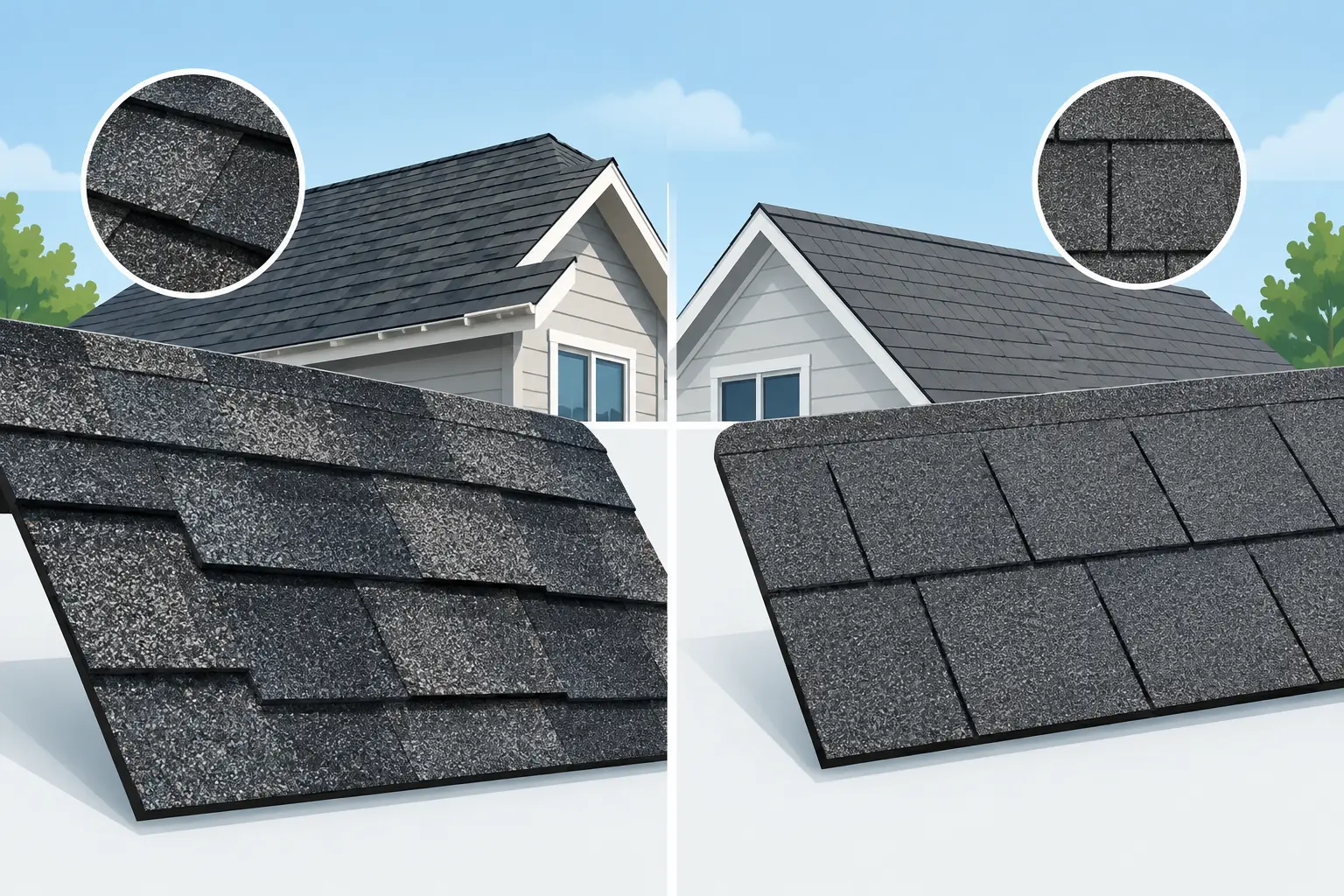
Matching matters on a residential roof. A contractor may be able to repair the waterproofing function with available shingles, but an exact color or profile match can be difficult if the existing product is discontinued or heavily weathered. A good contractor will explain that difference before work starts rather than promise an invisible repair that is not realistic.
On commercial roofs, compatibility is even more critical. Applying the wrong coating, adhesive, or patch material to a membrane can shorten its service life or affect warranty coverage. The repair should suit the existing roof system, not simply be the fastest material available.
Roof size, slope, and accessibility
A repair in the middle of a low-slope roof is very different from one at a steep second-story valley. Roof pitch affects the time required to move safely, stage materials, and complete the work correctly. Steep roofs, complex angles, multiple stories, and limited access typically increase labor and safety planning.
Toronto-area properties also present access challenges that are easy to overlook. Narrow side yards, attached homes, landscaped areas, overhead lines, and restricted commercial loading areas can affect how materials and equipment are brought to the work zone. In some cases, special protection, lift equipment, or traffic coordination may be necessary.
Safety is not an optional add-on. Working at Heights procedures, fall protection, proper ladder setup, and site control are part of responsible roofing work. A quote that appears unusually low may be missing the labor and safeguards needed to perform the repair properly.
Flashing, penetrations, and roof details
Many leaks do not begin in the open field of the roof. They occur where the roof changes direction or meets another material: chimneys, skylights, walls, valleys, vents, drains, and HVAC curbs. These details often take more skill and time than replacing a few shingles.
For example, a chimney leak may require removal of surrounding shingles, replacement of step flashing, repair of counterflashing, and installation of new underlayment before the roof covering is restored. Caulking over the visible gap may stop water briefly, but it does not replace a failed flashing assembly.
The same principle applies to plumbing vents and skylights. Replacing a cracked boot may be straightforward, while correcting an improperly integrated flashing system can require a larger repair area. The estimate should describe the detail being rebuilt and the materials that will be used.
When Hidden Damage Changes the Repair Scope
Water does not always stay where it enters. By the time a leak stains drywall, it may have affected decking or insulation several feet away. This is why responsible roof repair estimates sometimes include a contingency for concealed conditions.
Decking replacement is a common example. Roofing materials cannot be securely installed over soft, delaminated, or rotted wood. If a contractor finds compromised decking during the repair, replacing that section is necessary for fastening strength and long-term performance. Skipping it can lead to future leaks, shingle movement, and avoidable callbacks.
Ventilation can also influence the cost and durability of a repair. Excess attic heat and moisture can age shingles prematurely, contribute to condensation, and weaken roof components. Ventilation corrections may not be required for every repair, but they should be discussed when attic conditions point to a broader moisture problem.
For commercial properties, wet insulation beneath a membrane can be especially significant. A surface patch may stop the immediate entry point, yet trapped moisture can reduce insulation performance and cause deterioration over time. Depending on the affected area, moisture investigation and a targeted removal plan may be more appropriate than repeated surface patching.
Labor Quality, Warranty, and Long-Term Value
Roof repair is skilled work, not just material replacement. Proper diagnosis, material handling, flashing integration, fastening, weather protection, and cleanup all affect the result. The labor component of an estimate reflects the experience and accountability of the team performing that work.
Certified installers and trained in-house crews provide a clear advantage when a repair involves complex details or warranty-sensitive products. They are more likely to follow manufacturer specifications, recognize related defects, and document what was completed. That is particularly valuable for property owners who need clear records for maintenance planning, insurance discussions, or future sale documentation.
Ask what workmanship protection applies to the repair and whether the proposed materials carry a manufacturer warranty. Warranty terms differ by product and repair type. A contractor should be direct about what is covered, what pre-existing conditions are excluded, and what maintenance is needed to protect the roof going forward.
Toronto Roofers approaches repair work with direct oversight, trained installers, and detailed on-site assessments. That level of accountability is designed to identify the cause of the issue before recommending a scope of work.
How to Review a Roof Repair Estimate
A useful estimate does more than provide a final price. It gives you a workable understanding of what the contractor plans to do. Look for a written scope that identifies the repair location, damaged components, proposed materials, labor, site protection, debris removal, and any possible concealed-condition charges.
You should also know whether the price includes removal and disposal of damaged materials, replacement of underlayment, flashing work, and deck repairs if needed. If the contractor finds additional damage, ask how authorization will be handled. Clear communication before work begins prevents disputes when the roof is opened.
Be cautious with estimates that offer a single vague line such as “repair leak” without identifying the suspected source or repair method. A leak repair cannot always be guaranteed until the area is opened and tested, but the contractor should still explain the diagnostic basis for the recommendation.
Timing matters as well. Emergency temporary protection may be the right first step during active rain, freezing conditions, or when materials need to be ordered. A temporary repair should be clearly identified as temporary, with a plan for permanent correction when conditions allow.
Repair or Replacement: Making the Practical Call
Not every leak means the entire roof needs replacement. A roof with substantial remaining service life and isolated damage can often be repaired effectively. Repair is usually the sensible choice when the surrounding materials are in good condition, the issue has a clear cause, and matching materials are available.
Replacement becomes more practical when leaks recur in several areas, shingles are broadly brittle or failing, flashing details are deteriorated throughout, or the cost of repeated repairs begins to approach the value of a new system. For commercial roofs, widespread seam failure, extensive wet insulation, or chronic drainage issues may point toward restoration or replacement rather than ongoing patching.
The right decision depends on the roof’s age, condition, repair history, and the building owner’s long-term plans. A qualified contractor should present the repair option honestly, explain its expected limitations, and recommend replacement only when the condition of the roof supports it.
A careful inspection and a detailed estimate give you more than a price. They give you a clear path to protect the building, control future costs, and make a repair decision with confidence.