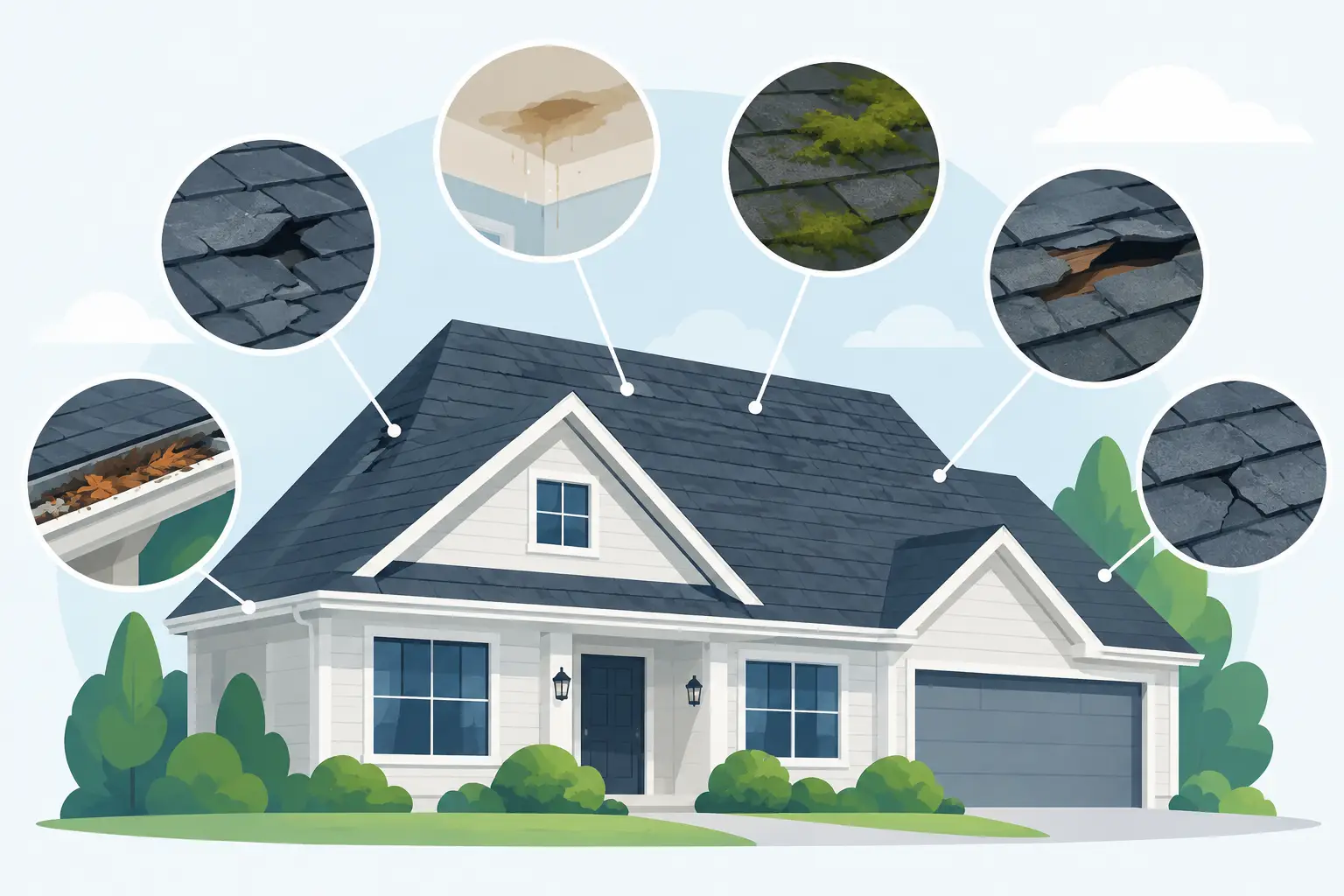
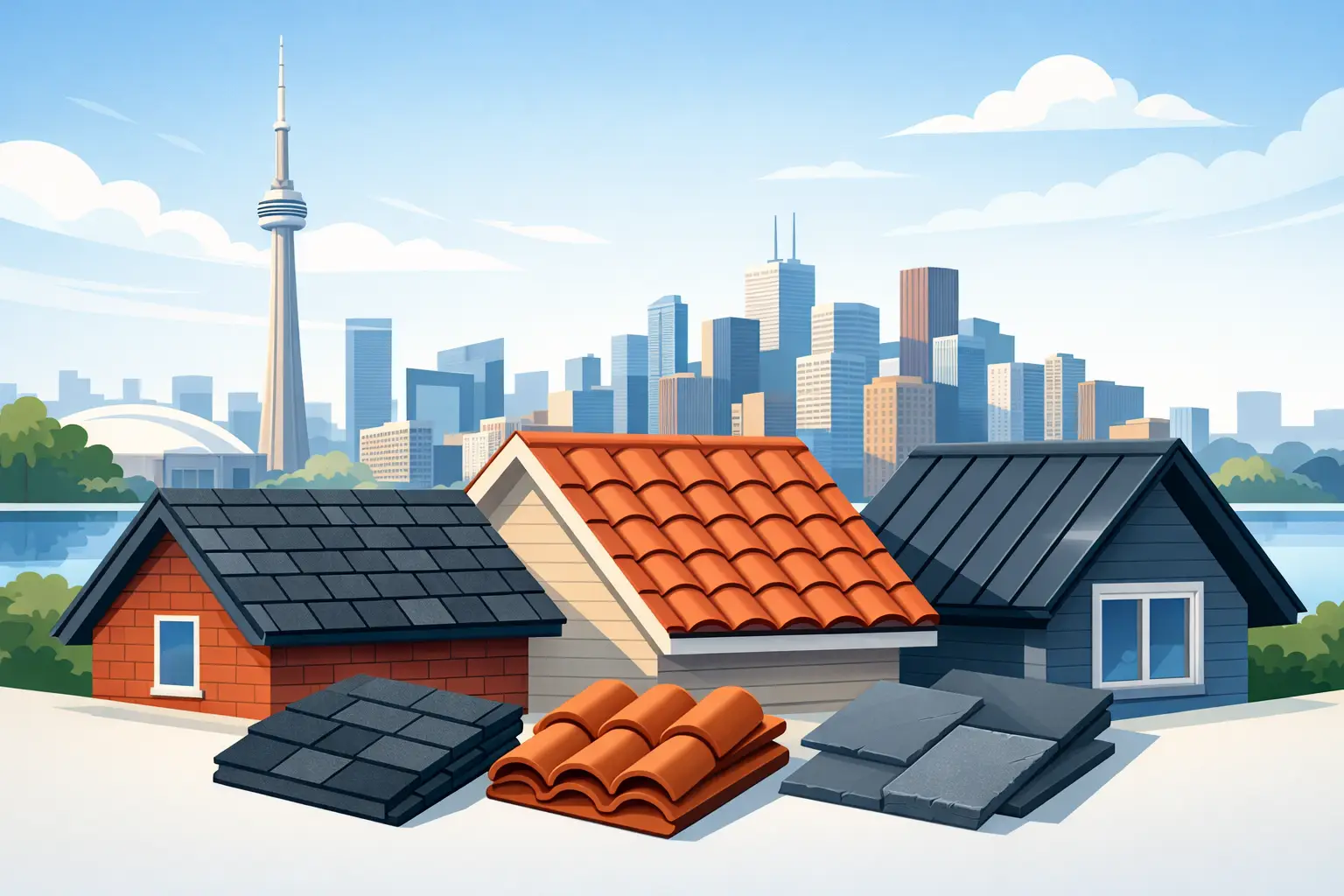
A roof can look fine from the driveway and still be nearing the end of its service life. Granule loss, lifted shingles, weak flashing, poor attic ventilation, and hidden moisture can all affect the material that makes sense for your home. This residential roofing materials guide focuses on the options homeowners most often consider, along with the installation details that determine whether a new roof performs as intended.
For homes in Toronto and the surrounding area, roofing materials must handle freeze-thaw cycles, wind, heavy rain, snow loads, summer heat, and rapid temperature changes. Cost matters, but the lowest installed price is rarely the whole story. The right choice depends on roof slope, architectural style, budget, expected ownership period, ventilation, and the condition of the underlying roof deck.
Start With the Roof System, Not Just the Shingle
A roofing material is only one part of a complete system. Underlayment, ice and water protection, starter shingles, flashing, ventilation, ridge caps, and proper fastening all work together to direct water away from the home. A premium shingle installed over deteriorated decking or inadequate flashing will not deliver premium performance.
Before selecting a material, a qualified roofer should inspect the existing roof, attic ventilation, roof penetrations, chimney areas, valleys, and eaves. This on-site assessment identifies issues that cannot be confirmed by material samples alone. It also allows the contractor to provide a detailed estimate based on the actual condition of the home.
Residential Roofing Materials Guide: Main Options
Asphalt Shingles
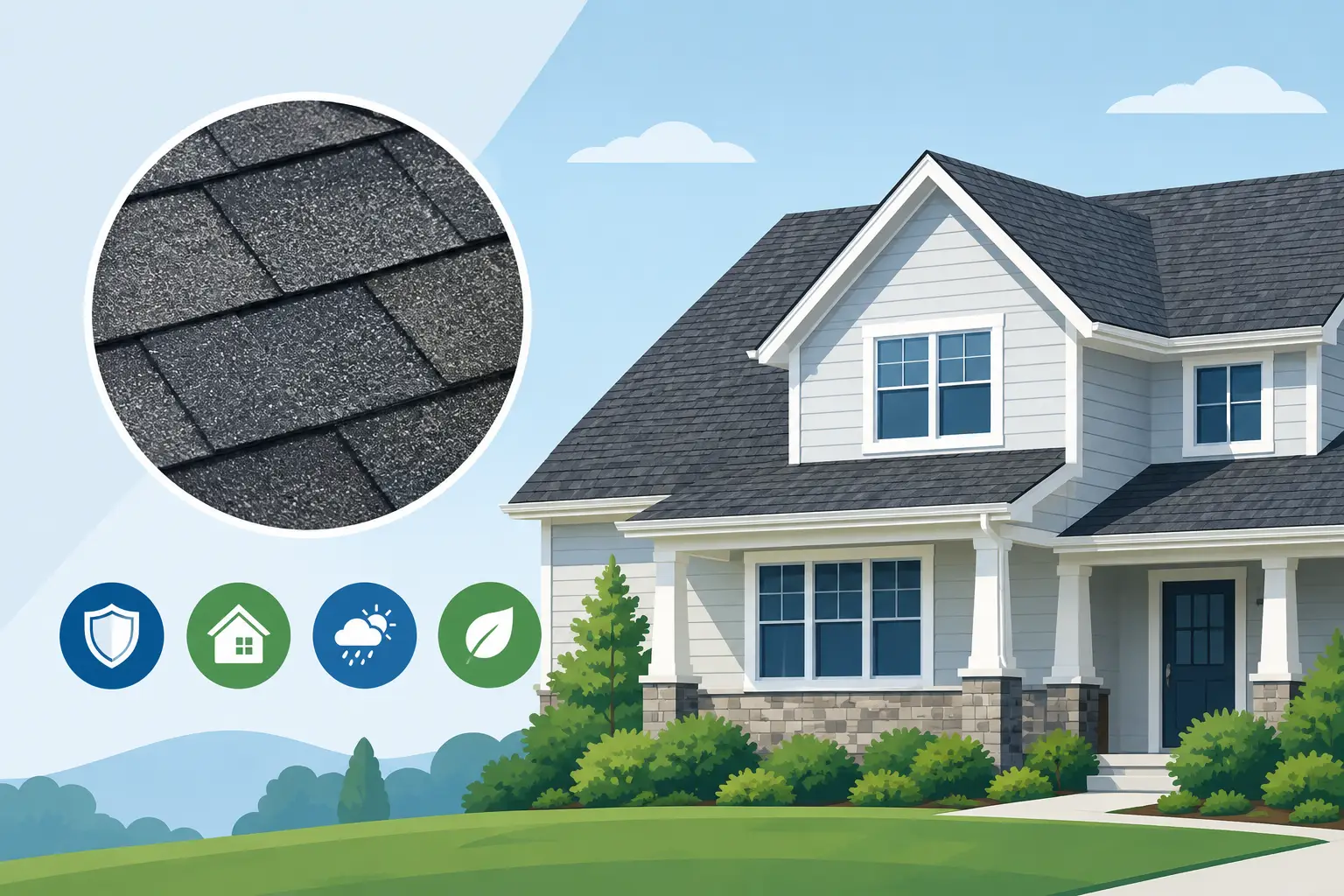
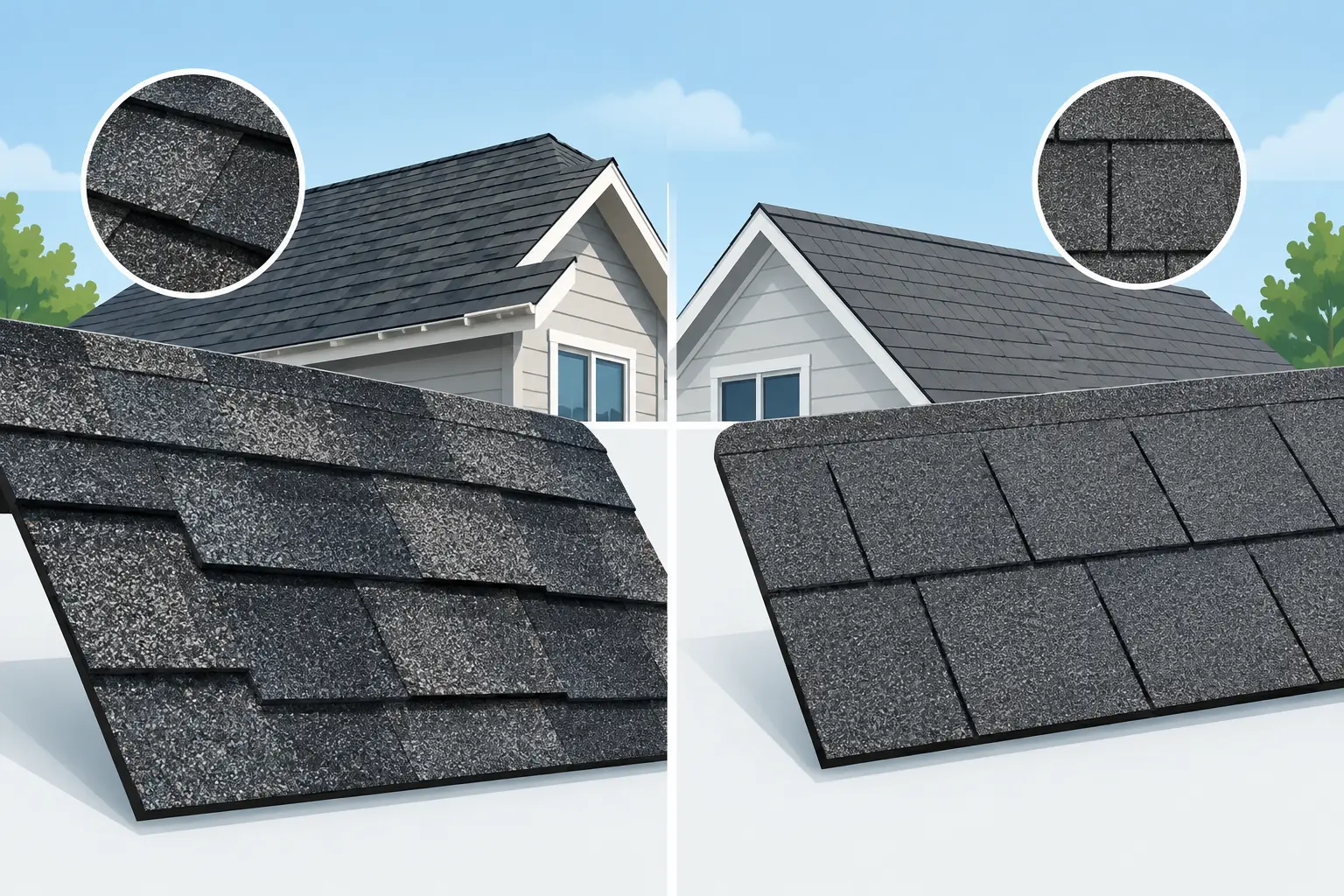
Asphalt shingles remain the most common residential roofing choice because they offer dependable protection, broad design options, and a practical price point. Architectural or laminated shingles are generally a stronger option than basic three-tab shingles. Their layered construction creates more depth, improves curb appeal, and typically offers better wind resistance.
For many homeowners, asphalt provides the best balance of initial investment and long-term value. Modern shingles are available in colors that complement brick, stone, siding, and contemporary exterior finishes. Manufacturer warranty options can also be strong when the roofing system is installed to specification by trained, certified installers.
The trade-off is lifespan. Asphalt shingles do not last as long as some metal or synthetic systems, particularly when ventilation is poor or roof surfaces experience repeated ice buildup. They also require careful attention at valleys, skylights, walls, plumbing vents, and other areas where water flow is concentrated.
Metal Roofing
Metal roofing is a durable, long-life option for homeowners who want a distinctive appearance and are prepared for a higher initial cost. Standing seam metal panels are especially popular for modern homes, additions, porch roofs, and properties where snow shedding is a consideration. Metal can also be lightweight relative to many other premium materials.
A properly installed metal roof can perform very well through Toronto weather, but installation precision is critical. Panel alignment, expansion and contraction allowance, flashing details, fastener placement, and transitions to walls or chimneys must be handled correctly. Metal roofing is not simply an upgrade in material. It requires installers with specific experience in the system being used.
Noise is often a concern, but a correctly built roof assembly with solid decking and attic insulation typically limits the difference homeowners notice during rain. The more meaningful consideration is cost. Metal may make sense for a long-term home, but it is not automatically the best return for every property or budget.
Cedar Shakes and Shingles
Cedar offers a natural, high-end appearance that suits heritage homes, traditional architecture, and properties with a strong landscape setting. Its texture and weathered character are difficult to replicate exactly with manufactured products.
However, cedar requires more maintenance awareness than asphalt or metal. Moisture exposure, shade, moss growth, ventilation, and local fire requirements all deserve careful review before selection. The roof must be designed and installed to support proper drainage and airflow, and the homeowner should understand the maintenance commitment from the beginning.
Cedar is a specialized choice rather than a default recommendation. When selected for the right home and maintained properly, it can be visually exceptional. When installed without accounting for moisture conditions or ongoing care, it can become an expensive problem.
Synthetic Roofing Materials
Synthetic slate, shake, and composite shingles are designed to provide the appearance of traditional materials with lower weight and less maintenance. These products can be a strong fit for homeowners who like the look of slate or cedar but want greater consistency and weather resistance.
Quality varies by manufacturer, so specifications matter. Confirm the product’s wind rating, impact rating, warranty terms, installation requirements, and compatibility with the roof structure. A synthetic product may offer excellent value over its life, but only if it is installed as a complete approved system and supported by a reliable manufacturer warranty.
How Toronto Weather Changes the Decision
Local climate should influence the roofing conversation. Ice dams are a frequent concern on homes with poor attic insulation, insufficient ventilation, or uneven roof temperatures. No roofing material can fully compensate for a building envelope issue, though properly placed ice and water protection provides an essential layer of defense at vulnerable eaves and valleys.
Wind is another consideration. Shingles, metal panels, and roof accessories must be installed according to the manufacturer’s fastening requirements. A roof’s wind performance depends on more than the advertised rating of the surface material. Starter courses, ridge caps, edge details, and fastener patterns all matter.
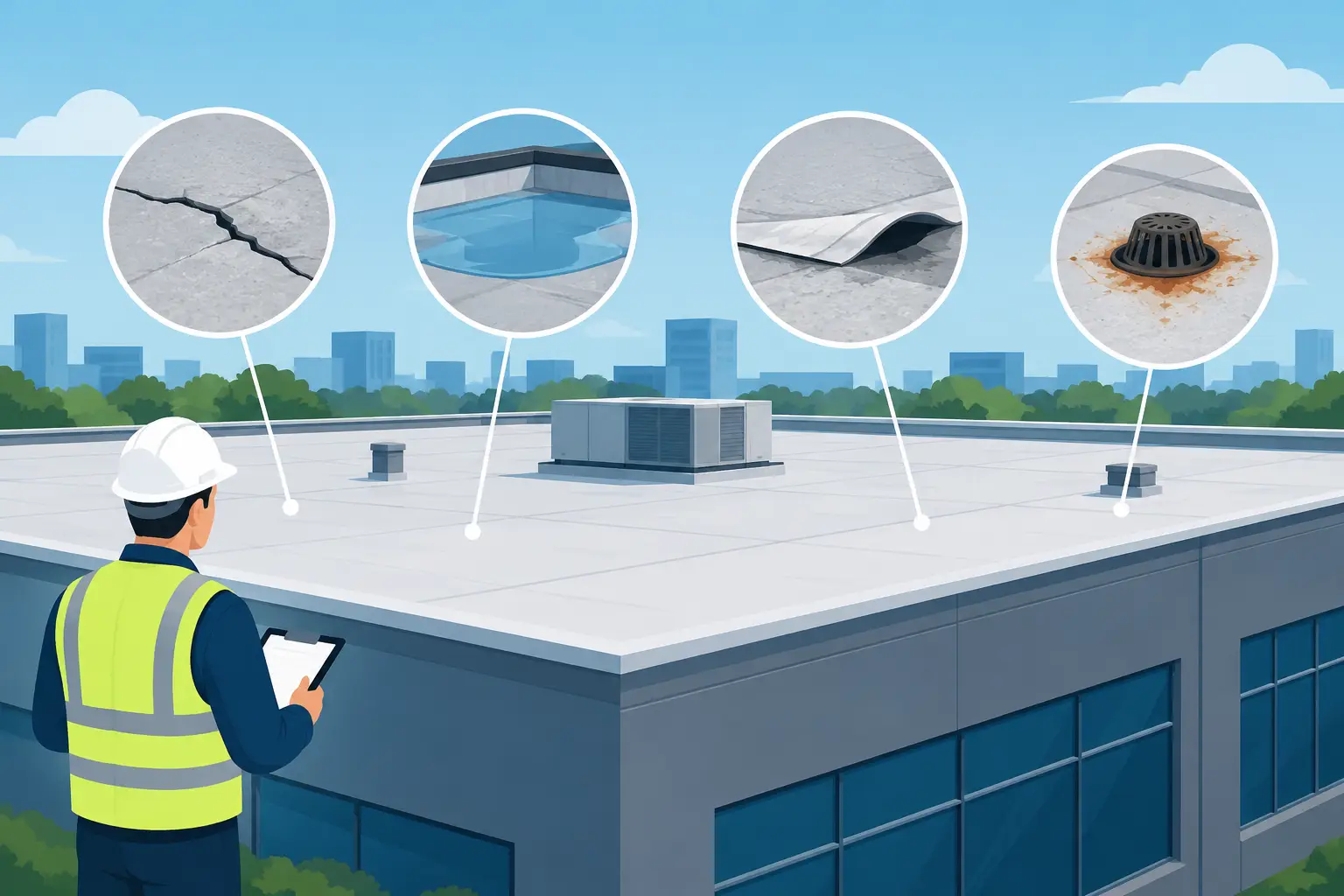
Heavy rain tests flashing and drainage. Chimneys, sidewalls, dormers, valleys, and low-slope transitions are often where leaks begin. These areas deserve the same level of attention as the visible field of shingles or panels. Skilled workmanship is most visible in the details homeowners may never see after installation.
Match the Material to Your Home and Plans
The right material depends partly on how long you expect to own the home. If you plan to sell within several years, architectural asphalt shingles may provide the appearance and protection buyers expect without overinvesting. If this is a long-term residence, the added lifespan and lower maintenance needs of metal or synthetic materials may justify a larger upfront investment.
Roof shape also affects cost and material suitability. A simple gable roof is generally easier to roof than a home with multiple valleys, dormers, skylights, steep slopes, and wall transitions. Complex roofs create more cutting, flashing, and labor regardless of material. They also increase the importance of detailed installation planning.
Aesthetic goals should be realistic. A roof color that looks excellent on a sample board can appear very different across a full roof plane in changing daylight. Consider the home’s brick, siding, trim, windows, and neighboring properties. A contractor can help narrow the selection, but the final material should suit both the home’s architecture and its practical demands.
Questions to Ask Before Approving a Roofing Estimate
A complete estimate should identify the roofing material and system components, not just a single line item for shingles. Ask what underlayment will be used, where ice and water protection will be installed, how flashing will be handled, whether damaged decking is addressed, and how ventilation will be evaluated.
You should also ask who will perform the work, whether the installers are trained and safety-compliant, and what manufacturer and workmanship warranties apply. Roofing is a high-trust purchase. Clear answers before work begins help prevent misunderstandings once materials arrive and the existing roof is removed.
Toronto Roofers approaches residential roof replacement with in-house oversight, trained installers, Working at Heights compliance, and detailed on-site consultations. Those standards matter because even the best roofing material depends on the people responsible for installing it.
Make the Choice With the Full System in View
A new roof should protect the home, complement its appearance, and provide confidence during the next major storm. The best material is not necessarily the most expensive one. It is the option that fits the home, the climate, the budget, and a properly planned installation.
Before making a final decision, request an on-site evaluation that considers the complete roof system. A clear assessment of material options, ventilation, flashing, and warranty coverage gives you a stronger basis for protecting your property for years ahead.