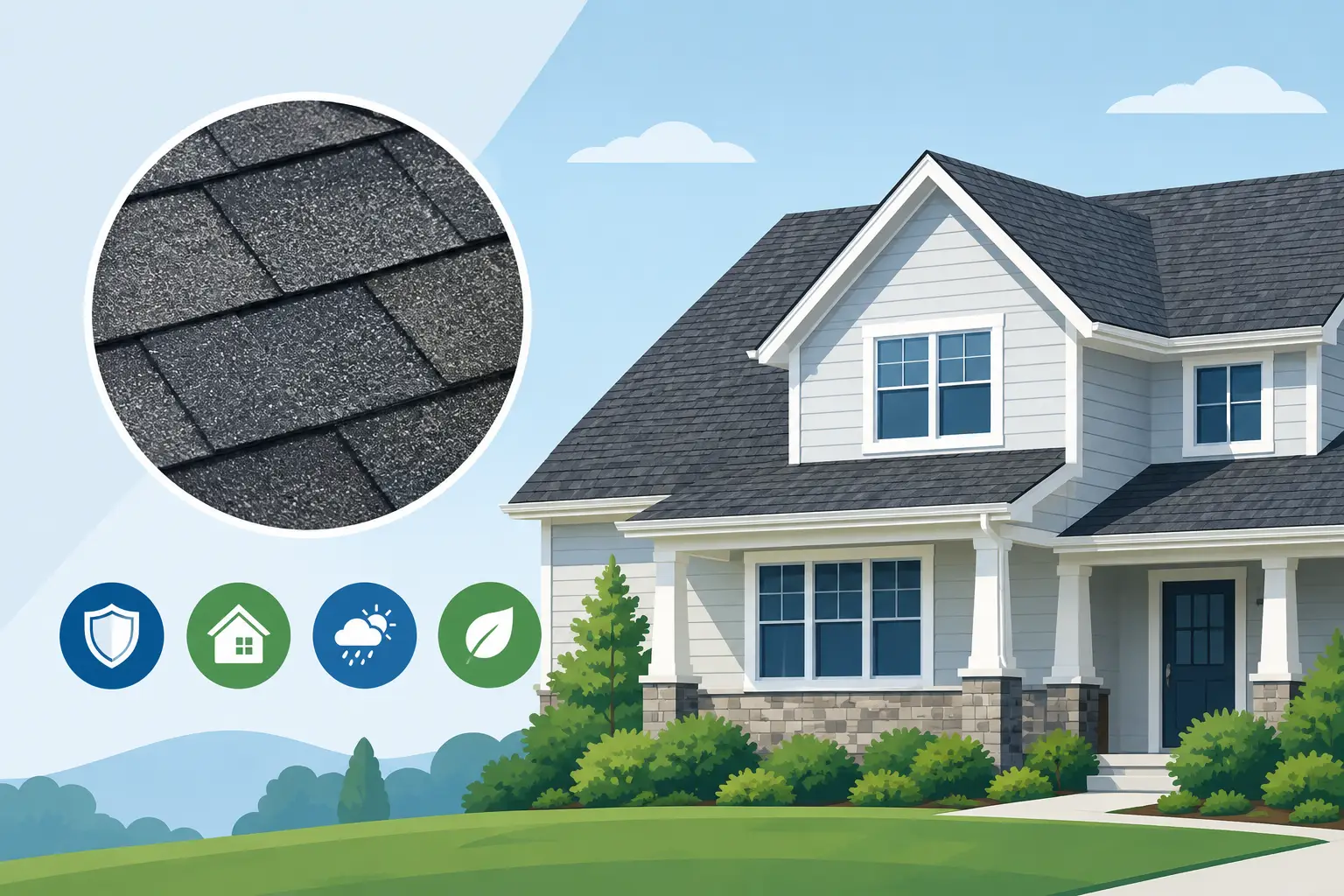
A shingle roof can look excellent on installation day and still become a costly disappointment years too early. The difference is rarely color alone. Knowing how to choose roof shingles means matching the product, roof design, installation method, and warranty coverage to the conditions your property will actually face.
For homeowners in Toronto and the surrounding area, that includes freeze-thaw cycles, wind-driven rain, snow loads, summer heat, and ice dam risk. A shingle is one component of a complete roofing system. Choosing it without considering ventilation, underlayment, flashing, and installer qualifications can leave gaps where problems begin.
Start With Your Roof’s Real Conditions
The right shingle for one home may be the wrong choice for another. Before comparing brands or colors, look at the roof itself: its pitch, exposure, age, ventilation, and the condition of the decking underneath.
A steep, highly visible roof often benefits from architectural shingles with stronger dimensional definition. A lower-slope roof needs particular attention because water moves more slowly and can be more likely to work beneath poorly installed materials. Roofs bordered by large trees may need algae-resistant shingles and a maintenance plan for debris. Open properties and taller buildings may require a system designed for higher wind exposure.
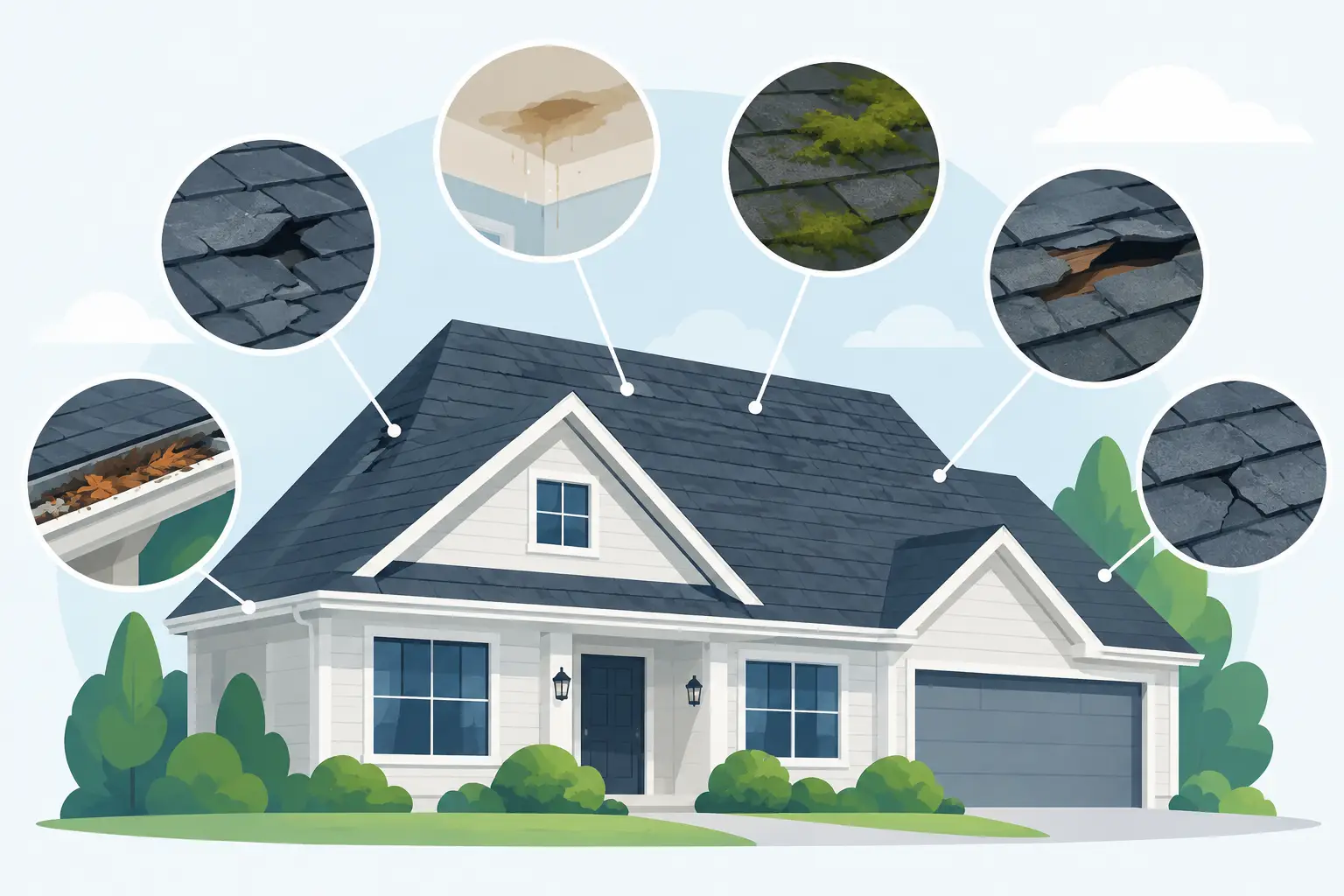
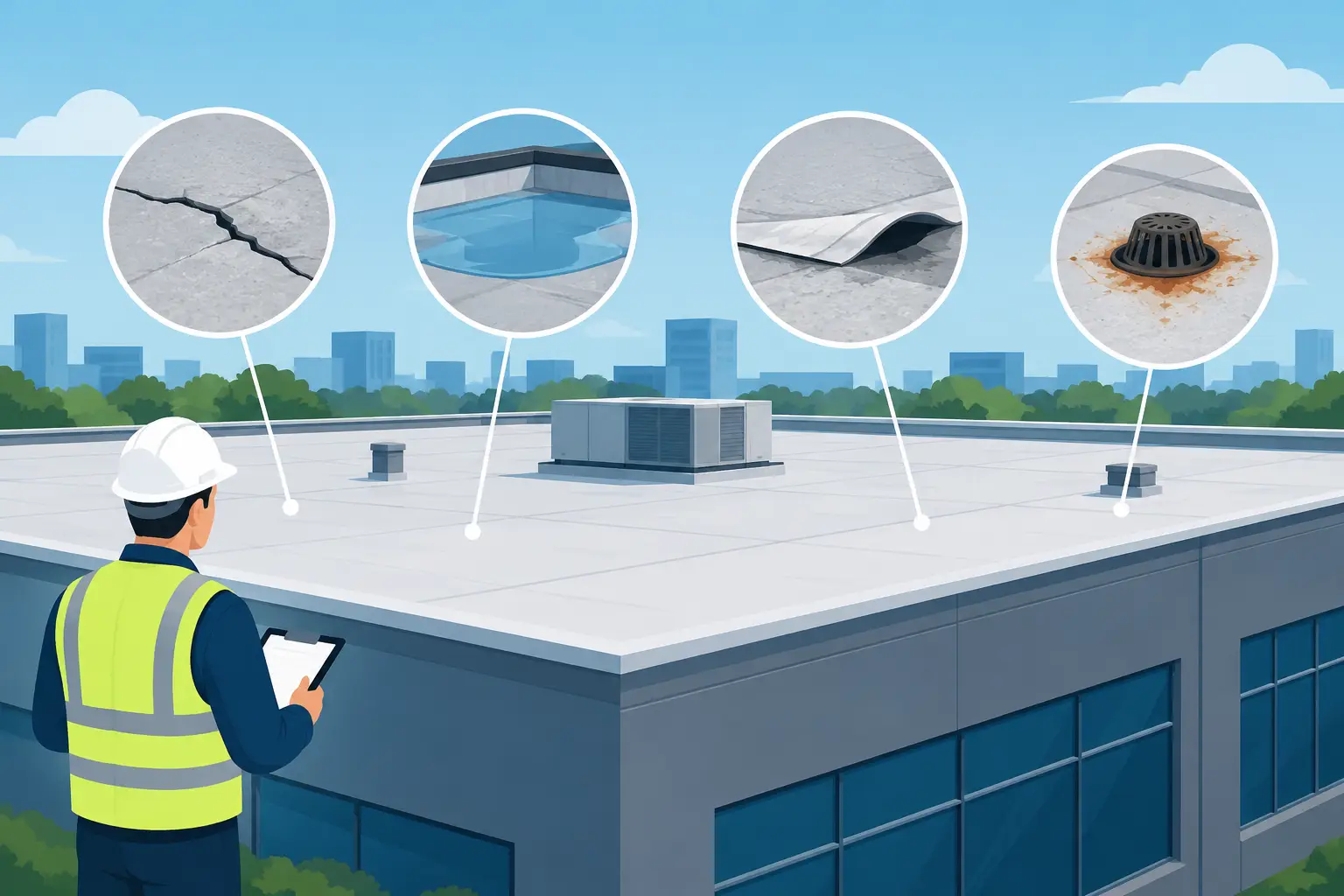
The existing roof also tells an important story. Curled shingles, repeated leaks, missing granules, soft decking, or staining in the attic may indicate that the issue is not limited to the shingle surface. Replacing shingles over unresolved ventilation or moisture problems can shorten the life of the new roof.
Do Not Ignore Attic Ventilation
Heat and moisture trapped in an attic can damage a roof from below. In winter, warm interior air can contribute to condensation and ice dams. In summer, excessive heat can accelerate shingle aging and make upper floors less comfortable.
Proper intake and exhaust ventilation should be assessed during the estimate process, along with insulation levels and bathroom or kitchen exhaust routing. A quality roof replacement addresses the full system rather than simply covering the roof deck with new shingles.
Choose the Right Type of Asphalt Shingle
Most residential properties use asphalt shingles because they offer dependable protection, a broad range of appearances, and practical installation costs. Within that category, however, there are meaningful differences.
Three-Tab Shingles
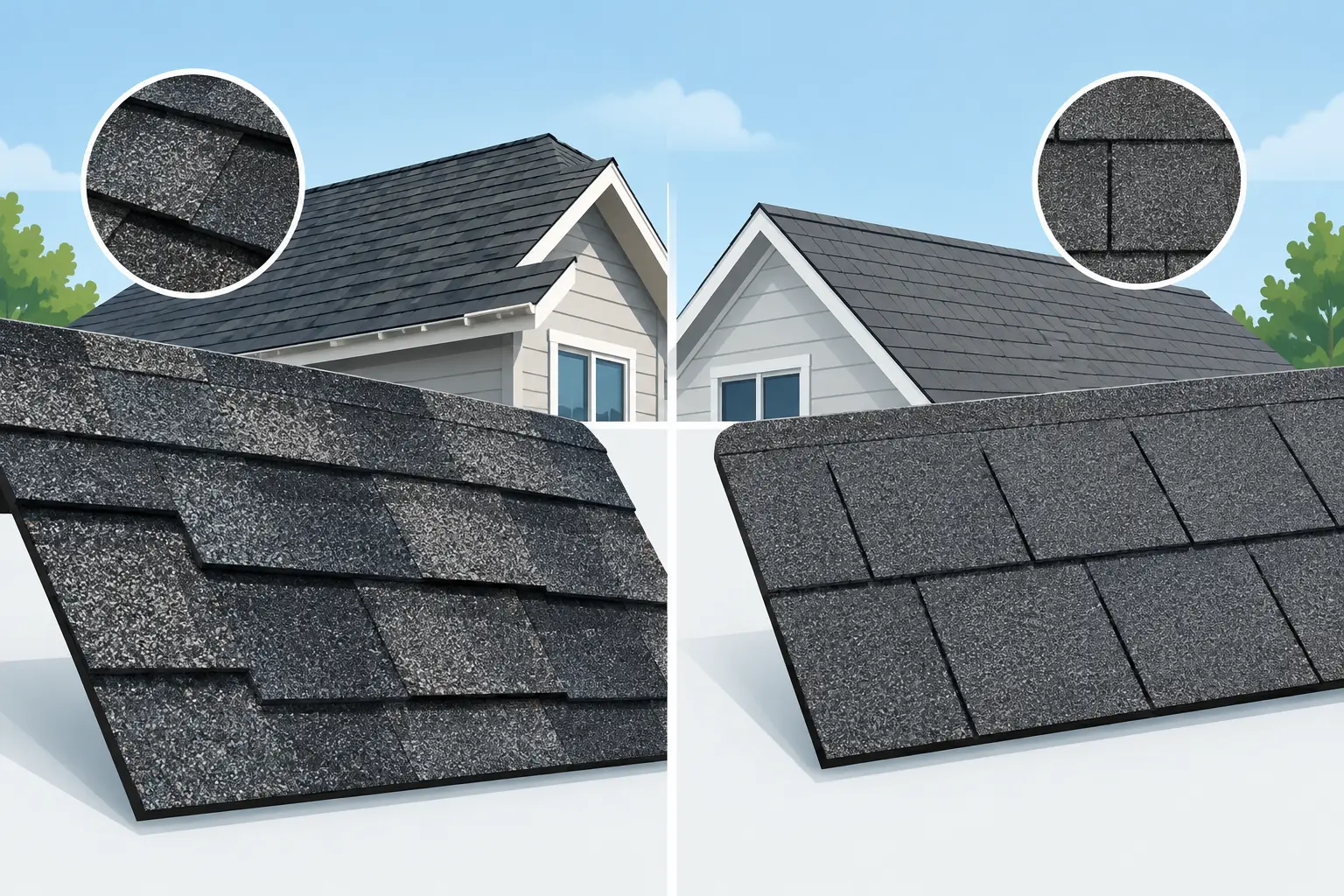
Three-tab shingles have a flatter, uniform appearance. They are typically the most economical option, but they generally offer less visual depth and may have lower wind ratings than architectural products. They can make sense for certain budget-conscious projects, outbuildings, or properties where a simple profile is preferred.
For a primary residence, the lower upfront price should be weighed against expected service life, curb appeal, and long-term replacement timing.
Architectural Shingles
Architectural shingles, also called laminated or dimensional shingles, use multiple bonded layers to create a thicker profile. They are the most common choice for many roof replacements because they provide more visual character and are often available with stronger wind performance and longer warranty options.
This category has a wide quality range. Two architectural shingles can look similar from the ground while differing in weight, fastening requirements, impact resistance, algae protection, and warranty terms. Compare the technical specifications, not just the sample board.
Premium and Designer Shingles
Premium shingles are designed to create a more distinctive look, sometimes resembling slate, cedar shake, or hand-split materials. They can be an appropriate choice for high-visibility homes or properties where architectural style is a major priority.
The trade-off is cost and installation complexity. A premium shingle needs precise layout, correct accessory components, and installers who understand the manufacturer’s requirements. Paying for a designer product without paying for qualified installation is not a sound investment.
Compare Performance Ratings Before Appearance
Color and profile matter, but performance should lead the decision. Ask for product information that explains how the shingle performs under the conditions most relevant to your home.
Wind resistance is especially important on exposed roofs and properties with complex rooflines. Wind ratings depend on more than the shingle itself. Correct nail placement, the required number of fasteners, starter shingles, and sealed edges all affect the system’s performance.
Impact resistance is another consideration. Some shingles are rated to better withstand hail and flying debris. They may cost more, but they can be worth evaluating where impact damage is a recurring concern or where insurance requirements make the upgrade practical.
Algae resistance is useful in humid, shaded, or tree-lined areas. Dark streaks on a roof are often algae, not dirt. Algae-resistant granules can help preserve a cleaner appearance, although they do not eliminate the need for normal roof care.
Fire classification should also be reviewed, particularly for homes close to neighboring structures or with local code considerations. Your contractor should explain the rating of the complete roof assembly, not make assumptions based solely on the shingle package.
Match Shingle Color to the House and Its Setting
Shingle color has a larger visual effect than most homeowners expect. It influences how the home reads from the street, how it relates to brick or siding, and how visible seasonal debris or staining may be.
Start with fixed elements that will remain after the roof replacement: brick, stone, siding, window trim, eaves, and driveway color. A roof should complement those materials rather than compete with them. Neutral blends such as charcoal, weathered wood, and medium brown often work well across different exterior styles. More dramatic colors can be effective, but they deserve careful review in full daylight.
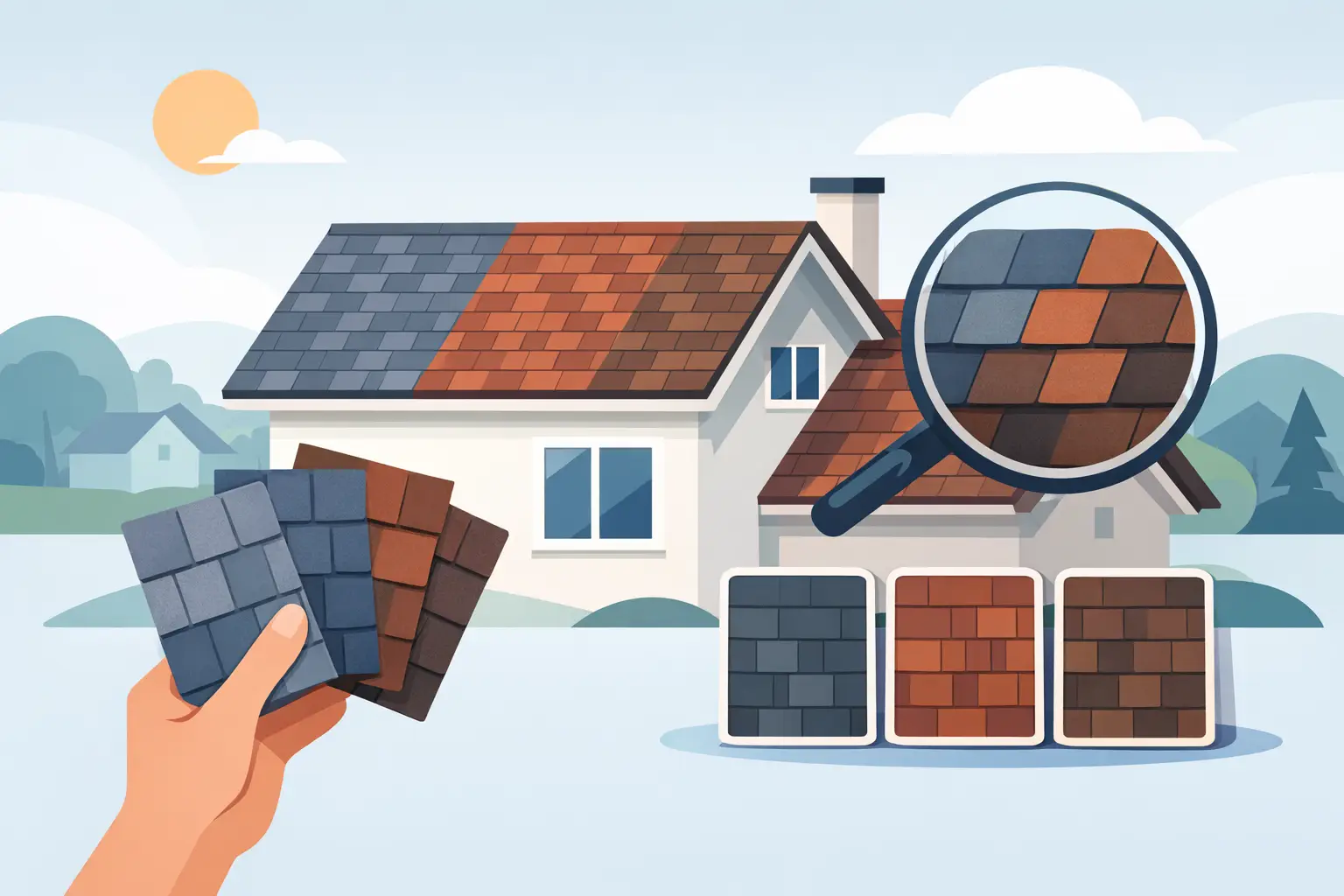
Do not select from a small sample alone. View full-size boards or installed homes when possible, and look at samples outdoors at different times of day. Sun, shade, and surrounding materials can make the same shingle blend appear noticeably different.
Very dark shingles can create a strong, modern contrast, while lighter or variegated blends may soften a larger roofline. There is no universal best color. The right choice depends on the home’s style, neighborhood context, and how long you expect to own the property.
Review the Complete Roofing System
A dependable roof replacement includes more than field shingles. Water protection is built in layers, particularly at the areas where roofs most often leak: eaves, valleys, sidewalls, chimneys, skylights, vents, and transitions.
A detailed estimate should identify the underlayment, ice and water protection, starter shingles, ridge caps, flashing, ventilation components, and any deck repairs that may be required after tear-off. It should also state whether old materials will be removed and how the site will be protected and cleaned.
Flashing deserves special attention. Shingles shed water, but flashing directs water away from vulnerable junctions. Reusing deteriorated flashing or treating a chimney connection as an afterthought can undermine an otherwise high-quality shingle installation.
Understand Warranty Terms and Workmanship Coverage
Manufacturer warranties can be valuable, but they are not all the same. Some cover material defects only, while others may offer enhanced coverage when the roof is installed as a complete system by a credentialed contractor. Coverage periods, transfer rules, registration requirements, and exclusions should be explained before work begins.
Do not treat a long advertised warranty as a prediction of how long the roof will last. Service life is affected by ventilation, weather exposure, maintenance, installation quality, and whether the product was appropriate for the roof.
Workmanship coverage is equally important. If a problem results from installation rather than a manufacturing defect, the manufacturer may not be responsible. Choose a contractor that provides clear written workmanship terms and can explain who will handle service if an issue arises.
Choose the Installer With the Same Care as the Shingle
Even an excellent shingle can fail prematurely when it is installed over damaged decking, fastened incorrectly, or paired with inadequate ventilation. The installer is not a separate decision from the product decision.
Look for an in-house, properly trained team with current safety practices, documented insurance, and manufacturer credentials that relate to the products being installed. Ask who will supervise the project, how hidden deck damage will be documented, and whether the estimate includes the required system components.
Toronto Roofers approaches roof replacement with on-site assessment, detailed estimates, trained installers, and direct project accountability. Those standards matter because roofing work is difficult to evaluate once the job is complete. The proof should be in the planning, materials, installation process, and written coverage.
Make the Decision for the Next 20 Years, Not the Next 20 Minutes
The lowest quote may omit ice protection, ventilation corrections, flashing work, proper disposal, or the labor needed for a lasting installation. The most expensive shingle may also be unnecessary if it does not match your roof exposure, budget, or long-term plans.
A practical choice balances appearance, weather performance, warranty value, and the quality of the installation team. Before selecting a color or signing a contract, ask for a complete system recommendation built around your home. That conversation is often where a roof replacement becomes a reliable long-term investment instead of a repeat repair waiting to happen.