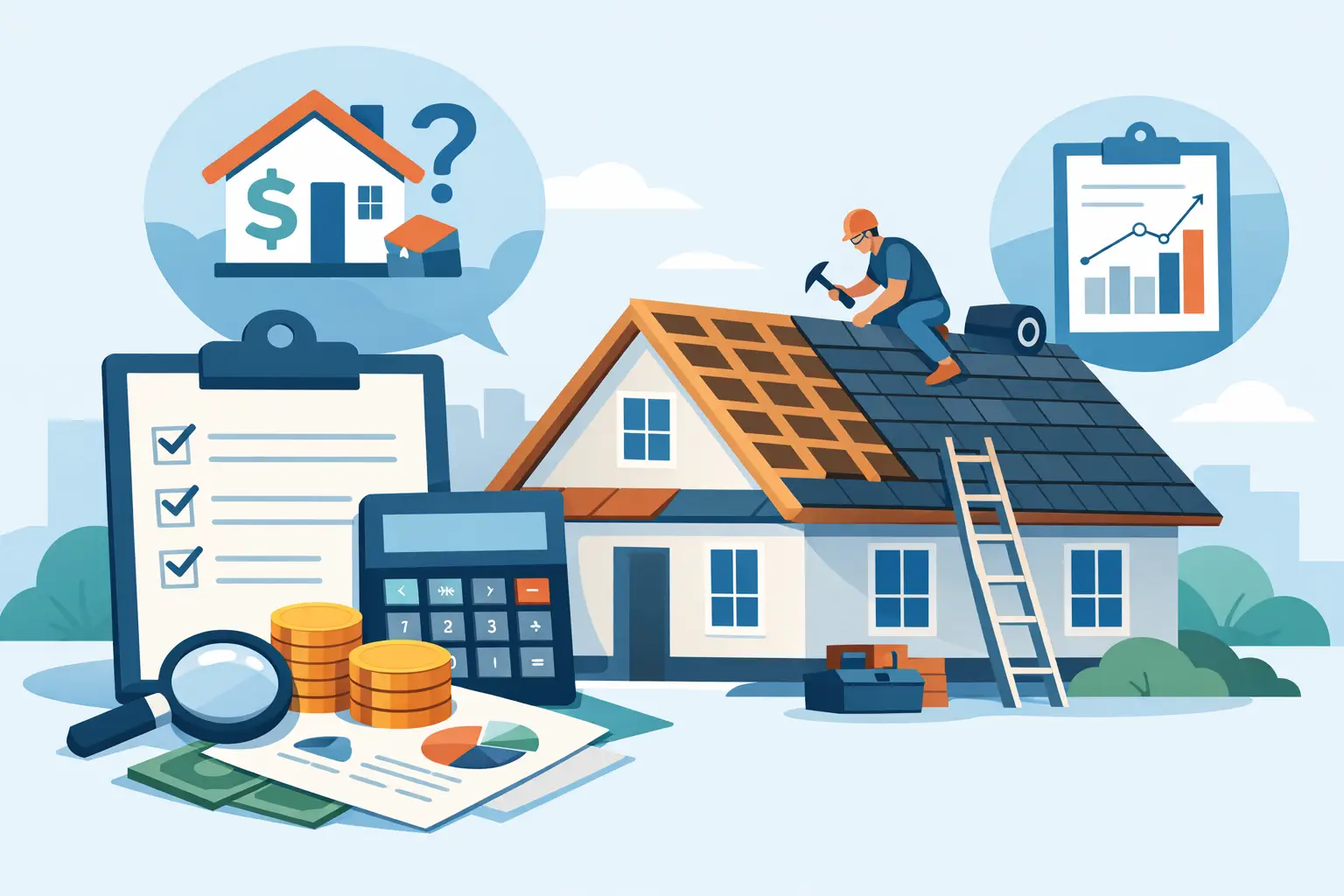
A roof quote can look straightforward until the old shingles come off. Decking damage, inadequate ventilation, flashing failures, and code-related corrections are often hidden until work begins. Knowing how to budget roof replacement means planning for the complete roof system, not simply comparing the lowest number on a proposal.
For homeowners, property managers, and commercial building owners, a well-built budget protects more than cash flow. It helps you choose qualified workmanship, reliable materials, proper safety practices, and warranty coverage that can protect the building for years.
How to Budget Roof Replacement From the Ground Up
Start by defining what must be replaced and why. A roof at the end of its service life may need a full tear-off and new system. A roof with a contained leak may only need a repair. Paying for a replacement before the underlying condition is properly assessed is unnecessary, but postponing a needed replacement can lead to interior water damage, mold, insulation loss, and structural repairs.
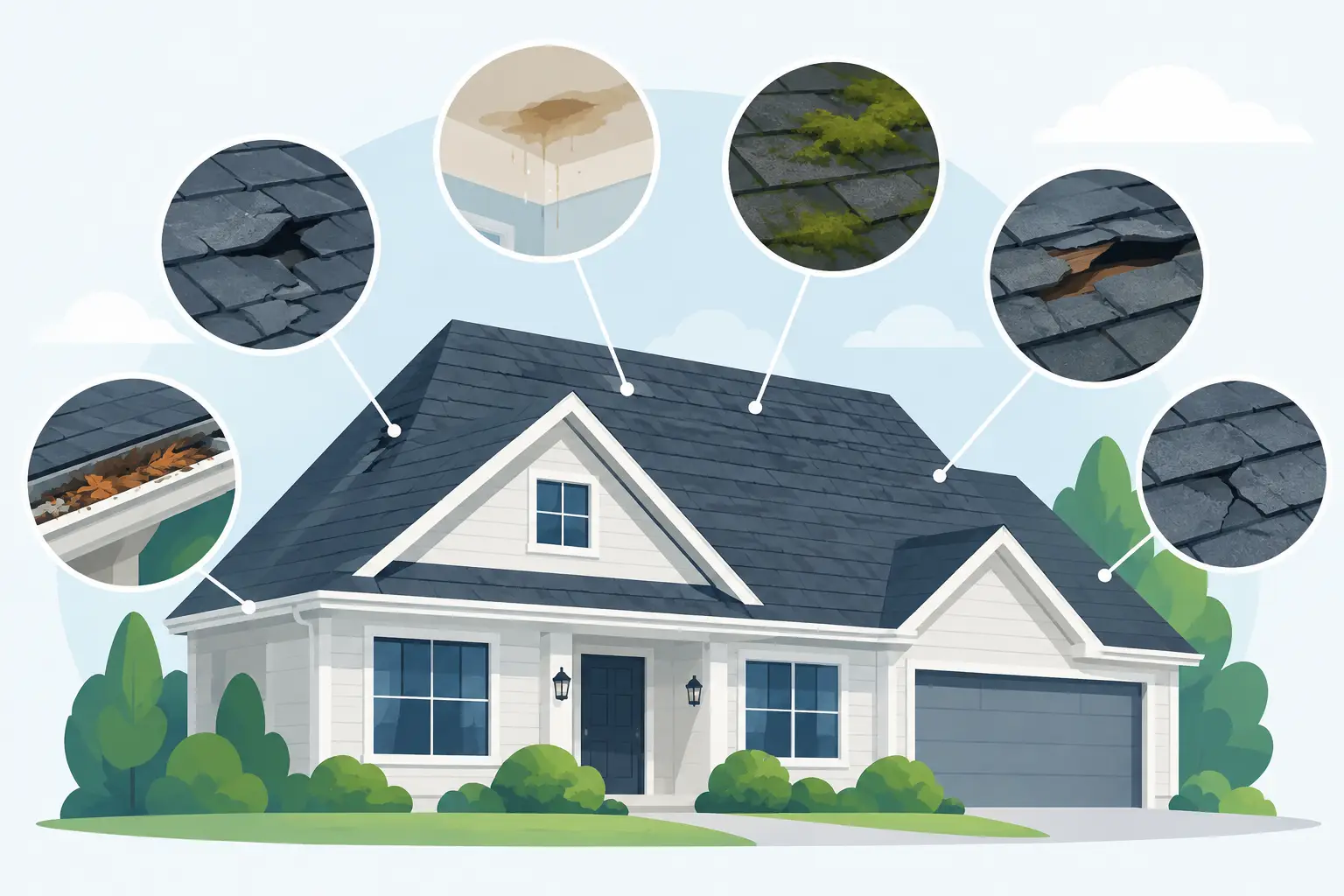
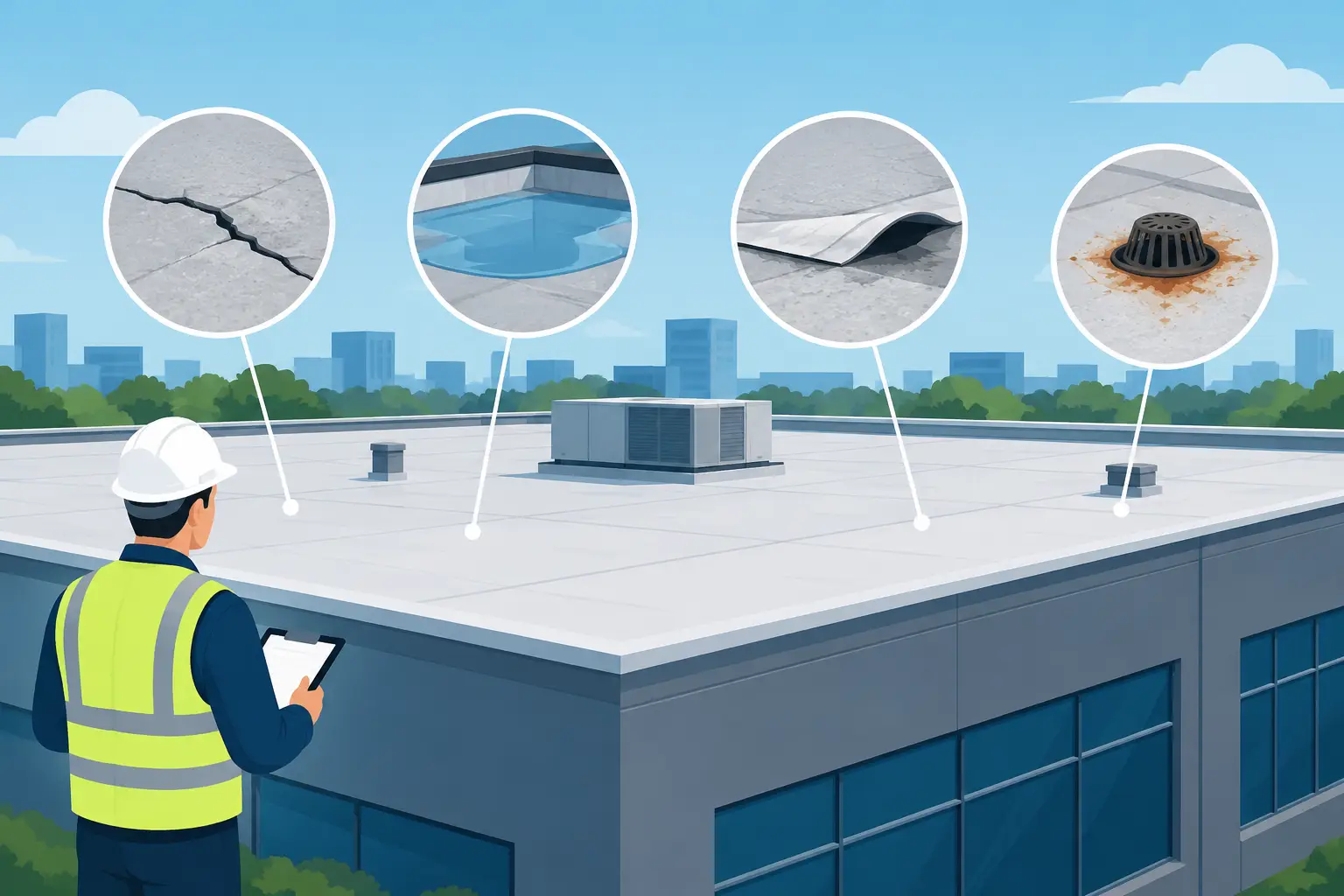
Schedule an on-site inspection before setting a final number. A professional roofer should evaluate shingle condition, flashing, valleys, penetrations, ventilation, drainage, roof deck condition where visible, and signs of moisture inside the attic or upper floors. For commercial properties, the inspection should also consider membrane seams, drains, curbs, rooftop equipment, and foot-traffic areas.
Your budget should be based on a written scope of work. If one contractor prices a new shingle layer while another includes tear-off, underlayment, flashing, ventilation, and cleanup, the lower quote is not a true savings. It is a different project.
Build a Budget Around the Full Scope
A replacement roof is a system of parts working together. Shingles or membrane material are highly visible, but they are only one part of the cost and performance equation. Ask each contractor to identify what is included, what is excluded, and what could require an additional charge once the existing roof is removed.
A complete residential estimate commonly addresses these distinct items:
- Removal and disposal of existing roofing materials
- Roof deck inspection and replacement of damaged sheathing, if needed
- Underlayment, ice and water protection, and other moisture barriers
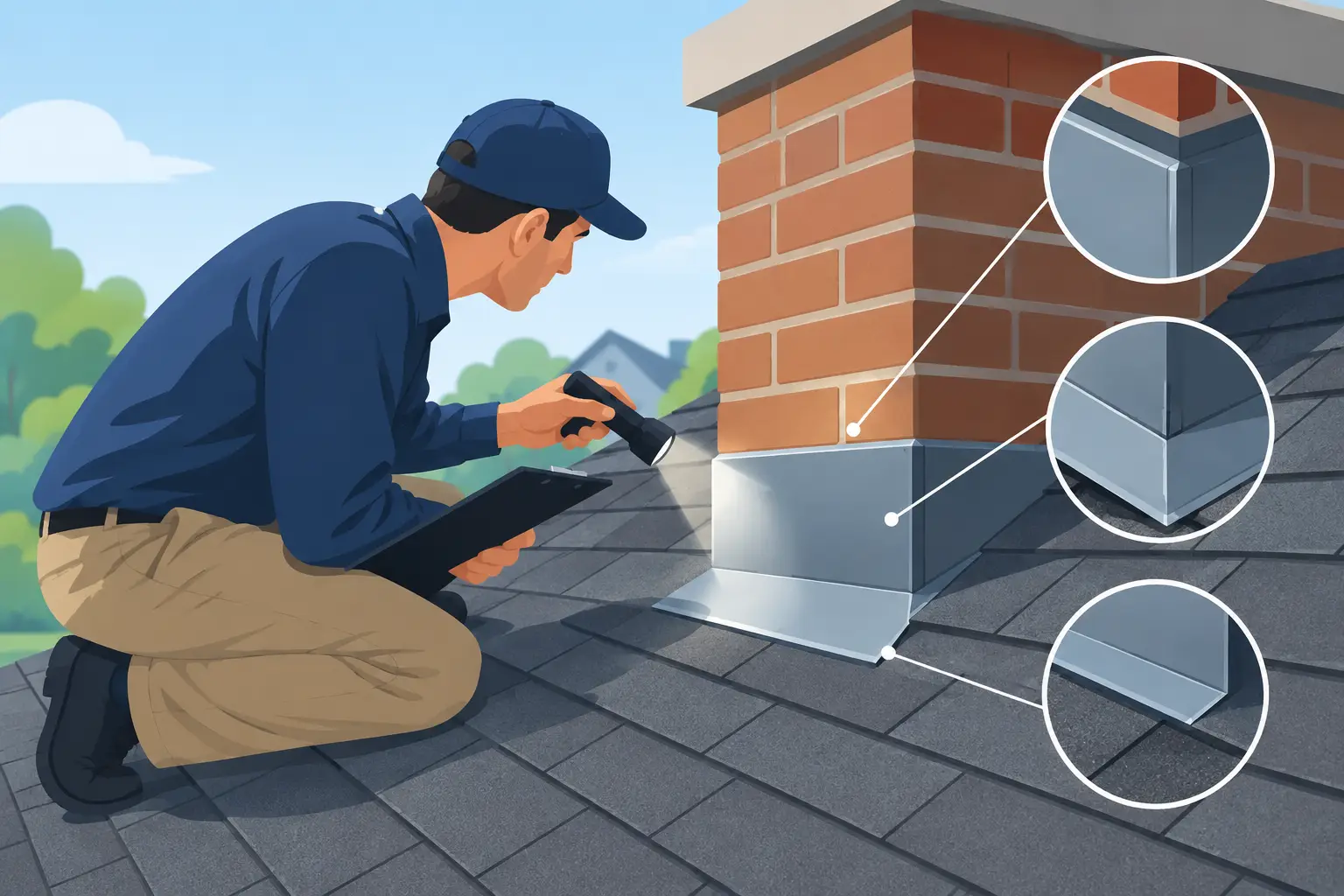
- New flashing around chimneys, walls, skylights, vents, and other penetrations
- Ventilation components, ridge details, and final site cleanup
The exact scope depends on the roof design and material selected. A simple gable roof is generally more predictable to price than a steep roof with multiple valleys, dormers, skylights, and difficult access. Homes in dense Toronto neighborhoods may also require more time for material handling, debris management, parking, and site protection.
Do not assume that every contractor includes the same details. For example, reusing old flashing may reduce the upfront price, but it can leave a known weak point in a new roofing system. Similarly, installing premium shingles over inadequate ventilation may shorten their service life and affect warranty eligibility.
Set Aside a Realistic Contingency
The best roof budgets include a contingency reserve. Hidden deck deterioration is one of the most common reasons a roof replacement cost changes after work starts. Water can travel beneath shingles or membranes and damage sheathing without creating an obvious ceiling stain.
For a relatively simple roof with no signs of chronic leakage, a smaller contingency may be reasonable. For an older home, a roof with repeated leaks, visible sagging, multiple layers of old roofing, or limited attic access, reserve more. The right percentage depends on the inspection findings, but the principle is consistent: do not spend every available dollar on the base proposal.
Ask the contractor how change work is handled. A dependable process includes clear communication, documentation of the condition found, a price for the additional work, and approval before non-emergency extras proceed. A vague allowance without an explanation is not the same as a documented contingency plan.
Compare Estimates by Value, Not Just Price
A low quote can be attractive, especially when replacement is unexpected. But roofing is a high-trust purchase. The work affects the building envelope, interior finishes, insulation, and long-term resale value. Comparing proposals line by line is more useful than comparing totals.
Review the roofing material brand and product line, underlayment type, flashing work, ventilation plan, warranty terms, labor coverage, permit responsibilities, and cleanup procedures. Confirm whether the contractor carries appropriate insurance and follows Working at Heights safety requirements. These are operational standards that affect both the jobsite and the quality of the finished roof.
Training and manufacturer credentials matter as well. Certified installers are more likely to understand the installation requirements that support manufacturer warranties. That does not mean the highest-priced estimate is automatically best. It means the estimate should show what you are paying for and who is accountable for completing the work correctly.
For commercial owners, compare expected service life and maintenance needs alongside installation cost. A lower-cost roof system may be appropriate for a small building with a limited ownership horizon. A building intended for long-term ownership may justify higher initial investment in a system with better durability, drainage performance, and warranty coverage.
Choose Materials With the Full Ownership Cost in Mind
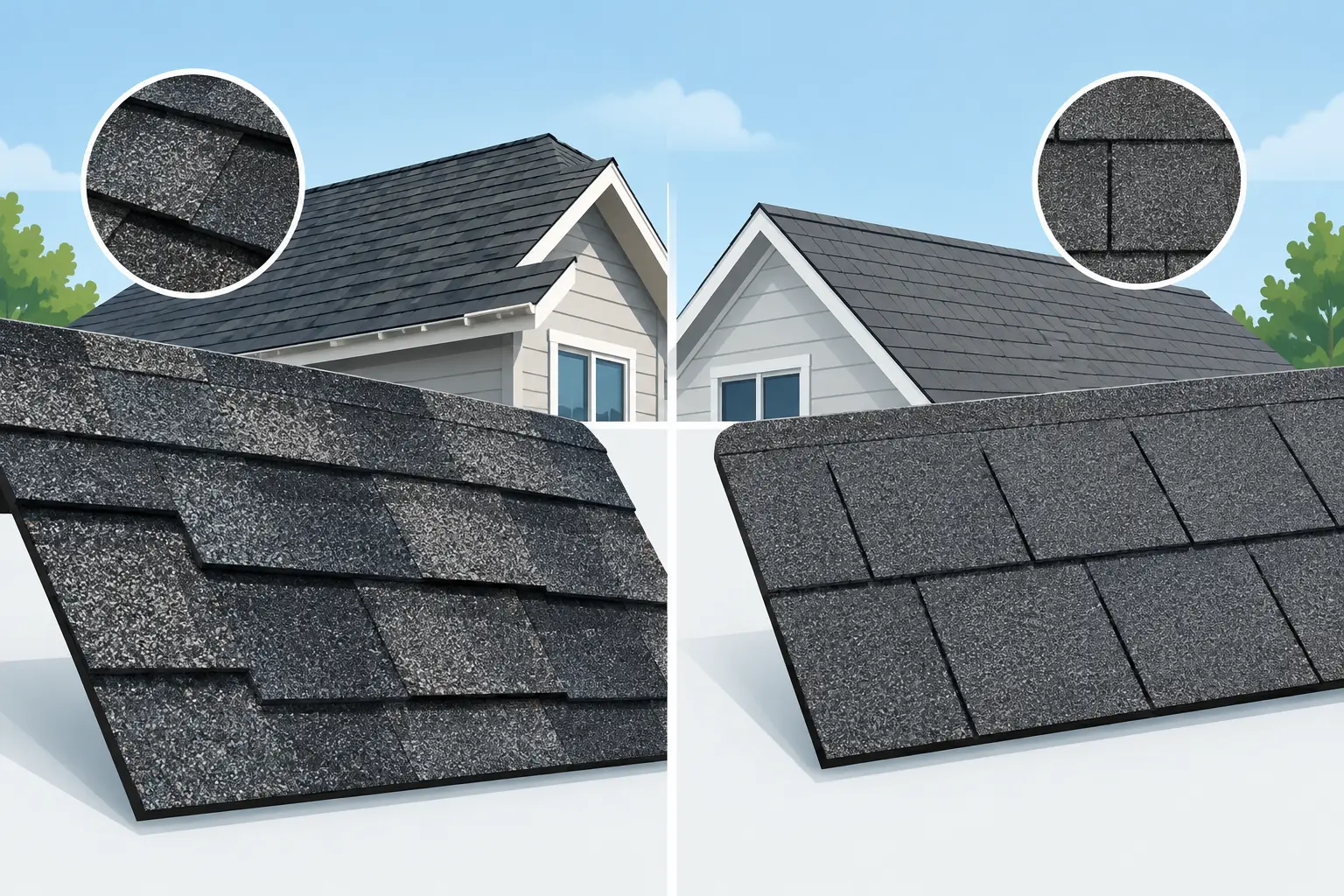
Material selection should fit the roof, the building, and the expected length of ownership. Architectural shingles often offer a practical balance of appearance, performance, and budget for residential properties. Premium shingles may offer enhanced wind resistance, visual depth, and longer warranty options, but only if the rest of the system is installed to the required standard.
On low-slope commercial roofs, membrane selection depends on drainage, rooftop equipment, building use, exposure, and maintenance access. The lowest installed cost may not be the lowest cost over the roof’s life. Frequent repairs, ponding water, premature seam failure, and disruption to tenants can erase an initial saving quickly.
Ask for material options in tiers. A clear estimate may present a good, better, and best option with a practical explanation of what changes between them. This lets you control the budget without sacrificing critical items such as moisture protection, flashing, ventilation, or safe installation.
Plan the Payment Schedule Before Work Begins
A clear payment schedule is part of a responsible roofing budget. Avoid paying the entire project amount before materials arrive or work is complete. The schedule should align with meaningful project milestones, such as an initial deposit, material delivery, progress payment for larger projects, and final payment after completion and cleanup.
If financing is necessary, calculate the total repayment amount rather than focusing only on the monthly payment. A low monthly figure can conceal a longer term or higher interest cost. Some property owners also coordinate replacement with planned renovations, insurance proceeds after covered storm damage, or a reserve fund for capital improvements.
Insurance may help when damage results from a covered event, but normal age-related wear is generally handled by the property owner. Document the roof condition with photos, inspection notes, and detailed estimates before filing a claim. Your contractor can provide project documentation, but the insurer determines coverage.
Avoid the Budget Mistakes That Create Expensive Problems
The most costly mistake is treating a roof replacement as a commodity purchase. Cutting back on tear-off, underlayment, flashing, ventilation, or qualified labor can transfer risk from the estimate to the building owner. A roof can look finished on installation day and still have defects that appear during the next heavy rain or freeze-thaw cycle.
Another mistake is waiting until active leaks force an emergency decision. Emergency work can be necessary, but it limits your time to compare scopes, review credentials, and plan funding. If shingles are curling, granules are collecting in gutters, flashing is deteriorating, or repairs are becoming frequent, obtain an inspection before the situation becomes urgent.
Finally, do not budget only for installation day. Plan for periodic inspections, gutter maintenance, debris removal, and prompt repairs to damaged flashing or sealants. Routine attention can help protect the investment you have made in a new roof.
A detailed estimate, a sensible contingency, and direct answers about workmanship create a budget you can rely on. Toronto Roofers approaches replacement projects with on-site assessment, trained installers, safety-focused practices, and clear accountability so owners can make decisions with confidence rather than guesswork.