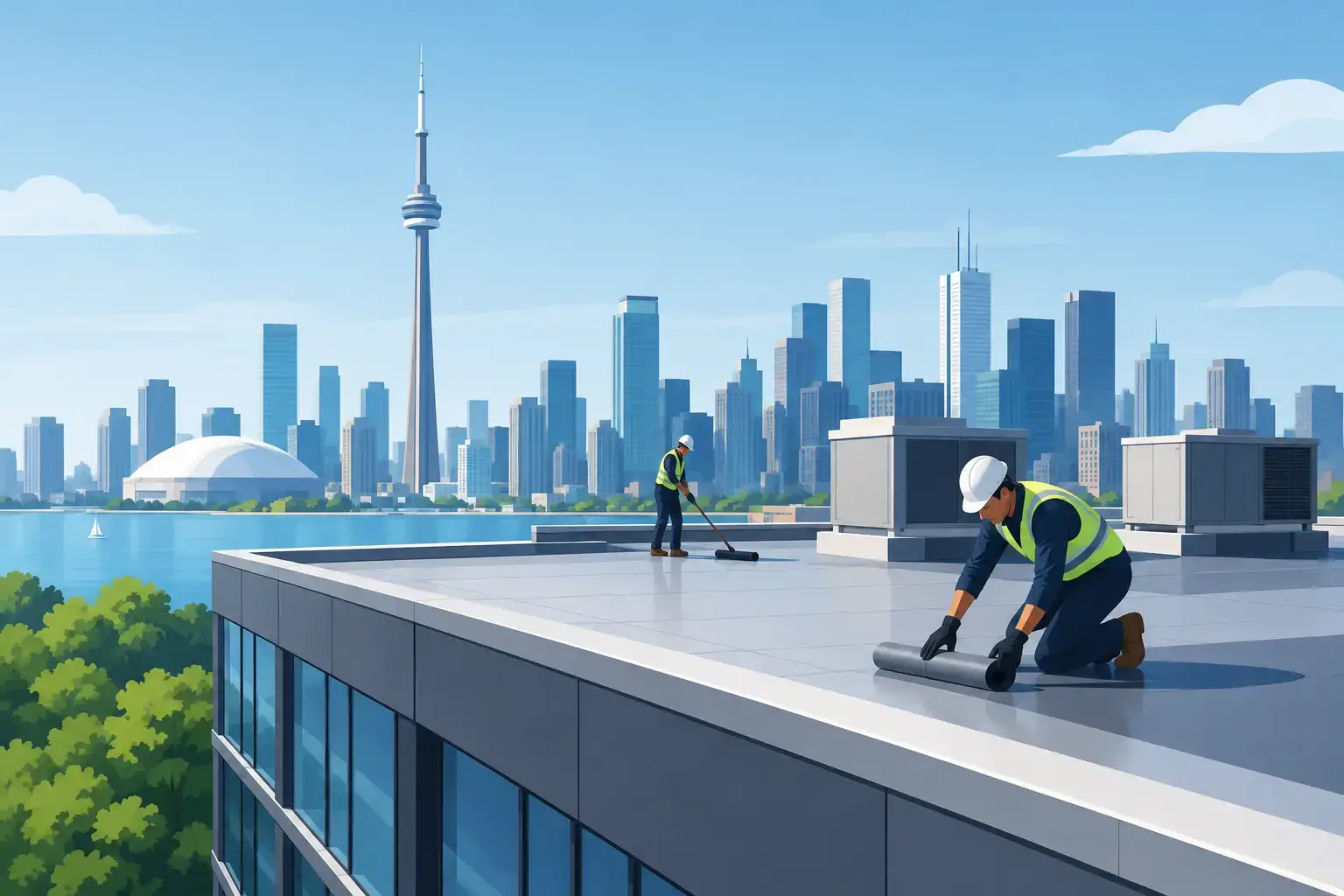
A commercial roof rarely fails all at once. More often, a drain slows, a flashing separates, a seam opens, or ponding water starts working its way into insulation and decking. For building owners and property managers, Toronto commercial roofing is not simply a replacement decision. It is an ongoing responsibility that affects tenant comfort, operating costs, safety, and the long-term value of the property.
Toronto roofs face freeze-thaw cycles, wind-driven rain, heavy snow loads, humid summers, and abrupt temperature changes. Those conditions expose weak details quickly. The right roofing plan combines the appropriate system, trained installation, documented maintenance, and a contractor who is accountable from the first inspection through final cleanup.
What Toronto Commercial Roofing Must Manage
Commercial buildings are not all built or used the same way. A low-slope retail plaza, warehouse, office building, apartment property, restaurant, and industrial facility may each have different drainage patterns, rooftop equipment, foot traffic, and insulation needs. A roof system that performs well on one building may be a poor fit for another.
The first consideration is water management. On low-slope roofs, standing water accelerates deterioration and can add unnecessary weight to the structure. Drains, scuppers, gutters, tapered insulation, and roof slope must work together. A roofing contractor should inspect the entire drainage path, not just the area where a leak appears inside the building.
Penetrations also require close attention. HVAC curbs, vents, pipes, skylights, equipment supports, and access points interrupt the roof membrane. Each one must be flashed and sealed properly. Many commercial leaks begin at these details rather than in the field of the roof itself.
Choose the System for the Building, Not the Trend
Material selection should follow an on-site assessment, building use, budget, roof geometry, and expected service life. A lower initial price can be appealing, but it may not be the lowest ownership cost if the system requires frequent repairs or offers limited protection at vulnerable details.
Single-ply systems such as TPO, PVC, and EPDM are common choices for low-slope commercial roofs. TPO can offer reflective performance and welded seams, while PVC is often considered where exposure to oils or chemicals is a concern. EPDM has a long history in commercial applications and can be a practical option depending on the building and installation method.
Modified bitumen and built-up roofing systems may also make sense where multiple layers, proven durability, or specific detailing requirements are priorities. Metal roofing can be a strong solution for sloped commercial applications, but panel profiles, fasteners, transitions, and snow management need careful planning.
There is no material that is automatically best for every Toronto property. The quality of the installation, condition of the substrate, drainage design, and maintenance program all influence performance. An experienced contractor explains these trade-offs clearly instead of pushing a single system for every project.
Repair, Restore, or Replace?
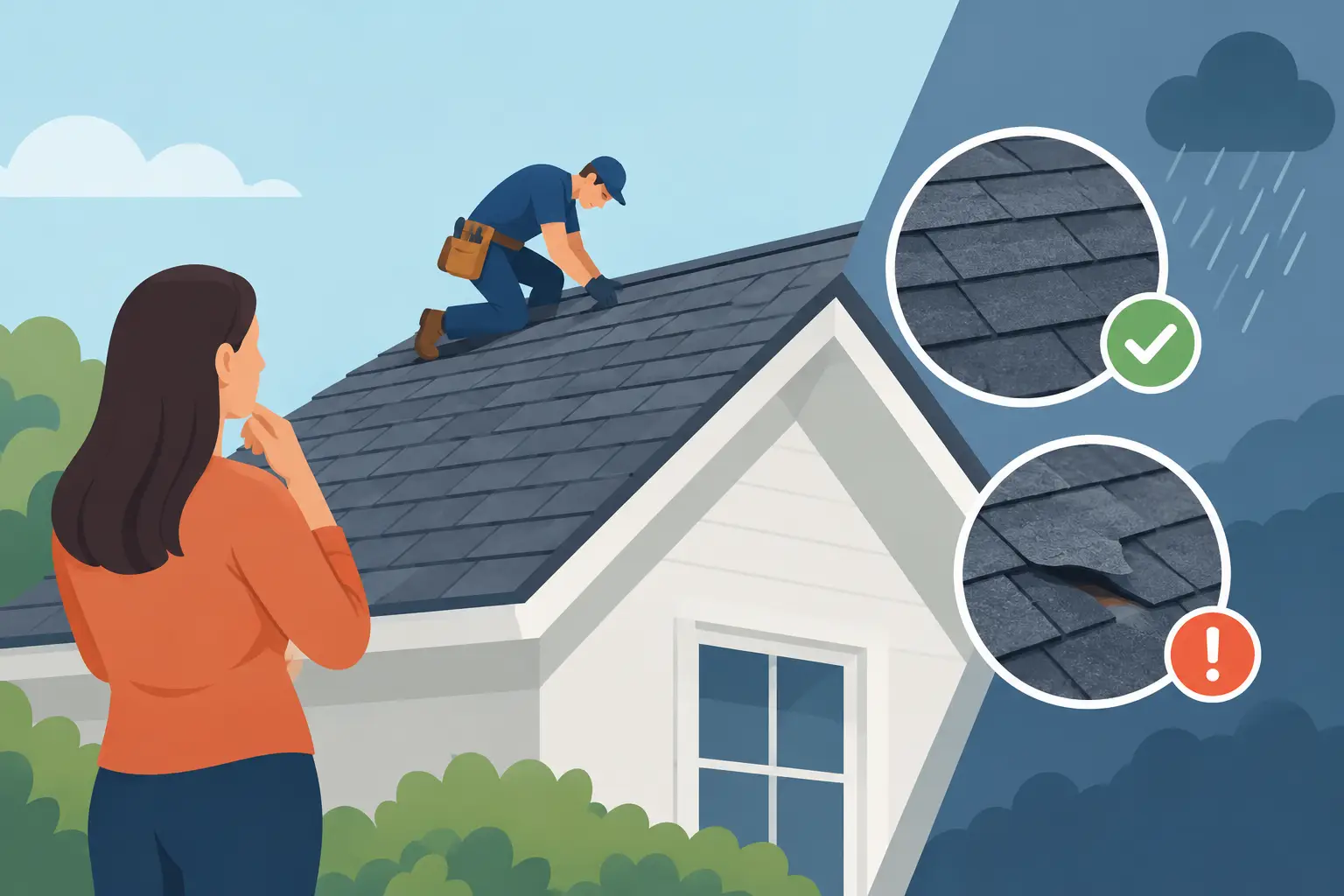
A roof leak does not always mean full replacement is necessary. Localized damage around flashing, seams, drains, or penetrations can often be repaired when the underlying system remains sound. Prompt repair is usually the most cost-effective choice when it stops moisture before it spreads into insulation, decking, ceilings, or interior finishes.
Replacement becomes more appropriate when repairs are recurring, the membrane is broadly deteriorated, insulation is saturated, seams are failing across multiple areas, or the roof is near the end of its expected service life. A professional assessment should identify the cause of the issue, not merely apply a temporary patch over visible symptoms.
Restoration coatings can be useful in select cases, but only when the existing roof is dry, stable, and suitable for coating adhesion. Coatings are not a cure for trapped moisture, failing insulation, poor drainage, or damaged structural components. A contractor should confirm whether restoration is technically appropriate before presenting it as a lower-cost alternative.
Inspections Turn Small Defects Into Manageable Work
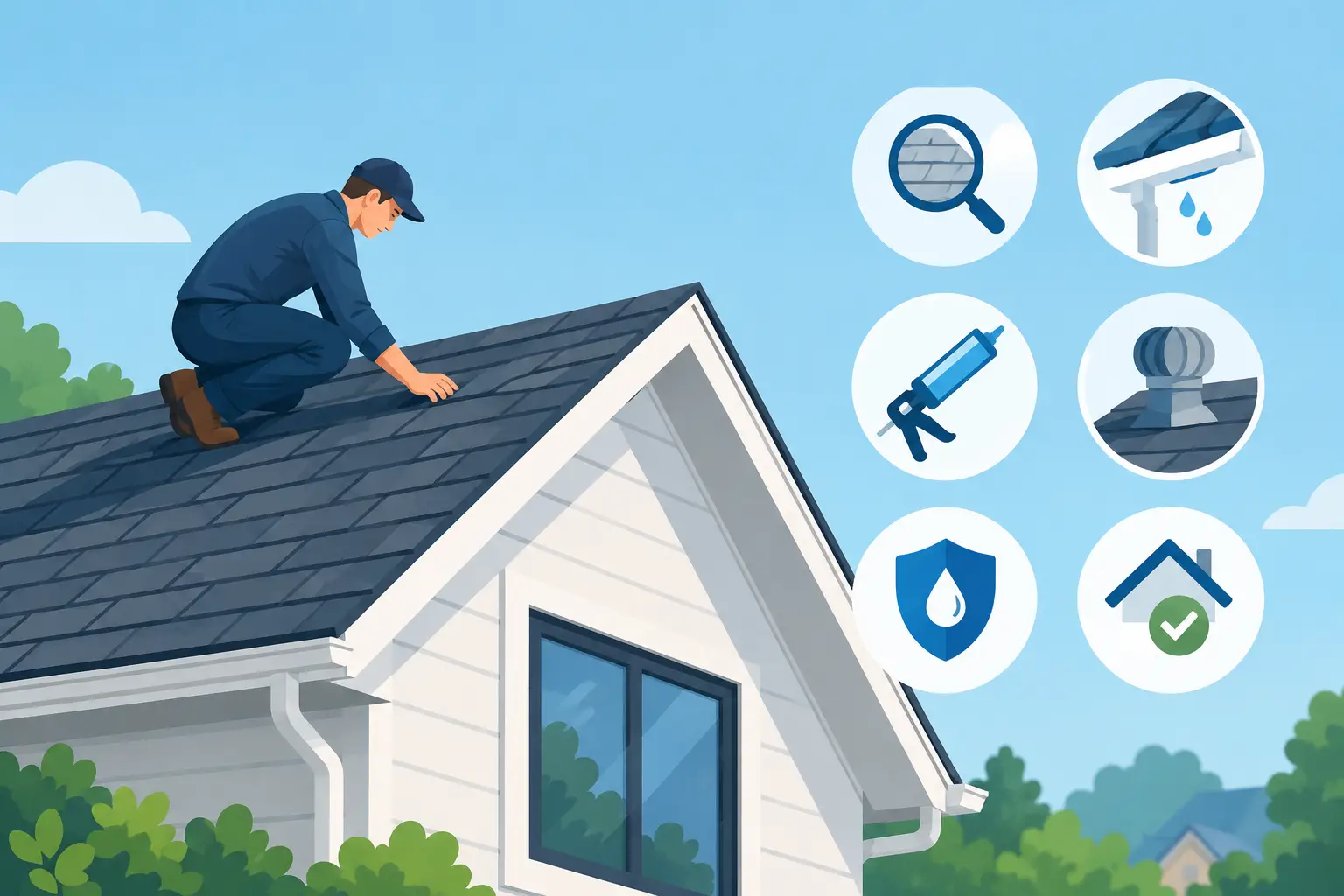
Commercial roof maintenance is one of the most practical ways to avoid disruptive emergency calls. Seasonal inspections can identify loose metal, cracked sealant, blocked drains, damaged flashings, surface punctures, and areas of ponding before they become interior leaks.
A useful maintenance visit should include more than a quick walk across the roof. The inspection should review the membrane condition, seams, perimeter edges, rooftop equipment areas, drainage components, visible signs of movement, and debris accumulation. Findings should be documented so property managers can prioritize repairs and build realistic capital plans.
Roof access matters as well. Service technicians, HVAC vendors, and other trades can damage a membrane through repeated foot traffic, dropped tools, or poorly placed equipment. Walk pads and clear service routes help protect high-traffic areas. Coordinating rooftop work can prevent one trade from creating a problem another trade must later repair.
Workmanship Is a Major Part of Roof Life
Commercial roofing materials are engineered systems, not standalone products. Manufacturer specifications often address substrate preparation, fastening patterns, seam welding, flashing details, adhesives, insulation attachment, and edge securement. Missing those requirements can reduce performance and may affect warranty eligibility.
This is why contractor selection deserves the same attention as product selection. Ask who will perform the work, whether installers are trained for the proposed system, how quality control is handled, and who is responsible if concerns arise after installation. A detailed estimate should clearly identify the scope, materials, known repairs, drainage work, safety measures, and warranty terms.
At Toronto Roofers, commercial projects are handled by an in-house team with direct oversight, formal training, Working at Heights compliance, and owner-led accountability. That structure matters when details must be checked, site conditions change, or a property manager needs a clear answer rather than a chain of subcontractors.
Safety and Tenant Protection Cannot Be Added Later
Roof work can affect everyone in and around a commercial property. Material delivery, noise, odors, access restrictions, falling-object risks, and temporary weather exposure must be planned before work begins. A competent contractor establishes site procedures that protect occupants, staff, visitors, and the roofing crew.
For occupied buildings, communication is part of professional service. Property managers should know the expected schedule, access requirements, work areas, and any conditions that may affect operations. This is especially important for medical offices, retail locations, schools, restaurants, multi-tenant buildings, and facilities with sensitive equipment.
Weather planning is equally important. Roof openings must be controlled carefully, with material staging and daily closeout procedures that protect the building if conditions shift. No contractor can control the forecast, but experienced crews prepare for it.
Questions to Ask Before Approving a Proposal
Before signing a commercial roofing contract, make sure the proposal answers the practical questions that protect your investment. It should identify the existing roof condition, the recommended system, how drainage and penetrations will be addressed, and whether damaged insulation or decking is included as an allowance or separate contingency.
You should also understand the warranty. Manufacturer warranties and contractor workmanship warranties are not identical. A manufacturer warranty generally addresses eligible material or system defects under stated terms, while workmanship coverage addresses installation-related issues. Both have conditions, exclusions, and maintenance expectations, so request the details in writing.
Price deserves context. A low bid may omit edge metal, insulation upgrades, drain corrections, tear-off requirements, safety provisions, or proper flashing work. Compare scopes line by line. The most useful proposal is one that makes the work understandable, not one that leaves major details unclear until the project is underway.
Plan Before a Leak Forces the Decision
The best time to assess a commercial roof is before water reaches the interior. An on-site consultation can establish the roof’s current condition, identify immediate repairs, and determine whether maintenance, restoration, or replacement is the responsible next step. It also gives property owners time to schedule work around tenants, operations, and budgets.
A dependable roof is built through informed material choices, disciplined installation, safe jobsite practices, and responsive follow-up. If your property has recurring leaks, visible wear, drainage concerns, or an aging roof with no clear plan, a detailed commercial roofing assessment can turn uncertainty into a practical next action.