
A skylight leak rarely starts as a simple glass problem. Water may be entering through failed flashing, worn roofing materials around the opening, a cracked curb, or condensation that has nowhere to drain. That is why the decision about skylight repair versus replacement should begin with a roof-level inspection, not a tube of caulk.
For Toronto homeowners and property managers, the right answer depends on the skylight’s age, condition, installation quality, and the remaining life of the surrounding roof. A properly targeted repair can protect the building and avoid unnecessary expense. In other cases, replacing an aging or poorly installed skylight is the more responsible long-term investment.
When Skylight Repair Is the Better Choice
Repair makes sense when the skylight itself remains structurally sound and the issue is limited to a serviceable component. This is common with relatively newer units that have good glass, an intact frame, and no signs of prolonged water damage.
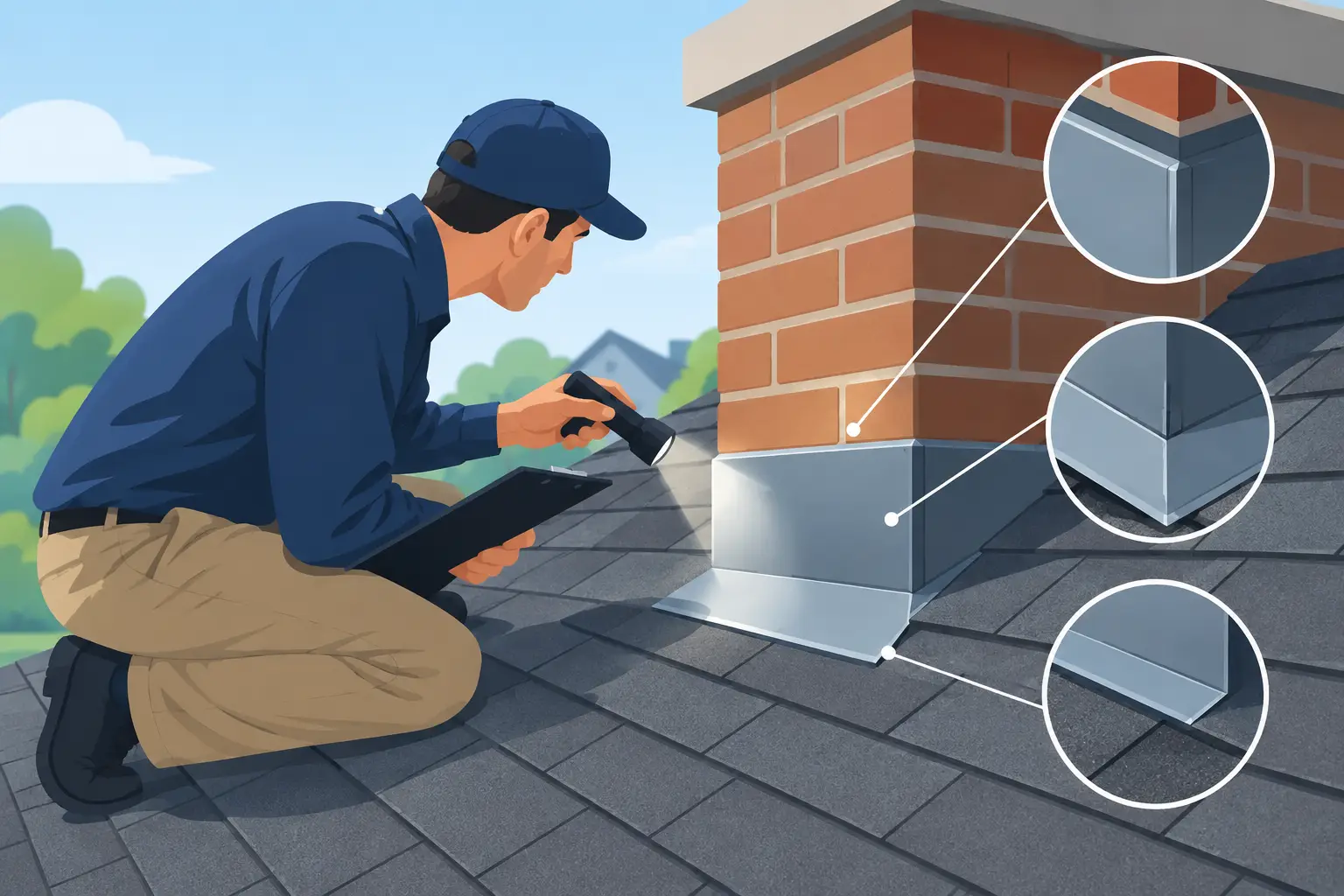
A qualified roofer may recommend repair when the leak is traced to damaged or improperly integrated flashing. Flashing is the metal or membrane system that directs water away from the skylight opening and into the roof drainage path. If it has lifted, corroded, or been installed incorrectly, water can work beneath shingles or roofing materials even when the skylight glass is perfectly intact.
Repairs can also be appropriate for minor gasket deterioration, blocked drainage channels on operable units, loose fasteners, or isolated damage to shingles around the skylight. These conditions require careful work because the roofing system must be opened and restored without creating a new weak point.
A Repair Should Address the Cause, Not Cover the Symptom
Caulking around a leaking skylight may slow water down temporarily, but it is rarely a permanent repair. Roofing sealants have a role in a properly designed system, yet they should not be used to compensate for failed flashing, missing underlayment, or damaged roofing materials.
A professional repair identifies the water path, removes compromised materials where needed, and rebuilds the flashing and waterproofing details correctly. The goal is to restore the roof assembly, not simply hide the visible evidence of a leak.
Repair is generally most cost-effective when the skylight is under 10 years old, the glazing is clear and sealed, and the surrounding roof still has meaningful service life left. The actual recommendation should always follow an on-site assessment.
Signs It Is Time to Replace the Skylight
Replacement becomes the stronger option when a skylight has reached the end of its useful life or has defects that cannot be reliably corrected through repair. Older units often have worn seals, brittle frames, outdated glazing, and flashing systems that no longer meet current installation standards.
Fogging or moisture between glass panes is a major warning sign. It usually means the insulated glass seal has failed. Once that seal is compromised, the skylight loses energy efficiency and may develop permanent haze. Replacing the full skylight is typically more practical than attempting to repair the glazing assembly.
Visible cracks in the lens or glass, warped frames, recurring leaks after previous repairs, and interior water staining around the skylight shaft also deserve close attention. Repeated repairs can cost more over time while allowing moisture to damage insulation, drywall, framing, or electrical components nearby.
Replacement is particularly advisable when the roof is also due for replacement. Installing a new skylight during a reroofing project allows the contractor to integrate new flashing, underlayment, and roofing materials as one complete system. It avoids disturbing a newer roof later to remove an old skylight.
Do Not Install a New Skylight Into a Failing Roof
A new skylight will not solve problems caused by deteriorated shingles, compromised decking, poor ventilation, or widespread flashing failures. Likewise, a roof replacement that leaves a failing skylight in place can create an avoidable future expense.
When both components are aging, completing the work together is usually the cleaner and more durable approach. It also gives the roofing contractor the opportunity to inspect the skylight opening, curb, and surrounding deck before new materials are installed.
Cost Factors in Skylight Repair Versus Replacement
The lowest upfront price is not always the lowest ownership cost. A simple flashing repair may be an excellent value if it resolves an isolated issue on a sound skylight. However, spending repeatedly on an older unit with failed seals or a deteriorating frame can become false economy.
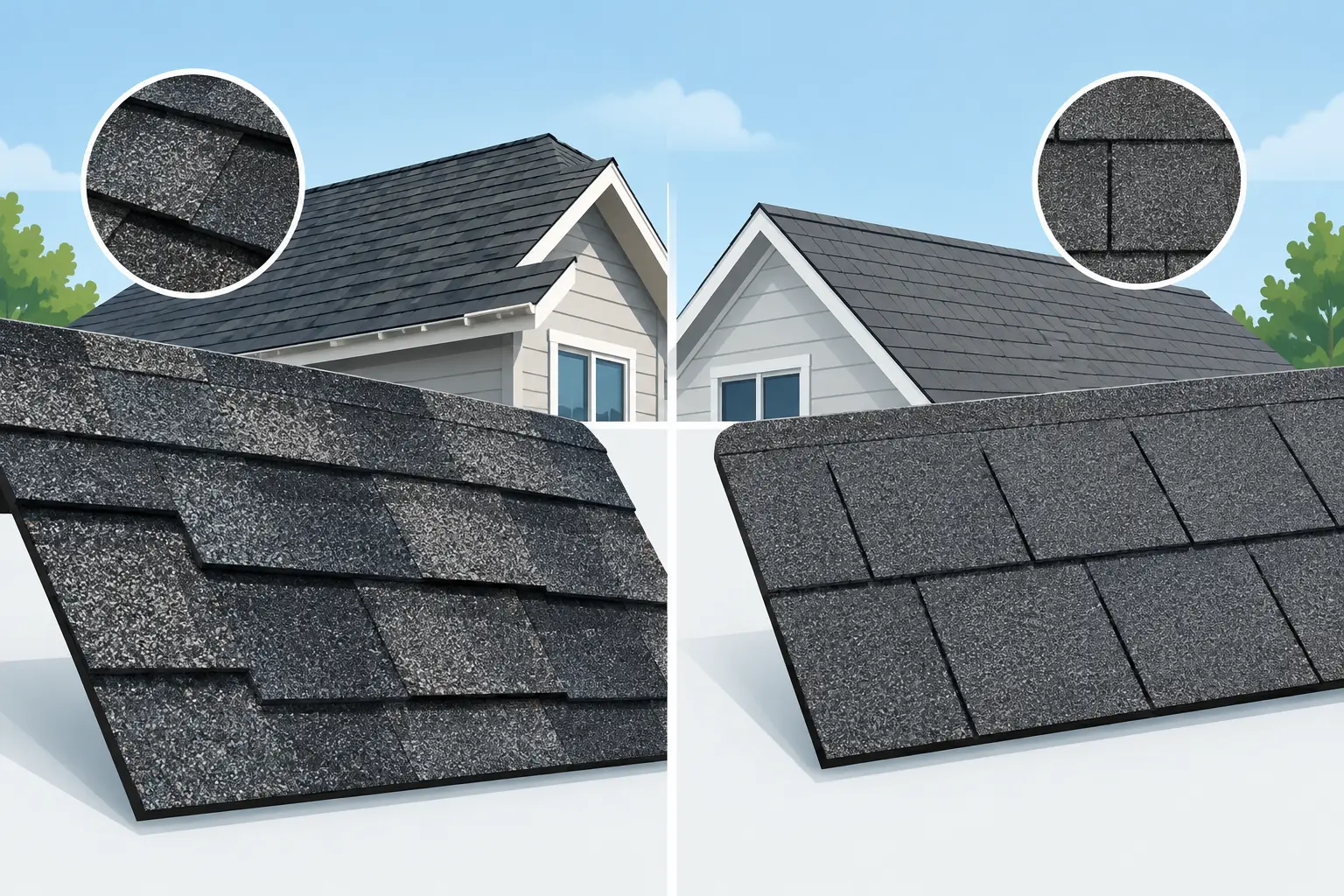
Several factors influence the scope and cost of skylight work. Roof height and pitch affect access and safety requirements. The roofing material matters because asphalt shingles, metal, tile, and low-slope commercial systems each require different installation details. The size and style of the skylight also matter, especially for venting, solar-powered, curb-mounted, or custom units.
Interior damage can add to the project as well. If water has affected drywall, paint, insulation, or the skylight shaft, those repairs should be planned after the exterior leak source has been corrected. Repairing interior finishes before resolving the roofing issue often leads to repeat damage.
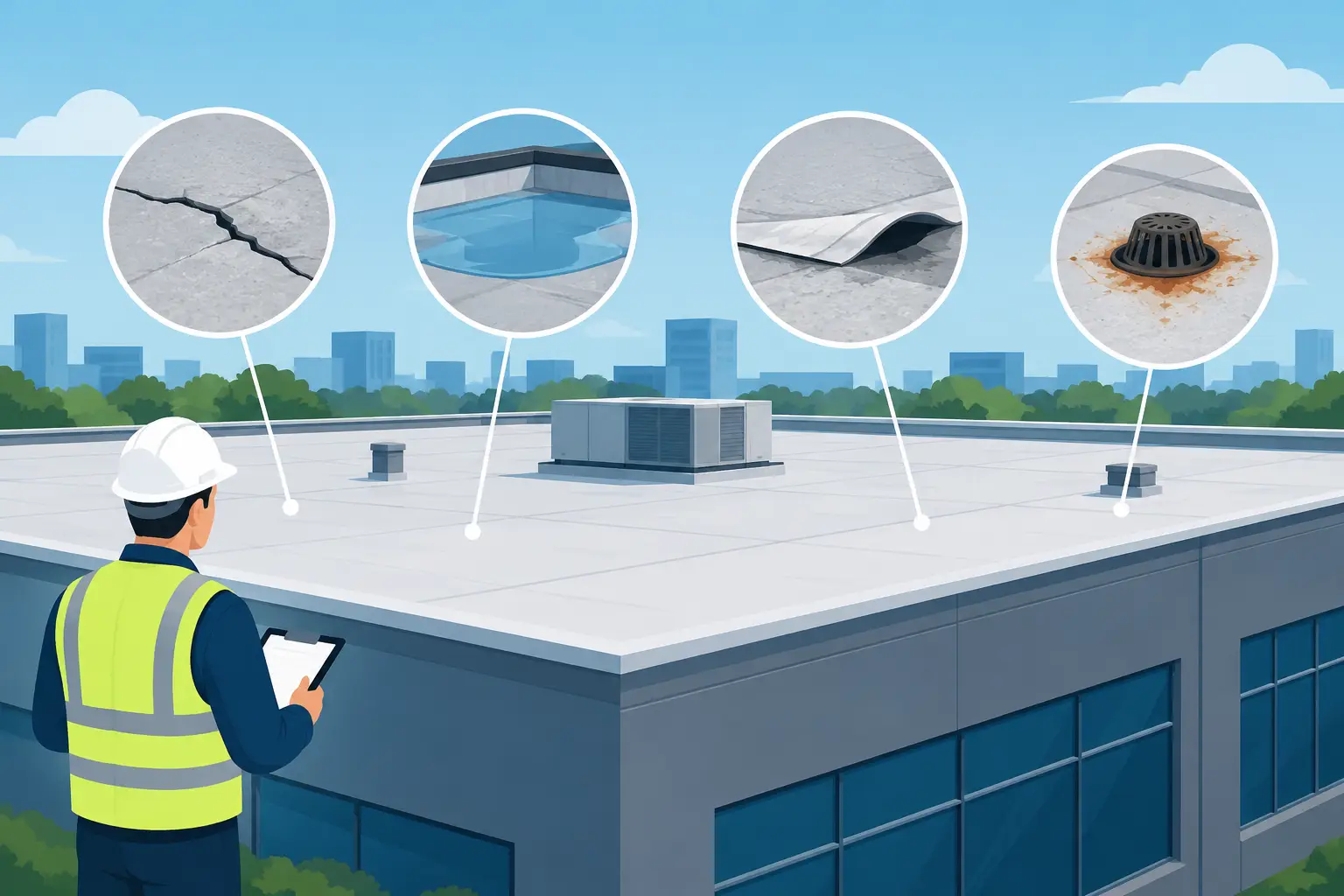
For commercial properties, the decision may also involve drainage design, roof membrane compatibility, equipment access, and the need to minimize disruption to tenants or operations. A detailed estimate should explain what is being repaired or replaced and how the waterproofing system will be restored.
Energy Performance and Comfort Matter
Older acrylic dome skylights and single-pane glass units can contribute to heat loss in winter and unwanted solar heat gain in summer. Newer skylights may offer insulated glazing, low-emissivity coatings, improved seals, and better condensation management.
That does not mean every older skylight needs immediate replacement. If it is dry, structurally sound, and performing adequately, repair may still be appropriate. But if occupants notice drafts, persistent condensation, fading finishes, or uncomfortable temperature swings below the skylight, replacement can improve both comfort and efficiency.
Proper installation remains essential. Even a premium skylight can leak or underperform if its flashing is not correctly integrated with the roof. The product and the workmanship must work together.
Why Skylight Work Requires Roofing Expertise
Skylights interrupt the roof plane, which makes them one of the most detail-sensitive areas of any roofing system. The work involves more than setting a window into an opening. It requires proper waterproofing, material compatibility, drainage planning, safe roof access, and a clear understanding of how the roof sheds water.
An experienced roofing team should inspect the exterior flashing, roofing materials, curb condition, decking, attic-side moisture signs, and interior finishes before recommending a solution. They should also explain whether the problem is isolated or connected to a larger roof condition.
Toronto Roofers approaches skylight concerns with the same standards used for roof repair and replacement: trained installers, Working at Heights safety compliance, detailed on-site evaluation, and direct accountability for workmanship. That level of oversight matters when water protection is the primary objective.
Questions to Ask Before Approving the Work
Before authorizing a repair or replacement, ask the contractor what caused the leak and how that conclusion was reached. Ask whether the surrounding roof materials are near the end of their life, whether decking or insulation shows moisture damage, and what flashing system will be used.
For a replacement, confirm whether the new skylight is compatible with the roof type and pitch. Ask how the contractor will protect the interior during the work, whether permits are required for structural changes, and what workmanship and manufacturer warranty coverage applies.
Clear answers are a useful sign of a contractor who understands the full roof system rather than treating the skylight as an isolated window problem.
A leaking skylight deserves prompt attention, but it does not always require the most expensive solution. Get a professional assessment while the issue is still manageable, then choose the repair or replacement that protects the roof, the interior, and the value of the property for the years ahead.