
A roof can look tired long before it has reached the end of its service life. That is why roof coating vs replacement is not simply a pricing question. The right choice depends on what is happening below the visible surface: trapped moisture, failing seams, membrane deterioration, drainage problems, deck damage, or a roof system that is still fundamentally sound.
For Toronto homeowners, property managers, and commercial owners, the safest decision starts with an on-site inspection. A coating may extend the life of a suitable roof at a lower upfront cost. Replacement is the better investment when repairs would only cover up widespread failure. The goal is not to choose the less expensive option today. It is to avoid paying twice for work that does not solve the actual problem.
Roof Coating vs Replacement: The Core Difference
A roof coating is a liquid-applied system that cures into a protective, continuous layer over an existing roof surface. On the right commercial or low-slope roof, it can help seal minor surface imperfections, improve resistance to standing water when the product is designed for it, and reflect sunlight. Coatings are commonly considered for metal roofs and certain flat-roof membrane systems.
A roof replacement removes the existing roofing materials down to an appropriate level, often exposing the deck for inspection and repair before a new system is installed. On a residential asphalt shingle roof, replacement generally means new shingles, underlayment, flashing, ventilation components, and related details as needed. On a commercial roof, it may involve a new membrane system, insulation, flashing, drains, and edge details.
The distinction matters because coating is a restoration strategy, not a cure for structural or moisture-related failure. A coating cannot repair rotten decking, restore saturated insulation, correct poor roof design, or make worn-out shingles perform like a new roof.
When a Roof Coating Can Be a Smart Investment
Coating is most effective when the existing roof is dry, stable, and near the earlier stage of weathering rather than the end of its life. The substrate must be properly prepared, clean, and compatible with the coating system. Adhesion is everything. If the surface is dirty, wet, unstable, or heavily deteriorated, a coating may peel or fail prematurely.
For commercial buildings, a coating can be a practical option when a low-slope roof has localized wear but no widespread membrane breakdown. It may reduce disruption to tenants and business operations because installation is typically less invasive than a full tear-off. Reflective coatings can also reduce heat absorption, which may be useful on large exposed roof areas during warmer months.
Metal roofing can also be a strong candidate when corrosion is superficial, fasteners and seams can be properly addressed, and the panels remain structurally sound. Preparation may include cleaning, treating rust, replacing failed fasteners, sealing seams, and applying the specified coating thickness. Skipping those steps turns a restoration project into a short-term cosmetic treatment.
A coating should be viewed as part of a maintenance plan. It still requires periodic inspection, especially around drains, penetrations, curbs, seams, and roof edges. Its expected life depends on the product, application thickness, roof traffic, drainage, weather exposure, and quality of preparation.
When Replacement Is the Better Decision
Replacement is usually the responsible choice when damage extends below the roof surface. If water has entered the assembly, insulation is saturated, the deck is soft, or leaks appear in multiple areas, coating over the roof can trap existing problems rather than resolve them.
Repeated repairs are another warning sign. One isolated leak around a vent pipe or flashing detail can often be repaired. But recurring leaks across several sections suggest that the system is no longer providing reliable protection. Property owners should also be cautious when repairs begin to cost a meaningful portion of replacement while delivering only months of relief.
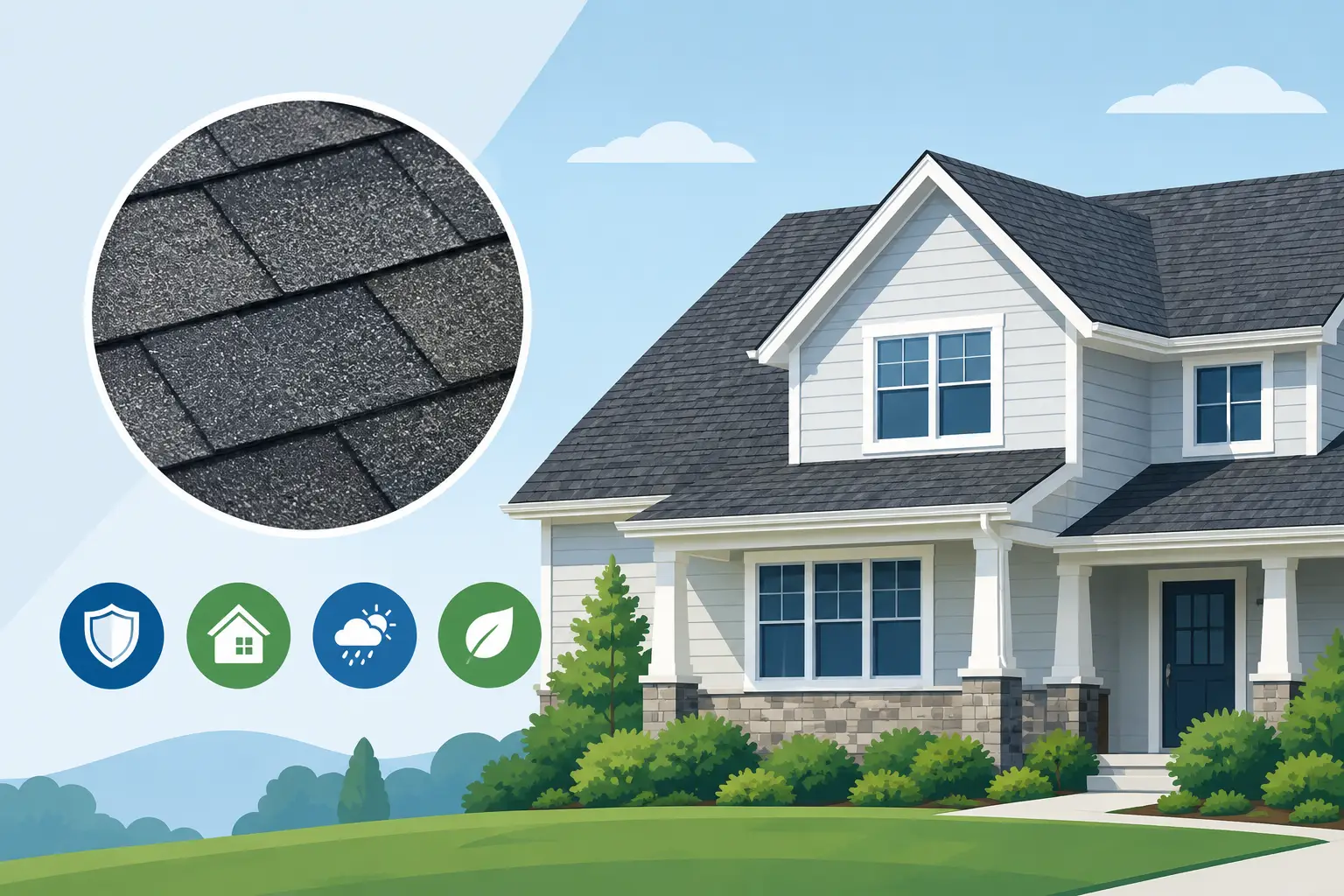
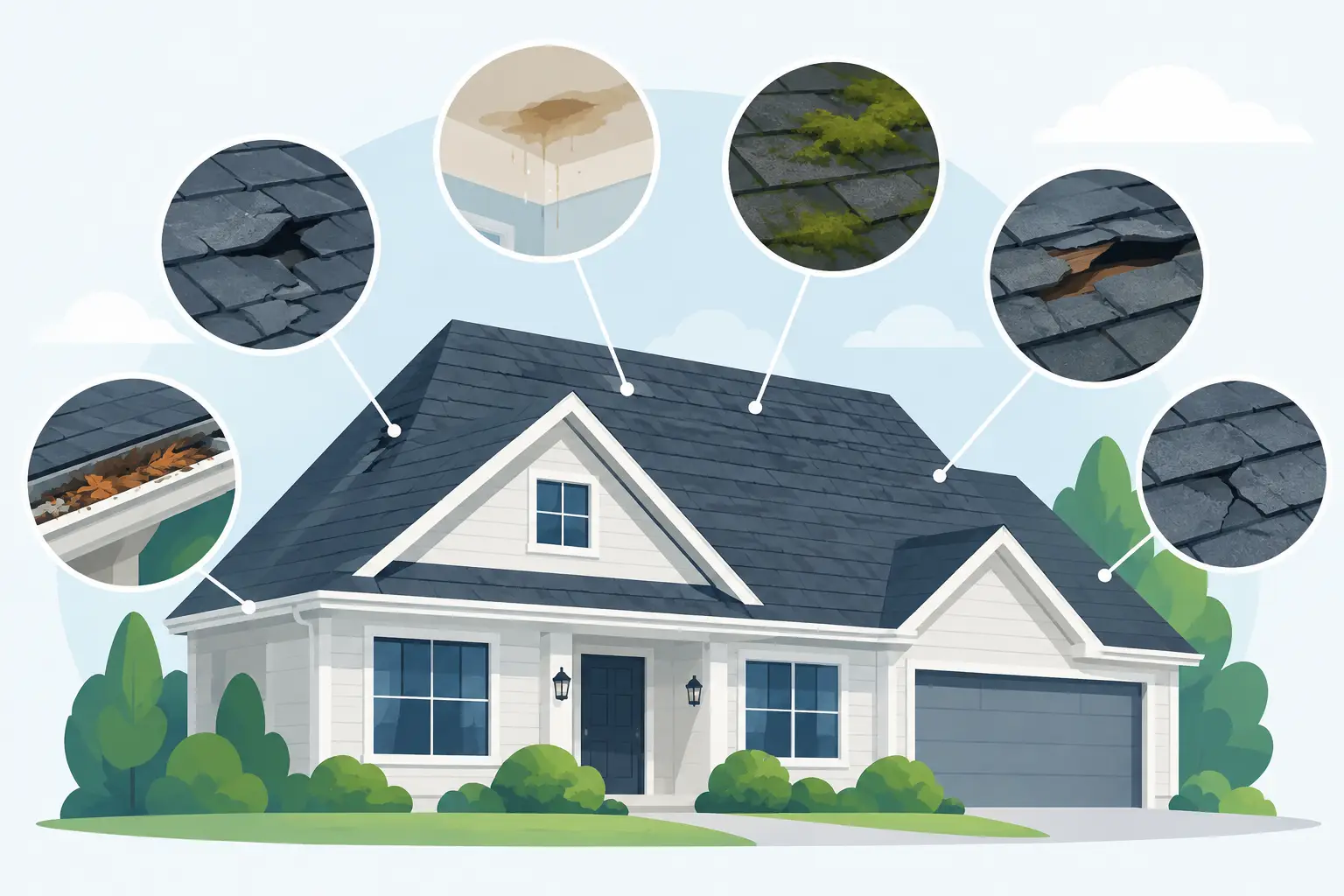
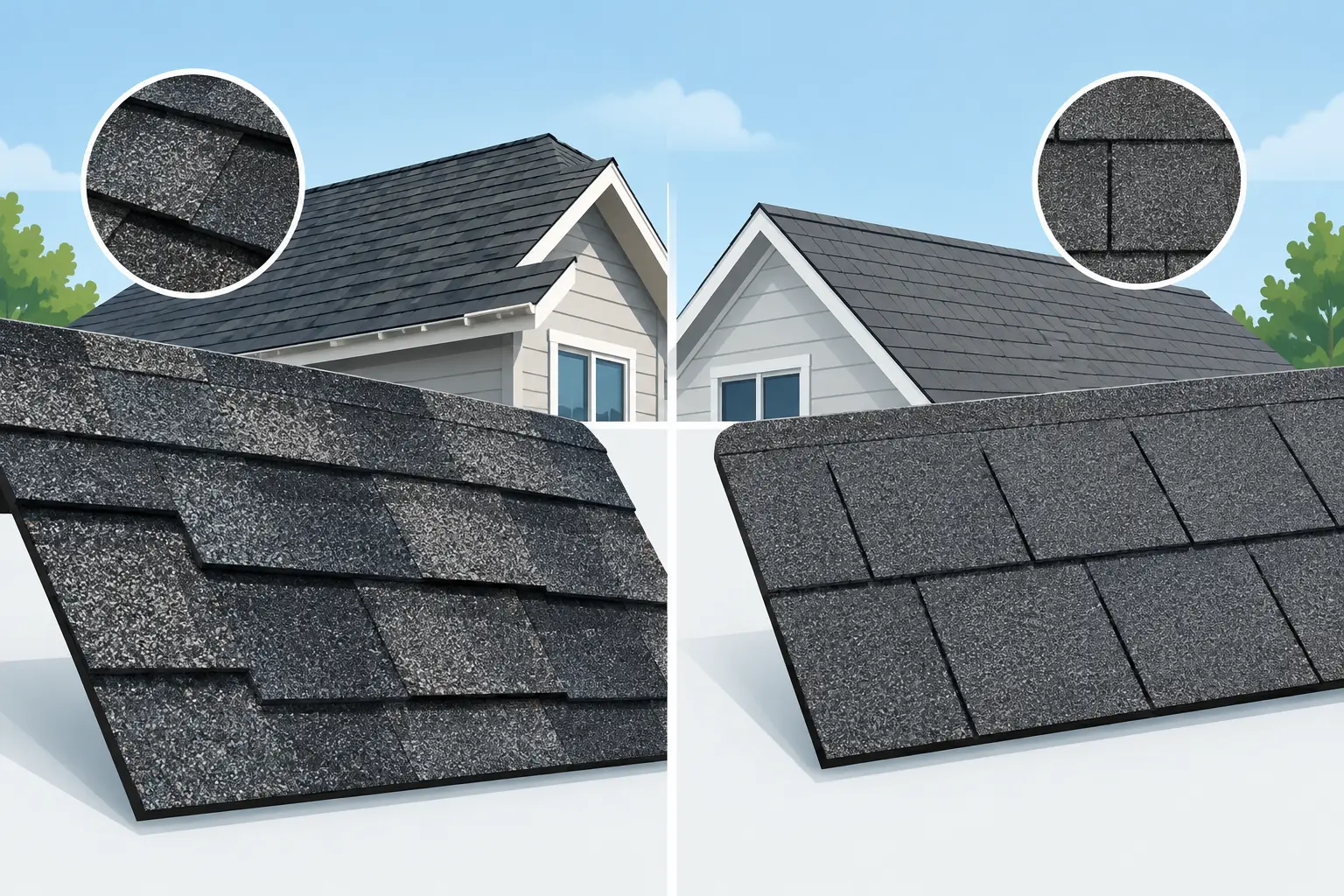
On residential shingle roofs, replacement is generally appropriate when shingles are curling, cracking, losing substantial granules, missing in multiple areas, or approaching the end of their expected service life. Applying a coating to asphalt shingles is rarely a substitute for professionally installed replacement. It can interfere with the roof’s intended drainage and ventilation behavior, conceal defects, and complicate future service or warranty considerations.
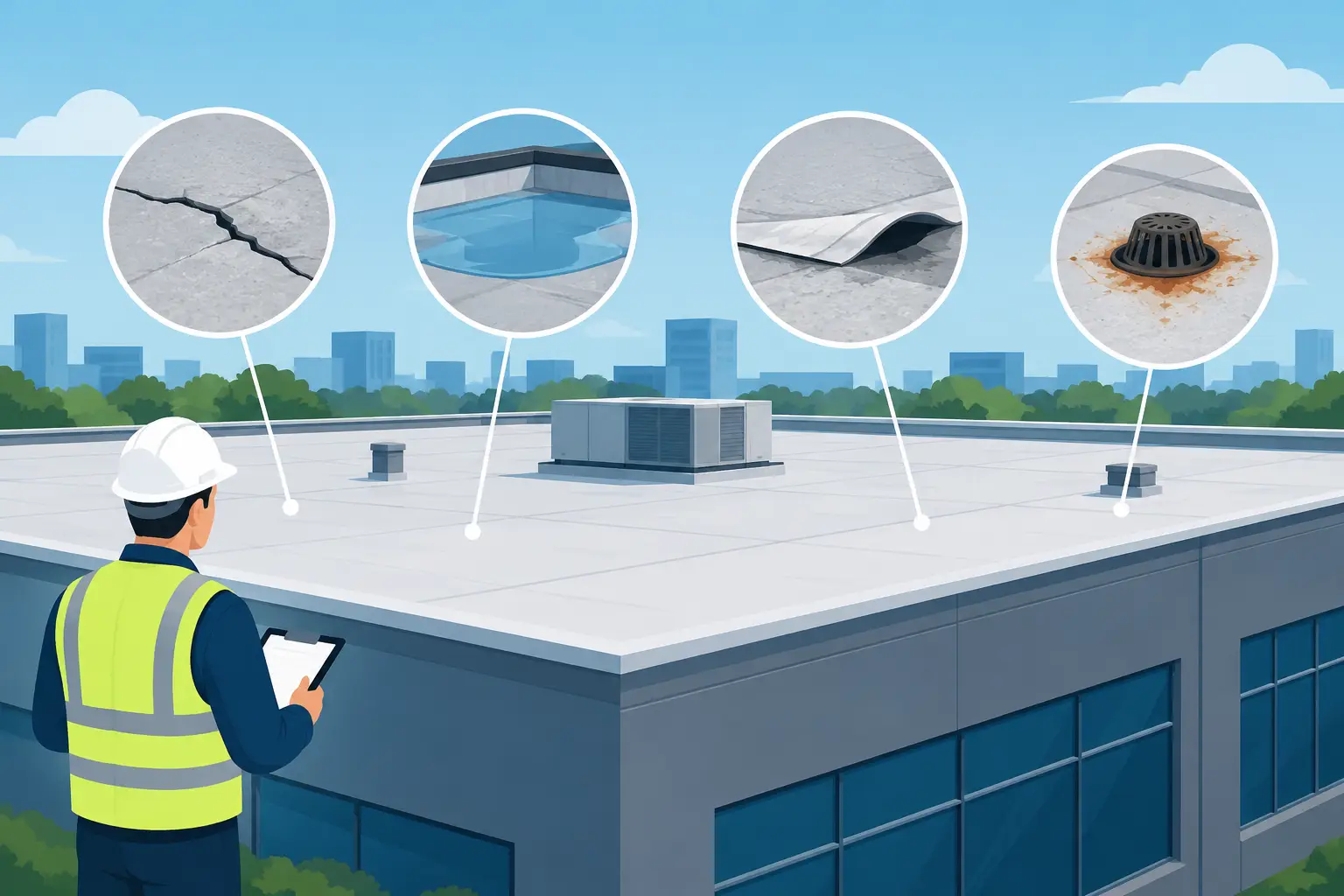
Commercial replacement may be necessary when seams are failing throughout the roof, blisters are widespread, ponding water has caused ongoing deterioration, or the existing system has been coated too many times to provide a dependable base. A qualified contractor can determine whether a recover system is feasible or whether a full tear-off is needed. That decision should account for building code requirements, added weight, drainage, insulation performance, and the condition of the existing roof assembly.
What an Inspection Should Reveal
A useful roofing recommendation is based on evidence, not a quick view from the ground. Before recommending coating or replacement, a contractor should evaluate the roof’s age, previous repairs, surface condition, flashing, penetrations, drainage, and signs of interior water intrusion.
For low-slope commercial roofs, moisture testing may be necessary to identify wet insulation that cannot be seen from the surface. For sloped residential roofs, an inspection should include shingles, valleys, chimney and wall flashing, vents, eaves, attic ventilation, and visible deck condition where accessible. The contractor should also check whether roof problems are being worsened by clogged gutters, inadequate slope, or ice-dam conditions.
Ask for a detailed estimate that identifies the scope of work, materials, preparation requirements, repair allowances, warranty coverage, and exclusions. If coating is proposed, the estimate should specify the coating type, primer if required, reinforcement at seams and penetrations, and target application rate. If replacement is proposed, it should clearly explain tear-off, deck repairs, underlayment, flashing, ventilation, and disposal.
Cost Is More Than the Initial Quote
A coating typically costs less upfront than replacement because it may avoid tear-off, disposal, and major material expenses. That makes it appealing for a building owner trying to extend service life while planning for a future capital project. It can be a sound decision when the roof qualifies and the work is performed to the manufacturer’s specifications.
However, a lower initial price is not automatically lower ownership cost. If a coating is applied over concealed moisture or an unstable roof surface, the building owner may still face a replacement sooner than expected. The money spent on the coating then becomes an added cost rather than an extension of value.
Replacement has a higher initial investment, but it allows the contractor to address the complete roofing assembly and install a system with a new manufacturer warranty when conditions and materials qualify. It also creates the opportunity to improve ventilation, flashing, drainage details, or insulation performance. For an aging roof with widespread defects, that broader scope often provides more predictable long-term value.
Warranty and Workmanship Matter
The product label does not guarantee roof performance. Coating systems and replacement roofs both depend on correct preparation, installation conditions, material compatibility, and workmanship. A coating applied during unsuitable weather or at the wrong thickness may not perform as designed. A replacement roof with poorly installed flashing can leak even when premium shingles or membranes are used.
Choose a contractor that can explain the system being installed and stand behind the work. Training, manufacturer credentials, Working at Heights compliance, and direct project oversight are practical indicators that the crew understands both installation requirements and site safety. Toronto Roofers approaches every recommendation with that accountability in mind, because the right scope should protect the building, not just make the roof look better for a season.
Make the Decision Before Damage Spreads
If the roof is dry, structurally sound, and compatible with a properly specified restoration system, a coating can be an efficient way to gain additional service life. If leaks are recurring, materials are failing broadly, or moisture has reached the assembly, replacement is usually the more dependable path.
Do not wait for a ceiling stain to make the decision for you. A professional roof assessment can show whether the roof still has a serviceable foundation or whether it is time to invest in a new system built to protect the property for the years ahead.