
A roof can look excellent on installation day and still leave an owner exposed if the warranty paperwork, ventilation, and installation details are overlooked. This CertainTeed shingle warranty review looks beyond the word “lifetime” to explain what homeowners and property managers should expect from coverage, where the limits are, and why the installer matters as much as the shingle.
What CertainTeed’s Basic Shingle Warranty Usually Covers
CertainTeed asphalt shingles commonly include a limited lifetime warranty for the original owner of a single-family home. That language is valuable, but it should be read correctly. A limited lifetime warranty does not mean every roof issue is covered for the life of the building or that the manufacturer will pay every cost associated with replacement.
The basic warranty is generally designed to address manufacturing defects in the shingles themselves. If a qualifying defect causes the shingles to fail prematurely, CertainTeed may provide replacement shingles or compensation based on the applicable warranty terms. The amount and type of coverage can change by product line, date of installation, ownership status, and the point at which the claim is made.
Most CertainTeed architectural shingles also include a SureStart protection period. During this early period, coverage is generally stronger and less affected by depreciation. For many shingles, this period is 10 years, although owners should always confirm the written warranty for the exact product installed. Once that introductory period ends, material coverage may become prorated.
That distinction matters. A roof that develops a verified manufacturing defect in year seven may be treated very differently than one with the same issue in year 22. The warranty can still have value later in the roof’s service life, but the owner may be responsible for a larger share of replacement materials and nearly all associated project costs.
CertainTeed Shingle Warranty Review: The Real Strengths
CertainTeed is widely used because its shingle systems offer established product lines, clear system components, and warranty options tied to certified installation. For a homeowner making a major replacement decision, that structure is a meaningful advantage over selecting shingles based on color and price alone.
The strongest part of the warranty offering is the potential for enhanced protection when the entire roofing system is installed correctly by a qualified contractor. CertainTeed’s enhanced warranty programs can extend non-prorated material protection beyond the standard SureStart period and may include a workmanship component when installed by contractors with the required credentials.
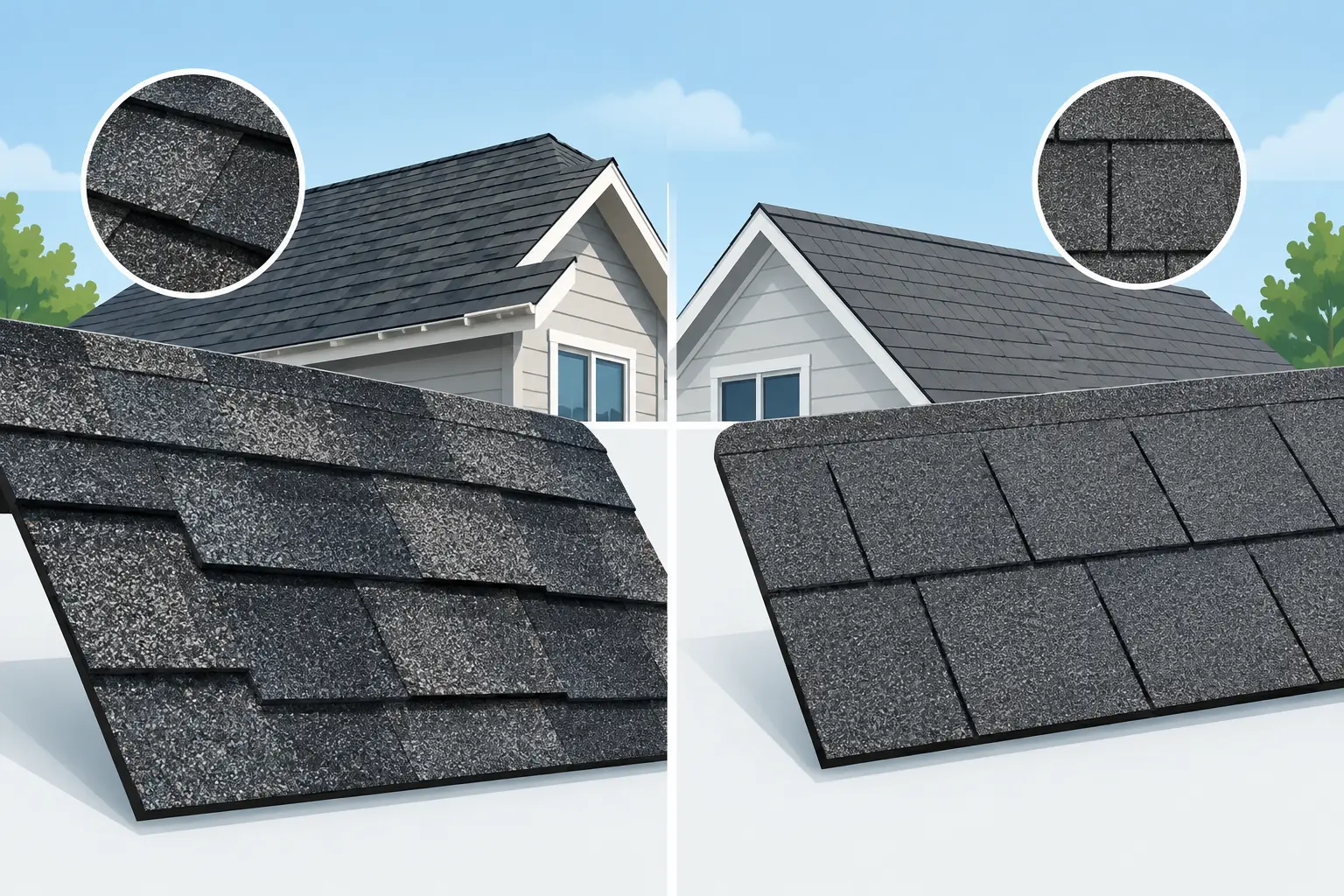
This is where the difference between a basic shingle purchase and a professionally specified roofing system becomes clear. A roof is not just field shingles. It includes starter shingles, underlayment, ice and water protection where required, hip and ridge components, flashing, attic ventilation, and fastening practices. When these components are compatible and installed to manufacturer specifications, the roof has a better chance of performing as designed and qualifying for the best available coverage.
For owners, the practical benefit is accountability. A manufacturer warranty addresses qualifying product defects. A contractor workmanship warranty addresses installation-related concerns during its stated term. Enhanced manufacturer-backed coverage may provide additional protection, but the exact scope should be confirmed before work begins, not assumed after a problem appears.
What the Warranty Does Not Automatically Cover
A warranty is not a maintenance plan, insurance policy, or guarantee against every source of roof damage. This is the point many owners discover only after filing a claim.
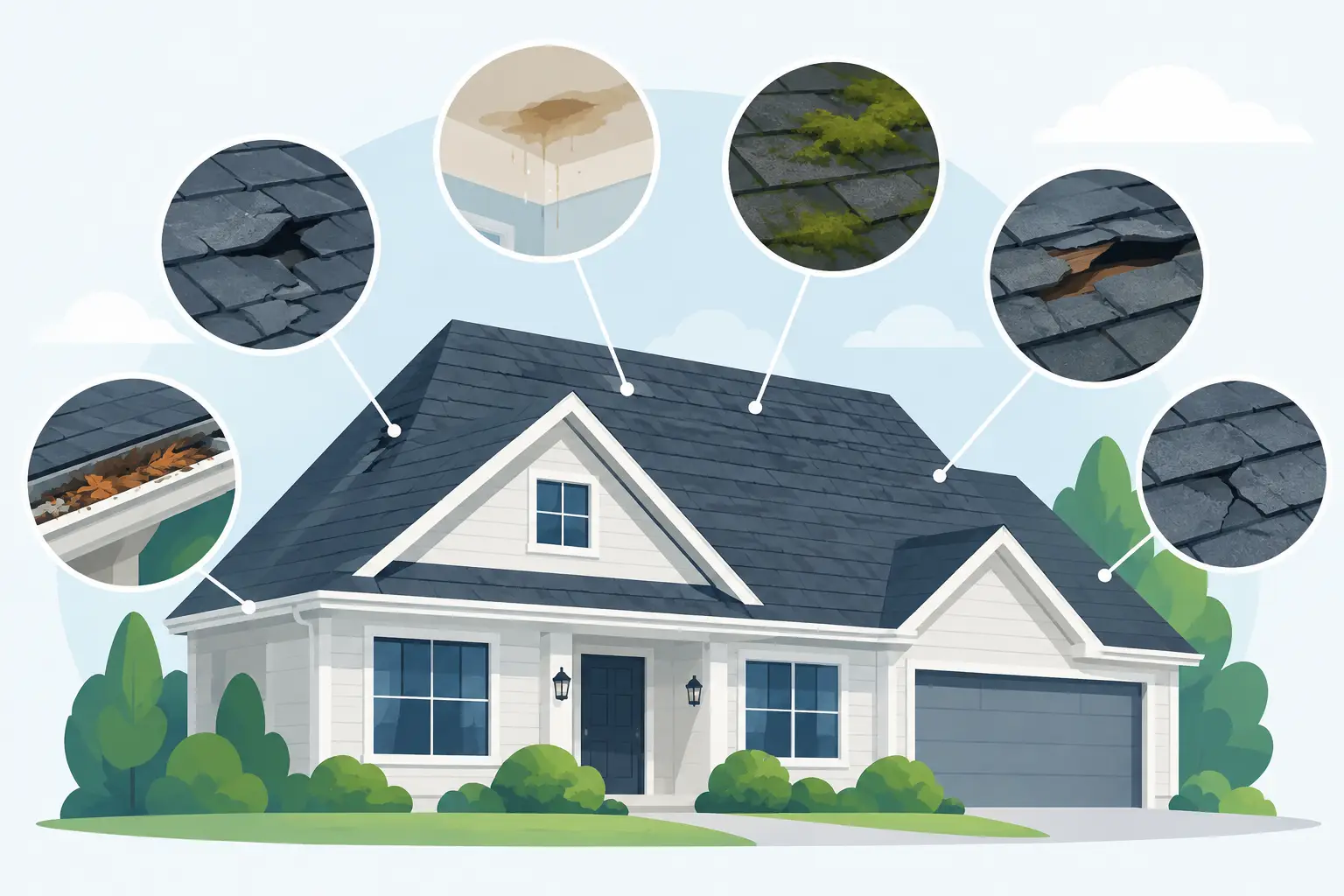
CertainTeed shingle warranties typically do not cover damage caused by severe storms, hail, high winds beyond the product’s stated wind rating, falling branches, fire, foot traffic, poor maintenance, or structural movement. Damage from ice dams, ponding water, inadequate drainage, and ventilation problems may also fall outside standard material coverage if those conditions are not caused by a manufacturing defect.
Labor is another major limitation. Basic manufacturer warranties often focus on the shingle material, not tear-off, disposal, delivery, labor, flashing replacement, interior repairs, or the cost to bring the work up to current code. Enhanced warranty programs may offer more protection, but they also have defined limits, eligibility rules, and time periods.
Algae resistance should be considered separately as well. Some CertainTeed shingles include protection against blue-green algae staining, but that is not the same as a warranty against moss, dirt, airborne pollution, or every form of discoloration. An owner should ask for the product-specific documentation instead of relying on general marketing language.
Installation Can Make or Break Warranty Value
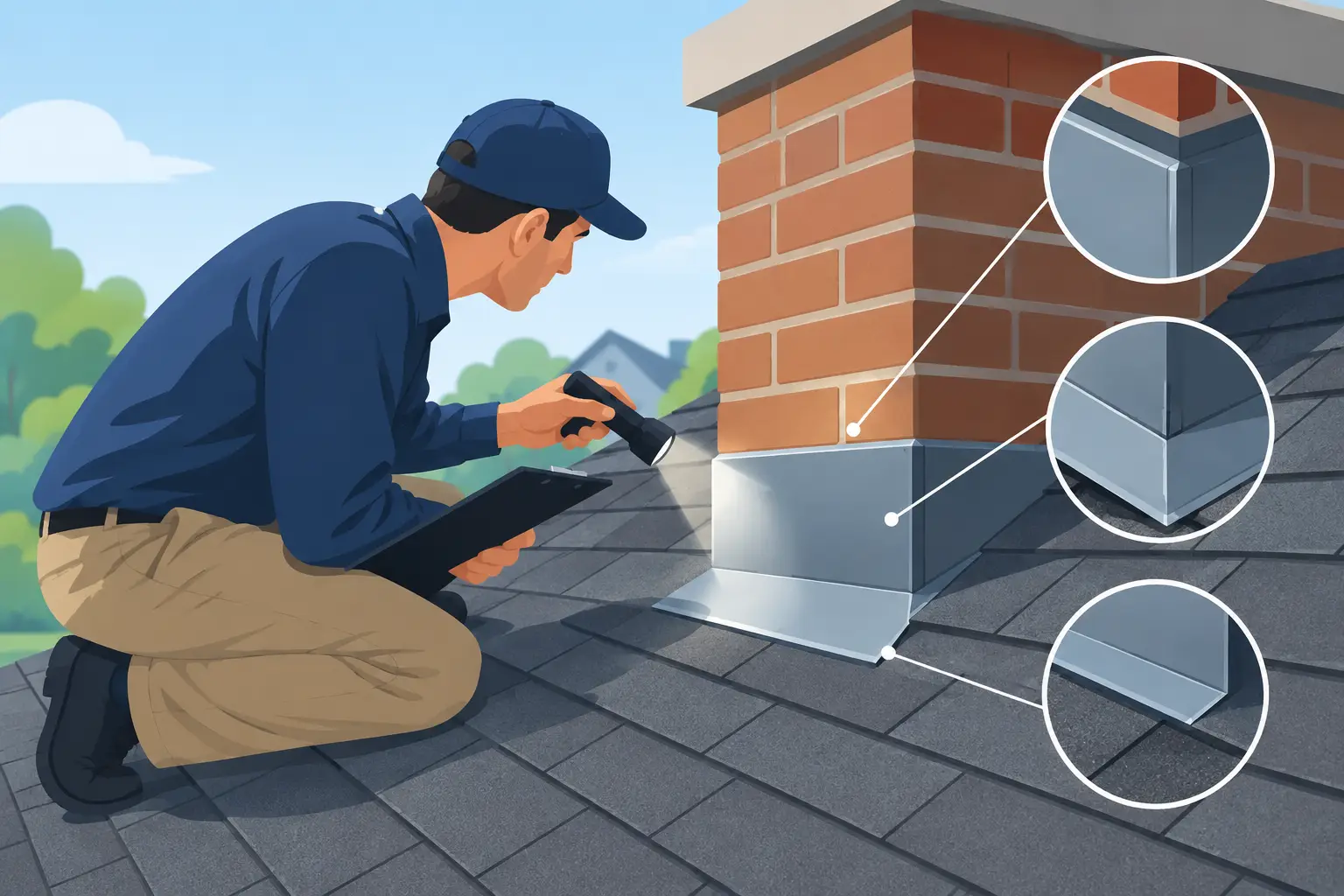
A quality warranty begins before the first shingle is installed. The roof deck must be sound, the ventilation strategy must be appropriate, and flashing details around chimneys, walls, skylights, and penetrations must be handled correctly. No shingle warranty can make up for weak workmanship in these areas.
Improper fastening is one of the clearest examples. Shingles need the correct number of nails, placed in the specified nail zone, driven flush rather than overdriven or underdriven. Errors can affect wind performance and create a difficult claim situation if the roof fails prematurely.
Ventilation is equally important. Excess heat and moisture in the attic can shorten the service life of roofing materials, contribute to condensation, and damage the deck. A professional contractor should assess intake and exhaust ventilation as part of the roof replacement scope, rather than treating it as an optional add-on without reviewing the existing conditions.
Toronto Roofers approaches CertainTeed installations with trained, certified crews, direct project oversight, and attention to manufacturer requirements. That work is not simply about obtaining a stronger warranty. It is about building the roof correctly so the warranty is less likely to be needed.
Transfer Rules Matter When You Sell
A transferable warranty can improve the appeal of a newer roof when a property is sold, but “transferable” does not always mean the next owner receives the same coverage as the original owner. In many cases, transfer rights are limited to one subsequent owner, must be completed within a specific period, and may reduce the remaining term or change the level of protection.
Owners should retain the signed contract, paid invoice, warranty certificate, product details, photos of the completed work, and any warranty registration or transfer documents. These records can be useful during a future sale and are often essential if a claim is submitted.
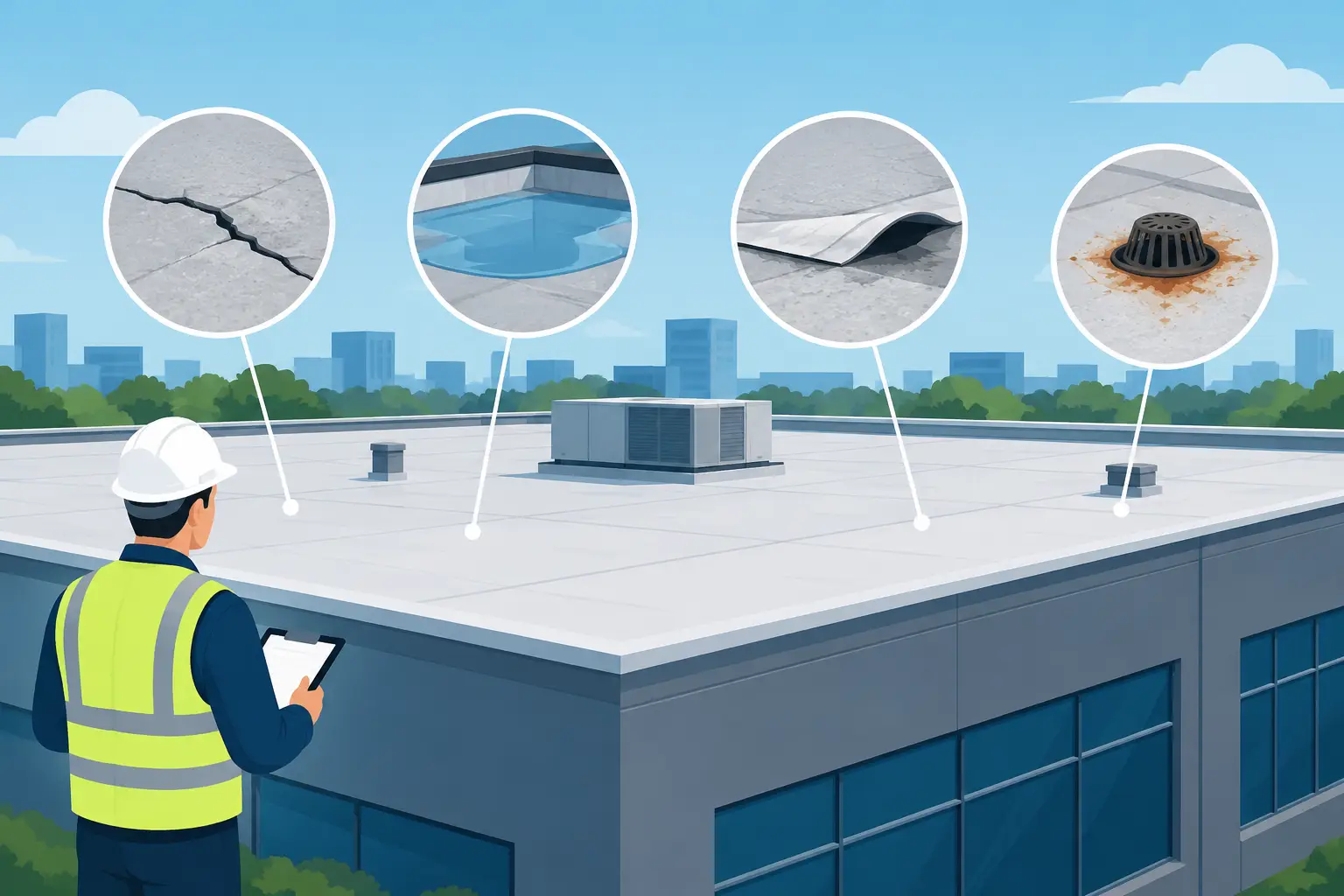
If a property manager is overseeing a commercial or multifamily building, the question becomes more detailed. Residential shingle warranties may not apply in the same way to every building type or ownership structure. Confirm the appropriate product warranty before approving materials for a condominium, rental portfolio, or mixed-use property.
Questions to Ask Before You Approve the Roof Replacement
The best time to evaluate warranty protection is during the estimate process. Ask the contractor which CertainTeed shingle line is being proposed, what standard warranty applies, and whether an enhanced warranty is available for the planned system.
You should also ask whether the quote includes the required CertainTeed accessory components, how attic ventilation will be assessed, what workmanship warranty the contractor provides, and who will handle warranty documentation after the project is complete. A detailed written estimate should identify these items clearly.
Do not choose a warranty level in isolation. A longer term is worthwhile only if the contractor is qualified to issue it, the installation scope meets the program requirements, and the added cost fits the expected ownership period. For some owners, a well-installed basic system is the right choice. For others, especially those planning to stay in the home for many years, enhanced coverage and certified installation can justify the investment.
Is a CertainTeed Warranty Worth It?
For most owners, the CertainTeed warranty is worth considering because it is supported by a recognized manufacturer and can be strengthened through a complete, properly installed roofing system. Its value is greatest when expectations are realistic: it is protection against qualifying manufacturing defects, not a substitute for competent installation, routine inspections, or storm insurance.
Before signing a contract, request the current written warranty for the exact shingle and system being installed. Then compare the coverage with the contractor’s workmanship commitment, the ventilation plan, and the details of the estimate. A roof should give you more than a good-looking finish. It should leave you with documented protection, clear accountability, and a contractor who will answer the phone if a concern arises.