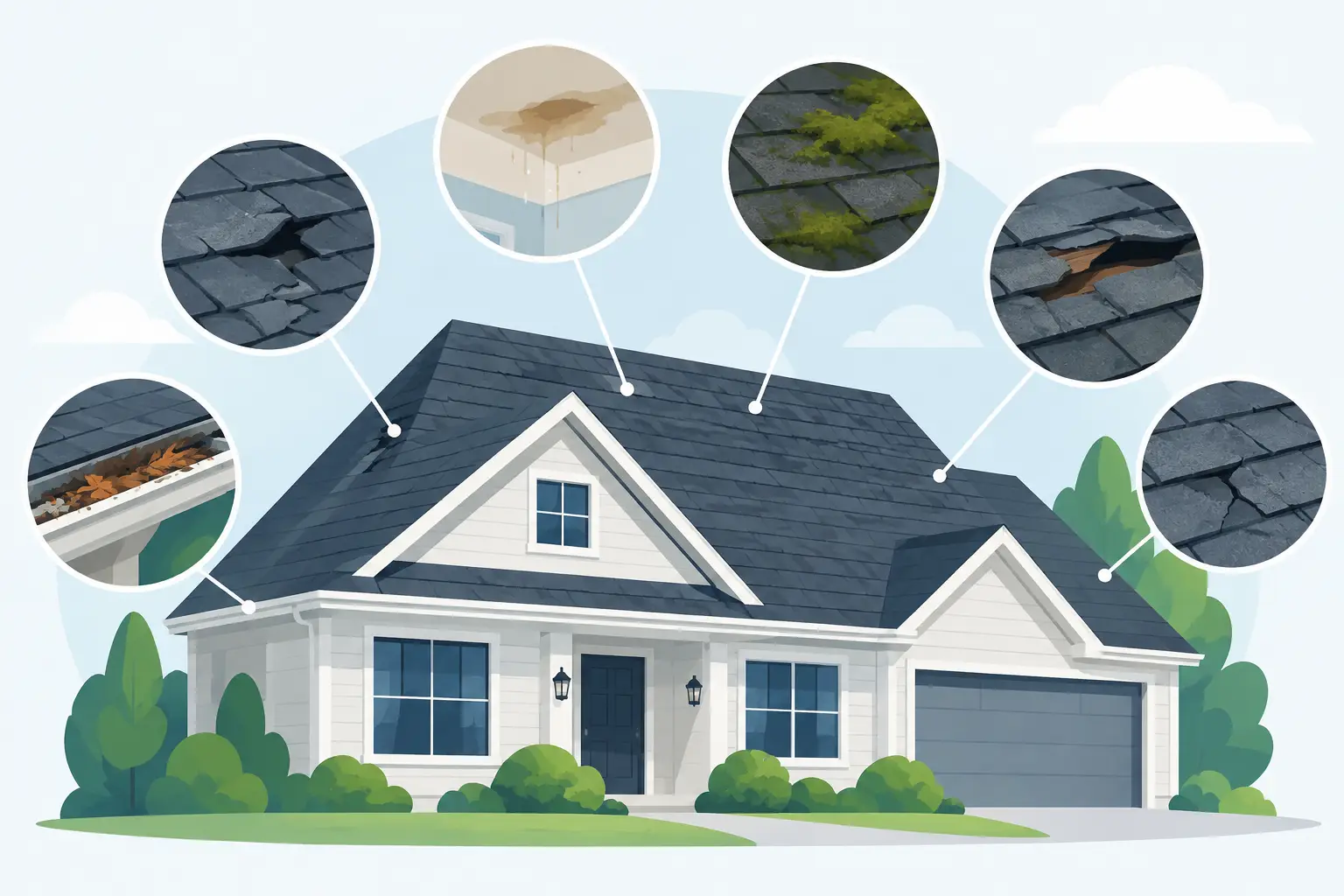
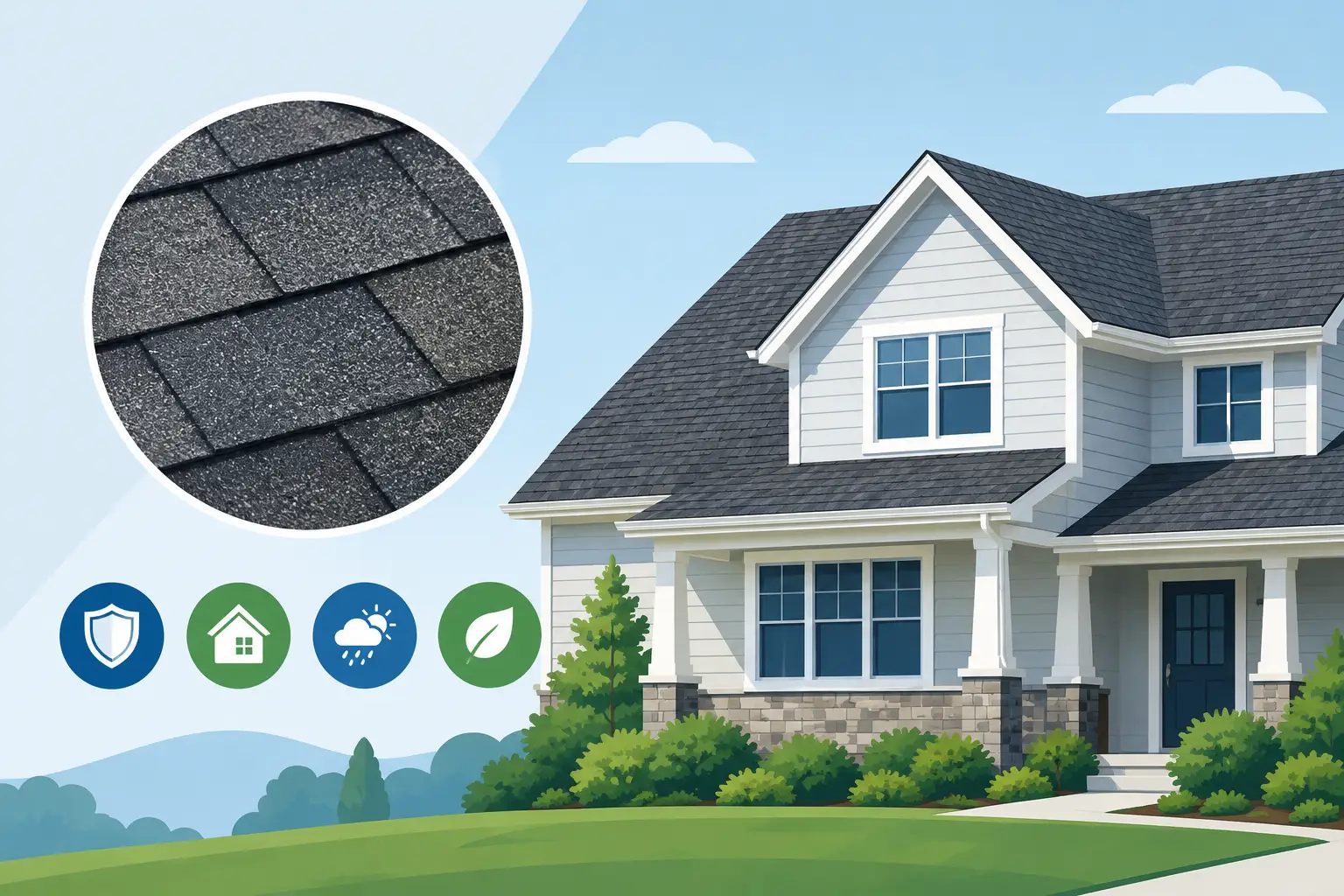
A roof rarely fails because one visible shingle looks worn. Most costly problems begin at the edges, valleys, penetrations, and attic level, where water management and ventilation matter just as much as the field shingles. This CertainTeed shingle system review looks beyond color and curb appeal to assess what homeowners are actually buying: a coordinated roof assembly designed to protect the entire structure.
For Toronto-area homes, that distinction matters. Freeze-thaw cycles, wind-driven rain, heavy snow loads, ice dams, and summer heat all place demands on a roof that a single product cannot solve alone. CertainTeed offers a well-regarded asphalt shingle system, but its long-term value still depends on selecting the right components and installing them correctly.
CertainTeed Shingle System Review: What Is Included?
A CertainTeed roofing system is built around more than the architectural shingles most homeowners see from the street. The system approach combines layers that manage water, wind, heat, and roof movement. When those layers are specified properly, they work together rather than leaving weak transition points between unrelated products.
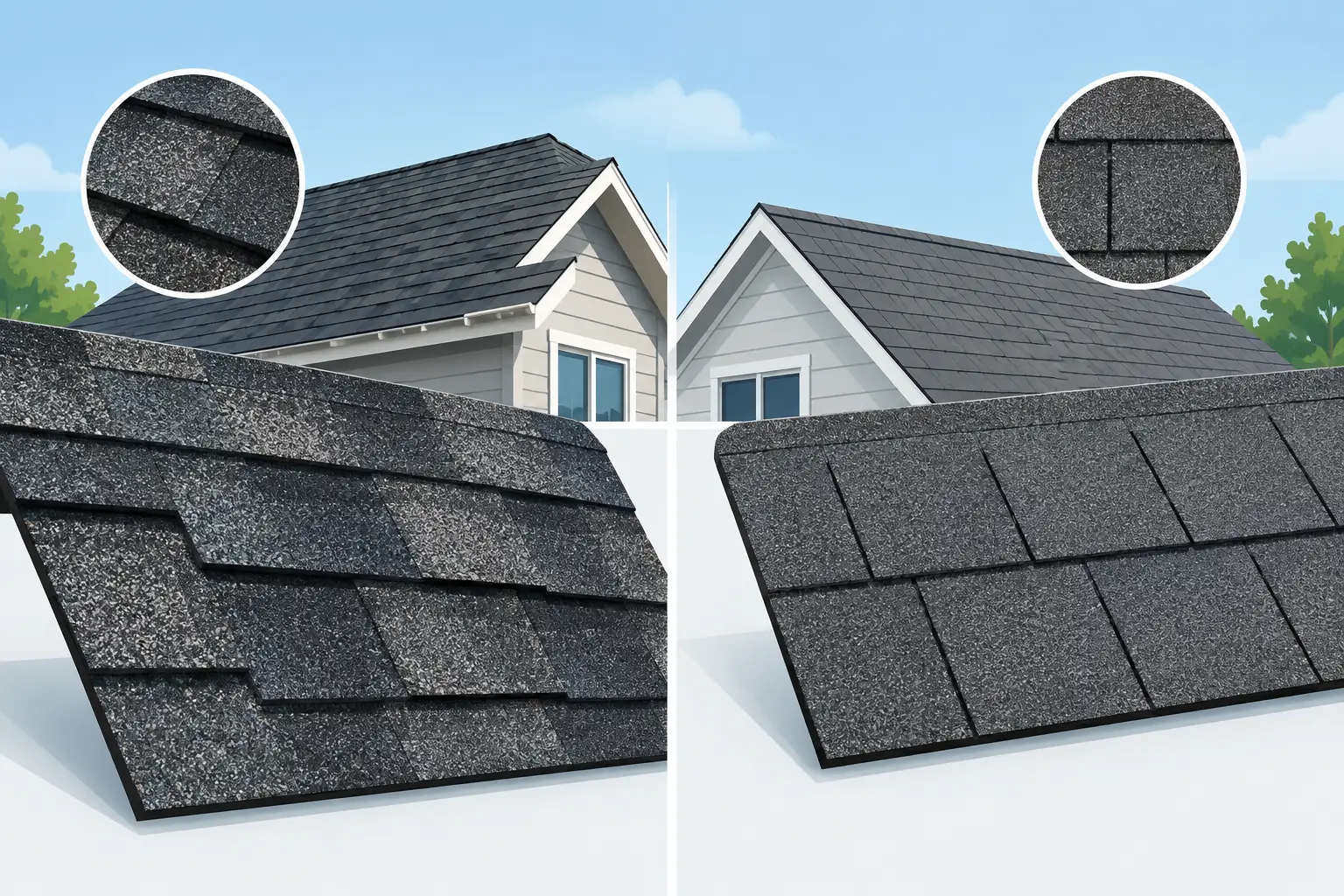
The visible shingle is usually the headline product. CertainTeed’s architectural shingle lines, including popular Landmark-style profiles, are known for dimensional appearance, broad color selection, and dependable performance for many residential roof replacement projects. Architectural shingles are thicker and more layered than basic three-tab shingles, giving them a more substantial look and generally stronger resistance to wind and weathering.
Underneath the shingles, the roof needs reliable protection where leaks are most likely to begin. A complete system may include an ice and water barrier at eaves, valleys, and around roof penetrations; a synthetic or other approved underlayment across the roof deck; starter shingles at the perimeter; and matching hip and ridge shingles at roof peaks. Proper intake and exhaust ventilation complete the assembly.
That coordinated design is the principal advantage. A roof can look finished with shingles alone, but it is not fully protected until the details beneath and around those shingles are addressed.
Where CertainTeed Performs Well
CertainTeed is a strong choice for homeowners who want a recognizable manufacturer, a wide selection of architectural styles, and a system that can be tailored to the roof’s design. It is particularly practical for standard sloped residential roofs where dependable asphalt-shingle performance is the priority.
Strong weather protection at vulnerable areas
Ontario homes are especially vulnerable to ice buildup along the lower roof edge. When attic heat melts snow and the water refreezes at the eaves, it can back up beneath shingles. An ice and water barrier is designed to provide secondary protection in these high-risk zones. The same attention should be applied to valleys, skylights, chimneys, plumbing vents, and wall intersections.
CertainTeed’s system structure makes it easier for a contractor to specify compatible materials for these conditions. Compatibility does not eliminate the need for skilled installation, but it helps avoid the common problem of mixing products without a clear system plan.
A finished, consistent appearance
Matching starter strips, ridge caps, and shingles make a visible difference. Ridge shingles are not merely decorative. They protect the roof peak and can support the look and function of a properly designed ridge ventilation system. Using purpose-made components also creates a cleaner result than cutting standard field shingles for edges and ridges.
For homeowners selling, refinancing, or simply investing in the home’s exterior, that cohesive appearance has real value. A roof is one of the largest visual surfaces on a house. Inconsistent caps, exposed sealant, uneven courses, and poorly handled transitions stand out quickly.
Options for different budgets and roof styles
Not every home needs the same shingle profile or accessory package. A straightforward gable roof may be well served by a proven architectural shingle with appropriate underlayment and ventilation. A larger home with complex valleys, dormers, steep slopes, or exposed elevations may justify a premium shingle line and more detailed flashing work.
This range is a benefit, but it also means a quote should clearly identify the exact products proposed. “CertainTeed roof” is not enough detail by itself. Homeowners should know the shingle line, underlayment type, ice and water protection locations, flashing scope, ventilation plan, and ridge material before comparing estimates.
The Trade-Offs to Consider
A CertainTeed system is not automatically the best fit for every project. Product selection should follow the condition of the roof deck, attic ventilation, slope, drainage patterns, budget, and expected ownership period.
The first trade-off is cost. A full coordinated system with upgraded underlayment, ice and water protection, matching accessories, and ventilation improvements will cost more than a bare-minimum shingle replacement. That added cost is often justified on a roof with valleys, low-slope transitions, or a history of leaks and ice dams. On a simple roof in good condition, the contractor should explain which upgrades are essential and which are optional.
The second trade-off is that a quality system cannot compensate for poor workmanship. Incorrect nailing, inadequate flashing, improper shingle exposure, blocked soffit vents, and weak deck preparation can undermine even premium materials. Manufacturer names matter, but the installer’s process matters more once the products arrive on site.
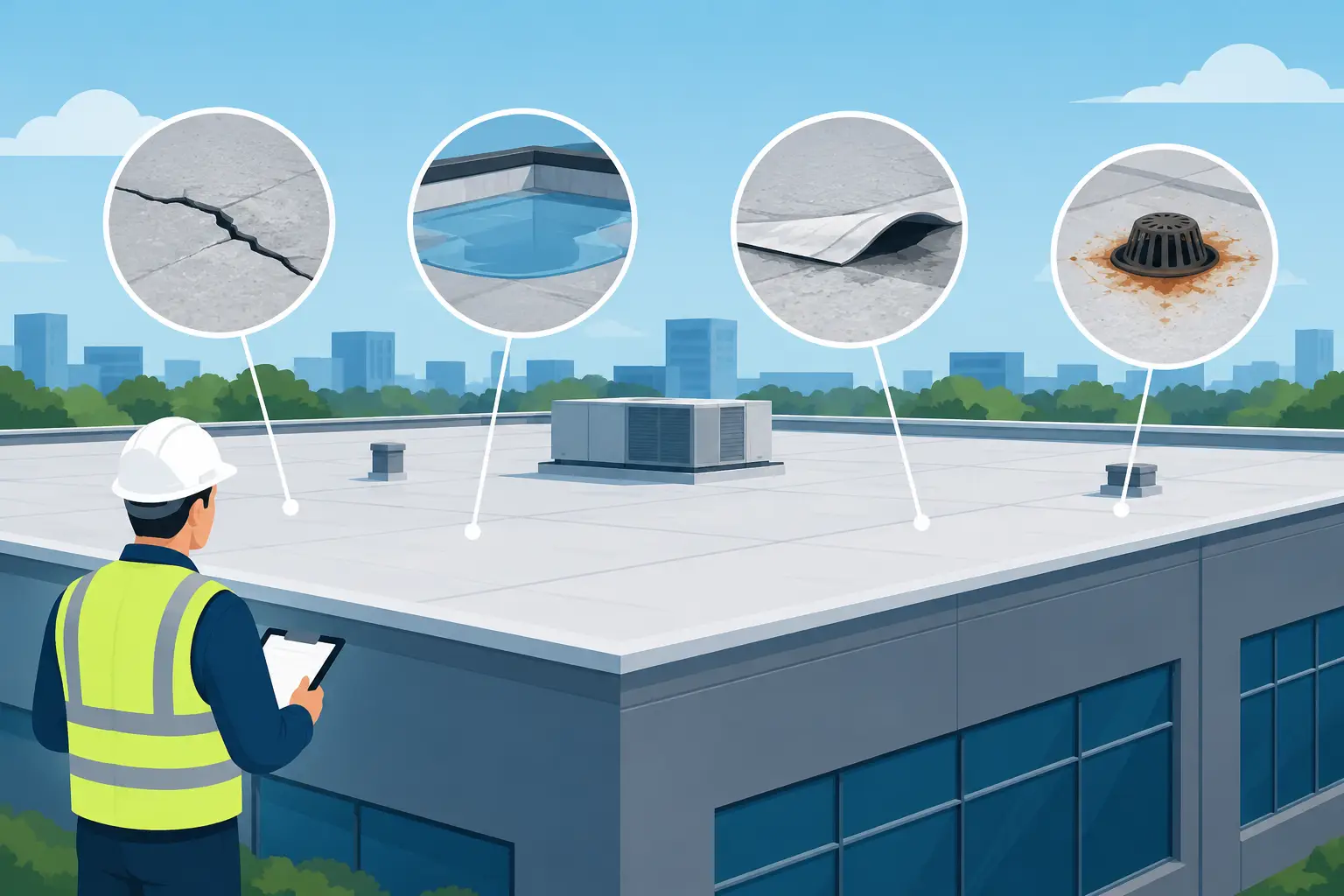
Finally, asphalt shingles have practical limits. They remain an effective and economical choice for many homes, but they may not be the right answer for very low-slope sections, roofs with chronic ponding water, or specialized commercial applications. Those areas may require a different roofing material and a separate waterproofing strategy.
Warranty Protection Depends on the Whole Installation
Homeowners often focus on the longest warranty number in a brochure. The more useful question is what the warranty covers, what is required to qualify, and how the roof was installed.
CertainTeed offers different limited warranty and enhanced coverage options depending on the shingles, accessory products, and contractor qualifications involved. Terms can change by product line and program, so the written documentation for the proposed system should be reviewed before work begins. Do not rely on a verbal statement that a roof is “fully warranted.”
A responsible estimate should separate manufacturer material coverage from contractor workmanship coverage. These are not the same. Material coverage addresses qualifying product defects under stated terms. Workmanship coverage addresses errors in installation and should be backed by the contractor performing the work.
Ask whether registration is required, whether ventilation or accessory requirements apply, and who will be your point of contact if a concern develops after installation. Clear answers before the contract is signed prevent confusion later.
Installation Details That Matter Most
The best CertainTeed shingle system is the one installed on a properly prepared roof deck. Before shingles are installed, the crew should inspect the deck for rot, delamination, soft areas, and inadequate fastening. Covering compromised wood with new shingles is not a proper roof replacement.
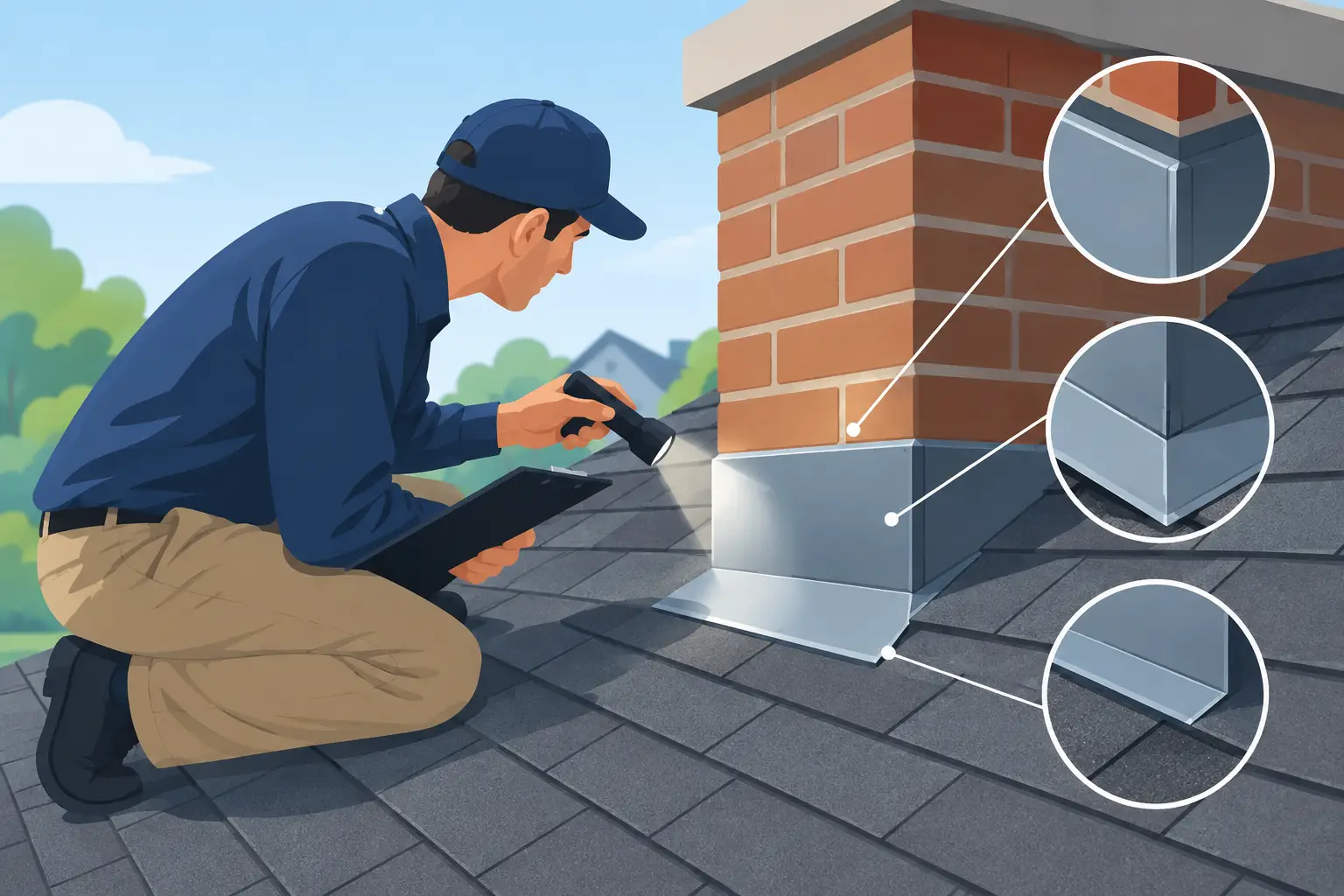
Flashing deserves equally close attention. Chimneys, sidewalls, valleys, skylights, vents, and plumbing stacks should be assessed individually. These are not areas where broad promises or surface caulking are adequate substitutes for correct metal flashing and membrane detailing.
Ventilation should also be evaluated as a system. Exhaust vents at or near the ridge need adequate intake air from the soffits or another approved intake source. Adding more exhaust without confirming intake can create an unbalanced assembly. A trained contractor will assess attic conditions, insulation interaction, moisture signs, and the roof’s existing airflow before recommending changes.
At Toronto Roofers, this is why direct oversight, trained installers, Working at Heights compliance, and documented scope matter. A roof system should be installed as a complete assembly, not treated as a fast shingle application.
Who Should Choose a CertainTeed System?
A CertainTeed shingle system is a sound option for homeowners who want architectural asphalt shingles from an established manufacturer and prefer matching roof components over a pieced-together installation. It is especially suitable when the roof has complex details, exposed edges, valley areas, or seasonal ice concerns that call for a deliberate water-management plan.
It may be less compelling for a property owner focused solely on the lowest immediate bid. A lower bid can omit essential items such as deck repairs, flashing replacement, membrane coverage, ventilation corrections, or proper site protection. Those omissions may not be obvious until the first severe weather event.
The right next step is an on-site roof assessment that identifies the exact scope your property needs. A detailed estimate should show how the shingles, underlayment, flashing, ventilation, and workmanship coverage will work together, giving you a roof decision based on protection rather than promises.