A roof replacement can look straightforward from the ground: remove the old shingles, install new materials, and clean up. In practice, roofing regulations can affect the permit process, structural work, ventilation, fire performance, worker safety, and whether a manufacturer will stand behind the finished system. For Toronto homeowners and commercial property managers, code-compliant work is not paperwork for its own sake. It protects the building, the people working on it, and the long-term value of the investment.
A qualified roofing contractor should explain what applies to your specific project before materials arrive. The answer can differ substantially between a simple shingle replacement, a flat-roof recovery, a roof deck repair, and a project that changes the structure or use of the building.
Roofing Regulations Start With the Scope of Work
The first question is not which shingle color to choose. It is what the project actually involves.
Replacing worn shingles with a comparable roofing system is different from rebuilding damaged roof decking, modifying trusses, adding skylights, changing insulation levels, or converting a low-slope roof assembly. Each added element can introduce additional requirements under the Ontario Building Code, local municipal rules, and product installation standards.
A permit is not typically required for every like-for-like roofing replacement, but property owners should never treat that as a blanket rule. Structural alterations, changes to the roofline, new openings, major deck repairs, or work connected to a larger renovation may require permit review. Commercial properties can also have additional considerations related to occupancy, fire safety, drainage, rooftop equipment, and access.
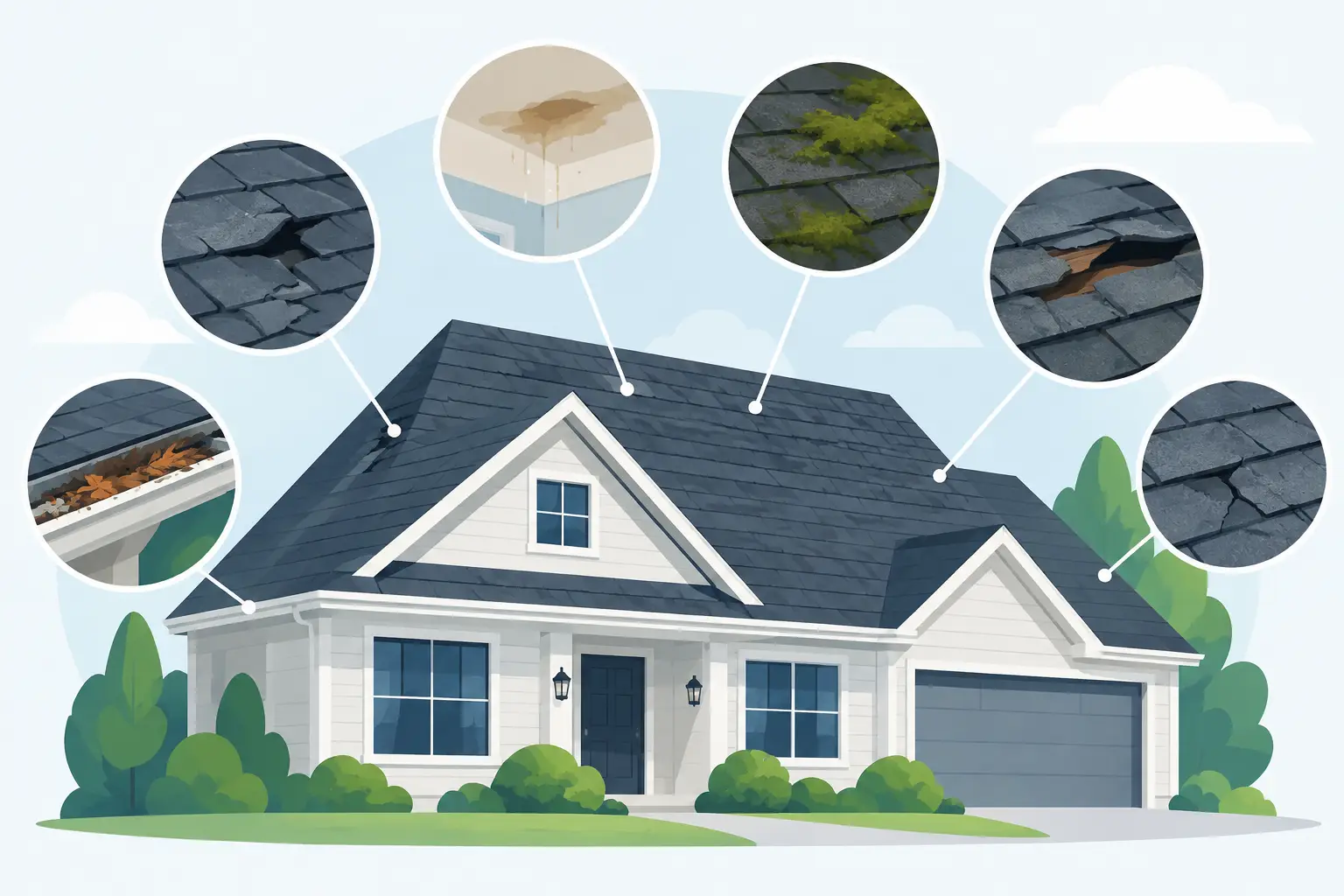
A detailed on-site assessment is the right place to identify these issues. It gives the contractor an opportunity to inspect the roof deck, flashing transitions, penetrations, drainage points, and visible signs of structural movement before providing a final recommendation.
The Building Code Is About the Whole Roof System
A roof is not just the outer covering. It is an assembly of materials that must work together: decking, underlayment, ice and water protection where required, flashing, ventilation, insulation, fasteners, and the finished covering. A failure in one layer can shorten the life of the entire roof.
Water Protection at Vulnerable Areas
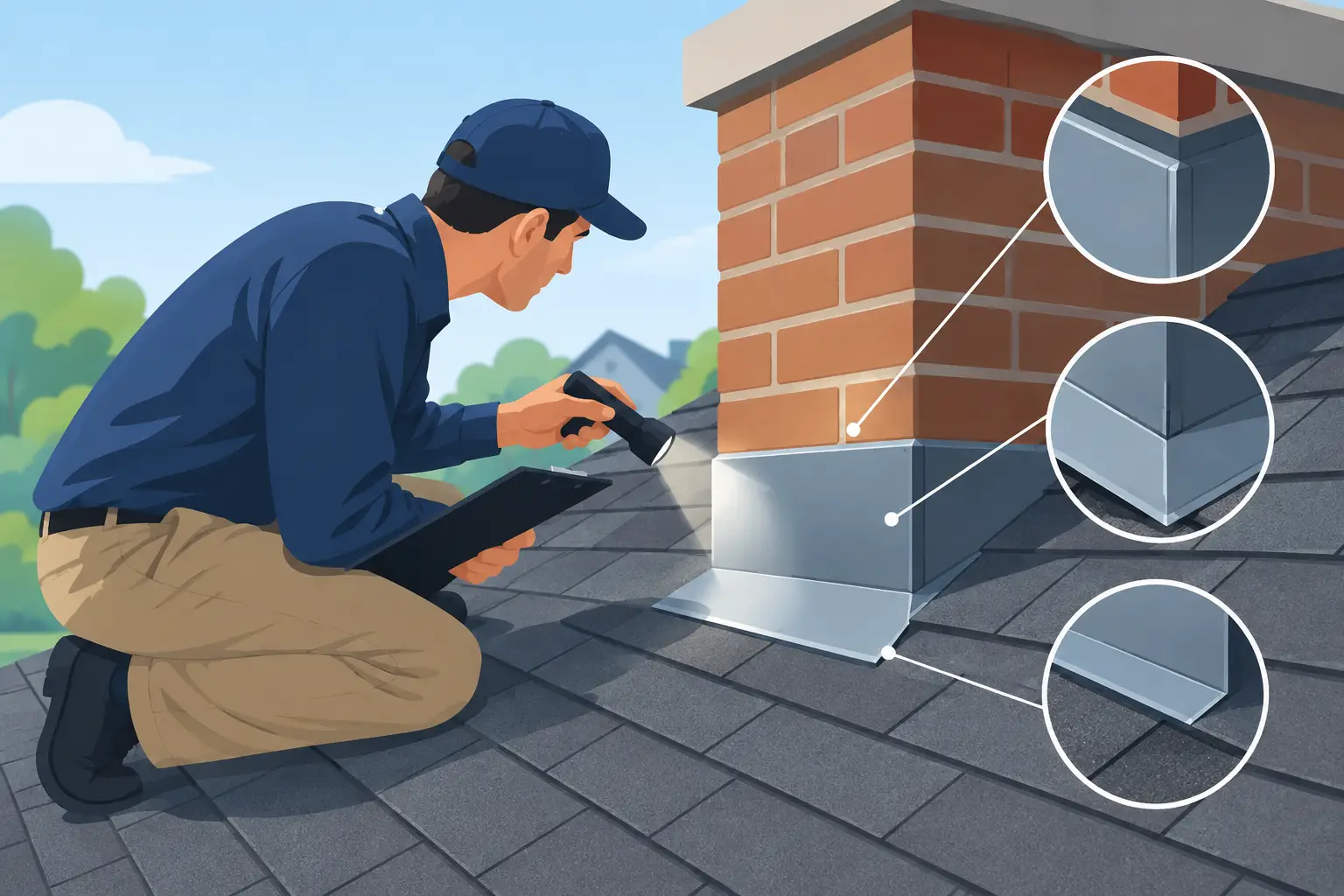
Roof edges, valleys, chimneys, skylights, wall intersections, plumbing vents, and dormers demand careful detailing. These locations handle concentrated water flow or interrupt the field of the roof. Poor flashing work may not leak immediately, but it can create hidden rot that is expensive to correct later.
In a climate with freeze-thaw cycles and heavy snow, protection near eaves is especially important. Ice dams can force water beneath shingles when melted snow refreezes at the roof edge. The correct underlayment and installation approach help manage that risk, but no single product can compensate for poor attic insulation, inadequate ventilation, or improper detailing.
Ventilation and Moisture Control
Attic ventilation is often discussed as a comfort issue, but it is also a durability issue. When warm, moist indoor air reaches a cold attic, condensation can form on the underside of roof sheathing. Over time, that moisture can contribute to mold, wood deterioration, and premature roofing failure.
Proper intake and exhaust ventilation must be balanced and unobstructed. Adding ridge vents without confirming soffit intake, for example, may not solve the problem. The right solution depends on the roof design, attic configuration, insulation levels, and whether existing vents are functional. A professional inspection should look beyond the shingles to identify conditions that can undermine a new installation.
Materials Must Be Installed as Tested
Manufacturers publish precise instructions for fastening patterns, underlayment, starter courses, flashing products, ventilation components, and slope limitations. These instructions matter for performance and warranty coverage.
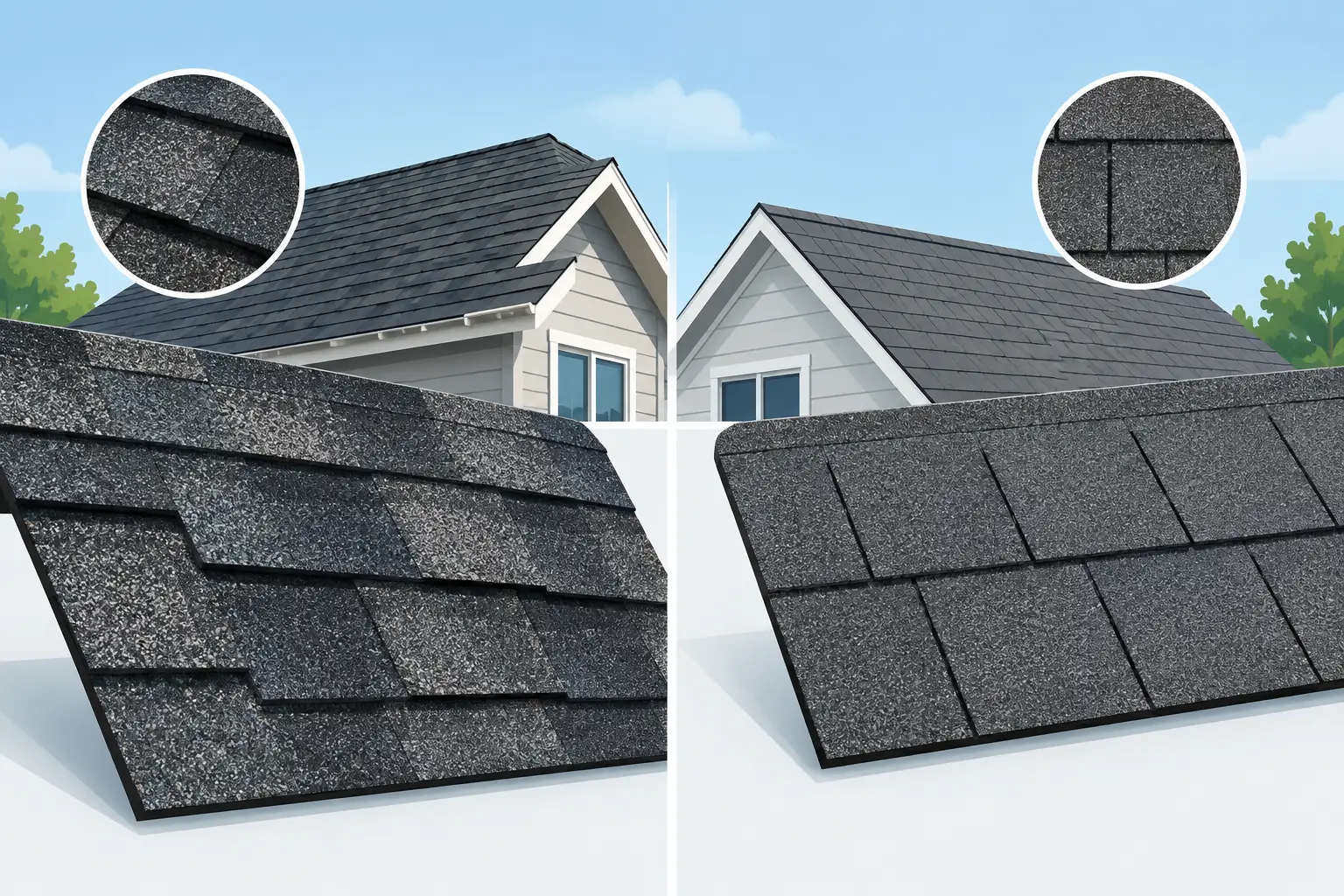
A contractor may recommend a different system when the roof pitch is low, when wind exposure is high, or when a commercial roof requires a specific fire or drainage performance. The least expensive material is not always the lowest-cost decision over the life of the roof. Choosing products suited to the building and installing them according to the manufacturer’s requirements protects both performance and warranty eligibility.
Safety Rules Protect Workers and Property Owners
Roofing is high-risk work. A professional crew should follow Working at Heights requirements and use appropriate fall-protection procedures for the building and site conditions. That includes planning safe access, securing work areas, and using the correct equipment rather than relying on shortcuts.
Safety also affects the property itself. Material loading, debris removal, ladder placement, and roof access need to be managed carefully around landscaping, vehicles, entrances, neighboring homes, and occupied commercial spaces. On a commercial project, the contractor should coordinate work around tenants, deliveries, public access, and operating hours where necessary.
Property owners should be cautious when a quote seems unusually low because safety, insurance, trained labor, and proper site protection have real costs. An incomplete scope can leave important work out of the proposal, while an uninsured or poorly managed crew can shift risk back to the owner.
Roofing Regulations and Permit Questions to Ask
Before signing a contract, ask the contractor whether the proposed scope requires a permit or municipal review. If the answer is no, ask why. A knowledgeable contractor should be able to explain whether the work is a straightforward replacement or whether structural, drainage, ventilation, or exterior changes need further review.
You should also ask who is responsible for permit applications if one is required, what inspections may be involved, and whether the estimate includes corrections to damaged decking or structural components discovered after tear-off. Hidden conditions are common on older roofs, particularly when past leaks have gone unnoticed.
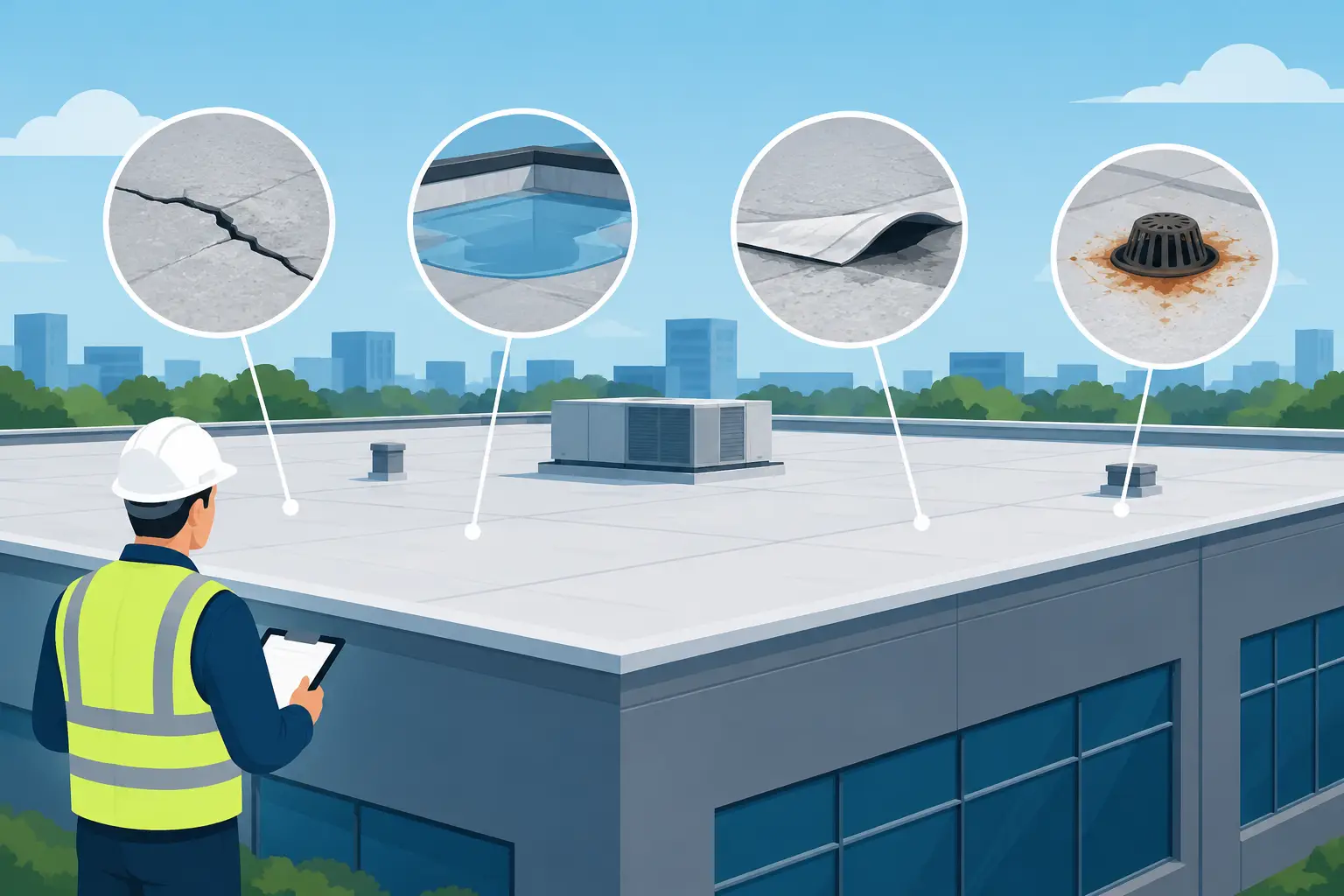
For commercial owners and property managers, confirm how the contractor will address access, safety documentation, material staging, roof drains, and protection of building operations. Flat and low-slope systems require particular attention to drainage. Ponding water, blocked drains, and poorly detailed penetrations can compromise an otherwise sound membrane.
Why Certified Installation Matters
Roofing products are engineered systems, and their warranties often depend on correct installation. A quality contractor invests in trained installers, current certifications, safety compliance, and documented processes because these standards reduce preventable errors.
Toronto Roofers approaches each project with direct oversight, trained in-house specialists, and a clear scope of work. That matters when a roof needs more than new shingles. A contractor should be prepared to explain the condition of the deck, the purpose of each layer in the assembly, the ventilation plan, and any compliance concerns that could affect the project.
The best estimate is not simply a number at the bottom of a page. It should make clear what materials are included, how the roof will be protected at critical areas, what labor and cleanup are covered, and what happens if concealed damage is found. Clear communication before work begins helps prevent disputes once the roof is open.
Choose Compliance Over Quick Fixes
Some roofs can be repaired effectively, while others have reached the point where replacement is the responsible choice. A small, isolated leak may be resolved with flashing repair or targeted shingle replacement. Widespread granule loss, recurring leaks, deteriorated decking, or an aging roof system may call for a more complete solution.
The right decision depends on the roof’s condition, remaining service life, budget, building use, and plans for the property. What should not change is the standard of workmanship. Roofing regulations, manufacturer instructions, and jobsite safety requirements exist to ensure the work holds up after the crew leaves.
Before approving your next roofing project, request an on-site evaluation and a detailed written scope. A clear answer to the permit, safety, material, and installation questions is one of the strongest signs that your roof is being treated as a long-term building system, not a quick surface repair.