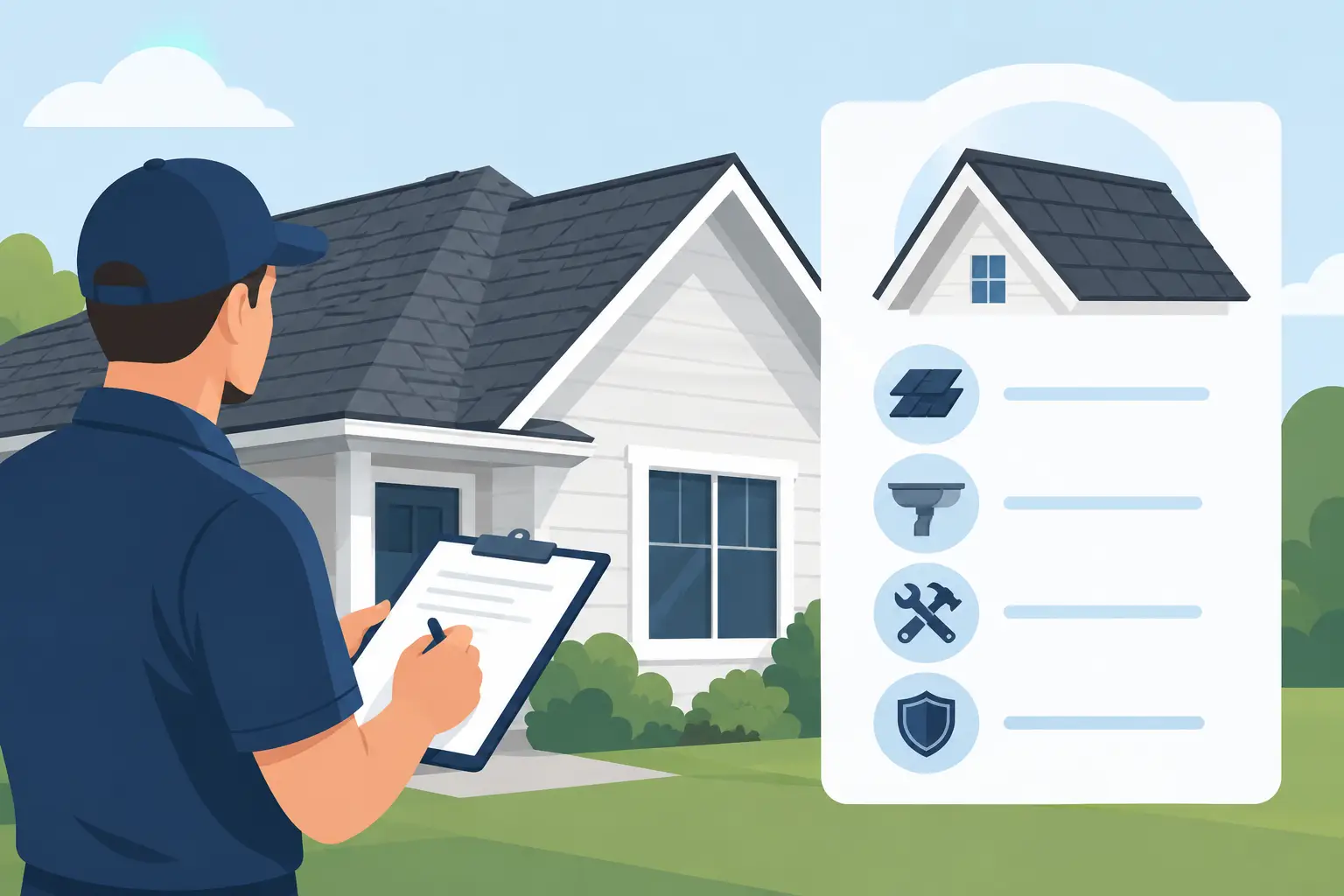
A roof quote should not leave you guessing what you are paying for, what work is included, or whether the contractor has actually inspected the problem. Free roof estimates are most useful when they turn a stressful roofing issue into a clear scope of work, with informed recommendations based on the condition of your building.
For a homeowner, that may mean understanding whether a leak needs a targeted repair or whether aging shingles are nearing the end of their service life. For a property manager or commercial owner, it may mean planning a larger project around tenant access, drainage, safety requirements, and long-term maintenance. The estimate is where that planning begins.
What Free Roof Estimates Should Include
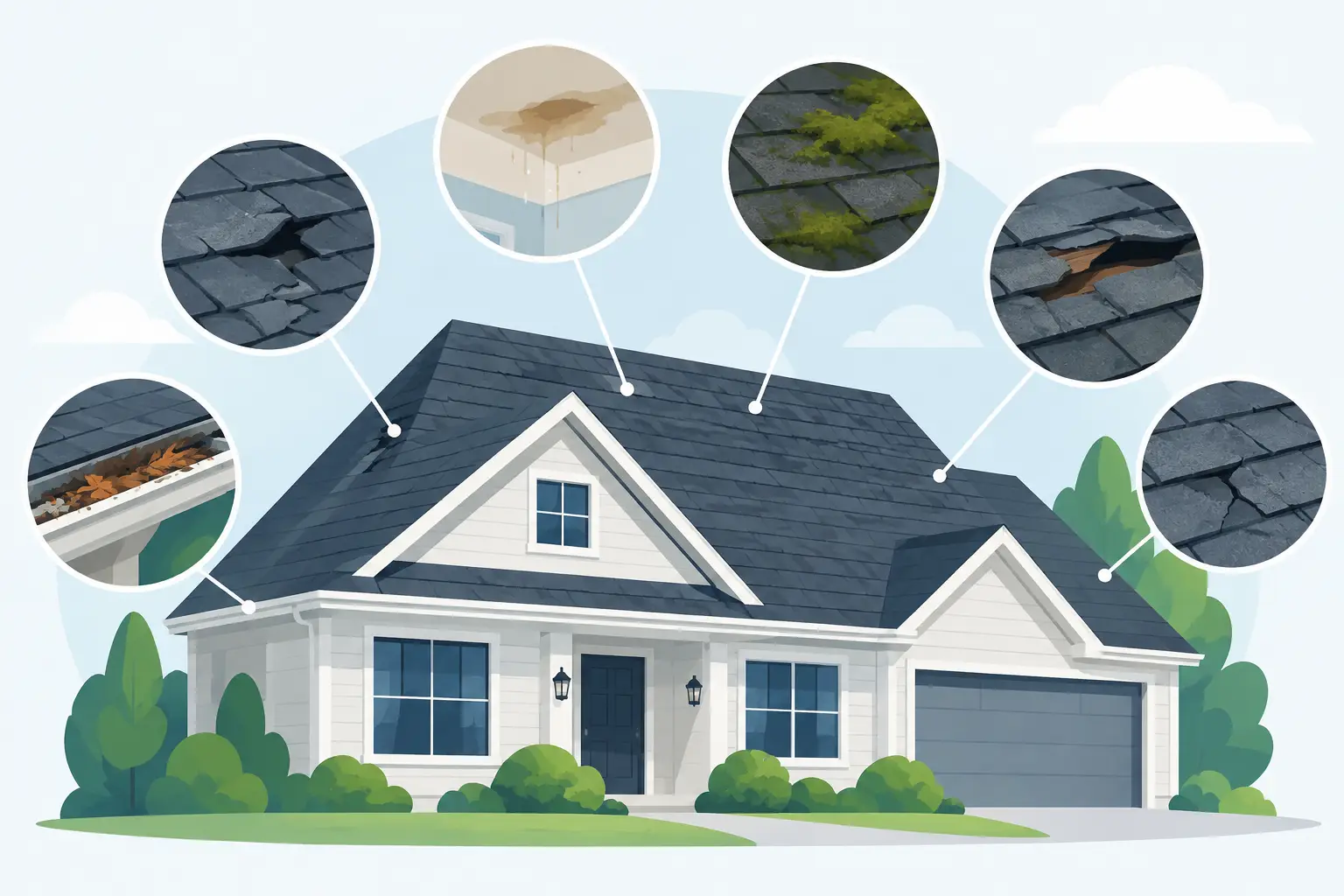
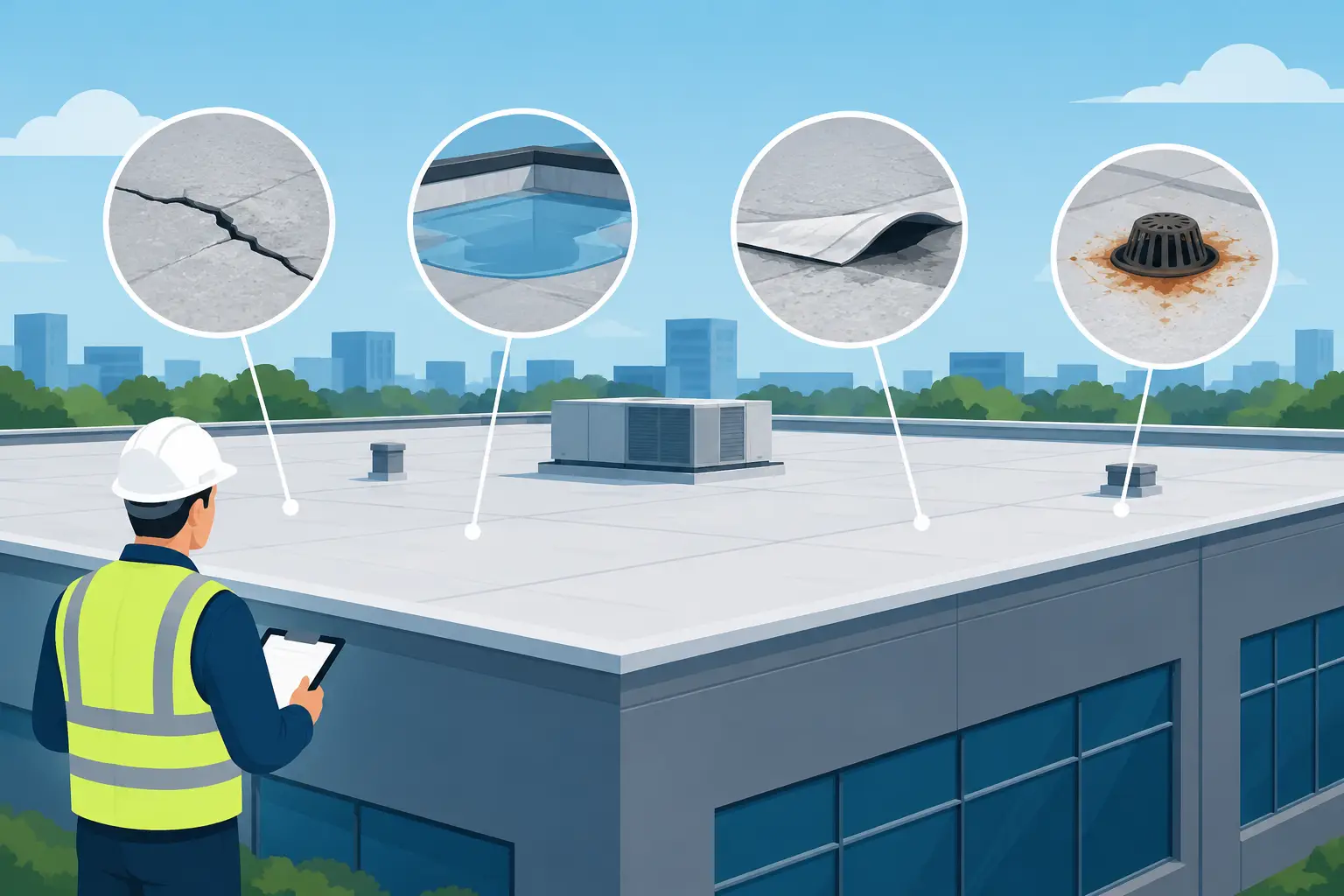
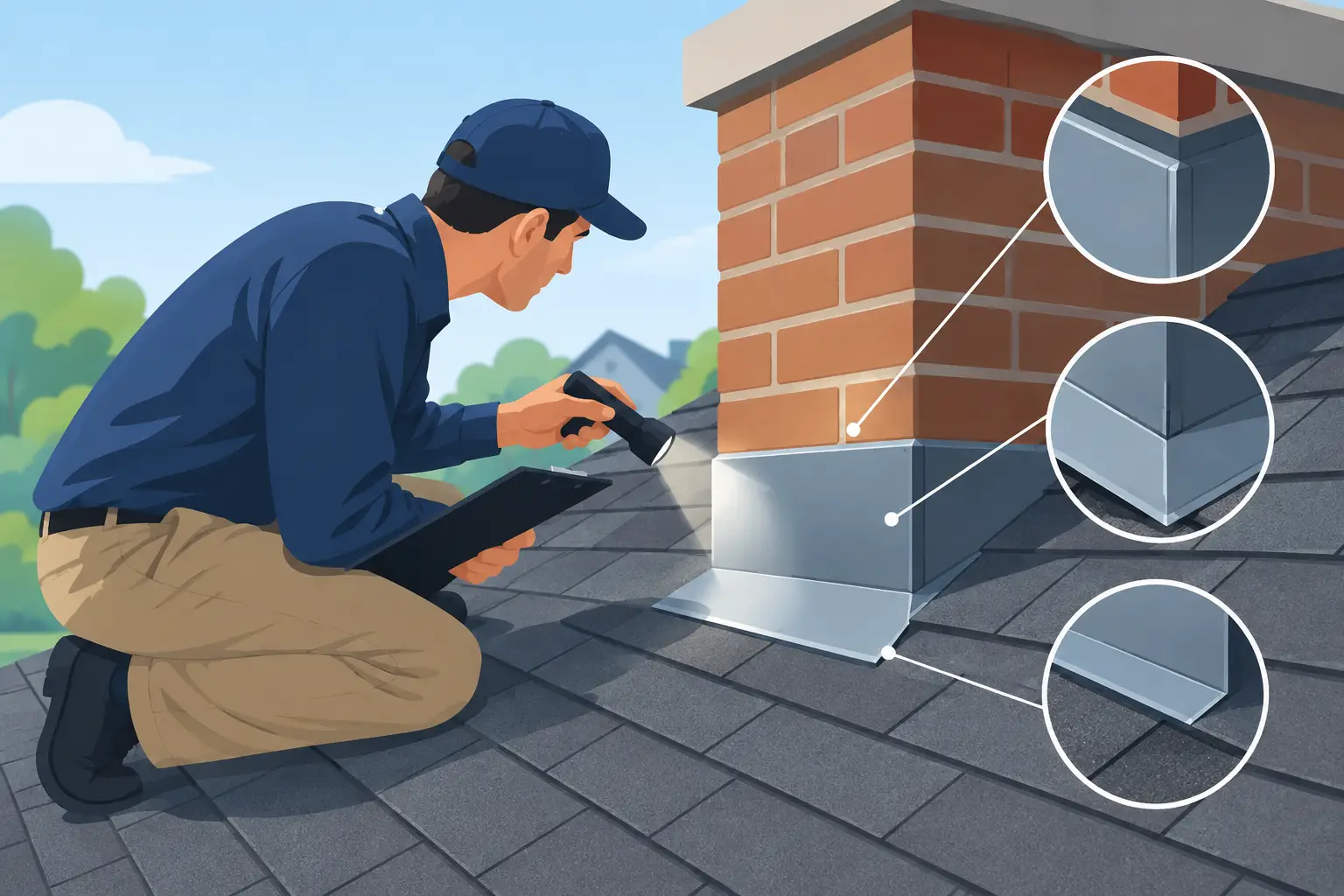
A legitimate estimate starts with an on-site assessment. A contractor should examine the roof surface, flashing, penetrations, valleys, vents, drainage components, and visible signs of deterioration. When accessible and appropriate, they should also consider attic ventilation, interior water staining, and the condition of roof edges and eaves.
A quick price given from a street view or a satellite image may be useful as a rough starting point, but it is not a substitute for an inspection. Roof slopes, layers of existing material, hidden soft spots, chimney flashing, and access conditions can change both the required work and the cost.
The written estimate should then explain the recommended solution in plain terms. It should identify whether the work is repair, maintenance, partial replacement, or full replacement, and why that option fits the roof’s current condition. If more than one reasonable approach exists, a professional contractor should explain the trade-offs rather than pressure you into the largest project.
For example, replacing a few damaged shingles can be sensible when the surrounding roof is in good condition and the source of the issue is isolated. Repeated leaks, widespread granule loss, curling shingles, failing flashing, or a roof near the end of its expected lifespan can make ongoing repairs a poor long-term investment.
The Details That Make a Roof Quote Useful
The best estimates are specific enough that you know what will happen on your property. Material names, installation methods, and exclusions should not be vague. You should be able to see the difference between a complete roofing system and a price that covers only the visible shingles.
A detailed quote commonly addresses the removal and disposal of existing roofing materials, deck inspection, replacement of damaged sheathing when needed, underlayment, ice and water protection, shingles or membrane materials, flashing, ventilation, cleanup, and waste removal. Not every project needs every item, especially a small repair, but each relevant component should be addressed.
Labor should be clearly included, along with permit responsibilities where applicable. On commercial work, the proposal may also need to address site logistics, safety measures, access routes, protection for building occupants, and scheduling around business operations.
Be cautious when an estimate looks dramatically lower than the others but provides little detail. A low price can reflect efficient operations and a fair business model. It can also reflect missing materials, limited preparation, unqualified labor, or allowances that appear later as added costs. Comparing estimates line by line is more reliable than comparing the bottom number alone.
Materials Are Only Part of the System
A roof is not simply a layer of shingles. The components underneath and around the surface direct water away from the building and help the system perform through Toronto’s freeze-thaw cycles, wind, rain, snow, and summer heat.
Ask what products will be used and whether they are designed to work together. Quality shingles or commercial membrane products matter, but correct underlayment, flashing, ventilation, and installation practices matter just as much. Manufacturer warranties may depend on approved materials and proper installation, so the lowest-cost option is not automatically the best value.
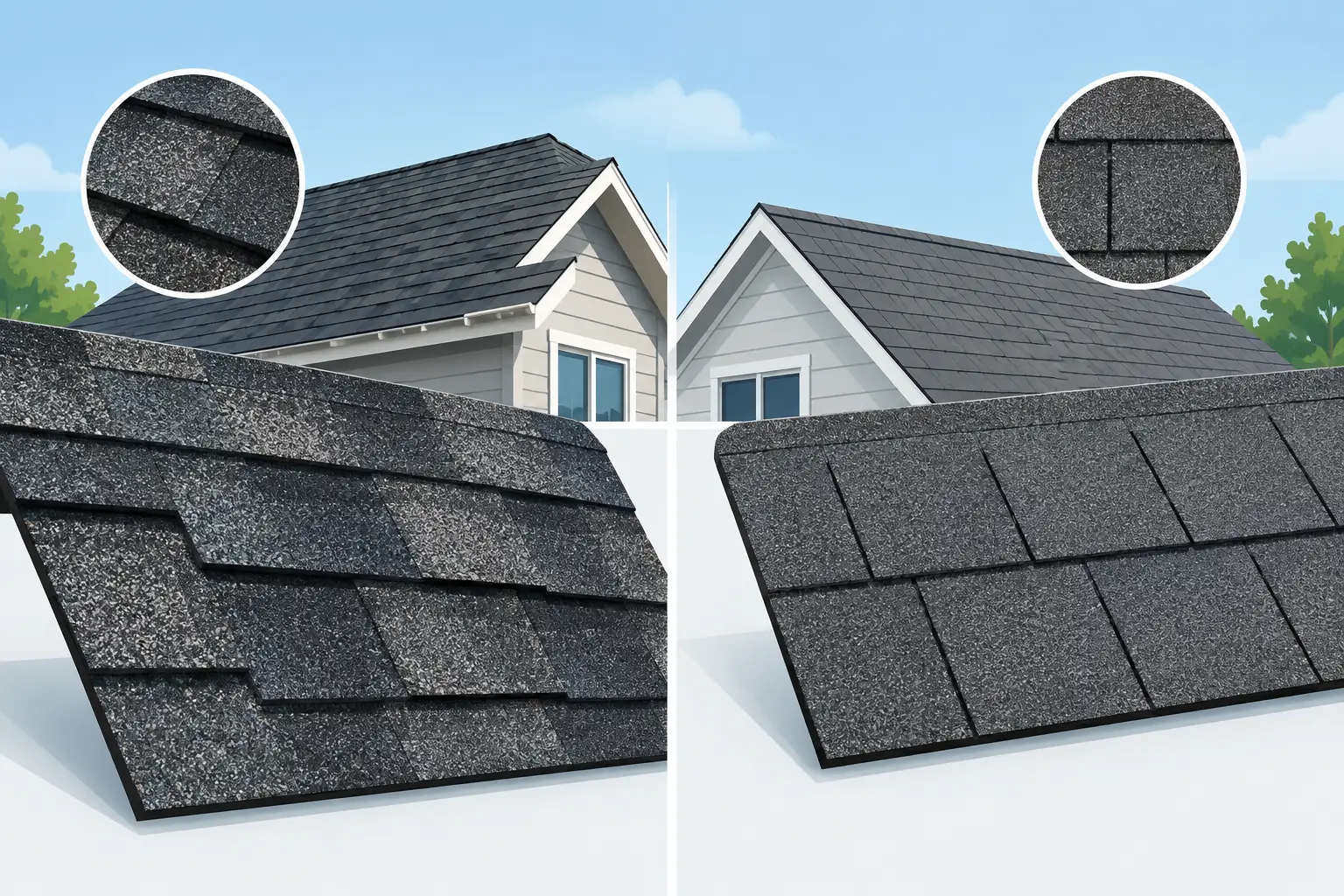
A contractor should also be honest about color matching and material availability. On an older roof, replacement shingles may not match weathered existing shingles exactly. If a particular product is unavailable, you should be told before work begins, not after materials arrive.
Questions to Ask During the On-Site Consultation
An estimate is your opportunity to assess the contractor as well as the roof. The discussion should be direct, practical, and free of evasive answers. Ask how the contractor determined the cause of the issue, what could happen if repairs are delayed, and whether there are any conditions that may only become visible after old materials are removed.
It is also reasonable to ask who will perform the work. Roofing requires trained installers, close supervision, and safe work practices. A contractor that uses its own accountable team can provide clearer communication and stronger control over workmanship than one relying on loosely managed labor.
Ask about insurance, Working at Heights compliance, relevant certifications, and workmanship warranty coverage. Credentials do not replace careful installation, but they demonstrate a commitment to training and recognized standards. Toronto Roofers brings owner-led accountability, trained installers, and CertainTeed ROOFS on HOMES Master Shingle Applicator credentials to the estimating process and the work that follows.
You should also ask how the crew will protect landscaping, driveways, exterior finishes, and occupied areas. For commercial properties, ask how they will manage pedestrian routes, deliveries, parking, and daily cleanup. A professional answer should include a clear plan, not a general promise to be careful.
Why an Inspection Can Change the Recommendation
Roofing work often involves conditions that are not fully visible from the ground. Water can travel beneath shingles or membrane layers before appearing on a ceiling. A small stain inside does not always mean a small repair outside. Conversely, a visible issue may be caused by a loose flashing detail that can be corrected without replacing the entire roof.
That is why reputable contractors avoid one-size-fits-all recommendations. The right scope depends on roof age, prior repairs, the extent of damage, ventilation, drainage, structural condition, and your plans for the property. A homeowner preparing to sell may have different priorities than a family expecting to remain in the home for another decade. A commercial owner may prioritize lifecycle cost and disruption control over the lowest immediate price.
An estimate should acknowledge those realities. If there is uncertainty, the contractor should identify it and explain how it will be handled. For instance, concealed deck damage may be priced per sheet if discovered after tear-off, rather than hidden inside a vague contingency charge.
Comparing Roof Estimates Without Getting Misled
When reviewing two or three proposals, first confirm that they describe the same job. One contractor may include tear-off, ice and water protection, new flashing, ventilation improvements, and cleanup, while another may only list shingles and labor. Those are not equivalent offers.
Look for a defined work scope, named materials, anticipated project timing, payment terms, warranty information, and a clear process for changes. Verbal assurances can be helpful, but the agreement should reflect the important details discussed during the inspection.
Price matters, and a contractor should respect your budget. Still, roofing is a high-trust purchase with consequences that can extend to insulation, interiors, structural components, and tenant or family comfort. The strongest value usually comes from sound diagnosis, qualified installation, reliable materials, and a contractor who remains accountable after the crew leaves.
A free estimate should give you clarity, not pressure. Use the visit to ask direct questions, compare complete scopes of work, and choose the contractor that can explain the recommendation, perform the job safely, and stand behind the finished roof.