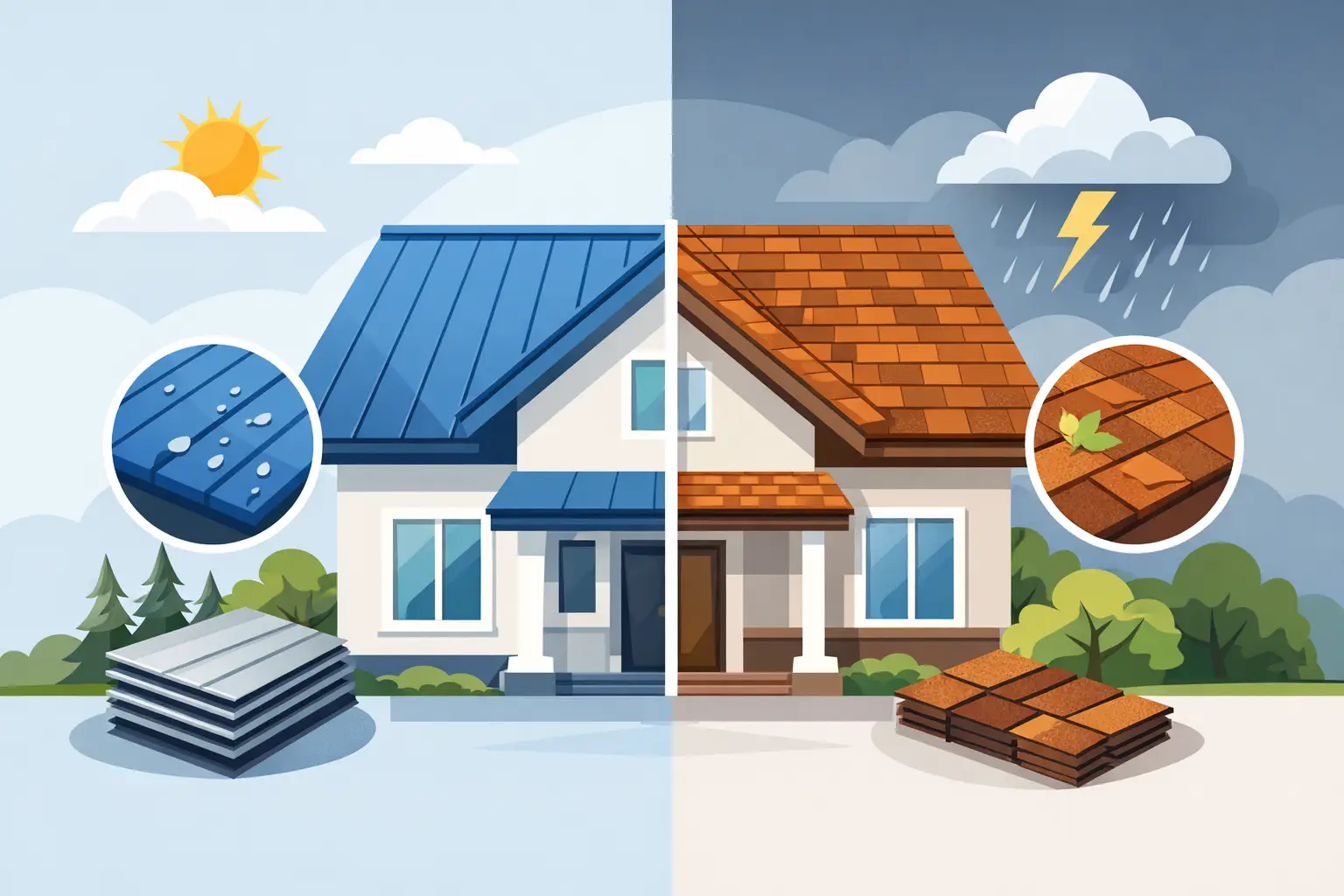
A roof replacement is not a cosmetic decision you make from the curb. It affects how your home manages snow, wind, heat, water, and long-term maintenance costs. When comparing a metal roof versus shingles, the right answer depends on your budget, roof design, how long you plan to own the property, and the condition of the structure underneath.
For many Toronto-area homeowners, asphalt shingles remain the practical choice because they offer dependable protection at a lower upfront cost. Metal roofing can deliver a much longer service life and excellent weather performance, but it requires a larger initial investment and a contractor with specific installation experience. The material matters, but the workmanship behind it matters just as much.
Metal roof versus shingles: the main differences
Metal roofing and asphalt shingles protect a building in very different ways. Asphalt shingles form a layered, water-shedding roof system. Metal panels or shingles create a durable exterior surface that is fastened and detailed to manage water movement, expansion, and snow loads.
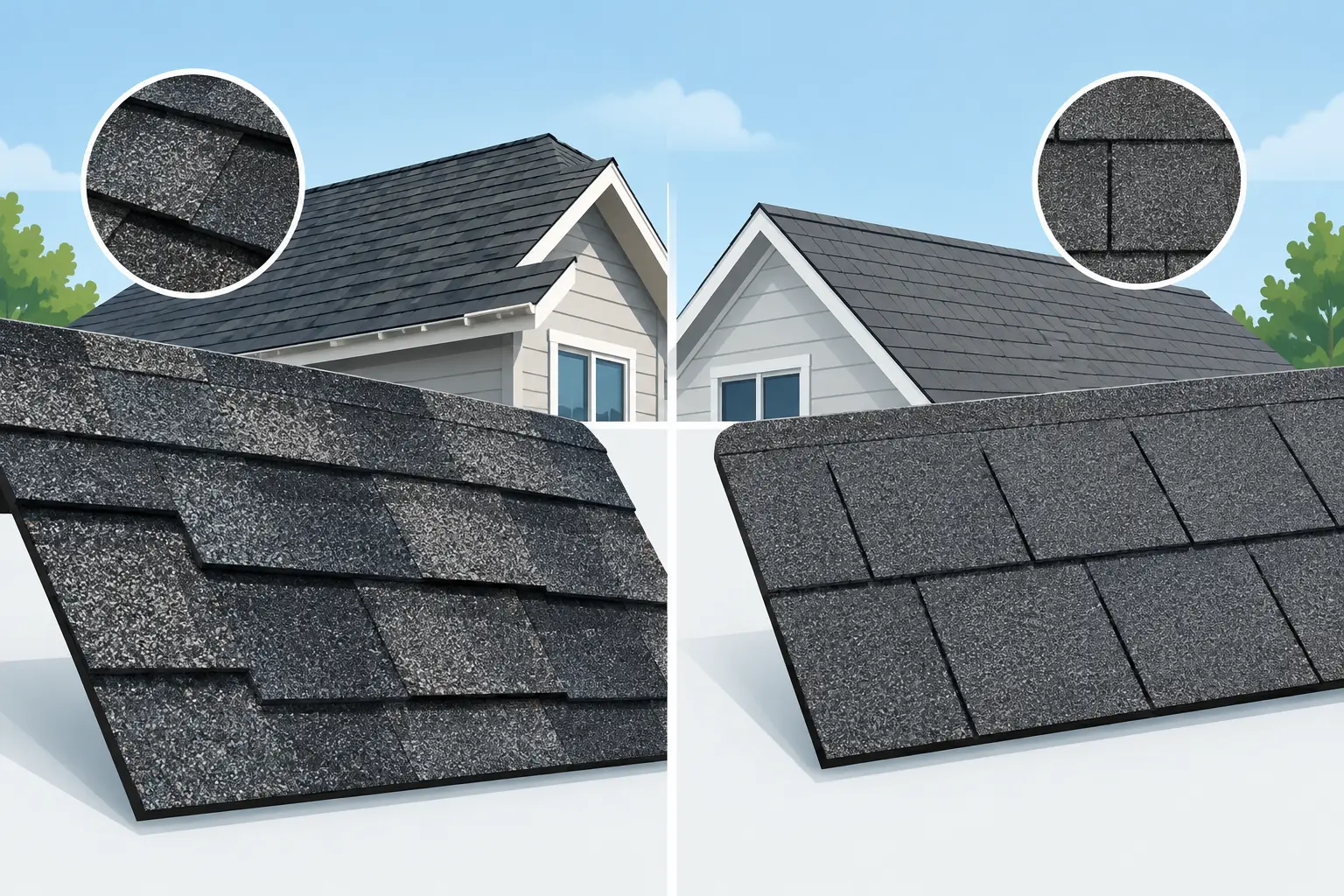
Asphalt shingles are widely used because they suit most residential roof shapes, are readily available, and can be repaired or replaced efficiently. Architectural shingles provide a dimensional appearance and, when properly installed with the right underlayment and ventilation, perform well through Ontario’s changing seasons.
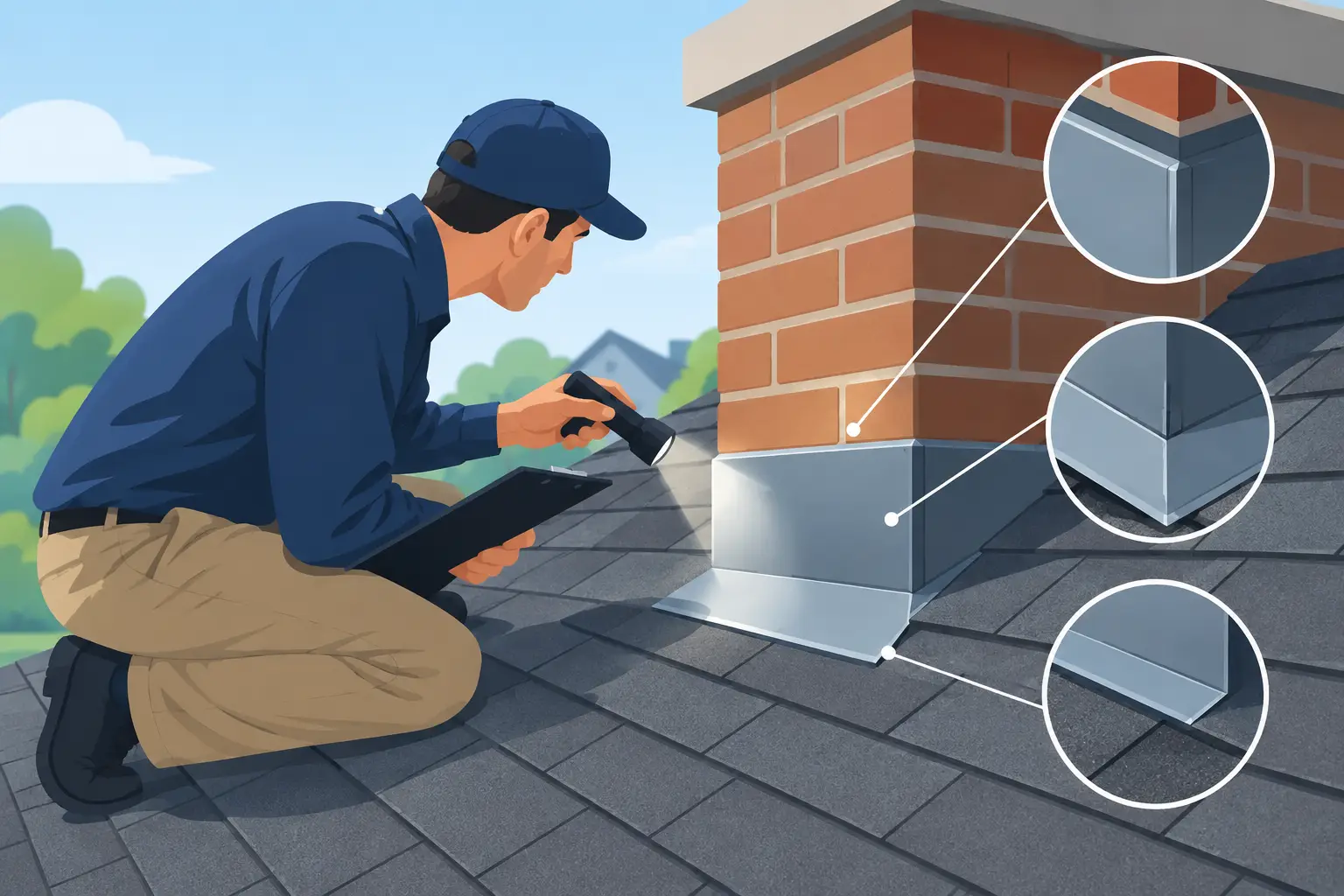
Metal roofs are available in standing seam panels, metal shingles, and other profiles. Standing seam systems use concealed fasteners and raised seams, producing a clean appearance and reducing the number of exposed fastening points. The system must still be detailed correctly at valleys, penetrations, walls, chimneys, and eaves. A premium material cannot compensate for poor flashing work.
Upfront cost and long-term value
The most immediate difference is cost. A quality asphalt shingle roof typically has a lower installation price than a metal roof. This makes shingles a strong fit for homeowners replacing a roof on a budget, preparing a property for sale, or working with a roof that has numerous valleys, dormers, skylights, and other details.
Metal roofing generally costs more because of the material, specialized trims, labor requirements, and installation time. Complex roofs can increase that cost further. The final price should reflect more than square footage. A detailed estimate should account for tear-off, deck inspection, underlayment, ice and water protection, ventilation, flashing, disposal, and safe access to the site.
Over time, metal may offer value through its longer expected lifespan and lower frequency of replacement. That benefit is most meaningful for owners who intend to stay in the property for decades. If you expect to move within a few years, a professionally installed architectural shingle roof may be the more financially sensible investment.
Lifespan and maintenance expectations
A well-installed asphalt shingle roof can commonly provide 20 to 30 years of service, depending on shingle quality, ventilation, exposure, maintenance, and local weather conditions. Lower-grade shingles or roofs installed over existing layers may not reach the same service life.
Metal roofing can often last 40 to 70 years or longer when the system is properly specified and maintained. Its finish, fasteners, flashings, and sealants still require periodic inspection. Metal is not maintenance-free. Debris can collect in valleys, sealants can age, and incorrect fasteners or poorly installed accessories can lead to leaks.
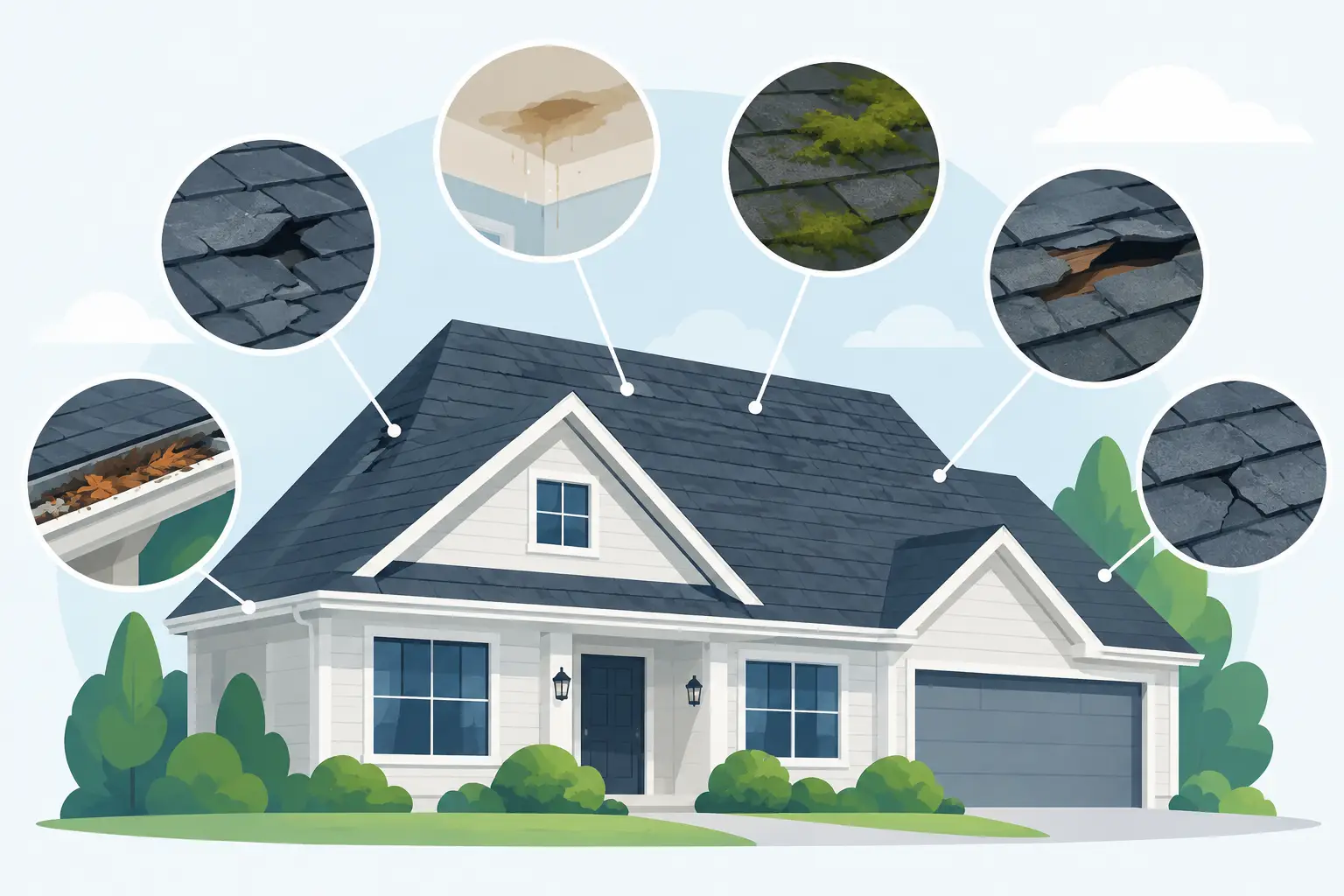
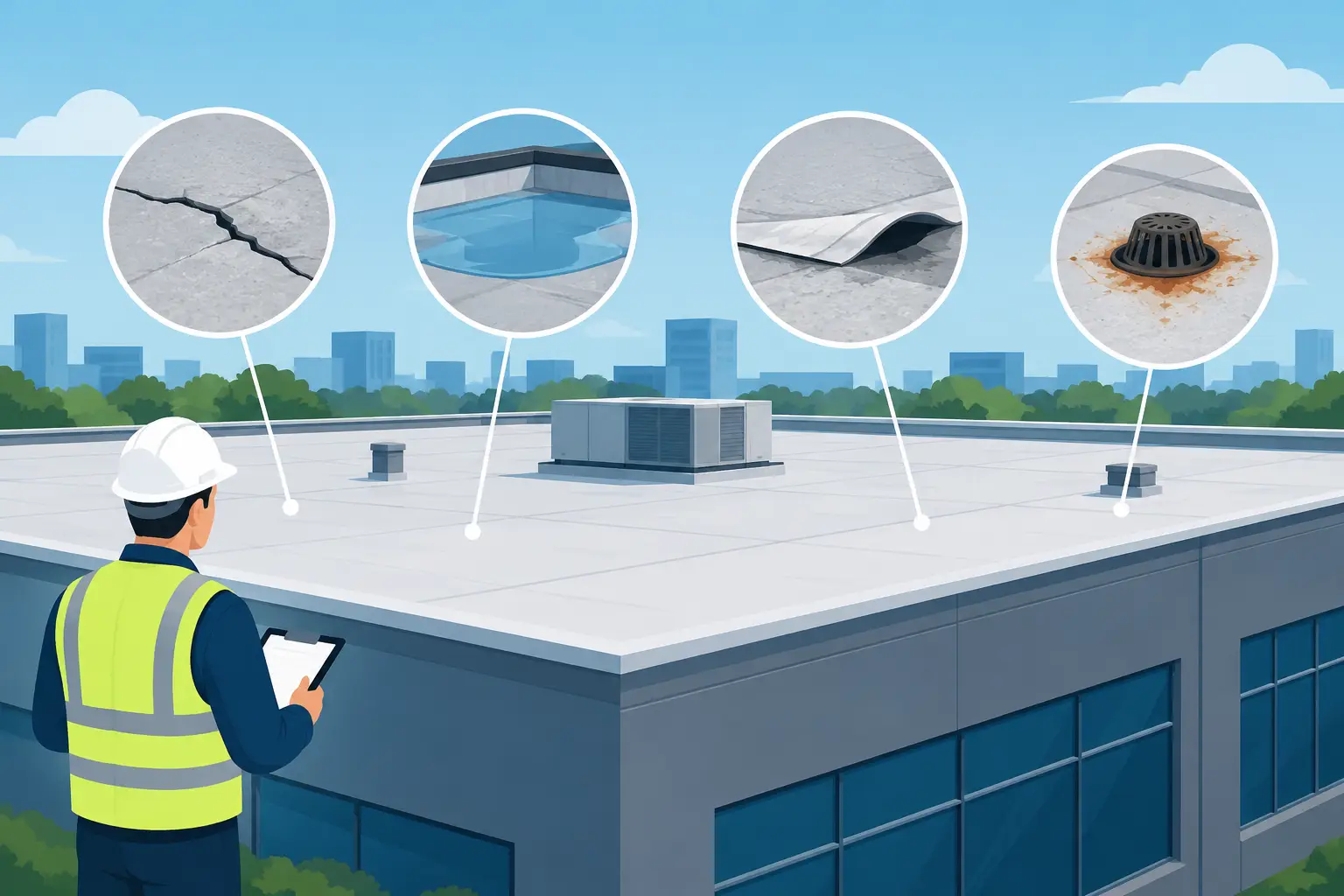
For either material, roof maintenance is preventive work. An annual inspection can identify lifted shingles, damaged pipe boots, loose flashing, blocked gutters, exposed fasteners, and early signs of water entry before they become interior repairs. After major windstorms or heavy snowfall, a professional inspection is especially worthwhile.
Performance in Toronto weather
Toronto roofs need to handle freeze-thaw cycles, heavy rain, wind, snow accumulation, and occasional ice damming. Both metal and shingles can perform well in these conditions, provided the roof system is designed and installed correctly.
Metal sheds snow more readily than asphalt shingles. That can reduce snow buildup, but it also creates a safety consideration. Snow guards may be necessary above entrances, walkways, driveways, decks, or areas where sliding snow could damage property or injure someone. The roof’s pitch, panel profile, and exposure all affect how snow moves.
Asphalt shingles have a textured surface that tends to hold snow in place longer. That is not necessarily a weakness. Snow retention can be predictable, and properly installed ice and water protection at vulnerable areas helps manage the risk of water backing up beneath shingles during freeze-thaw periods.
Wind performance is more dependent on installation than homeowners often realize. Shingles need correct nail placement, sufficient fastening, and proper starter and hip-and-ridge application. Metal panels require the right clip spacing, fastener pattern, trim details, and allowance for thermal movement. A contractor should follow the manufacturer’s requirements rather than treating every roof as a standard installation.
Appearance, design, and resale considerations
Shingles offer the broadest range of familiar residential looks. They work well on traditional homes, detached garages, additions, and properties where neighboring roofs have a consistent style. Modern architectural shingles can provide shadow lines and texture without changing the home’s overall character.
Metal roofing can create a more contemporary appearance, particularly on homes with simple roof lines and clean exterior finishes. It is also available in profiles that resemble tile, slate, or shingles. A metal roof is highly visible, so color selection, trim quality, and transitions around chimneys and dormers deserve careful planning.
Neither option automatically adds more resale value in every neighborhood. Buyers may appreciate metal’s durability, but they also evaluate whether the roof suits the home and whether the work appears professionally completed. A new shingle roof with clear warranty documentation and clean workmanship can be a strong selling point.
Installation quality is the deciding factor
Choosing between materials is only one part of the decision. The roof deck must be assessed for rot, moisture damage, inadequate fastening, or uneven areas before the new system goes on. Covering structural problems creates a more expensive repair later.
Ventilation must also be evaluated. Poor attic ventilation can contribute to excessive heat, moisture buildup, premature shingle aging, and ice dam concerns. The right intake and exhaust ventilation arrangement depends on the home’s design, insulation, attic layout, and existing roof conditions.
For shingles, look for trained installers who understand manufacturer specifications and can provide clear information about materials, warranties, and the work scope. For metal, choose a contractor with proven experience in metal-specific flashing, panel layout, expansion control, and snow-retention planning. These are not details to leave to loosely managed labor.
At Toronto Roofers, our in-house team approaches roof replacement with direct oversight, Working at Heights compliance, detailed estimates, and an on-site review of the conditions that affect your roof’s performance. The objective is not to sell the most expensive option. It is to install the right roof system correctly.
Which roof is right for your property?
Choose asphalt shingles when you want reliable protection, a lower upfront cost, broad style options, and an efficient replacement process. They are an excellent choice for many homes and for properties where budget, roof complexity, or near-term resale plans make a premium metal system less practical.
Consider metal roofing when long service life, distinctive appearance, and reduced replacement frequency are priorities. It can be a smart investment for a long-term home, provided the roof structure, design, and budget support it. Ask for a detailed scope that explains the panel type, underlayment, flashing system, fasteners, ventilation approach, and any needed snow guards.
The best next step is an on-site assessment, not a guess based on a neighbor’s roof. A qualified roofing professional can inspect the deck, slopes, drainage paths, attic conditions, and existing details, then provide an estimate built around the way your property actually performs.