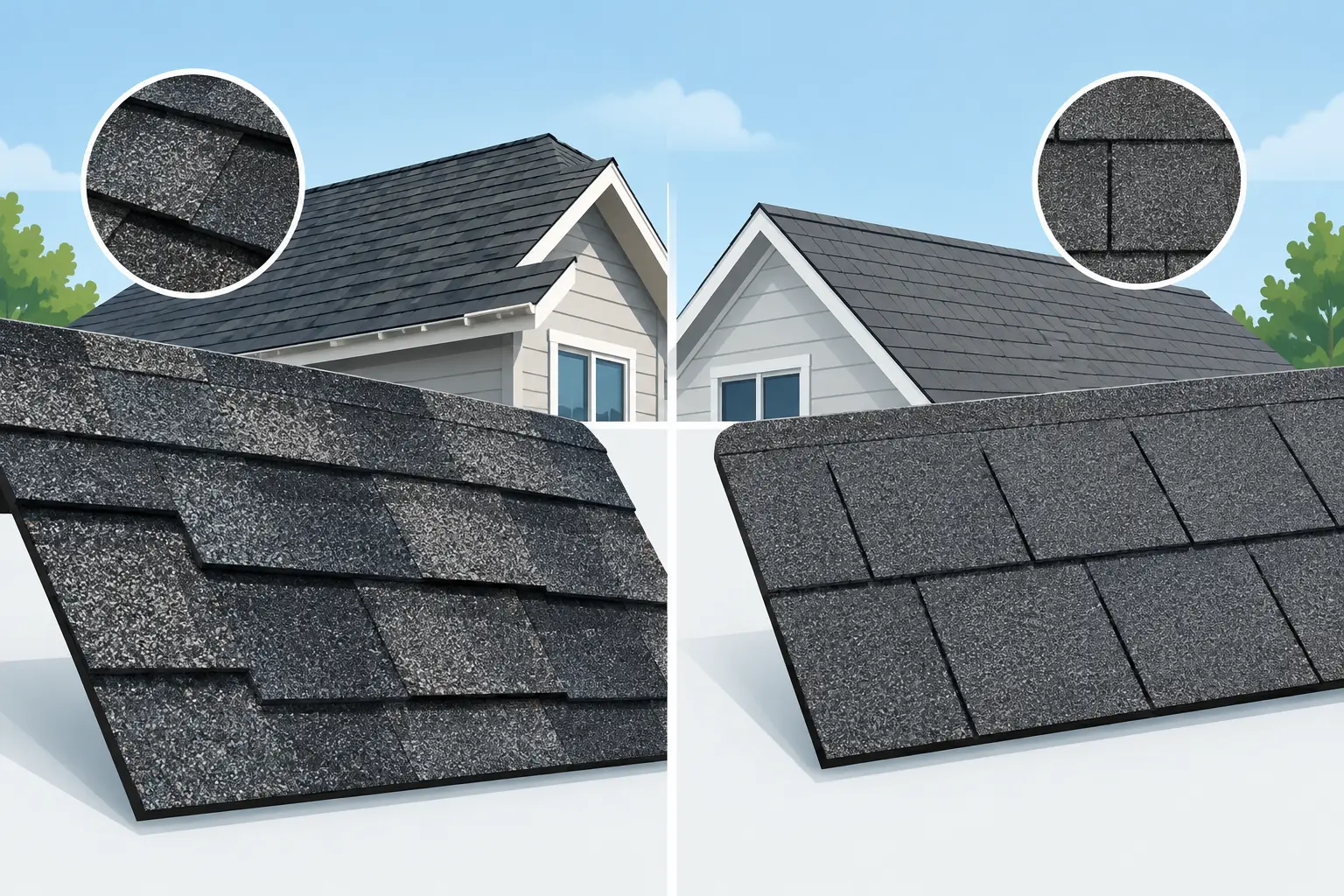

A roof replacement is not a small delivery or a one-day repair. It is an active construction project involving material deliveries, tear-off work, safety equipment, noise, and debris control. Homeowners searching for how to prepare roof replacement work should focus on making the property safe, accessible, and ready for a professional crew to work without unnecessary delays.
Good preparation protects your home, your belongings, and the people on site. It also helps your contractor maintain an efficient schedule, complete the installation correctly, and keep the work area organized from the first delivery through final cleanup.
Start With a Detailed On-Site Plan
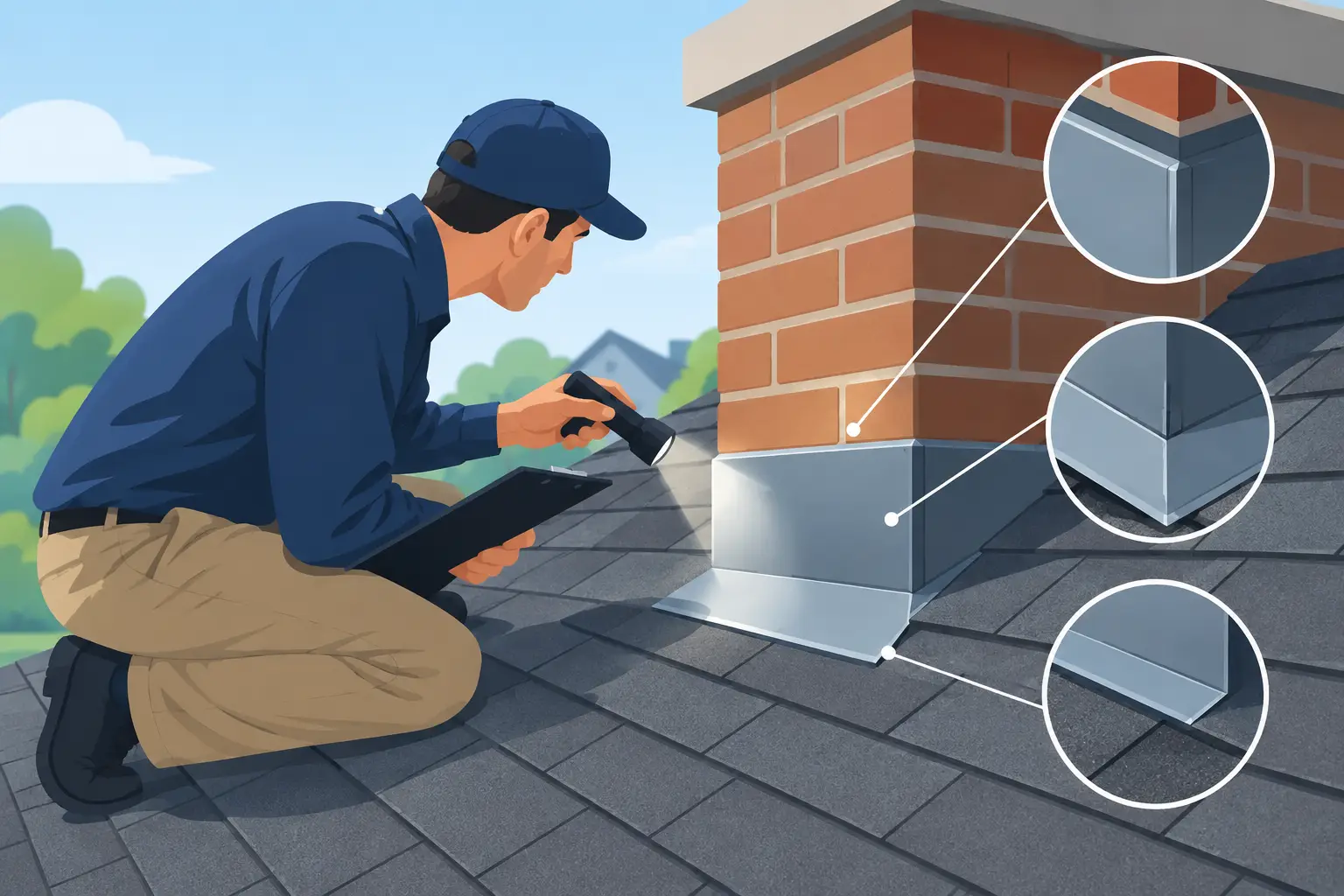
Preparation begins before materials arrive. A qualified roofing contractor should inspect the roof, review access points, explain the proposed system, and identify any conditions that could affect the scope of work. That may include damaged decking, chimney flashing, skylights, ventilation upgrades, low-slope sections, or signs of moisture in the attic.
Ask for a detailed written estimate that separates the major components of the project. You should understand what is included for tear-off, underlayment, flashing, shingles or other roofing materials, ventilation, disposal, and cleanup. If concealed damage is found after the old roof is removed, the contractor should explain how additional work is documented and approved.
This conversation is also the right time to confirm the anticipated start date, working hours, material delivery timing, parking needs, and who your primary contact will be during the project. Roof work is weather-dependent, especially in Toronto and nearby communities where rain, wind, and seasonal temperature changes can affect scheduling. A professional crew plans carefully, but it should never rush installation in unsafe or unsuitable conditions.
Clear Access Around the Home or Building
Roofing crews need room to unload materials, set up ladders, position safety equipment, and move debris into a disposal bin or truck. Before work begins, move vehicles out of the driveway and away from the garage. This prevents accidental damage and gives installers clear access to the roofline.
Remove or relocate patio furniture, grills, planters, children’s toys, decorations, and other movable items from around the exterior walls. Pay particular attention to decks, walkways, and areas below roof edges. Even with careful tarping and magnetic nail sweeps, roofing is a demolition and construction process. Keeping the area clear makes cleanup more effective and reduces the risk of damaged belongings.
If you have fragile landscaping, ornamental shrubs, or gardens close to the house, point them out during the pre-job walk-through. Crews can take reasonable measures to protect them, but there are limits when materials must be carried, ladders must be placed, or debris must be safely removed. Trimming back branches that touch the roof or block access may also be necessary before installation.
For commercial properties, property managers should identify loading zones, employee entrances, emergency routes, tenant access requirements, and any areas that must remain operational. A roofing contractor needs that information early enough to build a safe work plan around the building’s daily activity.
Protect the Interior Before the Tear-Off
Many property owners are surprised by how much vibration a roof replacement creates. Removing old materials and installing new roofing can shake walls and ceilings, particularly in older homes. Walk through upper-floor rooms, attic spaces, and any rooms directly below the roof before the crew arrives.
Take down wall art, mirrors, loose shelving items, and delicate decorations. Secure light fixtures if they are loose, and move valuables away from attic access areas. Cover items stored in the attic with a tarp or sheet, especially if the existing roof has a history of leaking or deteriorated decking. A responsible contractor will use weather protection while the roof is open, but protecting stored belongings is still a sensible precaution.
Expect some dust to shift from the attic during tear-off. Closing interior doors can help limit dust movement. If you have an especially sensitive area, such as a home office with electronics or a finished attic, mention it before the project so the crew understands your concerns.
Prepare Children, Pets, and Neighbors
Roof replacement is loud. Hammering, nail guns, material movement, and the sound of old shingles being removed can be disruptive for people and stressful for pets. If possible, arrange for young children and pets to stay elsewhere during the noisiest parts of the day.
If pets remain at home, keep them indoors and away from exterior doors, gates, and work areas. Dogs should not be left loose in a backyard where installers may need access. Let the project contact know about pets, locked gates, alarm systems, or other access restrictions before the crew arrives.
A short courtesy notice to immediate neighbors is also worthwhile. Tell them the expected work dates, explain that temporary noise and vehicle activity are anticipated, and ask them to keep vehicles clear of shared driveways or access lanes. This is particularly useful in dense residential neighborhoods where parking and material delivery space are limited.
Confirm Utilities, Power, and Safety Requirements
Most roofing projects can proceed while the building is occupied, but safe access matters. Make sure exterior electrical outlets are working if your contractor needs them, and identify any overhead wires, satellite dishes, solar equipment, security cameras, or exterior lighting near the roofline.
Do not attempt to disconnect electrical equipment yourself unless you are qualified to do so. Satellite dishes, solar panels, and certain mechanical equipment may require coordination with their service providers or specialized trades. Your roofer should explain what it can safely handle and what needs separate arrangements.
Working at heights is not optional in professional roofing. Confirm that the contractor uses trained installers, appropriate fall-protection procedures, and organized site controls. Workers should not be improvising around steep slopes, high rooflines, or restricted access. Proper safety practices protect the crew, your property, and everyone moving around the site.
Understand Permits and Building Requirements
Whether a permit is needed depends on the type of roofing work and the local requirements. A straightforward replacement using similar materials may be treated differently from structural repairs, major changes to roof design, or certain commercial roofing projects.
Ask the contractor who is responsible for determining permit requirements and arranging inspections when applicable. You should also discuss ventilation, ice and water protection, flashing details, and any manufacturer installation requirements tied to warranty coverage. The visible shingle is only one part of a complete roof system. The components underneath and at roof transitions often determine how well the roof performs over time.
What to Do on Installation Day
On the morning work begins, keep the site simple and accessible. Your preparation should allow the crew to focus on safe, accurate installation rather than moving obstacles or tracking down basic project information.
- Move all vehicles away from the driveway, garage, and roof-adjacent parking areas.
- Unlock gates and provide any agreed access instructions before the crew arrives.
- Keep children, pets, and visitors away from the work zone and debris area.
- Close windows near the work area to reduce dust and noise inside the building.
- Keep a phone available in case the site supervisor needs a decision or needs to show you an unexpected condition.
You do not need to supervise every stage of the installation. In fact, staying clear of ladders, material staging areas, and disposal bins is the safest approach. However, you should be reachable and should know who is overseeing the work on site.
Plan for the Final Walk-Through
A professional roof replacement should finish with more than a new-looking roof. Before the project is closed, review the work with the contractor. Confirm that cleanup has been completed, debris has been removed, and magnetic nail sweeps have been performed around the property.
Ask about attic ventilation, flashing areas, warranty documentation, and recommended maintenance. If the crew identified deck repairs or other concealed conditions during tear-off, make sure those items are clearly reflected in the final paperwork. Keep your estimate, invoices, warranty information, and any photos of the completed work in a safe place for future maintenance or property records.
The best way to prepare for a roof replacement is to treat it as a coordinated construction project, not a simple purchase. Clear communication, safe access, protected belongings, and a contractor with trained installers give the work the right foundation before the first shingle is removed.