
A roof estimate can look reassuring because it has a total price at the bottom. But the details above that number determine whether you are buying a complete roofing system or accepting costly unknowns. The most serious roof estimate red flags are often not obvious mistakes. They are missing information, vague promises, and terms that leave the property owner carrying the risk.
For homeowners and property managers, a clear estimate is a contractor’s first demonstration of planning, workmanship standards, and accountability. Before approving a repair, replacement, or commercial roofing project, review what is included, what is excluded, and who is responsible if conditions change.
Roof Estimate Red Flags That Deserve a Closer Look
One number with no defined scope of work
An estimate that simply says “roof replacement” followed by a price is not detailed enough to compare against another proposal. A proper scope should identify the roof areas involved, the type of work required, and the materials that will be installed.
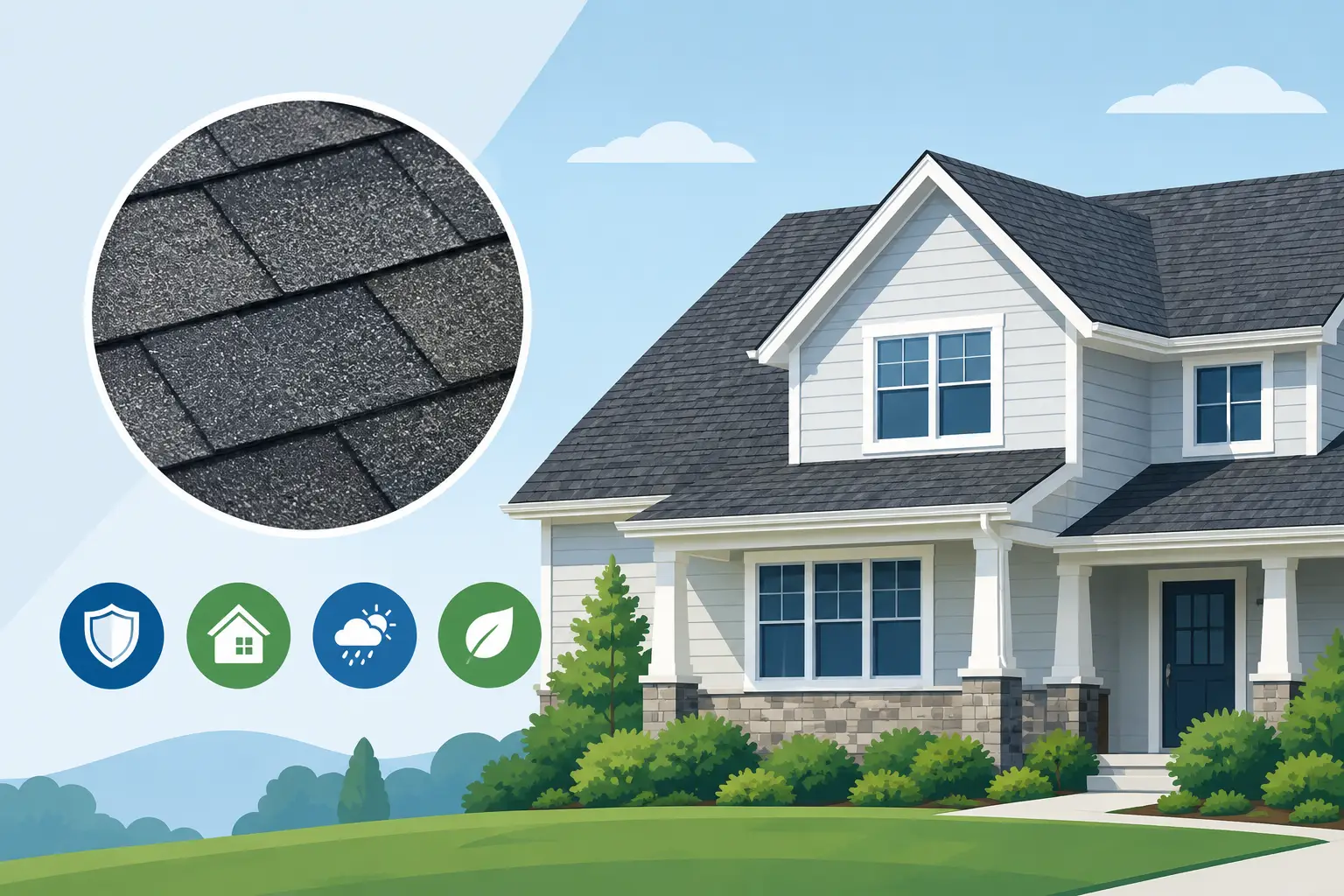
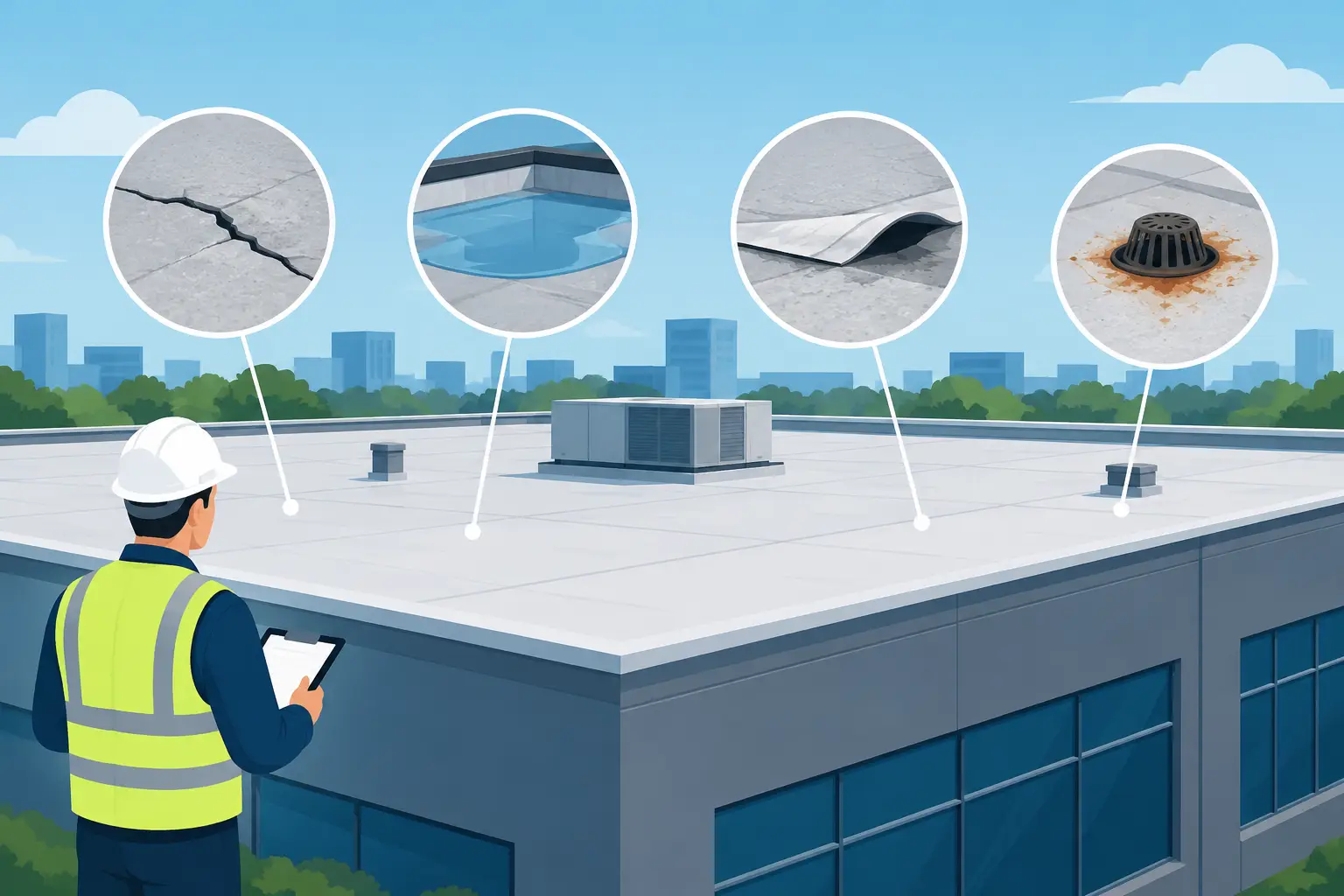
For a shingle replacement, that usually means identifying the shingles, underlayment, ice and water protection, flashing work, ventilation components, drip edge, ridge caps, and disposal. On a low-slope commercial roof, the proposal should identify the membrane or coating system, insulation if applicable, flashing details, drainage-related work, and edge metal.
A vague scope gives a contractor room to reduce material quality, omit necessary details, or charge extra for items that a complete estimate would have addressed from the start. Not every hidden condition can be predicted before tear-off, but the estimate should clearly explain the base scope and how unforeseen work will be handled.
Materials are named generically, or not at all
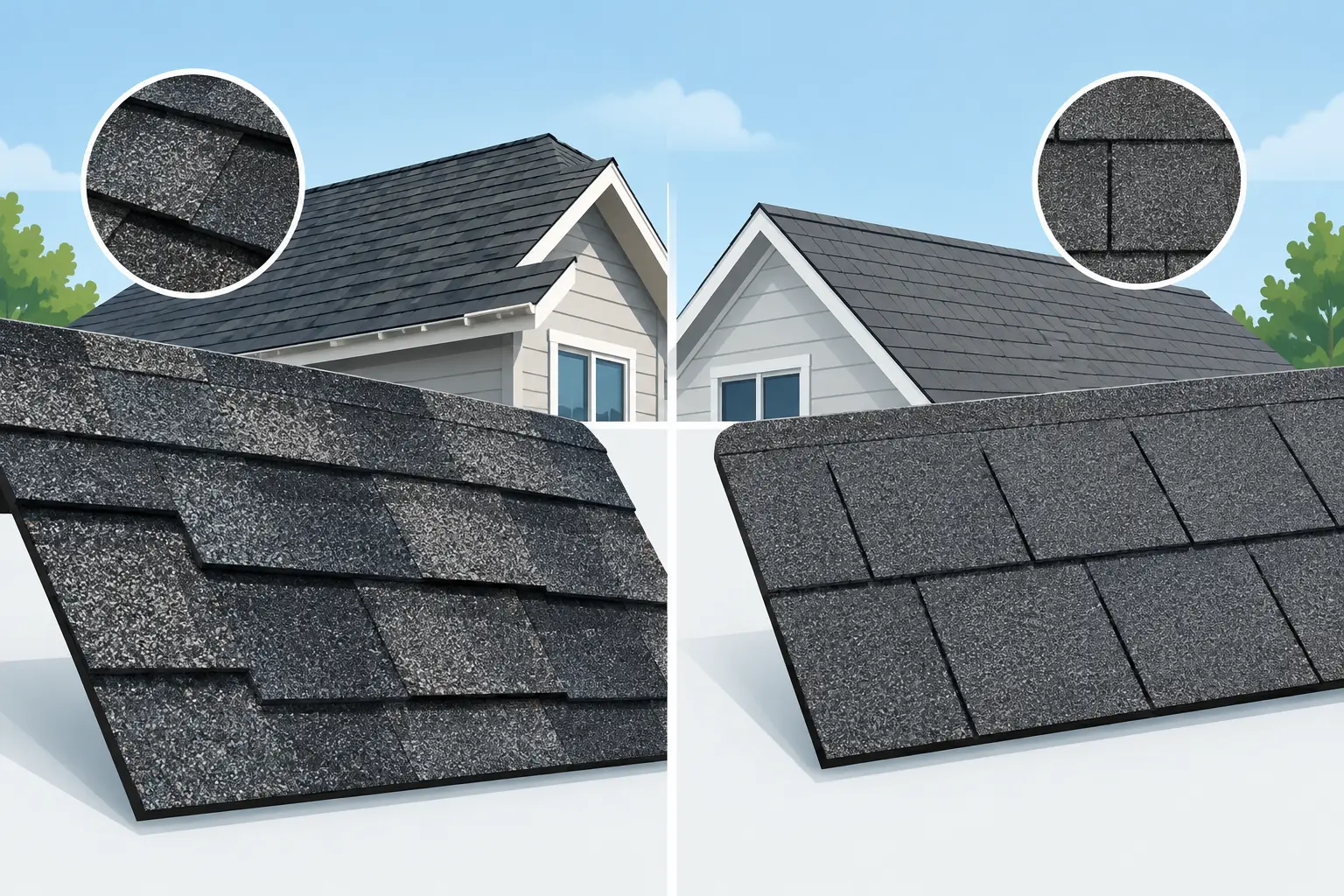
“Architectural shingles” is a category, not a complete material specification. The estimate should state the manufacturer, product line, color when selected, and the components that support the system warranty. The same standard applies to commercial roofing membranes, coatings, insulation, fasteners, sealants, and metal flashings.
Generic language makes it hard to know whether bids are comparable. A lower quote may appear attractive because it uses a less durable underlayment, fewer waterproofing membranes, thinner metal, or a product with a shorter warranty. Price differences are not automatically red flags, but unexplained differences are.
Ask whether the proposed materials are compatible as a system and whether the installation will meet the manufacturer’s requirements. A long manufacturer warranty has value only when the specified products and installation procedures qualify for it.
The price is dramatically lower than every other bid
A low price can be legitimate when a contractor has efficient operations, direct labor, or a limited scope. It can also signal that important work has been omitted. If one estimate is far below the others, do not assume you found the same job for less. Compare line by line.
Look for differences in tear-off, deck inspection, waterproofing, flashing replacement, ventilation, protection of landscaping or building entrances, debris removal, and permit-related responsibilities. On a commercial project, also compare staging, access, safety measures, drainage corrections, and after-hours requirements.
The right question is not, “Who gave the lowest number?” It is, “What work and risk does this number include?” A dependable estimate should make that answer easy to see.
No allowance or process for concealed damage
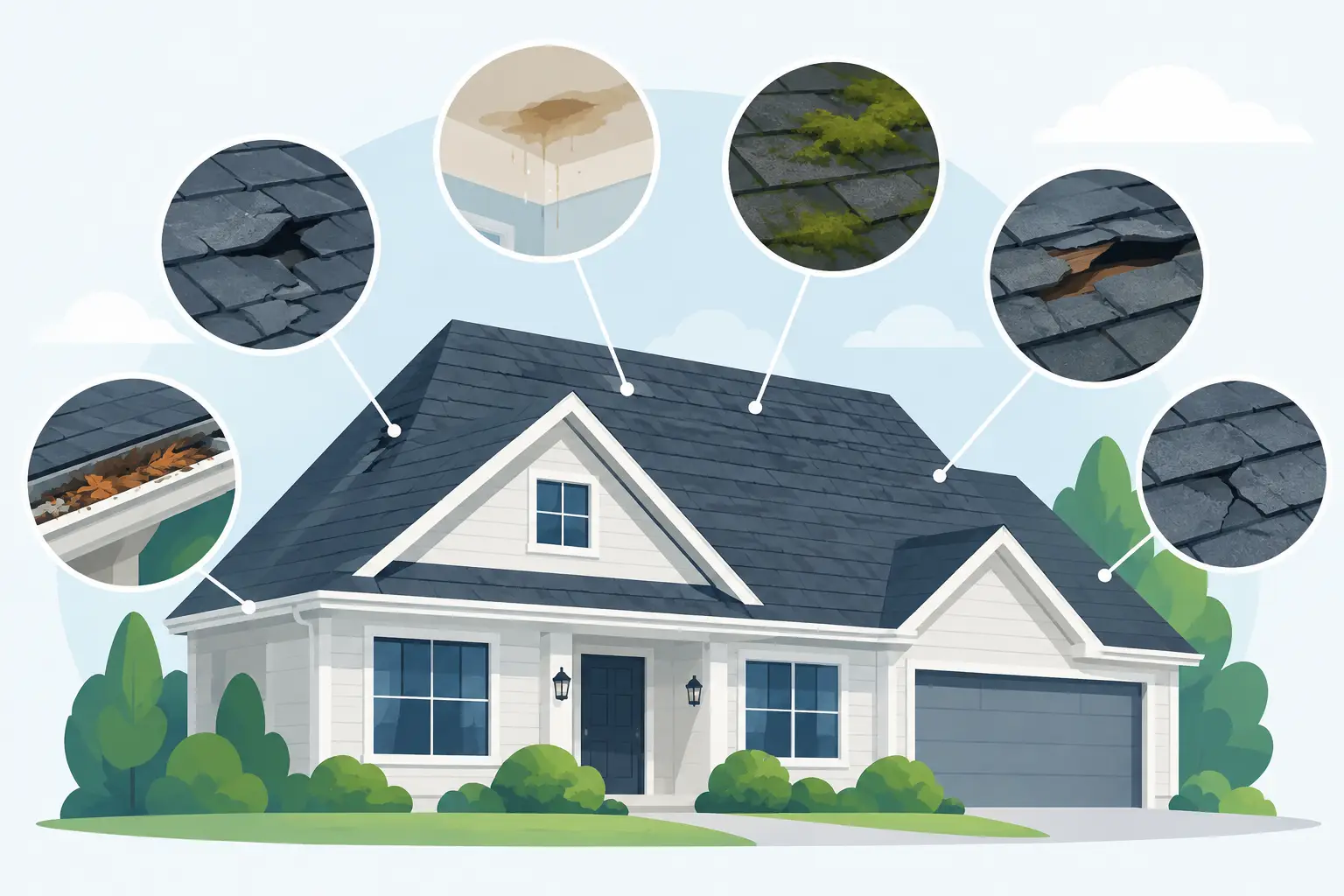
Roofing work often reveals conditions that cannot be fully inspected until old materials are removed. Rotting plywood, deteriorated decking, wet insulation, damaged fascia, and concealed flashing failures are common examples. A contractor should not pretend these risks do not exist.
What matters is whether the estimate explains the process. It should state how concealed damage will be documented, who authorizes additional work, and how pricing will be calculated. A clear unit price for deck replacement or a written change-order procedure protects both parties.
Be cautious when a contractor says everything is included without inspecting the roof closely, especially on an older property. A thorough on-site consultation is more credible than a rushed quote based only on satellite measurements or a street-level view.
Missing safety, licensing, or insurance information
Roofing is high-risk work. An estimate should come from a contractor that can demonstrate proper insurance coverage, trained installers, and compliance with Working at Heights requirements. These are not administrative details. They affect jobsite safety, liability exposure, and the contractor’s ability to perform work professionally.
For commercial properties, safety planning deserves particular attention. The work may involve occupied spaces, pedestrian access, loading areas, equipment protection, or restricted hours. If the estimate ignores site logistics, safety controls, and cleanup expectations, it may not reflect the actual demands of the project.
Ask who will be on site and whether the contractor uses an in-house team or relies primarily on subcontracted labor. Direct oversight and trained installation crews provide clearer accountability when workmanship questions arise.
Watch for Unclear Warranty Language
“Lifetime warranty” can sound decisive, but it is not a complete answer. Most roofing warranties have defined coverage periods, registration requirements, exclusions, and limits on labor coverage. Manufacturer coverage and contractor workmanship coverage are separate protections.
A dependable estimate identifies what warranty applies to the materials, what warranty the contractor provides for installation, and what actions could affect coverage. It should also explain whether existing conditions, ventilation issues, ponding water, structural movement, or unauthorized repairs are excluded.
For repairs, warranty terms may be narrower than they are for a full replacement. That is reasonable. A repair can address a specific failure without guaranteeing every aging component of the remaining roof. The concern is not a limited warranty by itself. The concern is a contractor who makes broad warranty claims without putting the terms in writing.
Large upfront payments and unclear payment milestones
Payment terms should match the size and complexity of the project. A deposit may be appropriate for scheduled work and material ordering, but a request for most or all of the money before work begins deserves careful review.
The estimate should identify when payments are due and what work or materials each payment represents. On larger replacement or commercial projects, milestones may be tied to mobilization, material delivery, completion of installation, and final cleanup or inspection. Avoid cash-only arrangements or terms that are not documented in the written proposal.
A professional contractor has no reason to make payment expectations confusing. Clear terms protect the contractor’s scheduling and material commitments while giving the owner a reasonable way to confirm progress.
Verbal promises that do not appear in the estimate
If a salesperson promises upgraded underlayment, extra flashing work, a specific cleanup process, or a particular completion schedule, those commitments should appear in the estimate or contract. Verbal assurances are difficult to verify once a project is underway.
This also applies to exclusions. If the contractor says a chimney repair, skylight replacement, gutter work, or deck repairs are not included, that should be stated clearly. Surprises usually grow from assumptions, not from the work itself.
Before signing, ask for written clarification on anything that seems open to interpretation. A qualified roofer should welcome direct questions about scope, materials, safety, warranties, and schedule.
What a Reliable Roofing Estimate Should Give You
A trustworthy estimate does more than quote a price. It gives you a practical plan for protecting the property. You should be able to identify the work area, specified materials, removal and disposal plan, waterproofing and flashing details, warranty information, payment schedule, and process for unexpected conditions.
It should also reflect real site conditions. A roof replacement near mature landscaping, a townhouse with restricted access, or an occupied commercial building requires planning that may not show up in a basic online quote. Good contractors account for these realities before work begins rather than treating them as an afterthought.
Toronto Roofers approaches estimates with on-site evaluation, trained installation standards, and direct project accountability. Whether the project involves a residential shingle roof or a commercial roofing system, the goal is to make the scope understandable before a commitment is made.
A roofing proposal does not need to be overloaded with technical language to be credible. It does need to be specific. Take the time to compare more than the bottom line, ask for clarification in writing, and choose the contractor who can clearly explain how the roof will be built, protected, and supported after the job is complete.