
A gutter that pulls away from the fascia after a Toronto freeze is not just a curb-appeal issue. It can send water behind the eaves, soak trim, erode landscaping, and place extra stress on the roof edge. The right gutter repair versus replacement decision depends on more than the visible damage. It depends on the system’s age, the condition of the roofline, the cause of the failure, and whether a repair will provide reliable drainage through the next severe storm.
For homeowners, property managers, and commercial building owners, the goal is not to choose the lowest immediate price. It is to stop water from reaching parts of the building that were never designed to stay wet. A qualified on-site assessment can identify whether targeted work is a sensible investment or whether repeated repairs are delaying a system that has reached the end of its service life.
When Gutter Repair Is the Better Investment
Repair is often the right answer when the gutter system is fundamentally sound and the problem is isolated. A single loose hanger, separated end cap, leaking seam, or disconnected downspout does not automatically justify replacing every gutter on the building.
Small leaks at seams or end caps can usually be cleaned, resealed, and tested. Loose sections may be re-secured with properly spaced hangers, provided the fascia board behind them is solid. A downspout that has been dented by impact or loosened at an elbow may also be repaired or replaced without disturbing the rest of the system.
Correcting pitch is another repair that can make a major difference. Gutters need a subtle, consistent slope toward the downspout. When water stands in one section after rain, the issue may be poor pitch or a low spot rather than a failed gutter. Rehanging the affected run can restore drainage if the metal is still straight and the support structure is in good condition.
Repair makes financial sense when it addresses the root cause. For example, replacing a few failed fasteners is worthwhile if the fascia is dry and sound. If those fasteners failed because moisture has rotted the fascia, simply adding new hardware will not hold for long. The hidden condition behind the gutter matters as much as the gutter itself.
Signs an Isolated Repair May Work
A repair is usually reasonable when most sections remain firmly attached, water drains freely after cleaning, corrosion is limited to a small area, and the gutter profile has not been crushed or permanently distorted. The system should also be compatible with the existing roof edge and downspout layout.
It is wise to have the roofline inspected at the same time. Water marks on soffits, peeling paint, soft fascia, or staining below a gutter joint can point to a larger moisture issue. A reliable contractor will explain what is causing the damage rather than treating the visible symptom alone.
When Gutter Replacement Protects the Building Better
Replacement becomes the better long-term choice when defects are widespread, materials are deteriorating, or the existing system cannot carry water away effectively. Patching several leaks across aging gutters may cost less today, but it can become an expensive cycle if more seams, hangers, and downspouts fail each season.
Frequent overflowing is a common warning sign. Debris can cause an occasional blockage, but a clean gutter that still overflows may be undersized, poorly pitched, or served by too few downspouts. This is especially relevant on large roof planes, steep roofs, and commercial properties where heavy runoff can overwhelm an outdated drainage design.
Replacement should also be considered when gutters have extensive rust, recurring cracks, sagging runs, or multiple separated joints. These conditions affect structural performance. Water that backs up at the eaves can damage fascia and soffit materials, contribute to ice formation in winter, and create conditions that shorten the useful life of roof-edge components.
Seamless aluminum gutters are often a practical replacement option for residential properties because they reduce the number of joints along each run. Fewer joints generally mean fewer locations where sealant can fail. The correct choice still depends on the building, roof drainage area, appearance requirements, and budget. Larger gutter profiles or additional downspouts may be necessary where water volume is high.
Replace Gutters During Roof Work When It Makes Sense
A roof replacement is often the most efficient time to evaluate gutters, drip edge, fascia, and soffits together. The roof edge is exposed, access equipment is already in place, and the contractor can confirm that each component works as a coordinated water-management system.
That does not mean gutters always need replacement with a new roof. Well-maintained gutters with proper slope and secure attachment may continue to perform well. However, installing a new roof against worn, leaking gutters can leave a weak point at one of the building’s most water-sensitive areas. A detailed estimate should distinguish between work that is necessary now and work that can reasonably wait.
The Cost Question: Repair Now or Replace Once?
The cost of gutter repair versus replacement is not limited to labor and materials. It also includes the potential cost of waiting. A modest leak can lead to fascia replacement, soffit repairs, stained siding, foundation drainage issues, or interior moisture damage if water finds its way behind exterior finishes.
Repair is generally less expensive when the work is confined to one or two accessible sections. Replacement has a higher upfront cost because it involves new materials, removal, installation, proper pitch, downspout configuration, and disposal. Yet replacement may offer better value when the current system needs multiple repairs or no longer matches the building’s drainage demands.
Property managers should also consider maintenance efficiency. A system with inconsistent slopes, too many weak joints, or undersized downspouts can demand repeated service calls. Investing in a properly designed replacement may reduce disruptions and make seasonal maintenance more predictable.
The lowest quote is not always the lowest-cost outcome. Gutter work affects the roof edge, and poor attachment can damage fascia or create drainage problems that remain hidden until the next major storm. Ask whether the contractor will inspect the substrate, confirm slope, secure downspouts, and test water flow before the job is complete.
What a Professional Gutter Assessment Should Cover
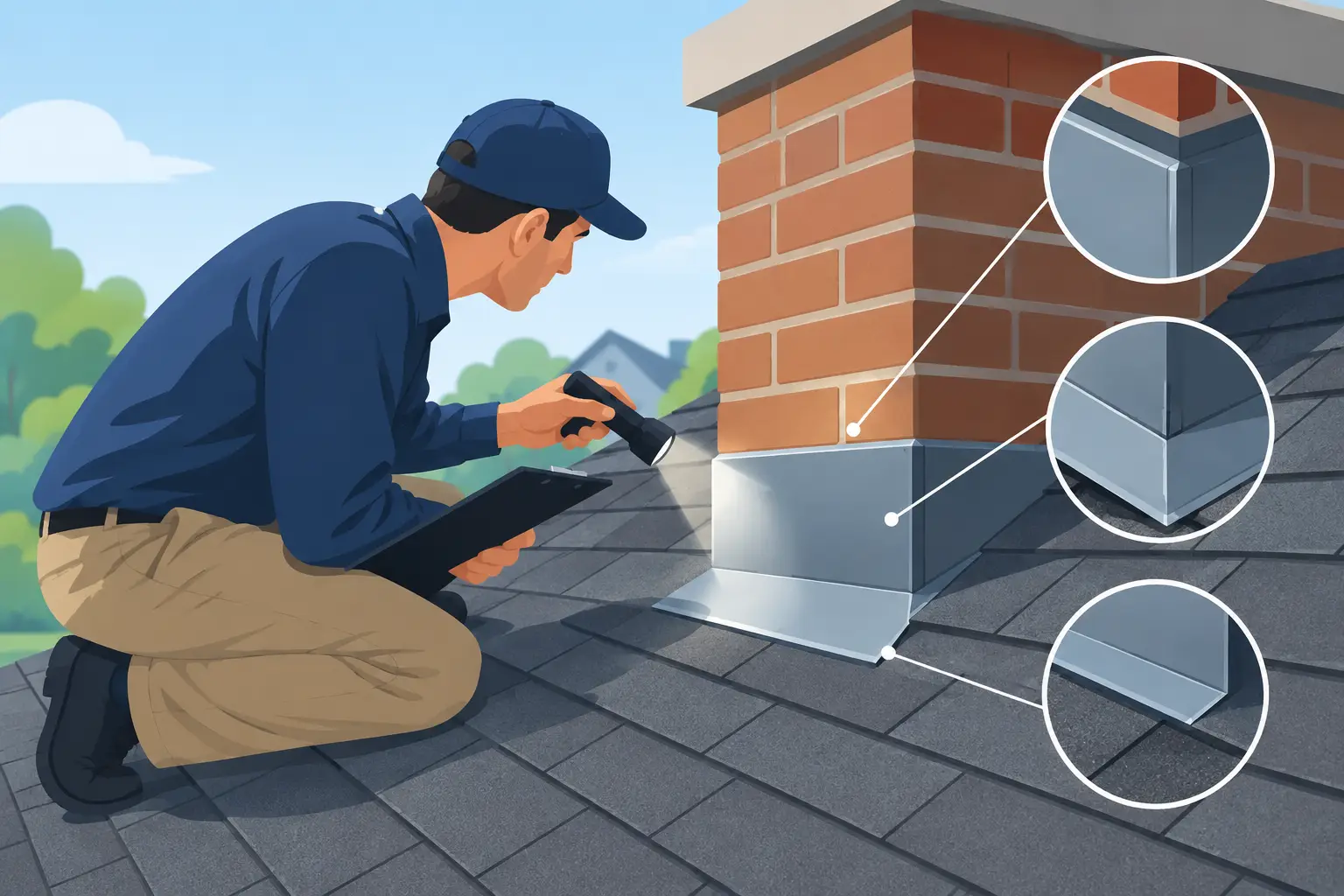
A useful assessment starts from the roofline rather than from the ground. The inspector should look for roof-edge issues, damaged drip edge, loose or rotted fascia, soffit deterioration, and signs that water has been traveling behind the gutter.
The system should then be checked for pitch, capacity, seam condition, hanger spacing, downspout placement, and discharge location. Downspouts should carry water away from the building in a controlled manner. If water is released too close to the foundation, even a new gutter system can leave the property exposed to drainage problems.
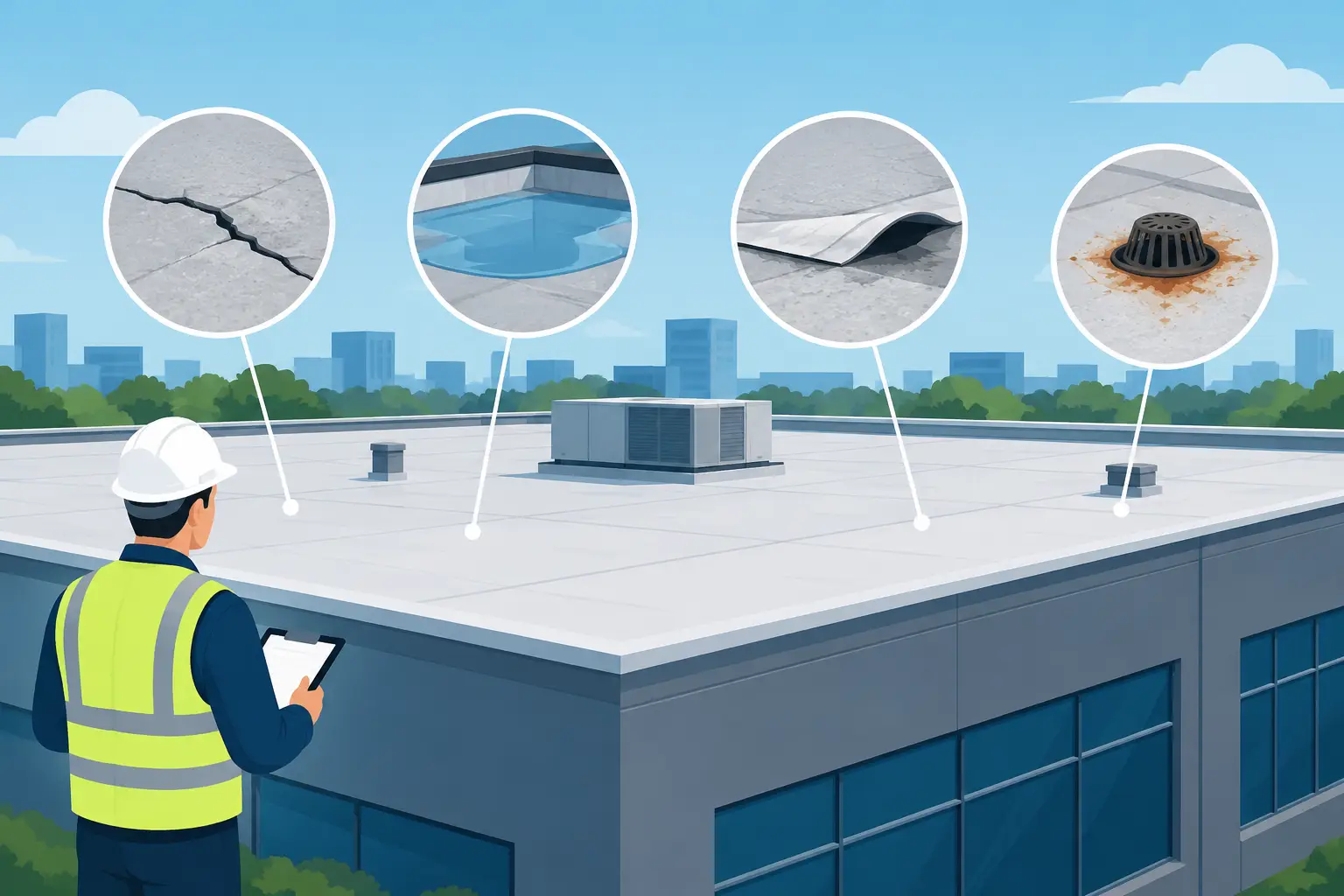
For commercial properties, the assessment may also include the interaction between gutters, roof drains, scuppers, parapets, and site drainage. Commercial water management can be more complex, and a localized failure may affect larger roof areas or pedestrian safety below.
A professional contractor should provide a clear recommendation with the reason behind it. If repair is sufficient, the scope should identify the affected sections and the expected result. If replacement is recommended, the estimate should explain the material, profile, downspout plan, attachment method, and any related fascia or roof-edge repairs. This level of detail helps owners compare proposals fairly and avoid surprises once work begins.
Do Not Let Gutter Damage Become Roof Damage
Gutters are sometimes treated as an accessory, but they are part of the building envelope. When they fail, water does not always announce itself with a dramatic leak. It may quietly soften wood, stain ceilings near exterior walls, or create ice hazards around entries.
For properties in Toronto and the surrounding area, winter freeze-thaw cycles and intense seasonal rain make dependable drainage especially valuable. Cleaning gutters regularly, checking downspout discharge, and addressing loose sections early can extend the life of both the gutter system and the roof edge.
Toronto Roofers approaches roofline work with the same attention to workmanship, safety, and detailed site conditions applied to every roofing project. If you are seeing overflow, sagging, stains, or recurring seam leaks, arrange an on-site evaluation before a small drainage issue reaches the roof structure. The best decision is the one that provides lasting water control, not just a temporary visual fix.