
A roof replacement usually becomes real for owners the moment a leak shows up in a finished room, shingles start collecting in the yard, or a flat roof keeps needing patch after patch. At that point, the question is not whether the roof matters. The question is whether continued repairs are still protecting the building or simply delaying a larger failure.
For homeowners and property managers, this is a high-trust decision. The roof system affects water control, insulation performance, ventilation, structural protection, tenant comfort, and long-term asset value. It also carries real financial consequences if the work is poorly specified or poorly installed. That is why roof replacement should be approached as a building decision, not just a product purchase.
When roof replacement makes more sense than repair
Not every damaged roof needs to be replaced immediately. A localized repair can still be the right call if the problem is isolated, the roof is relatively young, and the surrounding materials remain sound. Missing shingles after a wind event, flashing damage around one penetration, or a small membrane split on an otherwise serviceable commercial roof may be repairable.
The situation changes when deterioration is widespread or recurring. If leaks are appearing in different areas, if the roof has reached the end of its expected service life, or if repeated repairs are no longer cost-effective, replacement is usually the more responsible investment. This is especially true when moisture has begun affecting decking, insulation, soffits, interior finishes, or rooftop equipment supports.
Age matters, but condition matters more. Two roofs installed in the same year can perform very differently depending on attic ventilation, prior workmanship, drainage, sun exposure, maintenance history, and weather stress. A proper on-site inspection should look beyond the visible surface and evaluate the full assembly.
What a professional roof replacement assessment should include
A serious estimate should do more than provide a square-foot price. It should identify what is failing, why it is failing, and what scope is required to correct it properly. That includes the roof covering, flashing details, underlayment or membrane components, ventilation strategy where applicable, drainage conditions, and the condition of the roof deck.
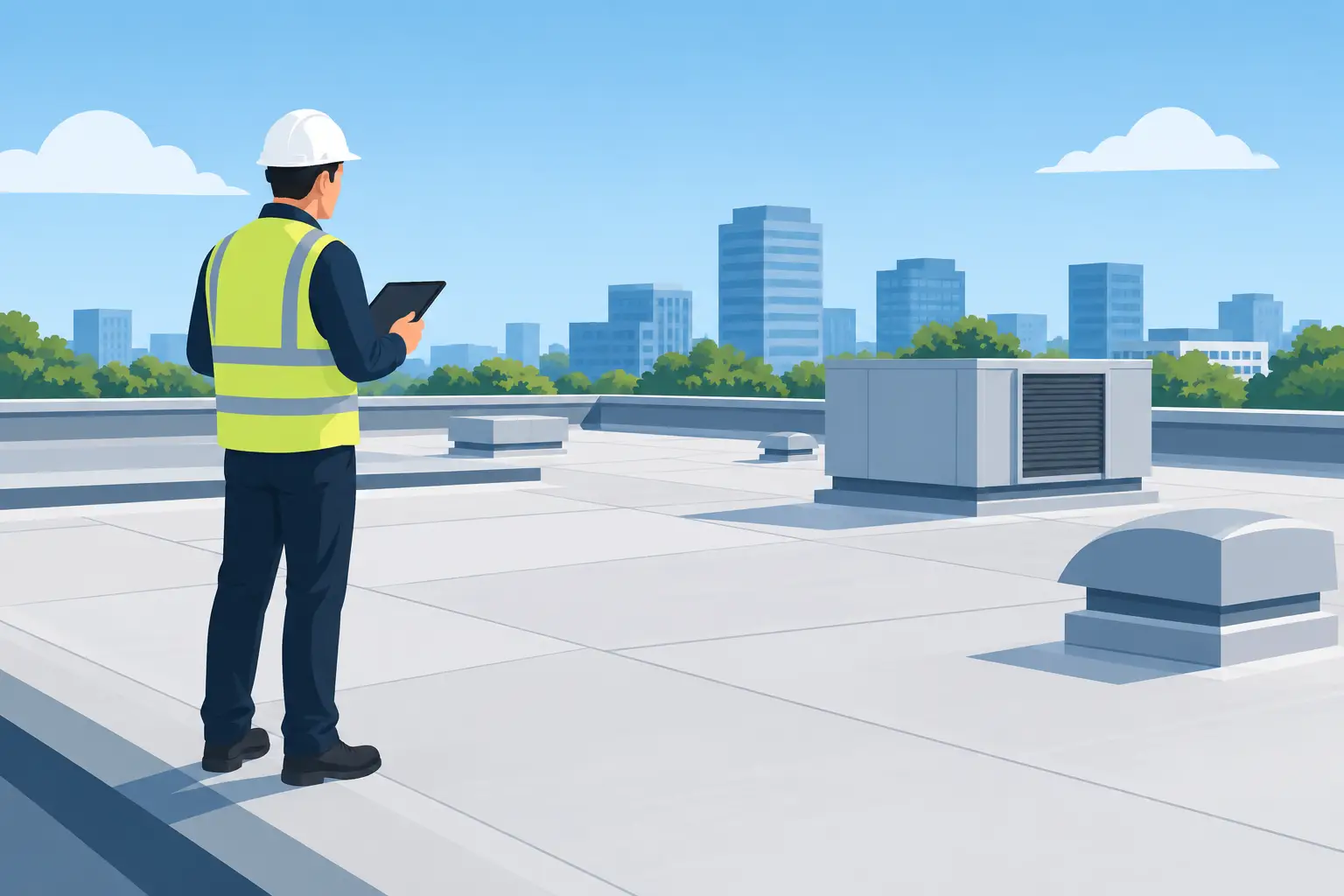
For residential sloped roofs, the inspection should consider shingle wear, granule loss, nail pops, flashing condition, valleys, ridge details, chimney and skylight transitions, and signs of trapped heat or moisture in the attic. For commercial systems, the focus may include membrane seams, ponding water, parapet details, drains, edge metal, rooftop penetrations, insulation condition, and signs of substrate deterioration.
This is also where contractor discipline matters. A trained in-house crew with direct oversight can identify installation issues that less controlled labor teams may miss. Certifications, safety compliance, and manufacturer-approved methods are not just marketing language. They affect whether the new roof is installed to standard and whether warranty coverage will hold up over time.
Roof replacement is more than shingles or membrane
One of the most common mistakes owners make is comparing proposals only by material type. A shingle brand or membrane name matters, but it is only one part of the system. A roof performs as a complete assembly, and failures often start at the details.
Flashing around walls, vents, chimneys, and curbs must be integrated correctly. Underlayment selection matters. Ice and water protection in vulnerable areas matters. So does ventilation in residential applications, where poor airflow can shorten roof life and contribute to heat and moisture problems. On commercial properties, slope design, drainage capacity, and edge securement can be just as important as the field membrane itself.
That is why the lowest bid can become the highest-cost job. If critical components are omitted, substituted, or installed carelessly, the building owner pays later through leaks, call-backs, shortened service life, and warranty disputes.
Choosing the right roof system for the building
There is no single best roof for every property. The right system depends on building type, slope, exposure, budget, expected hold period, and maintenance goals.
For many homes, architectural asphalt shingles remain a practical choice because they balance appearance, performance, and cost. Higher-grade options may offer stronger wind resistance, better algae protection, and longer manufacturer-backed coverage when installed according to specification. That said, premium materials only perform as expected when the roof deck, ventilation, flashing, and installation standards are all addressed.
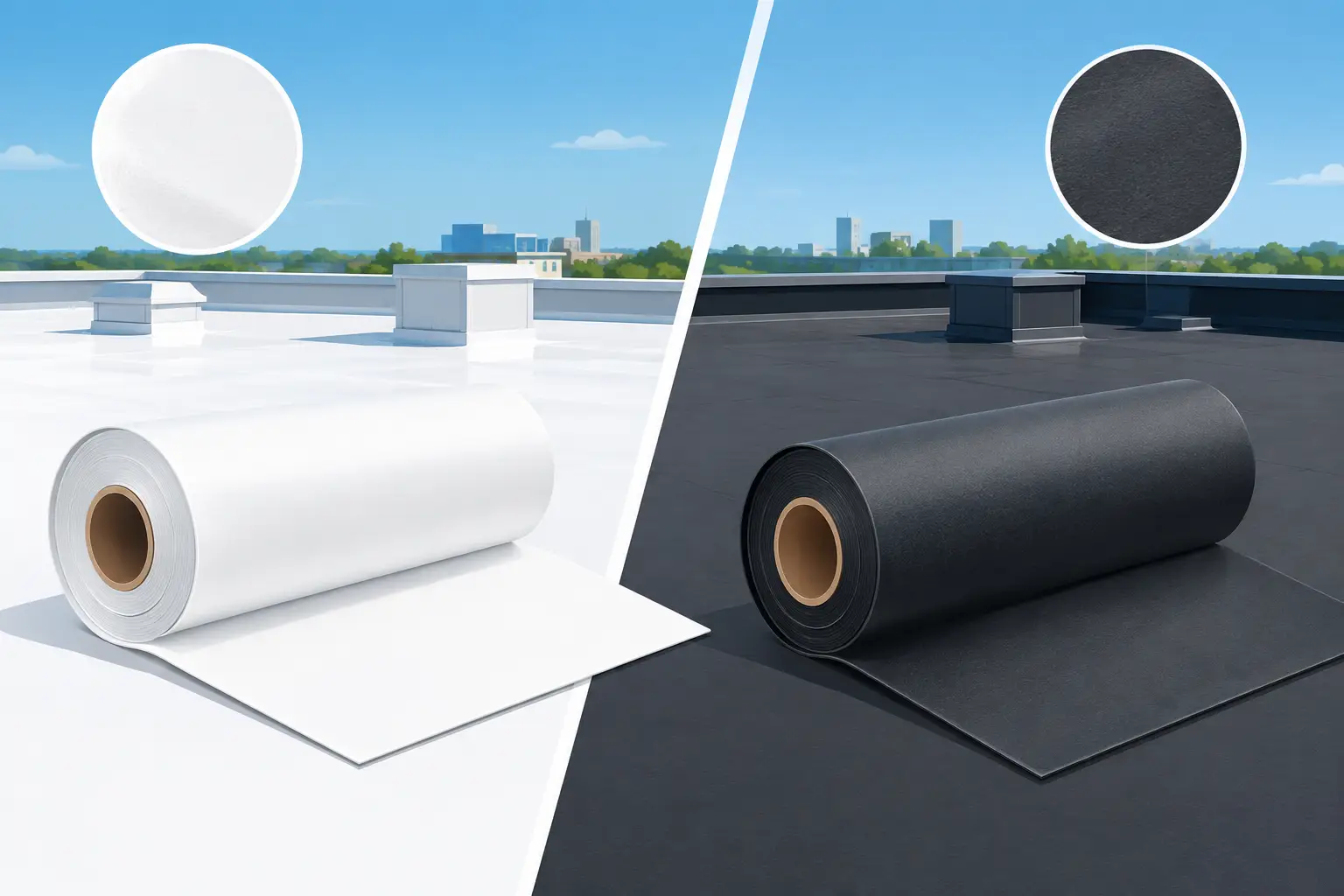
For commercial buildings, system selection often depends on roof design and operational needs. A low-slope structure may require a membrane solution designed for drainage patterns, rooftop traffic, penetrations, and service access. Property managers should also weigh how future repairs, maintenance access, and energy performance may affect operating costs over time.
The trade-off is straightforward. Lower upfront cost may fit the immediate budget, but it can reduce service life or increase maintenance exposure. Higher-end systems can make sense when the owner intends to hold the property long term or wants stronger warranty protection and more predictable performance.
What affects roof replacement cost
Owners often ask for a simple price per square, but roof replacement costs are shaped by scope, not just size. Tear-off requirements, roof height, slope, accessibility, decking repairs, flashing complexity, ventilation upgrades, insulation changes, and disposal all affect labor and material needs.
A straightforward residential replacement on a simple roofline is very different from a steep, cut-up roof with multiple dormers, skylights, and chimney details. The same applies on the commercial side, where mechanical units, parapets, restricted access, and occupied-space coordination can add complexity.
Hidden conditions are another factor. Once the existing roof is removed, damaged decking or moisture-compromised components may need correction before the new system can be installed properly. A credible contractor should explain that possibility up front rather than pretending every roof can be priced as if the substrate is perfect.
Detailed estimating matters here. Owners need clear scope language, not vague allowances. A professional proposal should explain what is included, what assumptions are being made, and how unforeseen deck repairs or related corrections will be handled.
What to expect during the roof replacement process
A well-managed project follows a sequence. First comes site inspection and scope definition. Then the owner receives a detailed estimate, product recommendations, and an explanation of workmanship and warranty terms. Once approved, the project is scheduled with attention to weather, crew availability, material staging, and property access.
During installation, protection of the site is part of the job. Landscaping, siding, windows, driveways, and entry points should be considered. On commercial properties, access routes, tenant communication, parking control, and noise planning may also need to be coordinated.
Removal of the old roof should be followed by a close review of the deck and transitions. If underlying damage is found, it should be documented and addressed before new materials cover it. The new roof assembly is then installed according to manufacturer specifications and applicable code requirements. Final cleanup and a closeout review should not be treated as optional extras.
For occupied buildings, communication is one of the clearest signs of professionalism. Owners should know when work starts, what disruptions to expect, and who is accountable on site each day.
Why workmanship and accountability matter more than promises
Roofing is full of claims. Many companies talk about quality, but the difference shows up in training, supervision, and execution. When a contractor relies on direct oversight, documented safety compliance, formal installer standards, and manufacturer-recognized credentials, the owner has a stronger basis for trust.
That matters because roofing problems often come from details the owner never sees. Improper flashing terminations, rushed fastening patterns, poor ventilation design, and inconsistent sealing can look fine from the ground and still fail early. A roof replacement should be installed by people who understand the system, not just the surface material.
For owners in Toronto and surrounding areas, that also means hiring a contractor familiar with local weather stress. Freeze-thaw cycles, wind exposure, snow load concerns, and heavy rain all put pressure on roofing details. The installation standard has to match the environment.
Questions worth asking before you sign
Before approving a roof replacement, ask who will actually perform the work, how the crew is supervised, what certifications apply, and whether safety training is current. Ask what warranty coverage comes from the manufacturer and what workmanship responsibility stays with the contractor. Ask how decking repairs are handled, what ventilation changes are recommended if applicable, and whether the estimate includes all flashing and edge details.
If the answers are vague, that tells you something. Roofing is a skilled trade, and clear scope language is part of professional service.
A new roof should leave you with more than a better-looking building. It should leave you with confidence that the assembly was specified correctly, installed carefully, and backed by a contractor willing to stand behind the work long after the crew leaves the site.