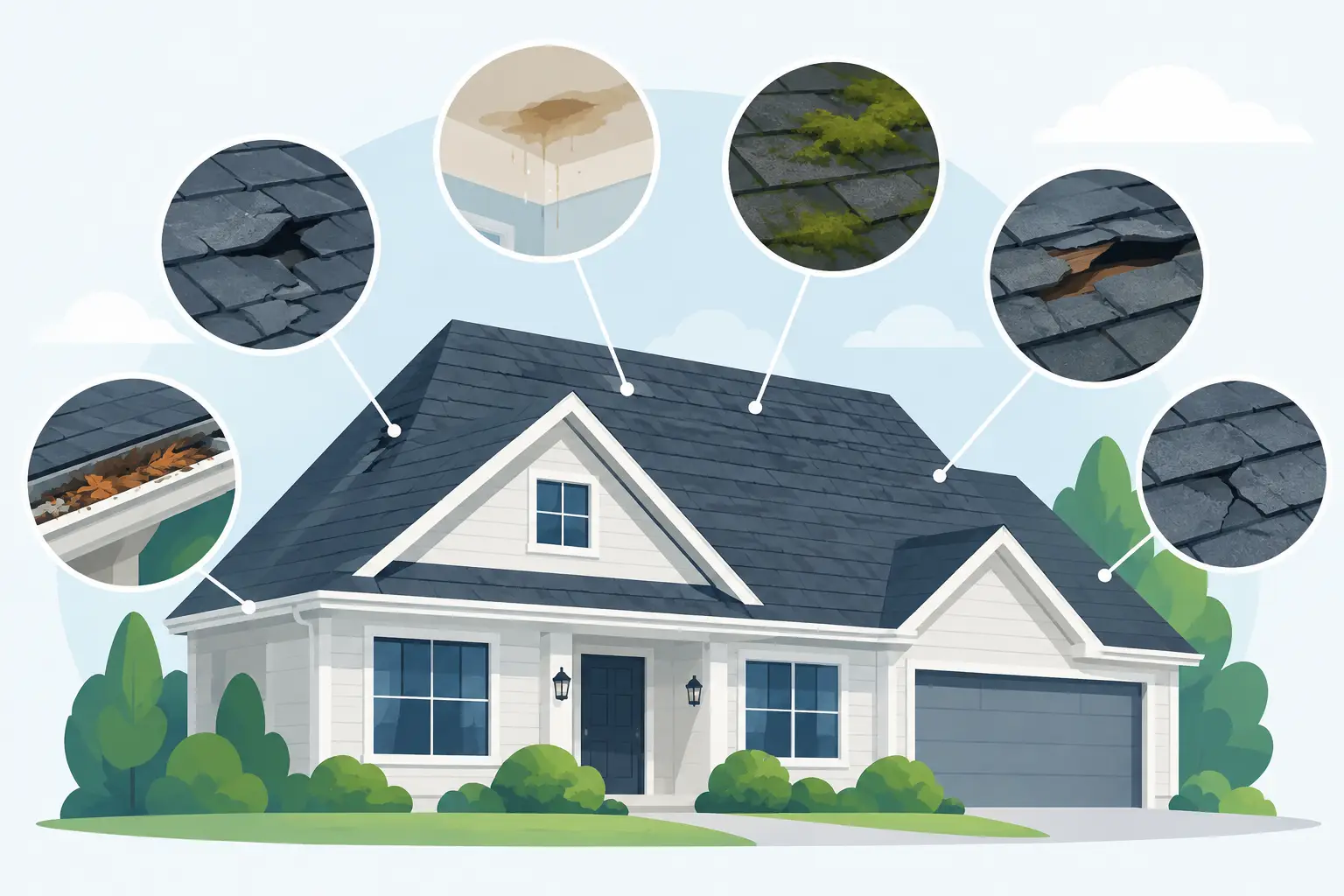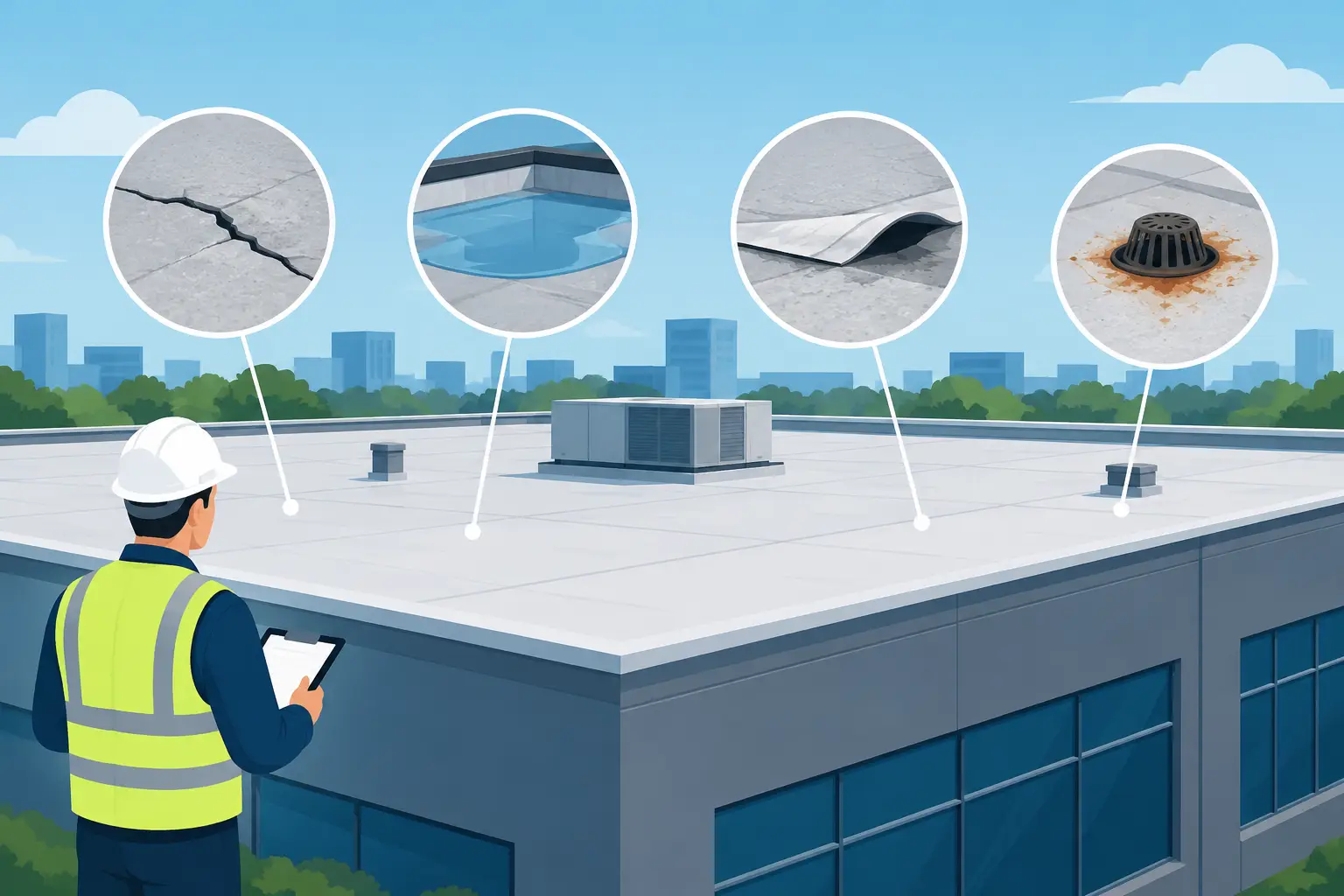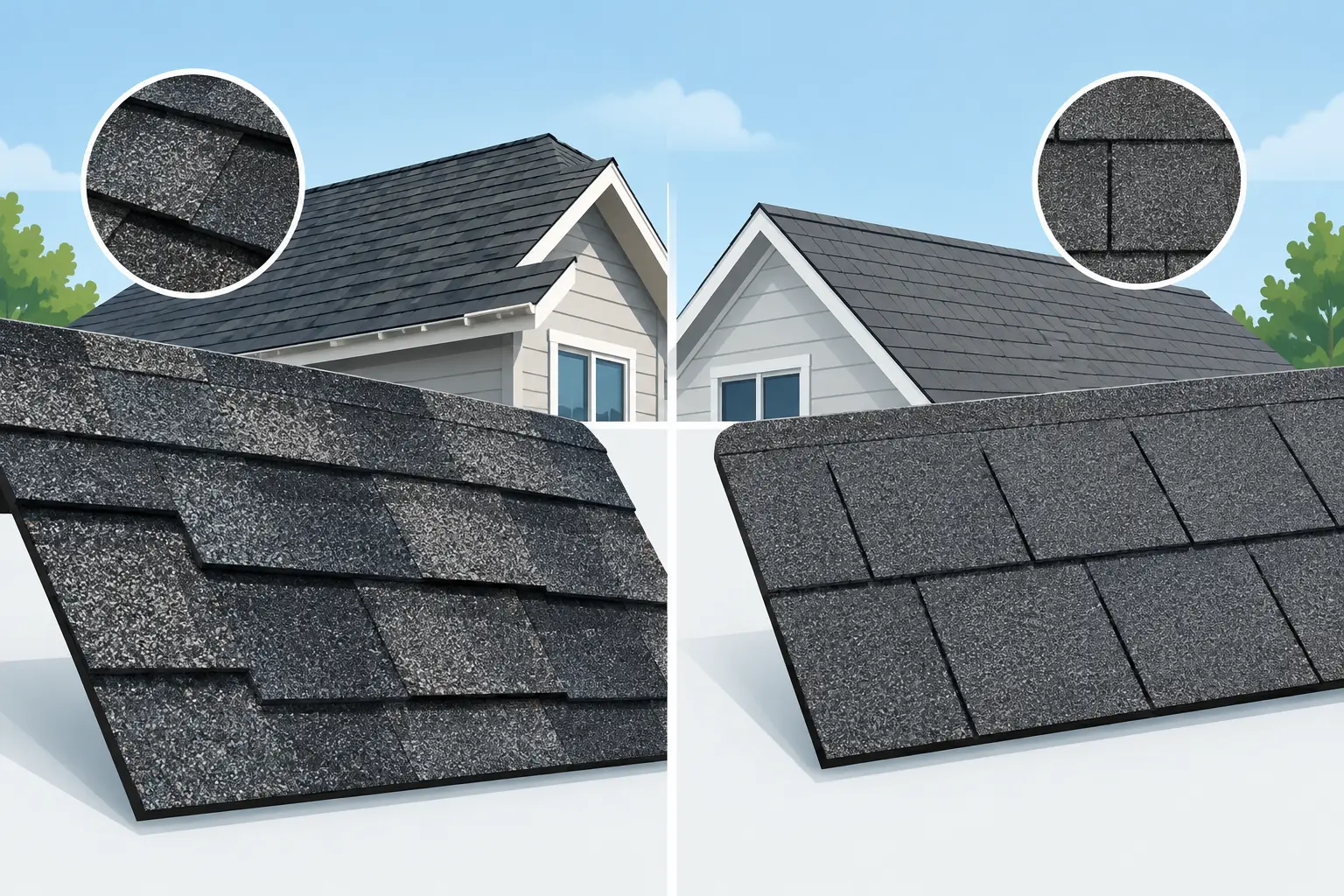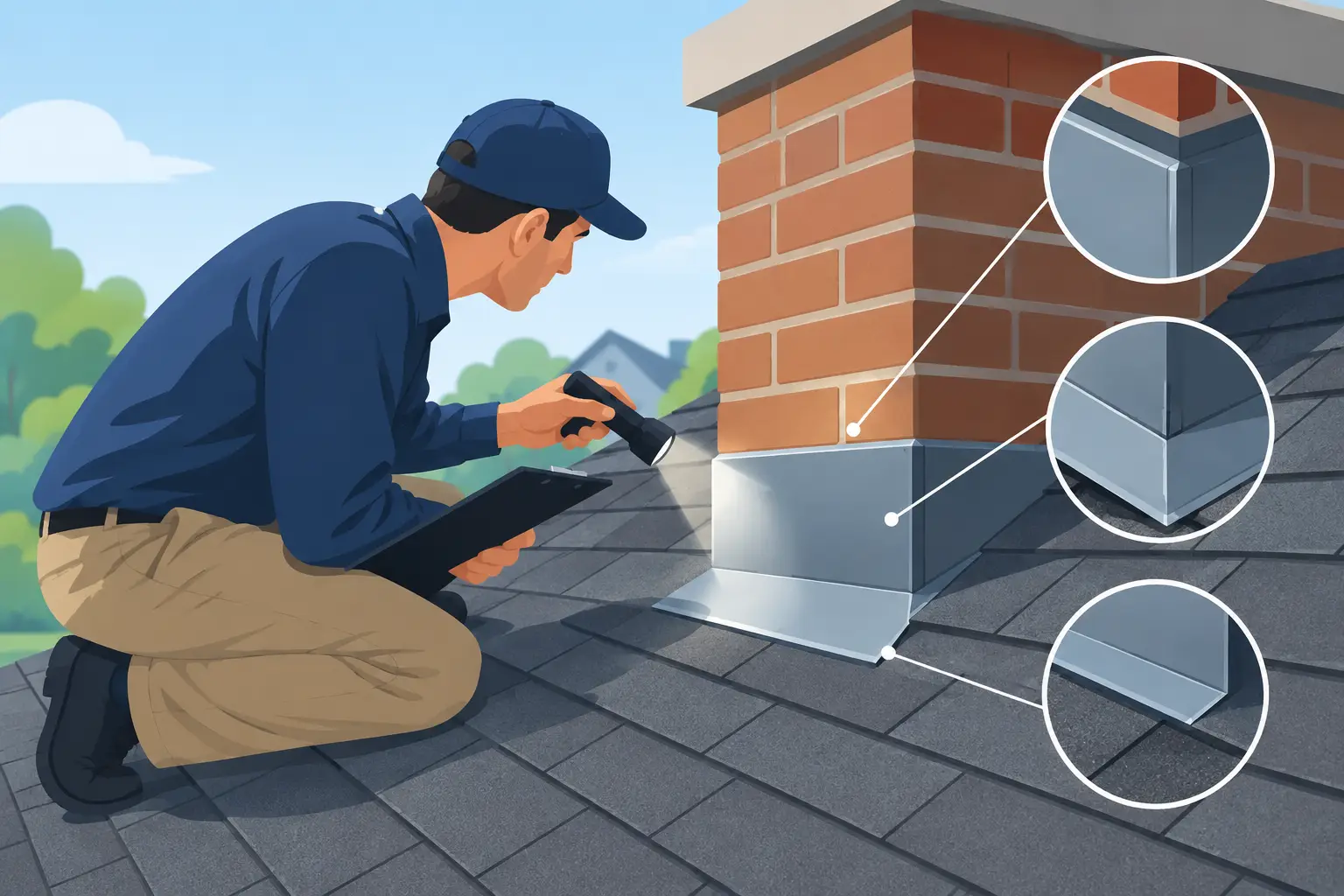
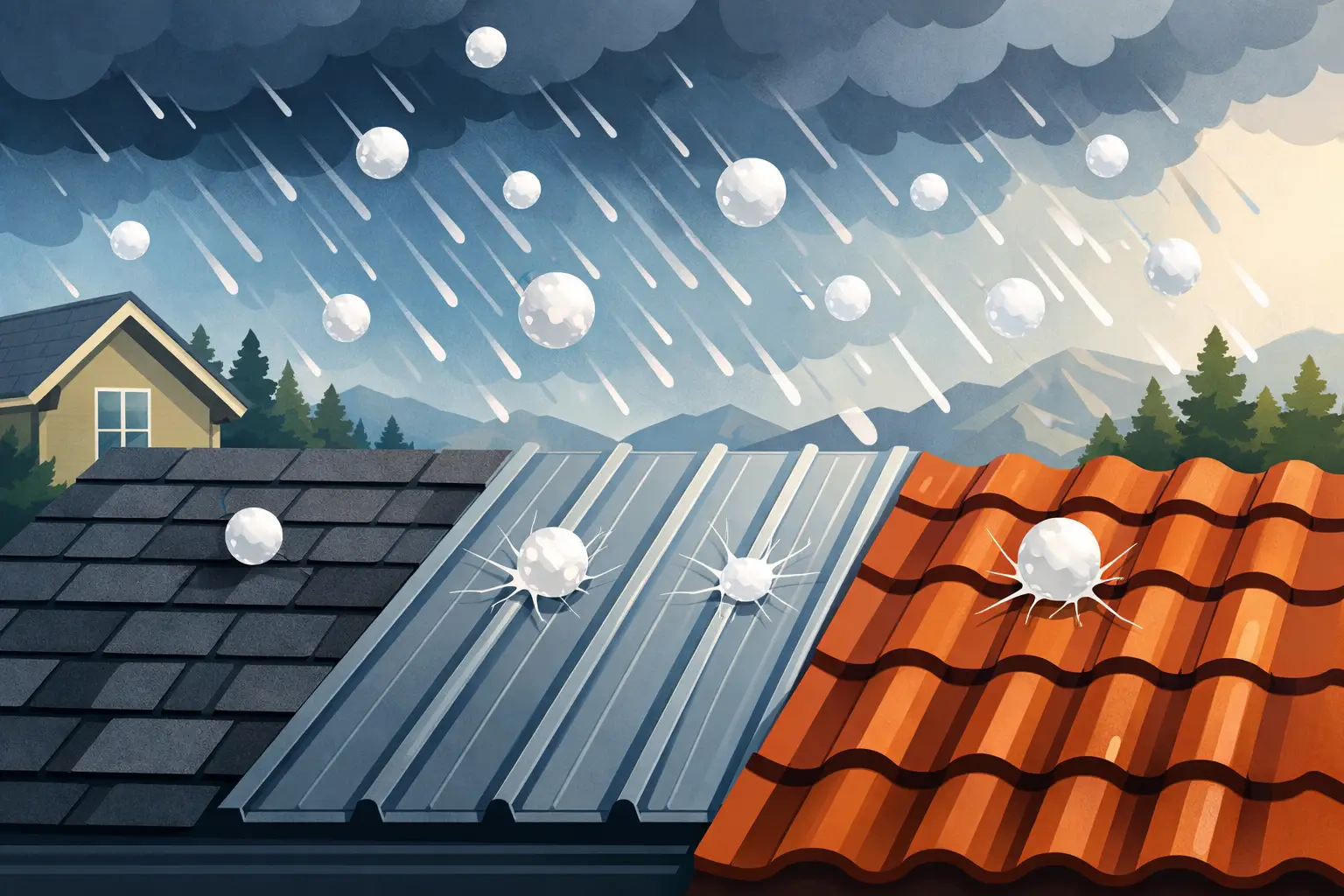
A hailstorm can leave a roof looking almost unchanged while compromising shingles, flashings, vents, and protective granules. That is why choosing the best roofing materials for hail is not simply about selecting the hardest surface. It means selecting a complete roof system that can resist impact, shed water properly, and be installed to manufacturer specifications.
For homeowners and property managers, the right choice depends on the building, roof slope, budget, appearance requirements, and the level of impact resistance needed. A qualified roofing contractor should assess those factors before recommending a material. The goal is not to promise a hail-proof roof – no common roofing system can make that promise – but to reduce the likelihood of damage and protect the building over the long term.
What Makes a Roofing Material Hail Resistant?
Hail resistance is usually measured through impact testing. One of the most recognized standards is UL 2218, which rates roofing products from Class 1 through Class 4. A Class 4 rating is the highest level in this test and is often the benchmark property owners look for when hail protection is a priority.
The test matters, but it does not tell the whole story. Hail varies in size, density, speed, and direction. A roof’s age, slope, decking condition, ventilation, and installation quality also affect how it performs. A Class 4 product installed over weak decking or with poorly secured flashing is not the same as a properly built, complete roofing system.
When reviewing material options, ask whether the specific product – not just the manufacturer or product line – carries an impact-resistance classification. Also ask how the material’s warranty addresses hail, cosmetic damage, wind uplift, and installation requirements.
Best Roofing Materials for Hail Protection
Class 4 Impact-Resistant Asphalt Shingles
For many residential properties, impact-resistant asphalt shingles provide the most practical balance of storm performance, cost, appearance, and repairability. These shingles commonly use a polymer-modified asphalt layer that helps the shingle flex when struck instead of cracking as easily as a conventional shingle.
Class 4 architectural shingles are available in styles that suit traditional homes, contemporary properties, and multi-unit residential buildings. They are generally more affordable than premium metal, slate, or tile systems, while offering a significant upgrade in impact performance over standard shingles.
They are not immune to damage. Extremely large hail can still dislodge granules, bruise the shingle mat, crack tabs, or damage roof accessories. However, a quality Class 4 shingle system is often the strongest starting point for property owners who want reliable hail resistance without changing the appearance or structural demands of their roof.
Metal Roofing
Metal roofing can perform very well in severe weather because it is noncombustible, long-lasting, and highly resistant to water penetration when properly installed. Standing-seam steel and aluminum panels are common choices for homes and commercial properties seeking a clean, durable roof covering.
The key trade-off is cosmetic denting. Hail may dent certain metal panels even when the roof remains fully functional. Thinner-gauge metal and softer aluminum are generally more prone to visible dents than heavier-gauge steel. For some property owners, especially those with highly visible rooflines, that distinction is important.
A metal roof should be evaluated by more than its panel type. Panel gauge, profile, substrate, coating, fastener system, underlayment, and roof geometry all influence performance. A contractor should also explain whether a proposed warranty covers functional damage only or includes cosmetic hail damage. Those are very different protections.
Synthetic Slate and Composite Shingles
Synthetic slate, composite shake, and engineered roofing products can offer excellent impact resistance while delivering a high-end appearance. Many are designed to replicate the look of natural slate or cedar without the same weight, brittleness, or maintenance concerns.
Quality composite products can be strong candidates for hail-prone areas because they are often engineered for impact resistance and moisture management. They can also be useful where a homeowner wants the character of slate or shake but the existing structure is not designed to support heavy natural materials.
This category requires careful product selection. Performance varies by manufacturer, and premium composite materials usually cost more than asphalt shingles. Installation experience is equally important, since specialized materials may require specific fastening patterns, ventilation details, and accessory components to maintain their warranty coverage.
Concrete and Clay Tile
Concrete and clay tile roofs offer long service lives and distinctive architectural appeal. Their individual tiles are substantial, and a properly designed tile system can hold up well under many weather conditions. However, tile is not always the best option where hail is the main concern.
Hail can crack or chip tiles, particularly older products or tiles that have become more brittle over time. Replacing damaged tiles may also be more involved than replacing shingles, and matching color on an aging roof can be difficult. Tile systems are heavy, so the roof structure must be evaluated before installation.
For a property already designed for tile, the material may still be a sound choice. It simply requires realistic expectations, careful inspection after storms, and a contractor familiar with the specific tile profile and underlayment system.
Natural Slate
Natural slate is durable, fire-resistant, and visually unmatched on the right property. It can last for generations when installed correctly. Yet slate is also a natural stone, and direct hail impact can fracture individual pieces.
Slate is best selected for its longevity and architectural value, not solely for hail resistance. It is expensive, heavy, and highly dependent on specialized installation. Where hail exposure is a major concern, synthetic slate may provide a more forgiving alternative with a similar appearance.
Materials That Need More Caution After Hail
Standard three-tab asphalt shingles, aging organic shingles, and weathered wood shakes typically offer less dependable impact performance. A standard shingle roof may still be appropriate for a limited budget or a short-term property plan, but it should not be presented as a high-impact solution.
Wood shake roofing can also split or crack from impact, while its condition can be harder to evaluate after a storm. If a roof has existing wear, exposed fasteners, curling, or granule loss, hail can accelerate problems that were already developing.
A roof replacement is the right time to consider impact resistance. Waiting until after repeated storm damage often means paying for emergency repairs, interior protection, and disrupted operations that a stronger system could have helped reduce.
The Roof System Matters as Much as the Surface
The visible roofing material is only one layer of protection. Hail can damage ridge caps, pipe boots, skylight flashings, vents, gutters, and exposed metal details. Water can enter through those areas even if the main field of shingles or panels appears intact.
A hail-conscious roof replacement should include sound decking, appropriate underlayment, properly installed drip edge, durable flashings, secure ventilation components, and manufacturer-approved fasteners. In areas such as Toronto, where roofs also face wind, heavy rain, snow loads, and freeze-thaw cycles, these details are not optional extras. They are part of a roof system built to perform.
Installation quality also affects impact performance. Incorrect nail placement, overdriven fasteners, insufficient fastening, or poorly aligned shingles can reduce wind resistance and create weak points. Certified installers who follow product specifications help protect both the roof and the manufacturer warranty.
How to Choose the Right Hail-Resistant Roof
Start with the level of risk and the condition of the existing roof. A newer roof with localized hail damage may be a repair candidate, while an older roof with widespread wear may justify replacement. Commercial properties should also consider whether roof downtime, tenant disruption, and drainage complexity make a higher-performance system a better long-term investment.
Next, compare materials by total value rather than initial price alone. Impact-resistant shingles may offer the most cost-effective option for many homes. Metal can be a strong long-term choice when cosmetic denting is acceptable or when the selected panel is designed for greater resistance. Composite products can be worthwhile where appearance, lower weight, and impact performance all matter.
Finally, obtain an on-site assessment and a detailed written estimate. The estimate should identify the exact material, impact classification where applicable, underlayment, flashing work, ventilation scope, warranty terms, and any decking repairs that may be needed. Clear scope and direct accountability are essential on any roofing project.
After a hailstorm, do not rely on a view from the ground to decide whether the roof is safe. Arrange a professional inspection before small impact damage becomes a leak, staining issue, or interior repair. A well-chosen material is valuable, but experienced inspection and certified workmanship are what keep its protection working when the weather turns.