A roof in the Greater Toronto Area has to handle more than rain. It faces freeze-thaw cycles, wind-driven storms, heavy snow loads, summer heat, and long periods of moisture. The best roof shingles for homes are the ones that suit those conditions while matching the home’s design, budget, ventilation, and expected ownership timeline.
The shingle itself matters, but it is only one part of a dependable roofing system. Underlayment, ice and water protection, flashing, attic ventilation, and installation quality all affect how long the roof performs. A premium shingle installed without proper details will not deliver the protection a homeowner expects.
Best Roof Shingles for Homes: Start With Performance
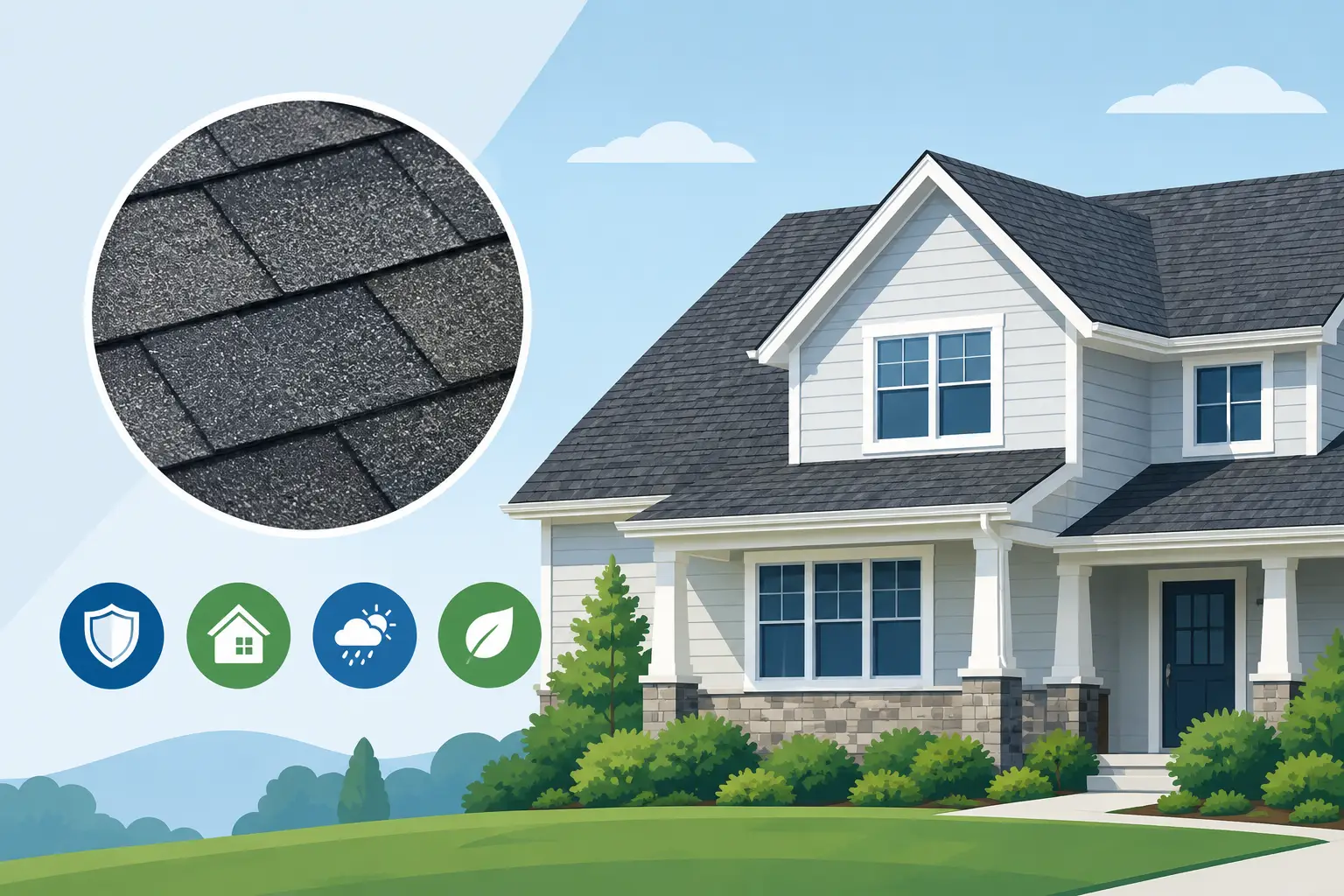
For most detached homes, architectural asphalt shingles are the strongest overall choice. They offer better thickness, dimensional appearance, wind resistance, and service life than basic three-tab shingles without reaching the price of specialty roofing materials. They are also available in a wide range of colors and profiles, making them suitable for traditional, modern, and heritage-inspired homes.
That does not mean every architectural shingle is identical. Product lines vary in weight, sealant design, wind ratings, algae resistance, warranty coverage, and approved installation methods. A detailed estimate should identify the exact shingle product and the components being installed underneath it, rather than simply stating that the roof will receive “new shingles.”
Architectural shingles: The practical first choice
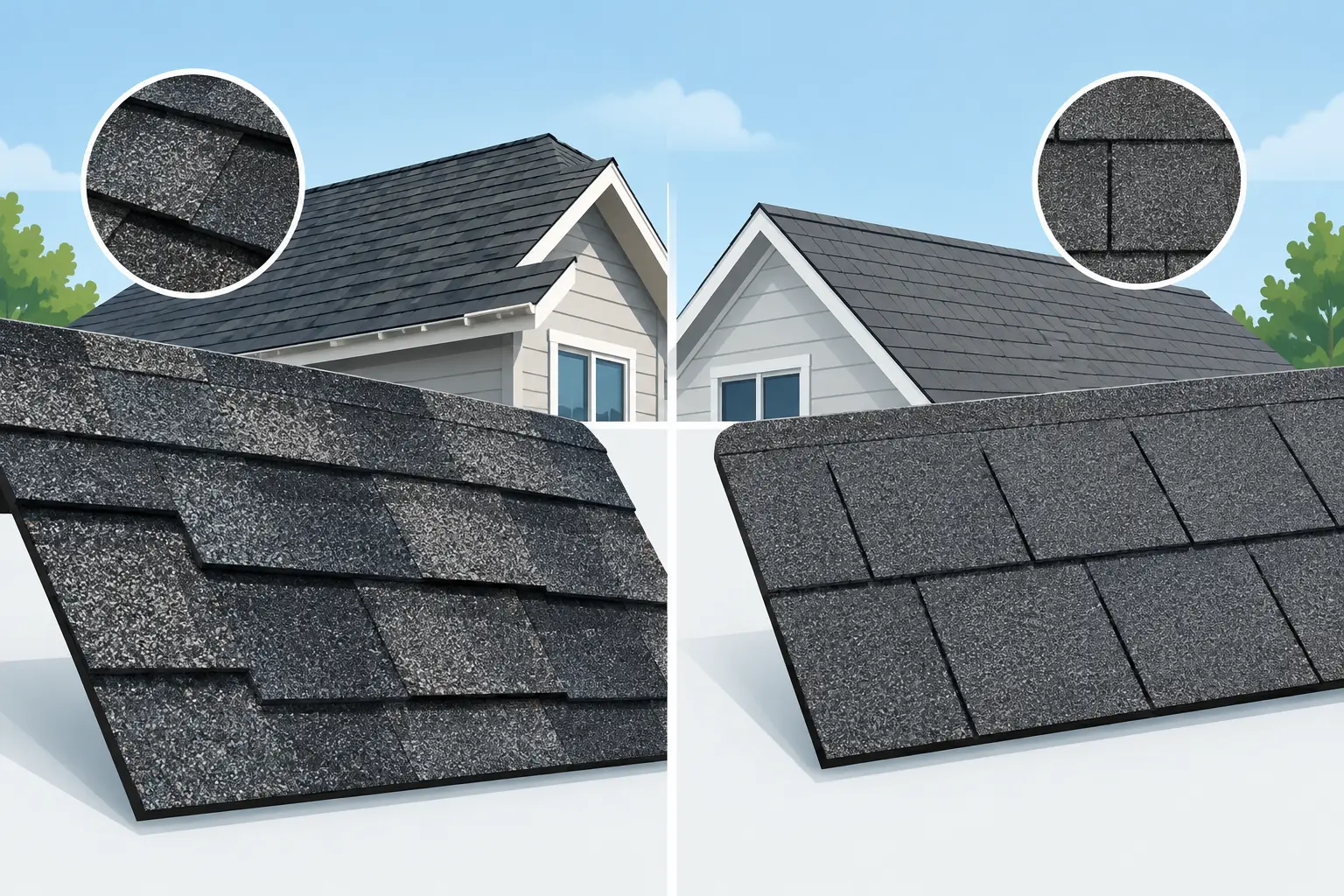
Architectural shingles, sometimes called laminated or dimensional shingles, are made with multiple bonded layers. This construction creates more depth than flat three-tab products and typically provides better resistance to wind uplift. For many Toronto homeowners, they represent the right balance of appearance, durability, and replacement cost.
They work especially well on roofs with standard slopes and straightforward layouts. A reliable architectural shingle system should include a compatible starter course, ridge cap shingles, underlayment, and ice and water membrane at vulnerable areas such as eaves, valleys, and roof penetrations. Those details are essential in a climate where ice damming can create leaks even when the shingles look intact.
Premium designer shingles: For a higher-end appearance
Premium designer asphalt shingles are a good fit when curb appeal is a major priority. They can imitate slate, wood shake, or more pronounced dimensional profiles while remaining lighter and generally less complex to install than natural materials. They are often selected for custom homes, high-visibility rooflines, and properties where the roof is a major architectural feature.
The trade-off is cost. Designer shingles can provide a noticeable visual upgrade, but the additional expense should make sense for the property and neighborhood. They also require an installer who understands the product’s layout requirements, exposure lines, and accessory specifications. A poorly aligned designer roof can undermine the appearance homeowners paid for.
Impact-resistant shingles: Worth considering in exposed areas
Impact-resistant asphalt shingles are manufactured to better withstand hail and certain forms of impact damage. They may be a sensible option for homes with limited tree cover protection, open exposure to storms, or a history of weather-related claims. Their reinforced construction can add reassurance, but it does not make a roof immune to damage from falling limbs or severe wind events.
Before selecting this option, review the specific product rating, warranty terms, and insurance implications with your provider. Not every insurer offers the same benefit, and an impact rating should not replace regular roof inspections after a major storm.
Why Three-Tab Shingles Are Less Common
Three-tab shingles remain available and may be appropriate for certain low-budget projects, sheds, garages, or matching work on an existing roof. They have a flat, uniform appearance and are usually less expensive upfront than architectural shingles.
For a full residential replacement, however, they are rarely the best long-term value. Their lighter construction generally offers less dimensional appeal and lower wind performance than quality architectural options. When labor, tear-off, disposal, flashing work, and safety setup are already part of the project, the savings from choosing the lowest-cost shingle can be relatively modest compared with the overall investment.
The Roof System Matters as Much as the Shingle
A roof does not fail only because shingles wear out. Leaks frequently begin at valleys, chimneys, skylights, wall intersections, plumbing vents, and eaves. These are areas where water is concentrated or where different building materials meet. Proper flashing and membrane installation are more important than selecting a slightly more expensive shingle color or profile.
Ice and water protection deserves particular attention in Toronto-area homes. When snow melts and refreezes near colder roof edges, water can back up beneath shingles. A self-adhered membrane beneath the finished roof covering provides a critical secondary layer of protection at eaves and other vulnerable locations.
Ventilation is equally important. An attic that traps heat and moisture can contribute to premature shingle aging, condensation, mold concerns, and uneven snow melt. Effective ventilation is not simply a matter of adding roof vents. It requires balanced intake and exhaust, a clear attic air path, and an assessment of insulation and existing conditions.
How to Choose Shingle Color and Style
Color selection should be made against the home’s brick, siding, stonework, trim, and surrounding light conditions. A sample viewed in a showroom or on a small swatch can look very different across an entire roof in direct daylight. Medium and blended tones are often practical because they add depth and can make minor dust or staining less noticeable than a solid, very light color.
Darker shingles can create a bold, traditional look, while gray and weathered blends often suit modern exterior palettes. The best choice is not always the trendiest color. Roof replacement is a long-term decision, so select a profile that supports the home rather than competing with it.
Homeowners should also check whether a local community, condominium corporation, or heritage designation places limits on roofing colors or materials. Confirming these requirements before ordering materials avoids unnecessary delays.
What to Ask Before Approving a Roofing Estimate
A professional estimate should explain the scope clearly enough that homeowners can compare proposals on more than price. Ask whether the contractor will remove the existing roofing layers, inspect the roof deck, replace damaged plywood at an agreed rate, and install new flashing where needed. It should also state the shingle brand and product line, underlayment type, ice and water membrane coverage, ventilation approach, cleanup process, and workmanship warranty.
Certification and training are meaningful because shingle manufacturers have specific installation requirements for warranty eligibility. Working at Heights compliance, jobsite protection, and direct supervision also matter. Roofing is a safety-critical trade, and disciplined installation practices protect both the crew and the property.
Toronto Roofers approaches replacements as complete roofing systems, with trained installers, on-site assessment, and direct accountability for workmanship. That level of oversight is particularly valuable when a roof has complicated valleys, ventilation concerns, aging flashing, or signs of deck deterioration.
When Repair Is Better Than Replacement
The best shingle for a home may be no new shingle at all if the existing roof has many years of service remaining and the issue is isolated. A missing shingle, small flashing defect, damaged vent boot, or localized storm damage can often be repaired when addressed promptly.
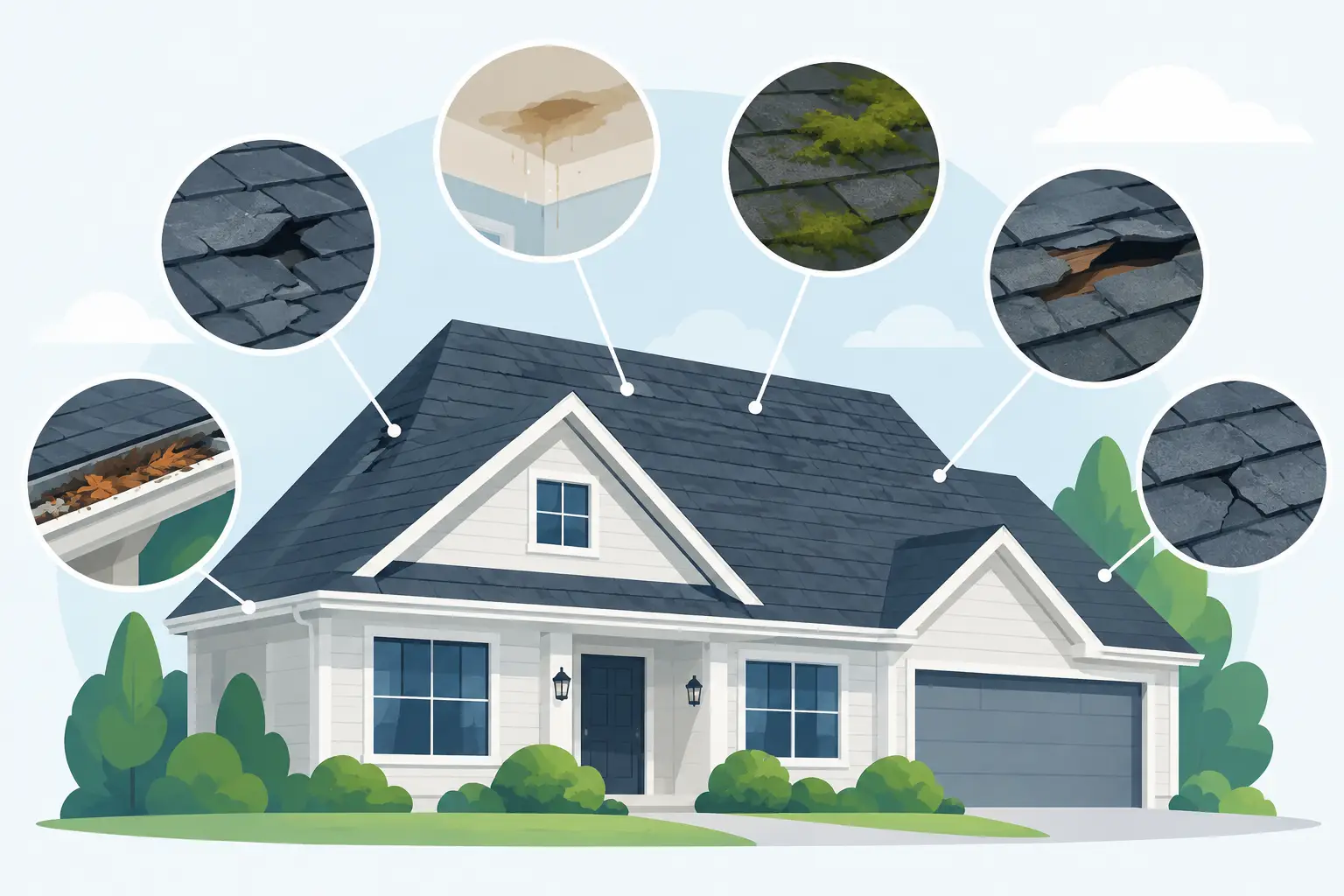
Replacement becomes more appropriate when shingles are widely curled, cracked, bald, lifting in the wind, or losing granules across large areas. Repeated leaks, soft decking, widespread flashing deterioration, and a roof near the end of its expected life are also signs that patching may only postpone a larger problem. A proper on-site inspection is the right way to distinguish between a targeted repair and a full replacement.
Choose a shingle that fits the home’s conditions, then insist on the installation details that allow it to perform. A clear estimate and a careful inspection give you a much better foundation for that decision than a color sample or a low headline price alone.