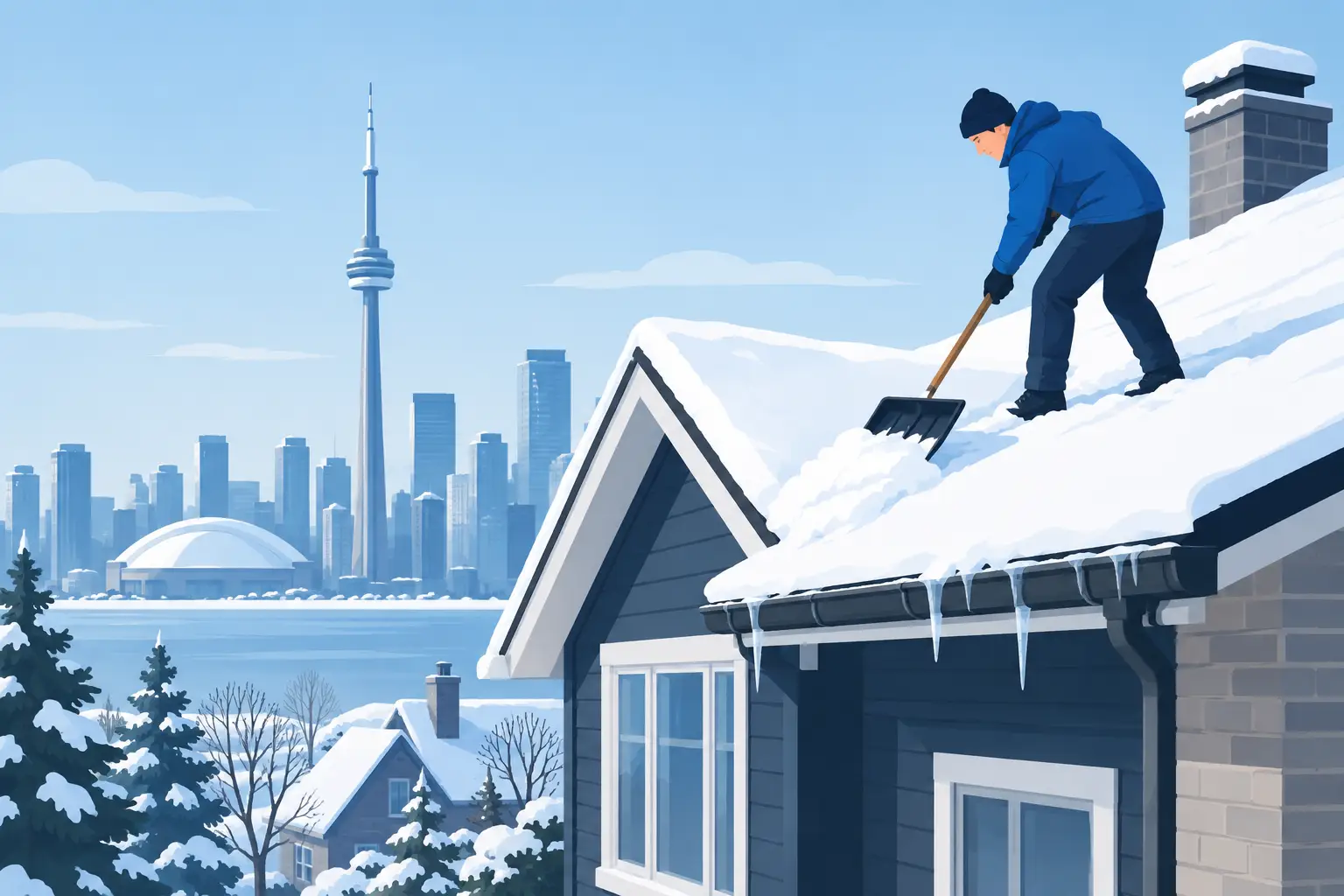
A roof can look perfectly sound from the driveway while water is backing up beneath the shingles. That is why winter roof care is not simply about removing snow. In Toronto, repeated freeze-thaw cycles, wind-driven snow, and sudden temperature swings can expose small drainage or flashing issues before anyone sees a ceiling stain.
For homeowners, one winter leak can affect insulation, drywall, trim, and electrical components. For commercial property managers, pooled water and blocked drains can create a broader operational problem. The right response is early inspection, safe maintenance, and qualified repair work when conditions point to a roof-system failure.
Why Winter Creates Different Roofing Risks
Snow itself is not always the problem. A properly installed, well-ventilated roof is designed to carry normal seasonal snow loads. Trouble begins when snow melts unevenly, refreezes at the roof edge, or cannot move through gutters, drains, and downspouts.
Ice dams are a common example. Heat escaping into the attic warms the upper roof surface and melts snow. The meltwater runs down toward the colder eaves, freezes, and forms a ridge of ice. As more snow melts, water can collect behind that ridge and work its way beneath shingles or flashing. Removing visible ice may provide temporary relief, but it does not correct the heat loss, ventilation issue, drainage obstruction, or worn roofing materials that allowed the dam to form.
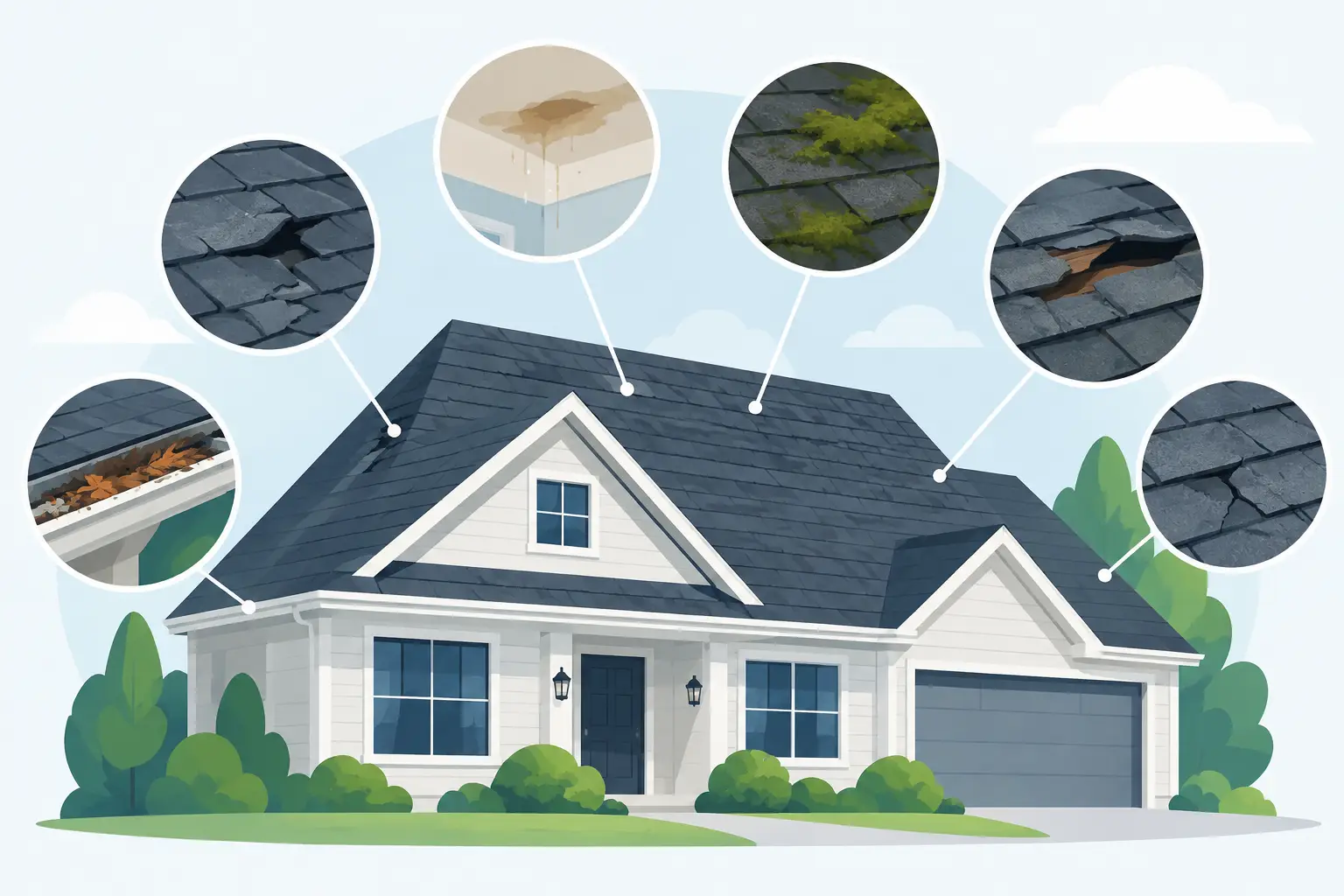
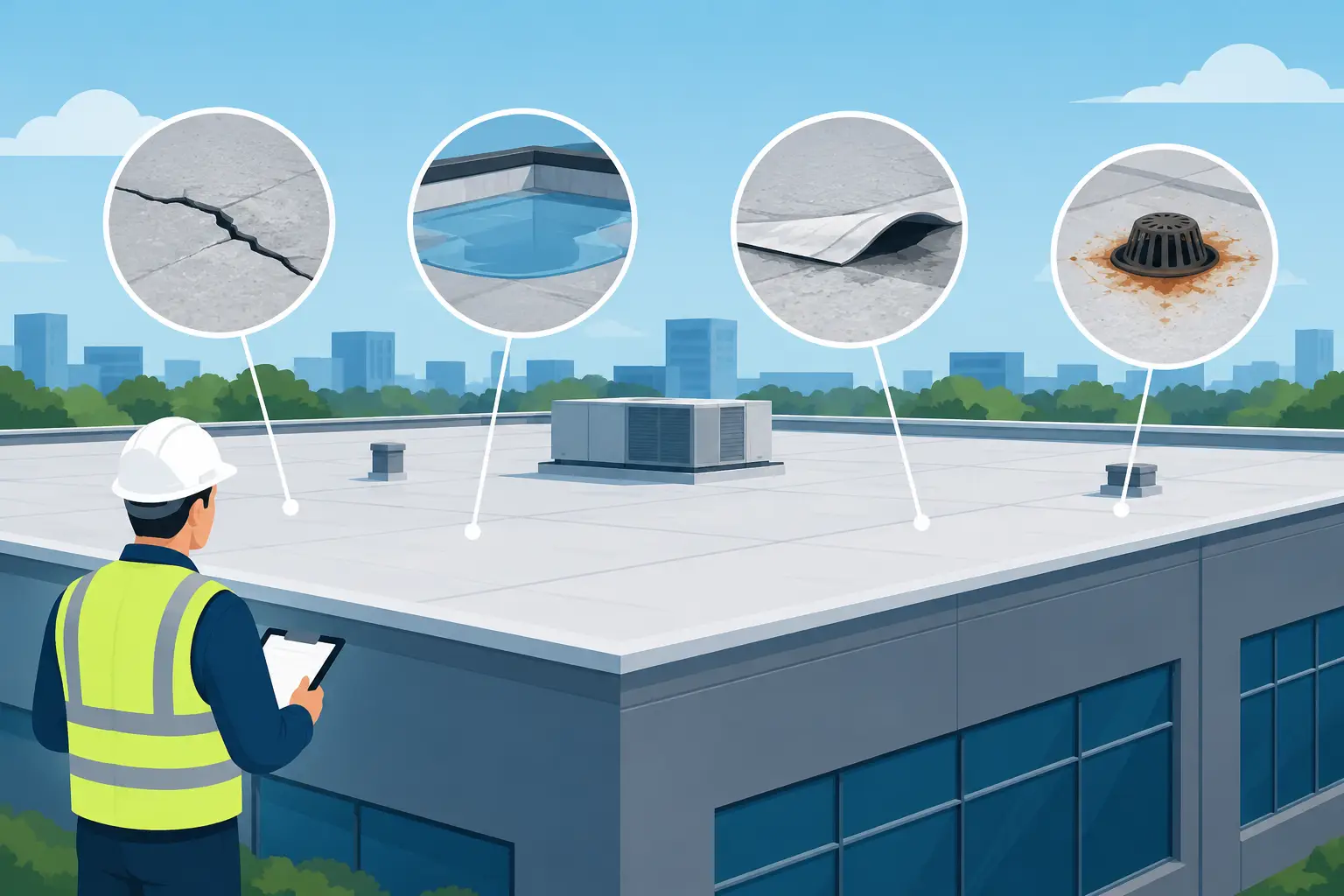
Winter also makes existing defects more consequential. A lifted shingle, split pipe boot, loose flashing detail, or aging sealant may hold through a dry summer but fail when ice expands around it. Flat and low-slope commercial roofs face their own concerns, especially where drains, scuppers, and interior drain strainers are blocked by leaves, ice, or windblown debris.
Winter Roof Care Starts Before a Storm
The most cost-effective winter maintenance happens before heavy snow arrives. A professional inspection gives property owners a clear view of roof condition, drainage performance, and areas that may need attention before cold weather limits repair options.
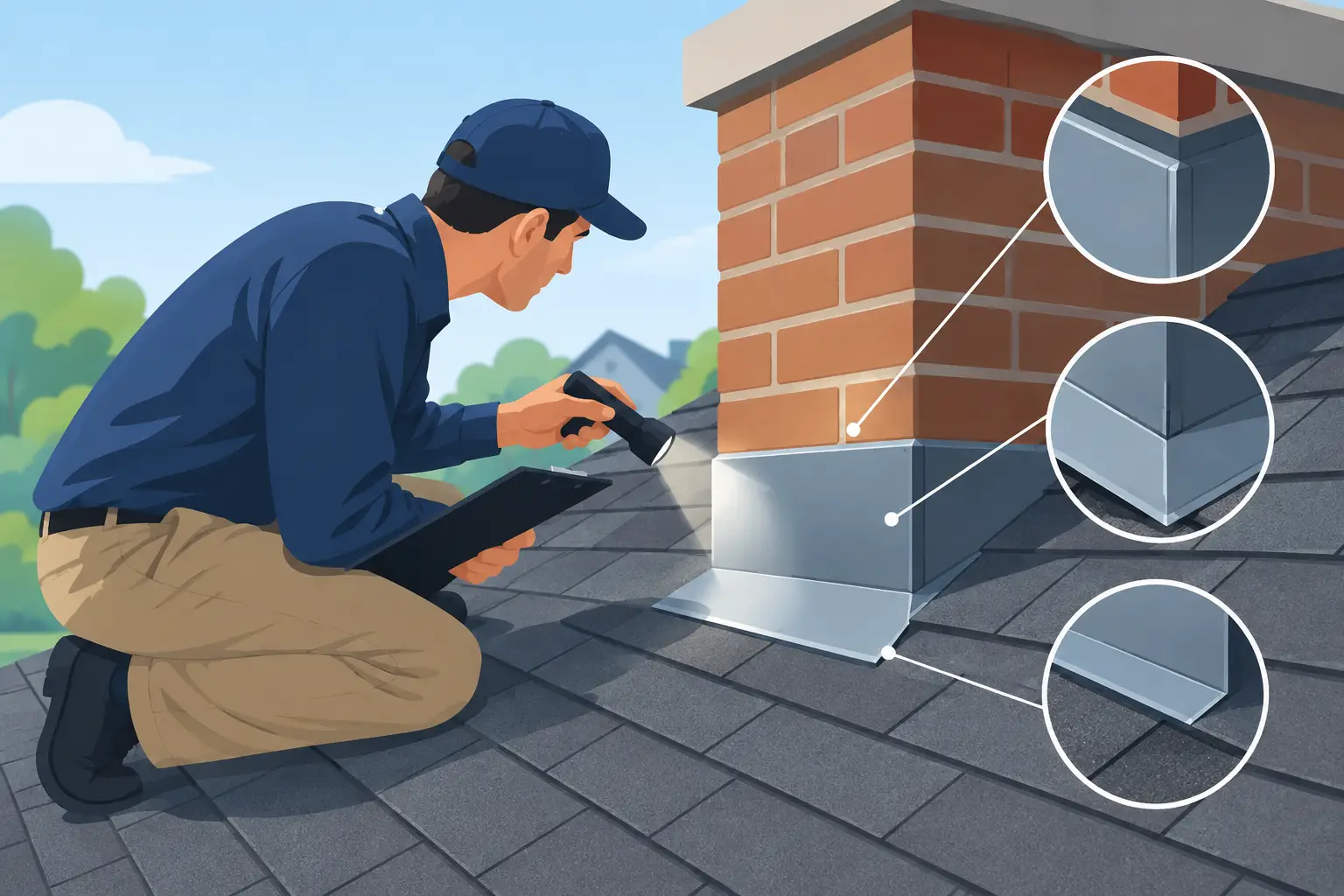
For an asphalt shingle roof, the inspection should look beyond the field of shingles. Valleys, wall intersections, skylights, chimneys, plumbing penetrations, ridge vents, and eaves are all high-priority details. These areas depend on properly installed flashing and water-shedding layers, not just surface shingles.
On commercial roofs, the inspection should include membrane seams, flashings, edge metal, drains, rooftop equipment curbs, and areas where water has historically collected. Small splits or open seams are easier and less expensive to address before they are exposed to standing water and freeze-thaw movement.
Gutters deserve attention as well. When gutters are packed with leaves or debris, meltwater cannot drain freely. That can contribute to ice buildup at the eaves and put unnecessary weight on gutters and fascia. Clean gutters help, but they are not a substitute for correcting attic heat loss or roof ventilation concerns.
What Property Owners Can Safely Monitor
Homeowners and building managers should monitor conditions from the ground and inside the building. Climbing onto a snowy or icy roof is not a safe maintenance task. Winter roof surfaces can be unpredictable, and a fall risk is never worth a quick inspection.
Watch for these warning signs during and after winter weather:
- Thick ice ridges forming along eaves or in gutters
- Icicles paired with interior moisture, ceiling stains, or peeling paint
- Sagging gutters, loose downspouts, or visible roof-edge damage
- Snow drifting heavily against vents, drains, skylights, or rooftop equipment
- Water spots in upper-floor rooms, attic dampness, or a musty odor
Not every icicle indicates a failing roof. A few small icicles can occur in normal winter conditions. The concern rises when ice is extensive, returns repeatedly in the same location, or appears with signs of water intrusion indoors. That pattern warrants a professional assessment.
Snow Removal Requires the Right Method
Snow removal can reduce load and improve drainage, but aggressive removal can damage roofing materials. Metal tools, sharp rakes, and improper scraping can tear shingles, puncture membranes, dislodge granules, or damage flashing. A roof rake used from the ground may be appropriate for some sloped roofs, provided it is used carefully and does not pull directly on the shingle surface.
There is also a practical trade-off. Removing every inch of snow is rarely necessary, while leaving excessive accumulation on a vulnerable roof may not be wise. The proper approach depends on roof slope, building design, snow depth, drainage, roof age, and any signs of distress. Commercial roofs with large low-slope areas should be evaluated with particular care after major storms, especially if drains are slow or water has ponded in the past.
Never use open flames, salt, chemical de-icers not approved for roofing, or forceful chopping to remove ice. These methods can create more damage than the ice itself. If ice dams are causing active leakage, trained roof professionals can recommend controlled mitigation and identify the source of the problem.
Address Attic Heat and Ventilation, Not Just the Roof Surface
Many winter moisture issues begin below the roof deck. Warm, moist air from the living space can enter the attic through gaps around fixtures, plumbing penetrations, attic hatches, and unsealed openings. If insulation is uneven or ventilation is restricted, the roof deck can warm unevenly and create ideal conditions for ice dams.
A roofing assessment may identify signs that the attic system needs attention, such as frost on roof sheathing, damp insulation, mold-like staining, or recurring ice buildup near particular eaves. The solution may involve air sealing, insulation improvements, ventilation corrections, or repair of roof components. It depends on how the building is constructed and where the heat is escaping.
This is why a visible roof symptom should not be treated in isolation. Replacing shingles without addressing the cause of recurring ice dams can leave the property owner facing the same problem next winter. A qualified contractor should explain whether the issue is primarily roofing, ventilation, insulation, drainage, or a combination of factors.
When a Winter Roof Repair Cannot Wait
Some repairs can be scheduled for milder weather. Others should be addressed quickly, even in winter, to limit interior damage. Active leaks, displaced materials after wind, damaged flashing around a chimney or skylight, and blocked commercial drains all call for prompt professional attention.
Temporary emergency measures may be necessary when weather prevents a permanent repair. The goal is to control water entry safely until conditions allow the roofing system to be restored correctly. A reputable contractor will be direct about that distinction. A temporary patch has value when it protects the building, but it should not be represented as a long-term repair if underlying materials remain compromised.
For Toronto-area properties, rapid communication matters after a storm. Building owners should document visible interior damage, move belongings away from affected areas where possible, and avoid disturbing wet electrical fixtures. Exterior evaluation should be left to trained personnel with proper fall-protection practices and winter job-site experience.
Choose Workmanship That Holds Up After the Thaw
Winter problems often reveal workmanship issues that began years earlier. Incorrectly installed flashing, poor ventilation details, inadequate ice and water protection, or neglected drainage can remain hidden until severe weather tests the system. That is why contractor selection should be based on more than a quick price.
Ask how the contractor will diagnose the source of moisture, what materials and repair details are proposed, and whether the work will be performed by trained installers. Clear estimates and on-site consultation are especially valuable when a roof issue may involve both exterior roofing and attic conditions. Warranty coverage is also more meaningful when the roof system has been installed according to manufacturer requirements.
Toronto Roofers approaches winter roofing work with trained, safety-conscious crews and direct project oversight. Whether the need is a targeted repair, maintenance assessment, or a replacement plan for an aging roof, the first step is understanding what the roof is doing and why.
Do not wait for a stain to become a ceiling repair. A timely winter assessment can protect the roof, the interior, and the budget you planned for the year ahead.