
A roof problem rarely arrives at a convenient time. It may begin as a stain on a bedroom ceiling, missing shingles after high winds, or a leak discovered during a commercial inspection. When the stakes involve your home, tenants, inventory, or building structure, choosing among Toronto roofing companies should come down to more than the lowest number on an estimate. You need clear scope, qualified installers, safe job practices, and a contractor willing to stand behind the work.
Start With the Condition of the Roof
Not every roofing concern requires a full replacement. A localized leak can sometimes be repaired when the surrounding roof system is still sound. Damaged flashing, failed pipe boots, lifted shingles, or improperly sealed penetrations are common repair issues. Addressing them promptly can prevent insulation damage, mold concerns, and deterioration of the roof deck.
A replacement becomes the better long-term decision when failures are widespread, materials are near the end of their service life, or repeated repairs are no longer cost-effective. Curling shingles, granule loss, exposed fasteners, recurring leaks, and soft areas in the decking all require professional assessment. For flat or low-slope commercial roofs, ponding water, membrane splits, seam failures, and deteriorated drains deserve the same attention.
An on-site consultation matters because roofing decisions should be based on what is actually happening at your property. A professional roofer should inspect the roof surface, drainage details, flashings, ventilation, penetrations, and visible signs of deck or interior damage before recommending a scope of work.
What Toronto Roofing Companies Should Put in Writing
A detailed estimate protects both the property owner and the contractor. It gives you a practical way to compare proposals without guessing which services have been omitted. A low price may look attractive until it becomes clear that tear-off, flashing replacement, underlayment, disposal, or repairs to damaged decking were not included.
The estimate should identify the roof areas being addressed, the materials proposed, and the expected work. It should also clarify whether old roofing will be removed or covered, how exposed decking issues will be handled, and what cleanup is included. If the contractor finds concealed damage after removing the existing roof, there should be a defined process for documenting it and discussing the required repair before work continues.
Ask direct questions about exclusions and allowances. For example, chimney flashing, skylights, roof vents, gutters, and parapet walls may need separate attention depending on the project. There is no single scope that fits every roof, but there should be no confusion about what you are paying for.
Qualified Crews Matter More Than a Sales Pitch
Roofing is a system, not simply a layer of shingles or membrane. The installation has to account for water flow, ventilation, transitions, penetrations, edge protection, and the building’s existing condition. A quality product can still fail early when these details are handled poorly.
Look for a contractor that directly manages the people installing your roof. In-house crews and owner-led oversight create clearer accountability than loosely managed labor. The people on the roof should understand the specified materials, follow the manufacturer’s installation requirements, and have the training to recognize site-specific problems before they become expensive callbacks.
Safety is also part of workmanship. Working at Heights compliance, appropriate fall protection, organized work areas, and careful debris management protect workers, residents, tenants, and the property itself. A contractor that treats safety as an afterthought may bring the same lack of discipline to the rest of the project.
Toronto Roofers uses trained, directly supervised specialists and maintains formal training and certification standards, including CertainTeed ROOFS on HOMES Master Shingle Applicator credentials. Those qualifications are not just marketing language. They reflect a commitment to proper installation methods, ongoing education, and accountable project execution.
Materials and Warranties Need Context
Homeowners often compare roofing materials by color, shingle profile, or advertised warranty length. Those factors matter, but they are only part of the decision. The right roof system should suit the building design, slope, drainage conditions, local weather exposure, and budget for long-term maintenance.
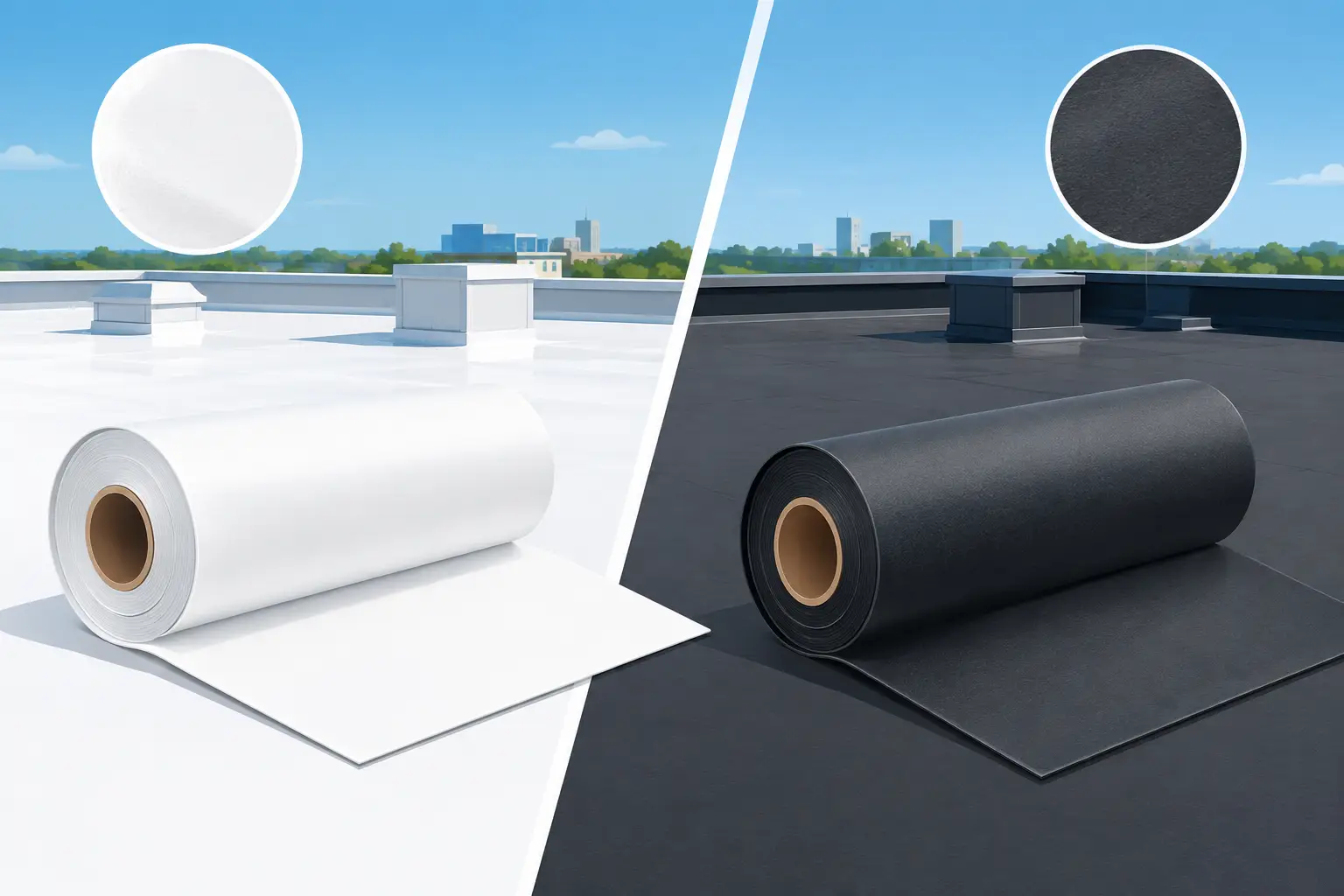
A steep-slope residential roof may benefit from architectural shingles installed with compatible underlayment, ice and water protection, ventilation components, and properly integrated flashings. A commercial building may require a membrane system selected for foot traffic, drainage demands, rooftop equipment, and planned service life. The best material is not automatically the most expensive one. It is the system that fits the roof and is installed correctly.
Manufacturer warranties can provide valuable protection, particularly when approved materials and installation standards are used. However, warranty coverage varies. Some warranties cover manufacturing defects, while workmanship coverage may be separate and subject to specific terms. A dependable contractor will explain the warranty rather than treating it as a vague promise. Review what is covered, how long coverage lasts, and what maintenance or registration requirements apply.
Residential and Commercial Roofs Require Different Planning
For a homeowner, roofing work is personal. Crews are working around your driveway, landscaping, family schedule, and daily routine. Good communication includes explaining the schedule, protecting the work area, keeping the site clean, and notifying you if the crew finds hidden concerns. A roof replacement can be disruptive, but it should not feel unmanaged.
Commercial property owners and managers have additional considerations. Tenant access, business operations, safety planning, rooftop equipment, drainage systems, and maintenance records can affect how the work is scheduled. In some cases, a targeted repair or maintenance program is the right immediate step. In others, delaying replacement can create a larger risk to the building and its occupants.
The contractor should be prepared to discuss those trade-offs honestly. A repair may reduce immediate costs, but it may not make sense if the roof has reached the point of widespread deterioration. Conversely, replacing an entire roof because of one isolated defect is not responsible advice. The recommendation should match the roof’s condition and the property’s operational needs.
Choose a Contractor Before the Emergency Gets Worse
When water is entering the building, it is easy to rush into a decision. If possible, take a moment to verify the contractor’s experience, training, insurance, safety practices, and approach to estimates. Confirm who will perform the work, how the project will be supervised, and how concerns will be handled during installation.
Responsiveness matters, but so does the quality of the response. A professional roofing company will not rely on pressure or vague assurances. It will inspect the property, explain the findings in practical terms, provide a written scope, and answer questions about materials, workmanship, scheduling, and warranties.
For property owners in Toronto, North York, Vaughan, Thornhill, Richmond Hill, Markham, King City, East York, and Scarborough, the right roofing partner should bring both technical skill and direct accountability to the job. Whether you need maintenance, a repair, or a complete replacement, the goal is the same: protect the building with work that is planned carefully and completed correctly.
A roof does not need attention every day, but it does need attention before a small failure becomes structural damage. Arrange an on-site assessment when you see warning signs, keep records of past repairs, and choose the contractor that gives you clear answers before work begins.