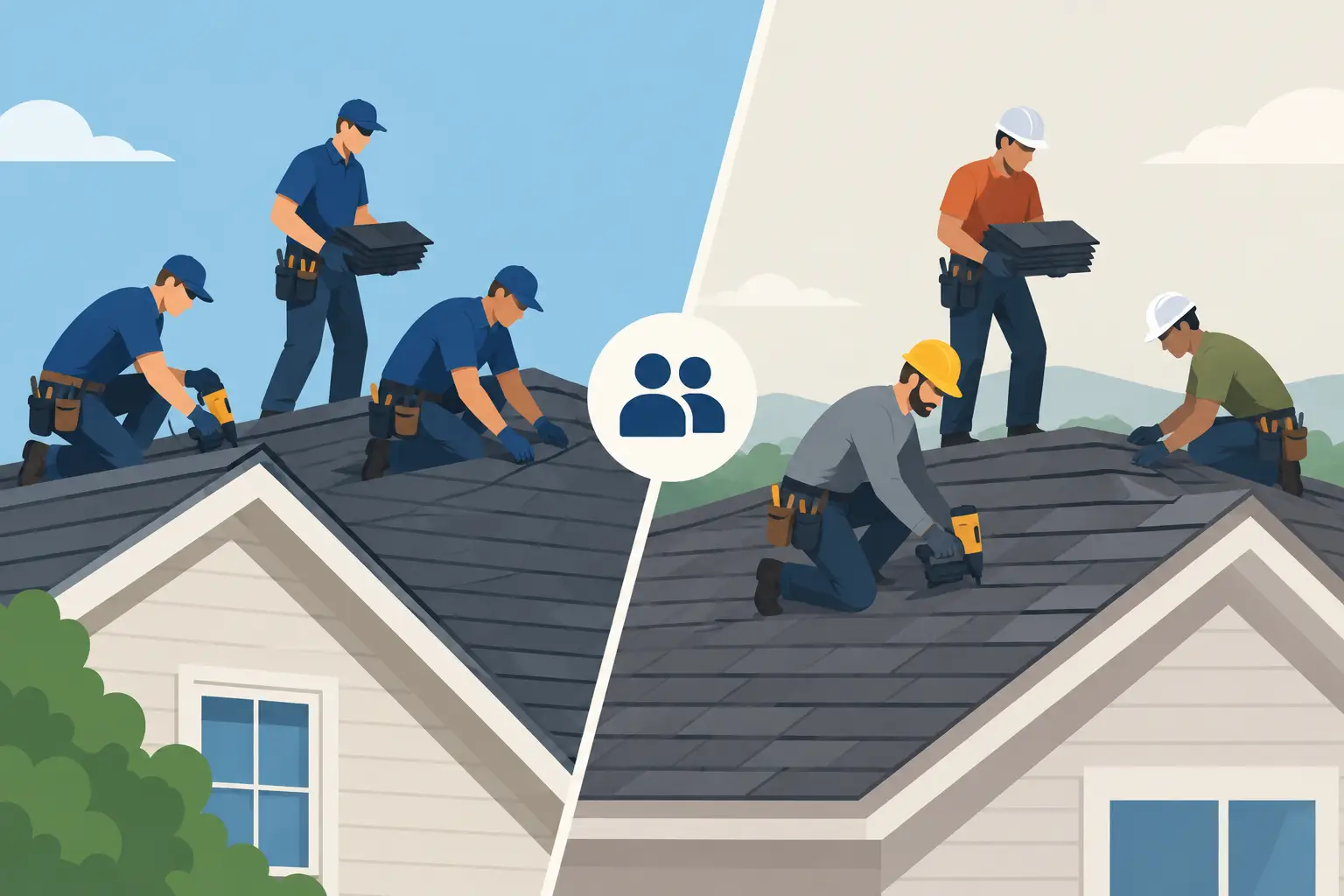
A roofing proposal can look complete on paper and still leave out one of the most important details: who will actually be on your roof. The decision between in-house roofers versus subcontractors affects communication, jobsite safety, workmanship consistency, warranty support, and the speed at which problems are resolved. For a homeowner or property manager, that difference matters long after the last shingle is installed.
A subcontractor is not automatically a poor choice, and an in-house crew is not automatically the right fit for every project. The real issue is accountability. You should know who is responsible for the people performing the work, the installation standards they follow, and the response you can expect if your roof needs attention after completion.
In-House Roofers Versus Subcontractors: The Core Difference
An in-house roofing team is employed, trained, scheduled, and supervised directly by the roofing contractor you hire. The contractor generally controls crew selection, safety practices, equipment, quality checks, and customer communication. When questions arise, there is a clear line of responsibility between the estimate, the installation crew, and the company standing behind the work.
Subcontractors are independent businesses or crews hired by a general contractor or roofing company to complete part or all of a project. Many are highly skilled professionals. However, their work process, availability, and level of direct supervision can vary widely. A contractor that relies heavily on subcontract labor must have strong systems in place to maintain consistent standards from one project to the next.
For roofing, where small installation errors can lead to leaks, premature material failure, or damaged interior finishes, consistency is not a minor detail. It is part of the roof system itself.
Why Direct Oversight Changes the Result
A roof is more than shingles, metal panels, or a membrane. It is a connected assembly of decking, underlayment, flashing, ventilation, drainage details, and perimeter protection. The installer has to understand how each component works with the next one.
With an in-house crew, the contractor can train installers around a defined method for tear-offs, deck inspections, flashing replacement, ventilation corrections, and final cleanup. Crew members become familiar with the company’s expectations and the products it installs most often. That familiarity reduces the chance that critical details are handled differently from job to job.
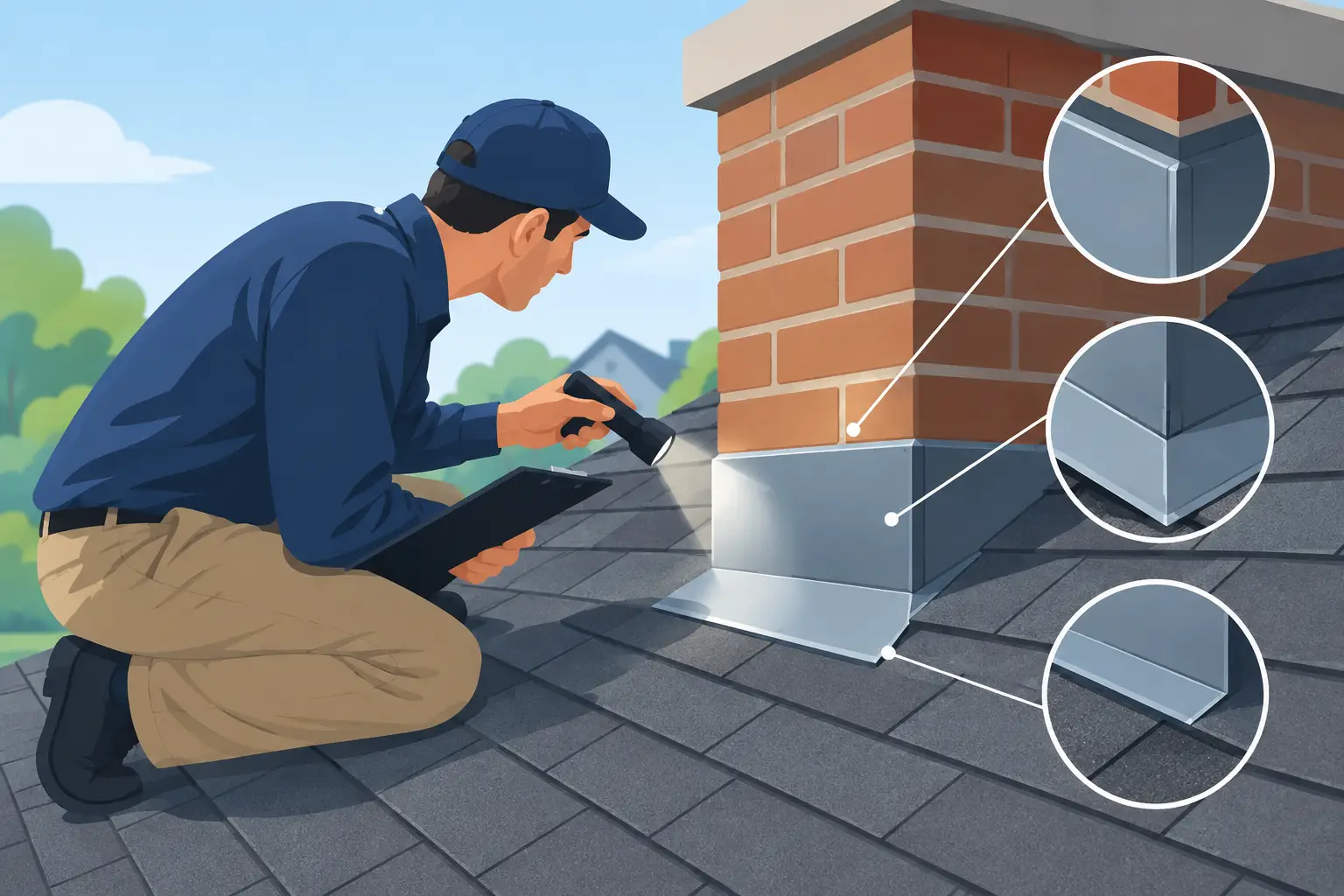
Direct oversight also improves problem-solving during active work. If rotten decking is uncovered, a chimney flashing detail needs correction, or an unexpected drainage issue appears, the project manager and crew can address it through the same chain of communication. The property owner is less likely to receive conflicting answers from multiple parties.
This is particularly valuable on occupied homes and commercial properties. A delayed decision during a roof tear-off can expose the building to weather and disrupt the schedule. A well-managed in-house team can make informed decisions quickly while keeping the customer updated.
Training and Safety Are Not Background Details
Roofing is physically demanding work performed at height, often around sharp materials, power tools, and changing weather conditions. Proper training protects the crew, the property, and everyone near the work area.
A contractor with in-house roofers can set ongoing expectations for Working at Heights compliance, fall protection, ladder setup, material handling, site protection, and cleanup. Training can be reinforced across every job rather than left to the individual practices of different crews.
This matters because safety and quality are connected. A crew working with organized access, proper protection, and a clear job plan is better positioned to focus on installation details. A rushed or poorly controlled site can create risks that extend beyond the roof, including damaged landscaping, loose debris, blocked access, and inadequate protection around entryways.
Ask how the contractor verifies safety procedures and who is supervising the jobsite. A professional answer should be specific. General statements about being careful are not enough when workers are installing a roof over your home, tenants, staff, or customers.
Warranty Support Depends on Clear Responsibility
Manufacturer warranties can provide meaningful protection, but they do not replace proper installation. Many roofing material warranties have conditions related to approved products, ventilation, accessories, and installation practices. If a problem occurs, the property owner needs a contractor who can inspect the concern, explain the cause, and coordinate the next steps.
An in-house team can make this process more straightforward because the contractor has direct knowledge of who installed the system and how the work was completed. The same company that prepared the estimate and managed the project can review documentation, inspect the roof, and respond to workmanship concerns.
With subcontracted labor, warranty support can still be strong if the hiring contractor maintains thorough records and takes full ownership of the outcome. The concern arises when responsibility is pushed between the contractor, the subcontractor, and the material manufacturer. Property owners should never be left trying to determine which party will answer a leak call.
Before signing, ask whether the roofing company will handle post-installation service directly. The answer should be clear, not conditional.
Cost Is Only One Part of the Comparison
Subcontracting can reduce a contractor’s overhead and provide access to labor during busy periods. That may sometimes help with pricing or scheduling. It can also be practical for highly specialized work, such as certain metal details, large commercial systems, or projects requiring equipment and expertise outside a contractor’s normal scope.
But the lowest estimate does not necessarily represent the lowest ownership cost. An unclear scope, reused flashing, insufficient ventilation work, or limited jobsite supervision can create expenses that do not appear until months or years later. Roof repairs caused by poor installation often cost more than the original savings.
An in-house roofing company may not always be the lowest bidder, especially when it invests in trained employees, safety compliance, insurance, equipment, and quality control. Those costs support a more predictable installation process. For a major roof replacement, predictability has real value.
The better question is not simply, “Which option costs less?” It is, “What is included, who is accountable, and how will the contractor support the work after payment is complete?”
Questions to Ask Any Roofing Contractor
Whether a company uses in-house crews, subcontractors, or a combination of both, transparent answers are a good sign. Before approving a proposal, ask these questions:
- Who will perform the installation, and are they employees or subcontractors?
- Who will supervise the crew and serve as my point of contact?
- What training, certifications, and safety procedures do installers maintain?
- Will you replace flashing and inspect decking, ventilation, and drainage details as needed?
- Who handles workmanship concerns and manufacturer warranty claims after the job is finished?
Also request a detailed written estimate. It should identify the roofing materials, installation scope, removal and disposal requirements, protection measures, payment terms, and warranty information. A vague estimate makes it difficult to compare contractors fairly.
When Subcontractors Can Be a Reasonable Choice
There are situations where a subcontractor model can work well. A reputable contractor may bring in a specialized crew for a complex commercial application, unusual architectural metalwork, or a large project that requires additional capacity. The key is that the contractor remains actively involved.
A responsible contractor does not disappear once the subcontract crew arrives. It verifies qualifications, confirms insurance and safety practices, manages the schedule, inspects completed work, and remains the customer’s single point of accountability. If those controls are in place, subcontracted work can meet high standards.
The risk comes from loosely managed labor, not from the word “subcontractor” alone. If a company cannot explain who is on site, how quality is inspected, or who owns the warranty, that uncertainty should affect your hiring decision.
Choosing Accountability for Your Roof
For most residential roof replacements and repairs, an established in-house team offers a clear advantage: the company you hire is closely connected to the people doing the work. That direct relationship supports better communication, consistent training, safer jobsites, and faster service when questions arise.
Toronto Roofers maintains an in-house approach because roofing quality cannot be separated from the people installing the system. Trained installers, direct jobsite oversight, Working at Heights compliance, and recognized manufacturer credentials help create a standard that can be applied from the first inspection through final cleanup.
Your roof protects the structure, finishes, and people beneath it. Choose a contractor that can clearly identify the crew, explain the installation plan, and stand behind the completed work without passing responsibility to someone else.