A low price on a roofing quote can look good for about five minutes. Then the questions start. Who is actually doing the work? Is the crew trained? What happens if flashing is installed wrong, a leak shows up six months later, or the jobsite safety standards were never there to begin with? If you are figuring out how to hire roofing contractor services, the real goal is not just getting a roof installed. It is protecting your property, your budget, and your liability.
Roofing is a high-trust purchase. The materials matter, but the installation matters just as much. A quality shingle, membrane, or flat roofing system can still fail early if it is installed by an underqualified crew, rushed through without supervision, or quoted without a proper assessment of ventilation, decking condition, drainage, and flashing details. That is why hiring the right contractor requires more than comparing a few prices.
How to hire roofing contractor services without guessing
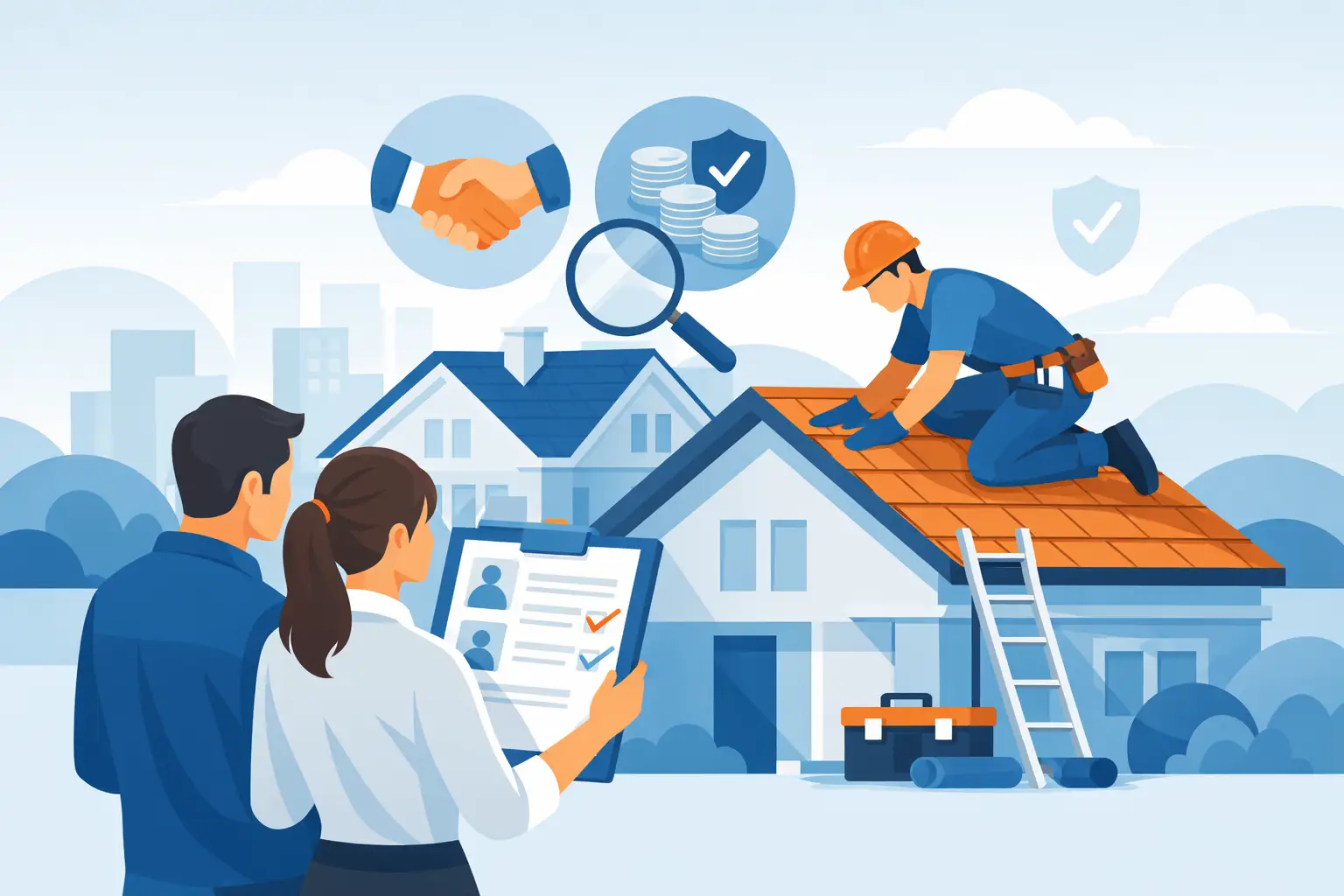
The first step is to verify that the contractor is a real operating business with a track record, not just a name on a lawn sign. You want to see proof of insurance, a business presence, and a clear process for estimates, scheduling, and communication. If the company cannot explain who supervises the work or how they handle quality control, that is a problem.
A dependable roofing contractor should also be comfortable discussing training and certifications. In roofing, credentials are not decoration. They can indicate that installers have been trained on specific systems, follow manufacturer standards, and understand current safety practices. That matters because many long-term manufacturer warranties depend on proper installation, not just product selection.
It also helps to ask whether the company uses in-house crews or relies heavily on subcontracted labor. Subcontracting is not automatically a dealbreaker, but it does create more room for inconsistency. When the people on your roof are directly trained, managed, and held accountable by the contractor you hired, oversight is usually stronger.
Start with qualifications, not price
Most property owners compare estimates first. That is understandable, but it can lead to bad decisions. A cheaper quote may leave out critical details such as underlayment upgrades, ventilation improvements, decking replacement allowances, or proper flashing work around chimneys, skylights, and walls.
Instead, start by qualifying the contractor. Ask what types of roofing systems they install most often. Ask whether they handle both repairs and full replacements. Ask how they assess hidden issues such as moisture intrusion, soft decking, and drainage defects. If the answers are vague, rushed, or overly sales-driven, keep looking.
A serious contractor will walk you through the roof system, not just the top layer. They should explain how components work together and where failure points usually occur. For homeowners, that might mean discussing attic ventilation and ice dam risks. For commercial property owners, it might mean membrane seams, ponding water, insulation, and rooftop penetrations.
What to ask before you sign anything
If you want to know how to hire roofing contractor teams with confidence, ask better questions. Not more questions for the sake of it, just the ones that reveal how the company operates.
Ask for proof of general liability insurance and workers’ compensation coverage where applicable. Ask who will be on site and who your point of contact is during the project. Ask how change orders are handled if hidden damage is found after tear-off. Ask what cleanup procedures they follow and how they protect landscaping, driveways, siding, or rooftop equipment.
Then ask about warranty coverage in plain language. There is a difference between a manufacturer material warranty and a workmanship warranty from the installer. Both matter. A strong roofing company should be able to explain what is covered, how long coverage lasts, and what would void it.
This is also where estimate quality becomes revealing. A proper estimate should be detailed enough to show scope, materials, labor, removal, disposal, accessory items, warranty information, and payment terms. If the proposal is thin, the job may be too.
Watch for red flags that usually lead to problems
Some warning signs are obvious. A contractor asking for full payment upfront is one of them. So is pressure to sign immediately, especially after storm activity. But many red flags are more subtle.
Be careful with contractors who avoid site inspections and quote only from photos or rough measurements when the project clearly needs a closer look. Be careful with estimates that are dramatically lower than competing bids without a clear explanation. Be careful with companies that cannot explain their safety practices. Roofing work at height carries real risk, and a contractor who treats safety casually may treat workmanship the same way.
Another concern is poor communication before the project even starts. If calls are not returned, details are inconsistent, or appointments are missed during the sales process, do not expect project management to improve once the contract is signed.
Why local knowledge matters
A roofing system should match the demands of the climate and building type. In regions with freeze-thaw cycles, wind exposure, heavy rain, and snow loads, installation details matter even more. Flashing execution, ventilation planning, drainage design, and material compatibility all affect long-term performance.
For property owners in Toronto and surrounding areas, this is especially relevant. Local experience helps a contractor recognize common issues in older neighborhoods, understand municipal expectations, and recommend systems that hold up under seasonal stress. That does not replace certifications and insurance, but it does add practical value.
Comparing estimates the smart way
When you have multiple quotes, do not ask only which one is cheapest. Ask which one is complete. Compare scope line by line. Are all contractors including tear-off and disposal? Are they replacing flashing or reusing existing metal where possible? Are ventilation upgrades included? Is deck replacement addressed if damaged sheathing is discovered?
You should also compare the labor standards behind the estimate. A higher price may reflect trained installers, better supervision, stronger warranty support, and better materials. Sometimes the lowest quote is low because important work has been omitted. Other times it is low because the contractor is cutting corners you will not see until the first hard rain.
This is one reason detailed estimates and on-site consultations matter. They create transparency. You are not just buying shingles or membrane. You are buying a process, a crew, and the contractor’s willingness to stand behind the installation.
The best hire is usually the clearest one
A good roofing contractor does not make you chase basic information. They explain the scope clearly, document the job properly, answer technical questions without dodging them, and set realistic expectations about timing, access, noise, weather delays, and cleanup.
They also do not pretend every roof needs a full replacement. Sometimes a targeted repair or maintenance program is the right answer. An honest contractor will tell you when repair is still viable and when replacement is the smarter long-term investment. That kind of judgment is worth more than a polished sales pitch.
If you are evaluating roofing companies, look for operational discipline. Training standards. Safety compliance. Direct oversight. Clear workmanship commitments. These are not marketing extras. They are signs that the company takes responsibility for what happens on your roof.
For example, a contractor with formal installer training, current safety compliance, and manufacturer-backed credentials is generally in a better position to deliver consistent work than a company built around loosely managed labor. That does not guarantee perfection, but it does improve accountability. Toronto Roofers has built its reputation around that kind of direct, owner-led oversight because the quality of a roofing project depends on who is actually responsible for it from estimate to final inspection.
How to make the final decision
Once you narrow the field, trust the contractor who gives you the most confidence for the right reasons. Not because they were the cheapest. Not because they promised the fastest turnaround with no trade-offs. Choose the one who demonstrated knowledge, communicated clearly, documented the scope, and treated the job like a system that has to perform for years.
Roofing mistakes are expensive, but they are often preventable at the hiring stage. If the contractor is qualified, insured, specific, and accountable, you are already reducing the odds of future problems.
When you hire a roofing contractor, you are not just selecting a vendor. You are choosing who gets to protect one of the most important parts of your property. Take the extra time to hire the company that earns that responsibility.