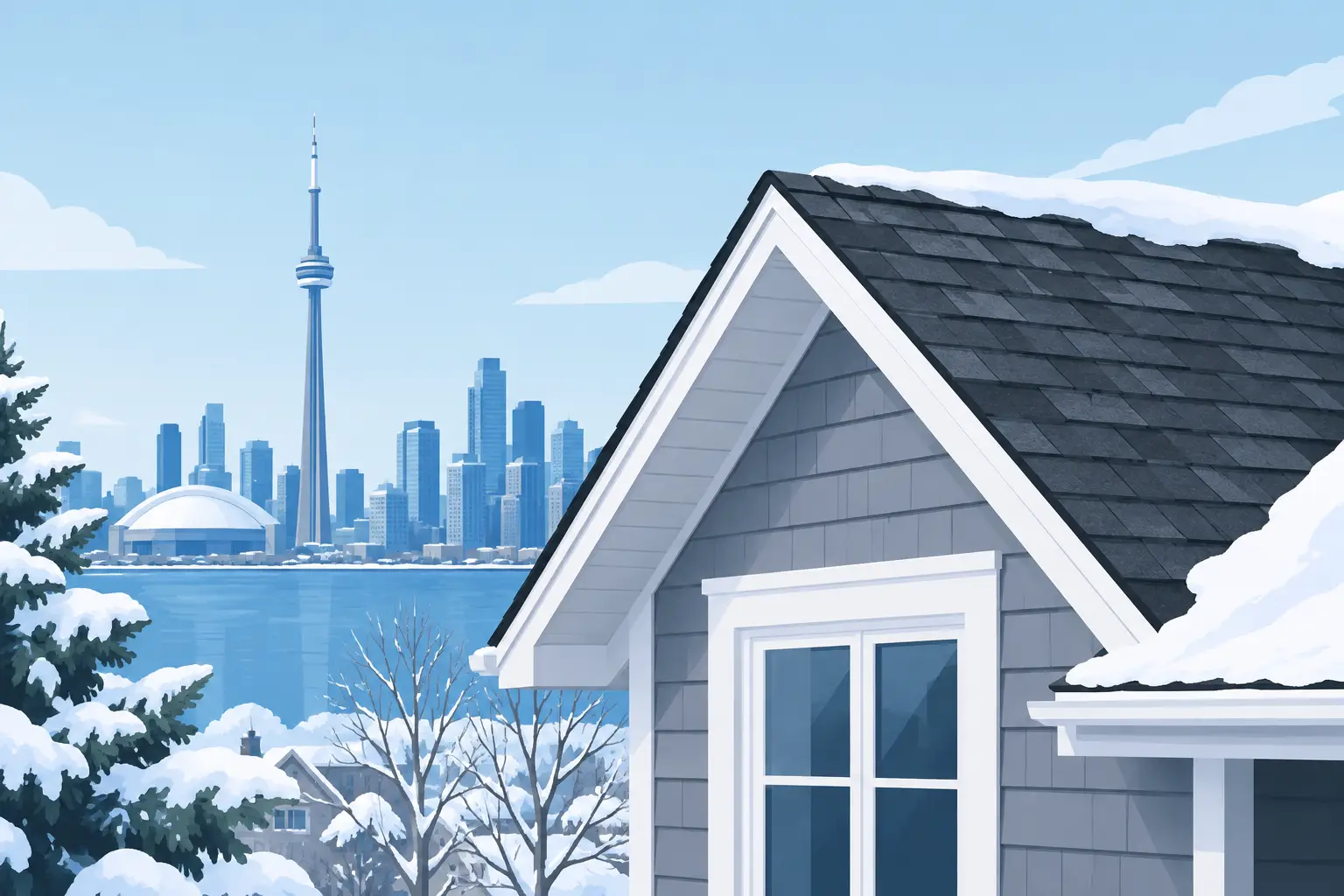
A Toronto roof can face freezing rain in the morning, wet snow by afternoon, and high winds overnight. That is why choosing the best shingles for Toronto winters is not simply about selecting the most expensive product on a sample board. The right roof system must handle repeated freeze-thaw cycles, wind-driven rain, ice buildup, and summer heat without sacrificing warranty coverage or long-term value.
For most homes in Toronto and the surrounding area, high-quality architectural asphalt shingles offer the strongest balance of performance, appearance, repairability, and cost. However, the shingle is only one part of the decision. Proper underlayment, ice and water protection, ventilation, flashing, and certified installation determine whether that shingle performs as intended when winter weather arrives.
What Toronto Winter Weather Demands From a Roof
Toronto winters are hard on roofing systems because conditions change quickly. Snow sitting on a roof is not always the primary concern. More often, the damage begins when snow melts, runs toward the eaves, refreezes, and creates an ice dam. Water can then back up beneath shingles and reach the roof deck, insulation, ceilings, or walls.
Wind is another factor. Open exposures, taller homes, and properties near the lake can experience stronger gusts that test shingle adhesion and fastening. A roof also needs to withstand thermal movement as temperatures move above and below freezing. Shingles that become brittle, curl, or lose granules prematurely may not provide the protection a Toronto home requires.
A winter-ready roofing material should have dependable wind resistance, durable asphalt construction, strong granule adhesion, and a warranty from an established manufacturer. Just as importantly, it must be installed over a properly prepared roof deck with the right protective layers at eaves, valleys, penetrations, and other vulnerable areas.
Best Shingles for Toronto Winters: Architectural Asphalt
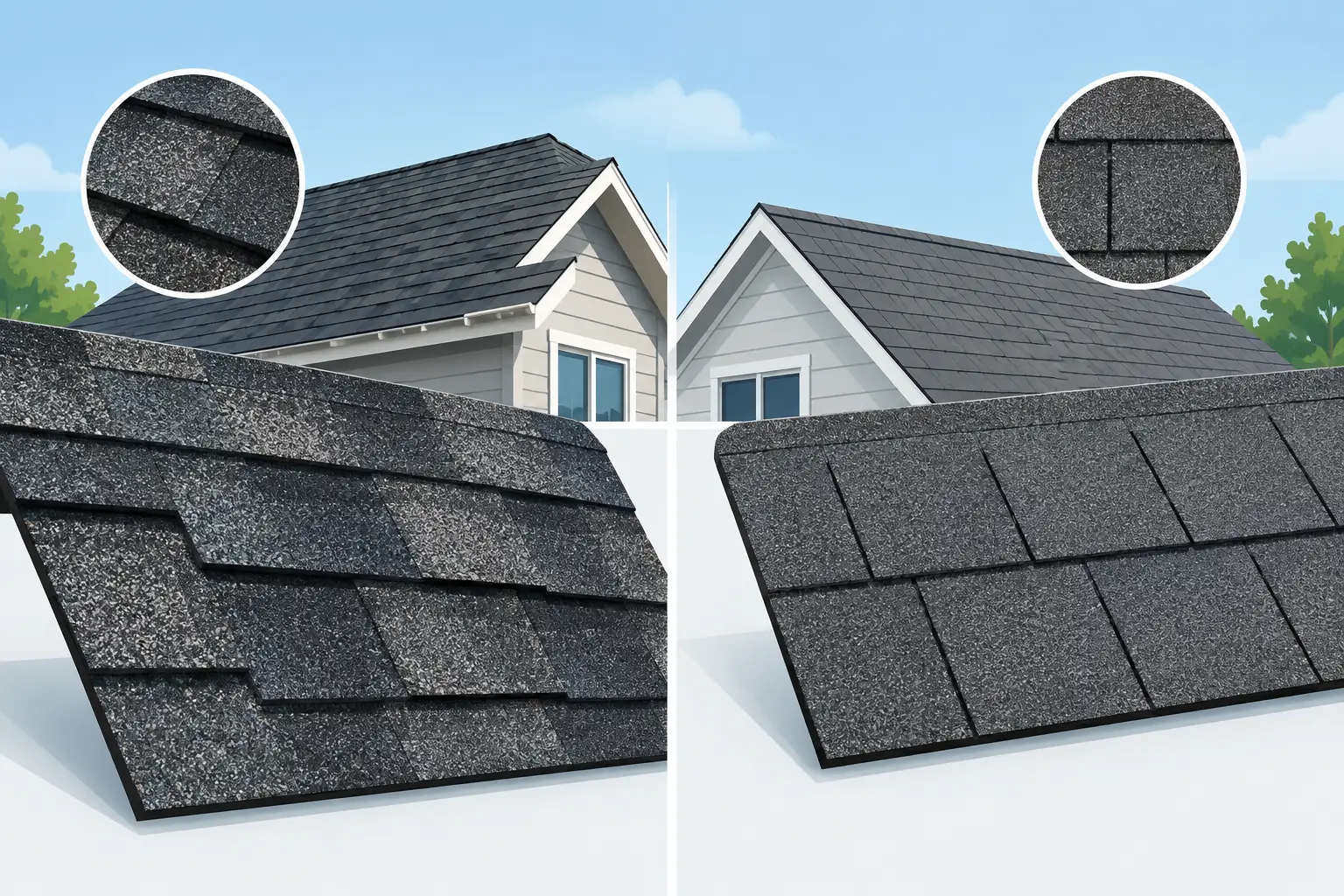
Architectural asphalt shingles, also called laminated or dimensional shingles, are the best choice for many Toronto homeowners. Unlike basic three-tab shingles, architectural products are built with multiple bonded layers that create a thicker profile and improved resistance to weathering. They also provide more visual depth, which can improve curb appeal without the cost of a premium roofing material.
The added thickness matters during a long winter. A quality architectural shingle generally offers stronger wind ratings, better resistance to minor impact, and a more substantial asphalt layer than an entry-level three-tab product. Many are designed to resist winds of 110 mph or more when installed according to the manufacturer’s requirements.
That does not mean every architectural shingle is identical. Product lines vary in weight, sealant design, warranty terms, algae resistance, and available impact ratings. A professional on-site inspection helps determine whether a standard architectural shingle is appropriate or whether the roof would benefit from a higher-performance option.
Why three-tab shingles are usually a weaker investment
Three-tab shingles remain a lower-cost option, but they are rarely the preferred choice for a full roof replacement in Toronto. Their flat appearance and lighter construction can make them more susceptible to wind damage and premature wear. They may be suitable for a tight budget, a small detached structure, or a short-term property plan, but the upfront savings can be offset by a shorter service life and fewer design options.
For a home expected to remain in the family for years, architectural shingles usually provide better overall value. They offer a more durable installation, a stronger appearance, and more flexibility when selecting a manufacturer-backed warranty.
When Impact-Resistant Shingles Make Sense
Impact-resistant asphalt shingles are worth considering for homeowners who want an added level of protection from hail, falling branches, and severe weather. These shingles are engineered to better withstand impacts that can crack or puncture standard materials. They often carry a Class 4 impact-resistance rating, though the specific product and warranty should always be reviewed carefully.
Toronto does not experience major hailstorms as consistently as some other regions, so impact-resistant shingles are not mandatory for every property. Still, they can be a smart upgrade for homes with mature trees, exposed roof slopes, or owners who prioritize long-term durability.
The trade-off is cost. Impact-resistant products usually cost more than standard architectural shingles, and they do not eliminate the need for regular roof inspections after severe storms. They are an upgrade in resilience, not a guarantee against all weather-related damage.
Premium Designer Shingles for Higher-End Homes
Premium designer asphalt shingles can be a good fit for homes where appearance is a major consideration. These products can replicate the look of slate, cedar shake, or traditional wood shingles while retaining the practical advantages of an asphalt roofing system. They tend to be heavier, thicker, and more expensive than standard architectural shingles.
For Toronto heritage-style homes, custom builds, and properties with prominent rooflines, designer shingles can provide a significant visual improvement. Their winter performance can be excellent when they are part of a complete roof system, but a higher price does not automatically make a product the best choice. The roof structure, slope, ventilation, and budget still need to be considered.
If the goal is dependable protection and clean curb appeal at a practical price, a high-quality architectural shingle often remains the better investment. Premium options make the most sense when their appearance and enhanced profile add real value to the property.
A Good Shingle Cannot Fix a Poor Roof System
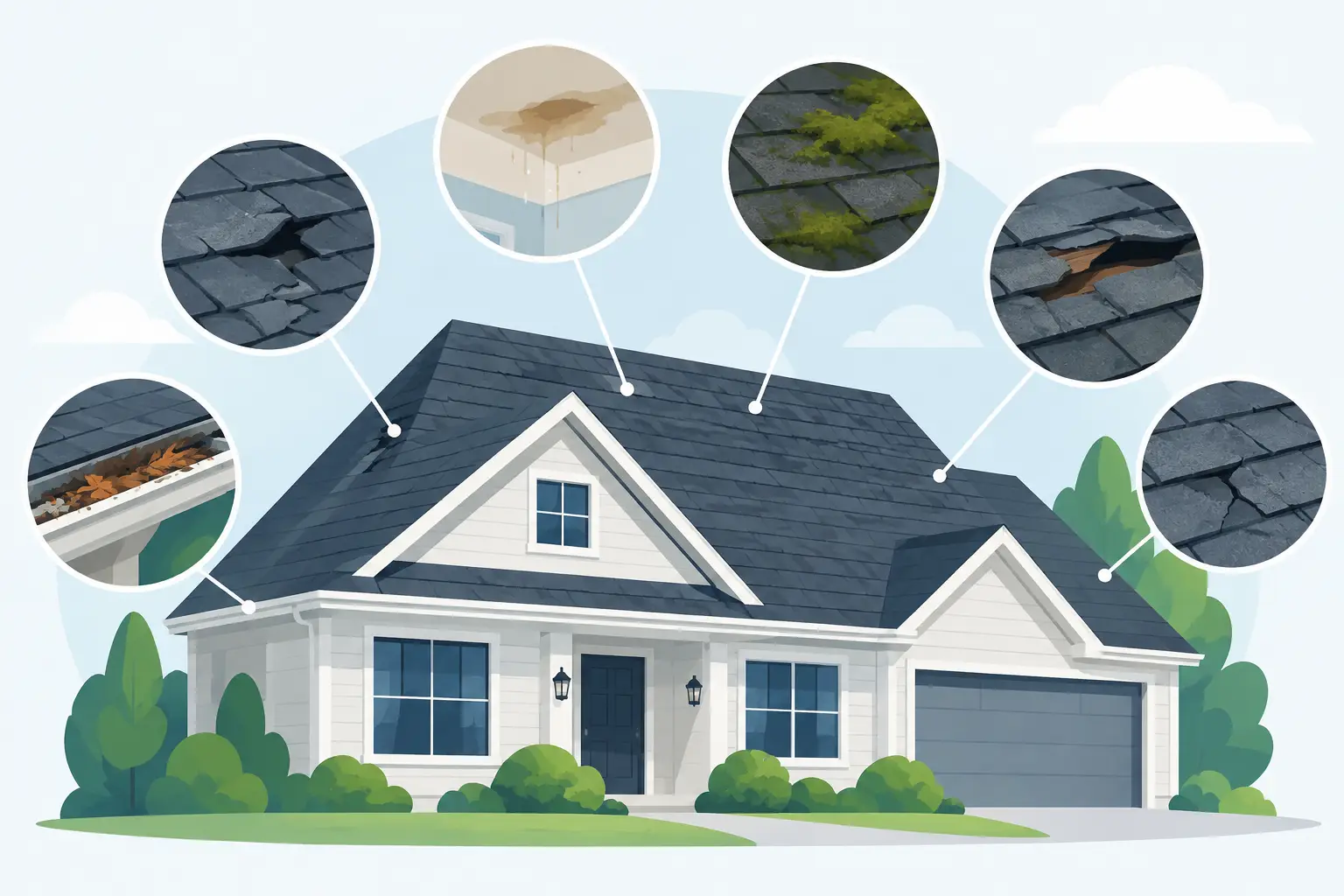
The most common roofing problems in winter are often related to installation details rather than the visible shingle itself. Ice dams, leaks around vents, lifted shingles, and attic condensation can all occur on a roof that appears to have quality materials.
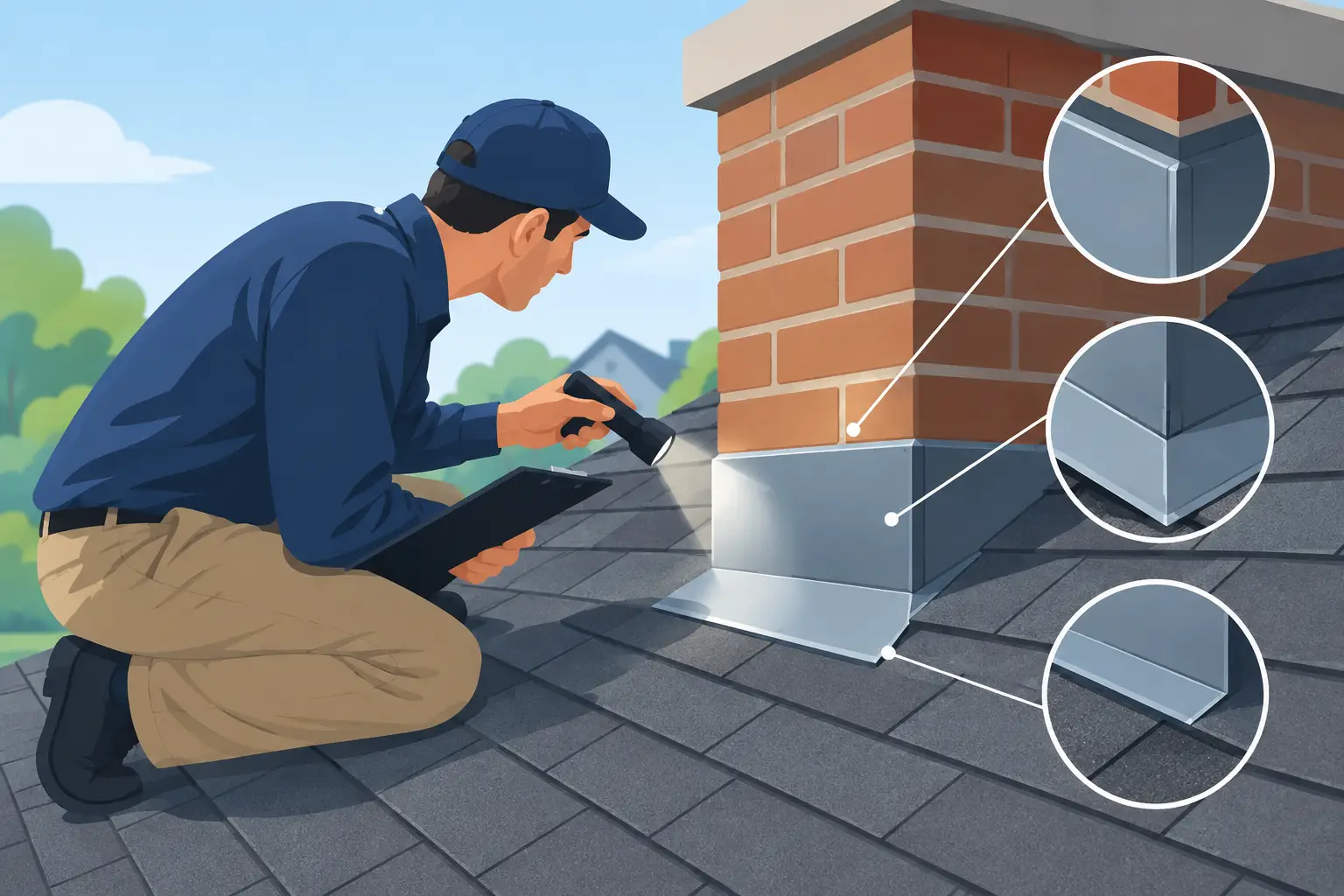
Ice and water protection is especially important at eaves, in valleys, around skylights, and near roof penetrations. This self-adhering membrane helps prevent water intrusion when melting snow backs up under the shingles. Proper flashing around chimneys, walls, plumbing vents, and other transitions is equally important. These are the areas where workmanship becomes visible when the weather turns harsh.
Ventilation also deserves close attention. A balanced attic ventilation system helps remove excess heat and moisture. In winter, that reduces the chance of uneven snow melt that contributes to ice dam formation. In warmer months, it can reduce heat buildup that ages shingles faster. Ventilation needs vary by home, so it should be assessed as part of the entire roof replacement plan rather than treated as an afterthought.
Color, Granules, and Roof Temperature
Shingle color is often chosen for appearance, but it can also affect roof temperature. Darker shingles absorb more heat, while lighter colors reflect more sunlight. In Toronto, this difference is more relevant during warm weather than during winter. Selecting a dark shingle will not solve ice dam issues, and selecting a light shingle will not prevent snow accumulation.
Focus first on the quality of the shingle and the roof system. Then choose a color that suits the home’s brick, siding, trim, and neighborhood character. Modern architectural shingles offer blended color options that can hide minor staining and create dimension without looking overly busy.
Granule loss is another point to consider. Granules protect the asphalt surface from ultraviolet exposure and help provide the shingle’s color and texture. A small amount of loose granules after installation can be normal, but excessive loss, bare spots, or widespread deterioration are signs that a roof should be inspected.
Choosing a Contractor Matters as Much as Choosing Shingles
Manufacturer specifications are not optional. They govern how shingles are fastened, where nails are placed, how underlayment is installed, and how ventilation requirements are addressed. A roof can lose wind resistance and warranty eligibility if these instructions are ignored.
Before approving a replacement, request a detailed estimate that identifies the shingle product, underlayment, ice and water protection, flashing work, ventilation approach, and warranty coverage. Ask whether damaged roof decking will be inspected and replaced if needed. A contractor should be clear about what is included, what could require additional work, and how the site will be protected during construction.
Toronto Roofers uses trained, safety-compliant installers and direct project oversight because the details behind the shingles are what protect a property through winter. Credentials such as manufacturer training and proper Working at Heights compliance are practical indicators that a contractor takes installation standards seriously.
The Right Choice Starts With the Roof You Have
For most properties, a reputable architectural asphalt shingle installed as part of a complete, properly ventilated roofing system is the most dependable answer to Toronto’s winter conditions. A premium or impact-resistant product may be worthwhile when the home’s exposure, tree coverage, design, or long-term plans justify the added investment.
The best time to make that decision is before water finds a weak point. A professional roof assessment can identify aging shingles, failing flashings, poor ventilation, and early ice-dam risks while the repair or replacement options are still in your control.