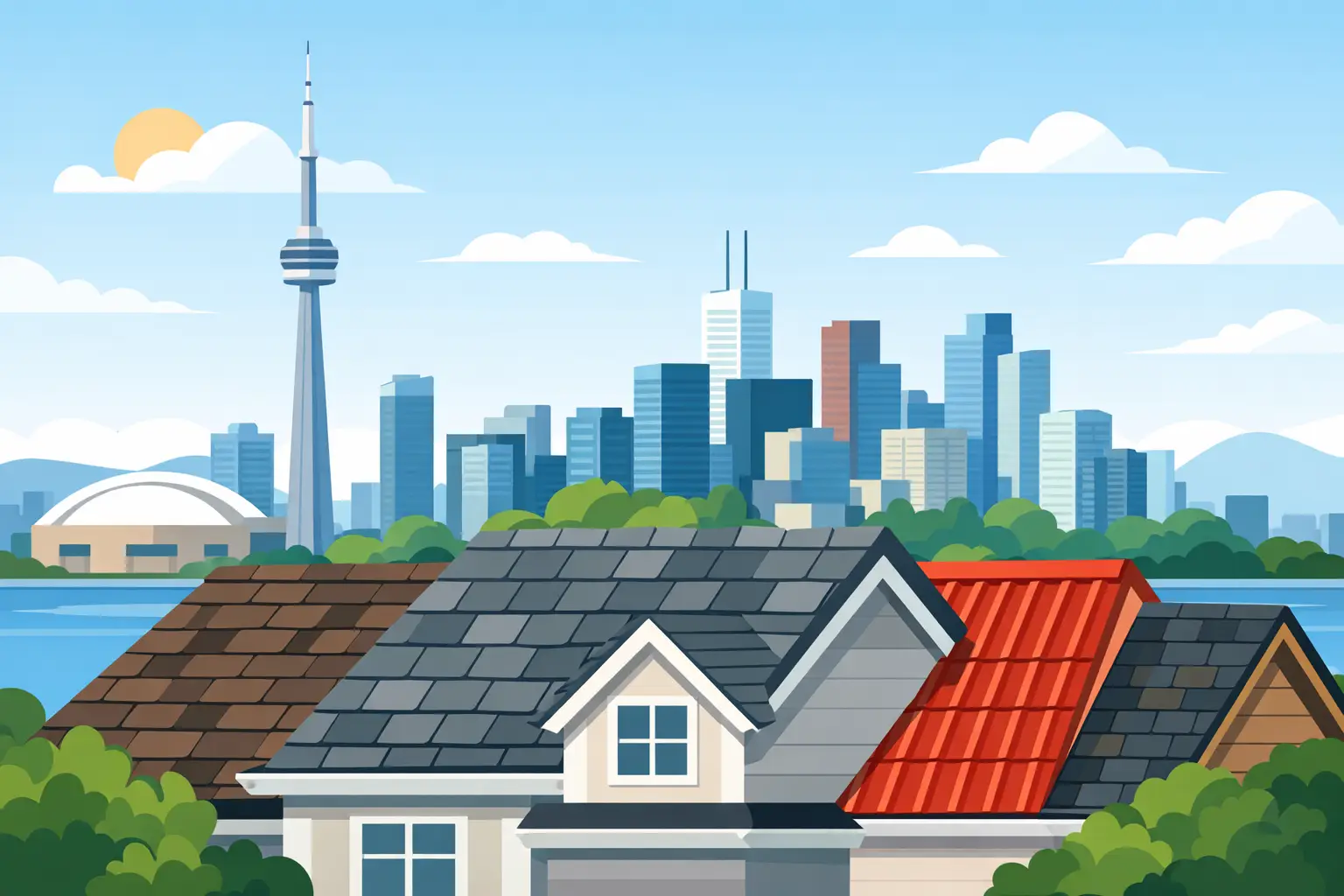
A Toronto roof is expected to handle heavy snow, freeze-thaw cycles, wind-driven rain, summer heat, and long periods of moisture. That is why the best roofing materials Toronto property owners choose are not simply the ones with the longest advertised lifespan. The right material must suit the roof slope, ventilation, drainage, building type, budget, and the quality of the installation.
A premium product installed over damaged decking or without proper flashing can fail early. A well-designed roof system, installed by trained professionals and maintained over time, gives a home or commercial property far better protection than a material choice alone.
What Makes a Roofing Material Right for Toronto?
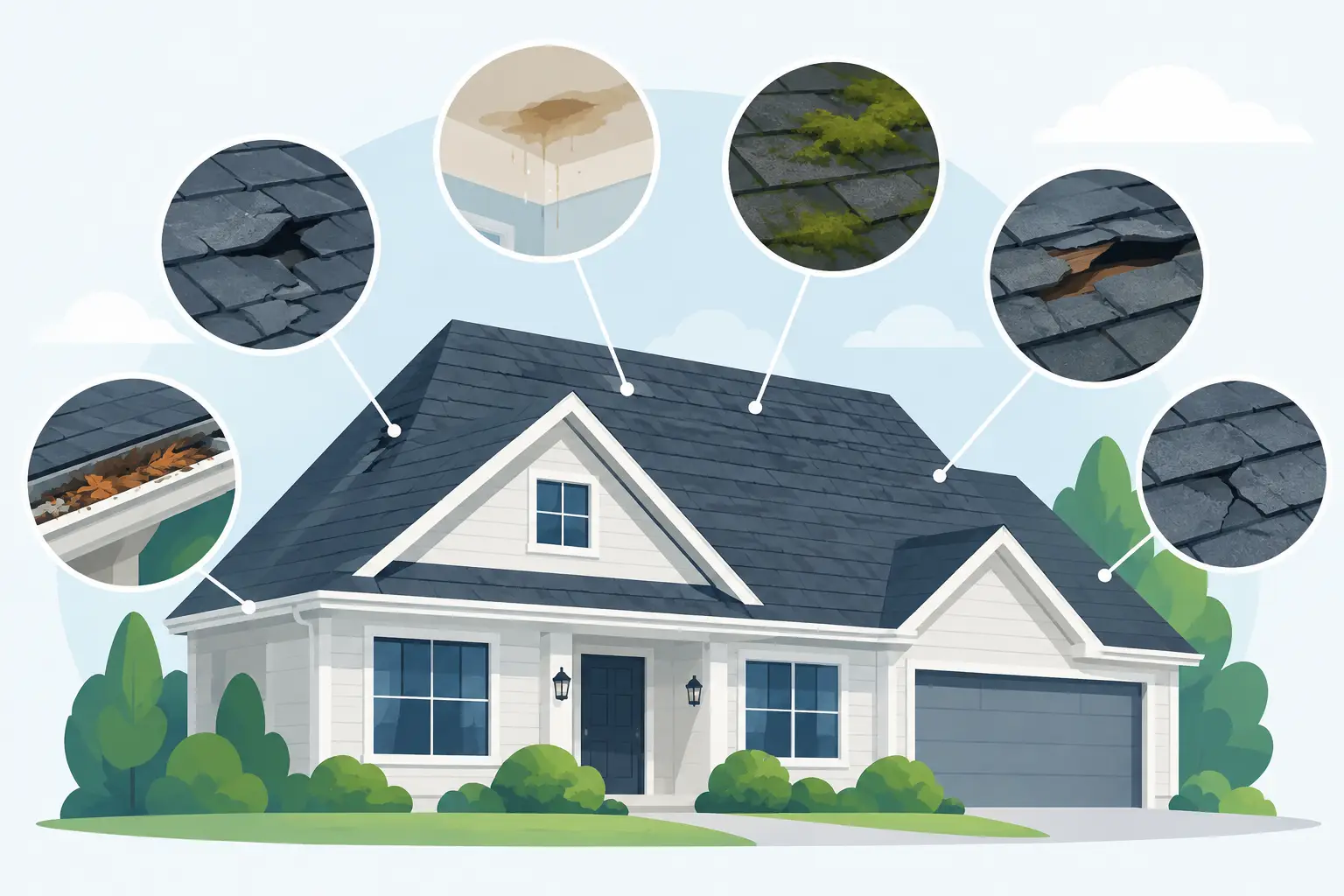
Toronto’s climate places different stresses on a roof throughout the year. In winter, melting snow can refreeze at the eaves and create ice dams. Spring and fall bring rain and changing temperatures. Summer heat and ultraviolet exposure can age shingles, membranes, and sealants. Wind can also test the fastening and edge details of every roof system.
For residential properties, the roof’s pitch has a major effect on which materials are appropriate. Asphalt shingles, metal panels, and synthetic shingles are generally used on sloped roofs. Low-slope and flat commercial roofs require membrane systems designed to move water to drains, scuppers, or gutters.
Material selection should also account for the existing structure. A heavier roof covering may require confirmation that the framing can support it. Homes with complex valleys, skylights, chimneys, or additions need careful flashing design. Commercial buildings need a system that considers insulation, foot traffic, rooftop equipment, drainage, and future repair access.
Best Roofing Materials for Toronto Homes
Architectural Asphalt Shingles
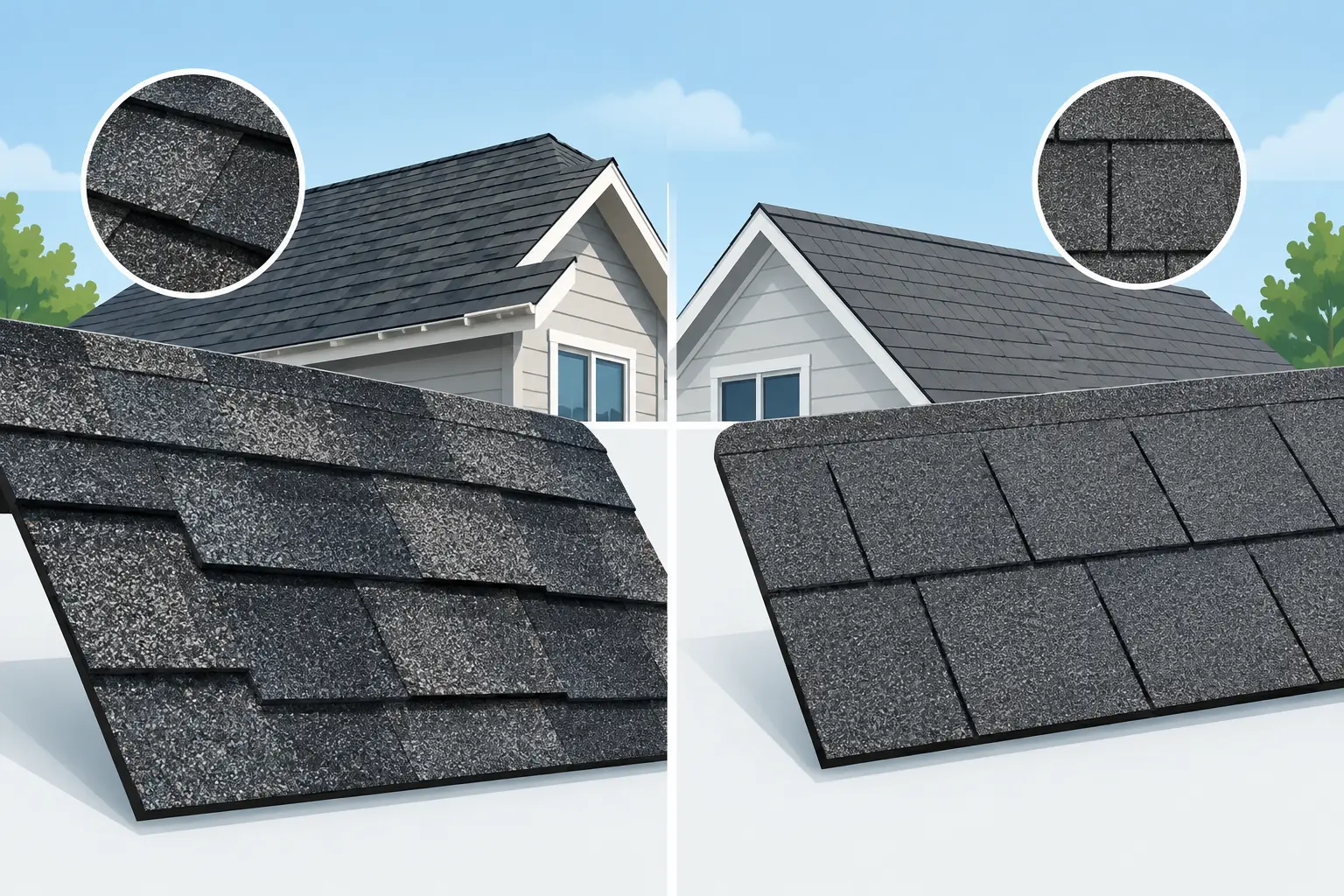
Architectural asphalt shingles remain the most practical choice for many Toronto-area homes. They offer dependable weather protection, broad color selection, and a cost that works for a wide range of replacement budgets. Compared with older three-tab shingles, architectural shingles are thicker, more dimensional, and typically offer better wind resistance.
Their value depends on the complete system. Quality underlayment, ice-and-water protection at vulnerable areas, properly installed starter shingles, ridge ventilation, and flashing around penetrations all matter. When those components are handled correctly, an asphalt roof can be a durable and attractive solution for most sloped residential roofs.
Asphalt is not automatically the best choice for every home. It can be less suitable where a homeowner wants a much longer service life, a distinct architectural look, or exceptional impact resistance. Still, for balanced cost, repairability, and reliable performance, architectural shingles are difficult to overlook.
Metal Roofing
Metal roofing is a strong option for property owners focused on longevity and weather resistance. Standing-seam metal roofs are especially known for their clean appearance, concealed fasteners, and ability to shed snow and rain efficiently. Metal can also reflect a portion of solar heat, which may help reduce heat gain when the roof system is designed correctly.
The trade-off is upfront cost. Metal roofing generally requires a larger initial investment than asphalt shingles, and proper installation is specialized work. Panel layout, fasteners, trim, underlayment, ventilation, and snow retention all need to be considered. Poorly installed metal can create noise, movement, water-entry points, or cosmetic issues.
A metal roof can be an excellent fit for homeowners planning to stay in their home long term, as well as for properties where snow shedding and low maintenance are priorities. It is also worth discussing with an experienced roofer when the home has a simple roof design that allows panels to be fabricated and installed efficiently.
Synthetic Slate and Composite Shingles
Synthetic slate and composite shingles give homeowners the appearance of natural slate, cedar, or premium shake without the same weight and maintenance demands. These materials can be highly durable and are often selected for upscale homes, historic-style properties, and owners who want a distinctive roofline.
Natural slate is beautiful and long-lasting, but it is extremely heavy and requires a structure capable of carrying the load. Composite alternatives can offer a similar visual effect with less structural concern. They may also provide strong resistance to moisture, cracking, and impact, depending on the product.
The main consideration is cost. Synthetic products are typically more expensive than asphalt, and installation details vary by manufacturer. Before choosing one, confirm the warranty requirements, approved fastening method, ventilation needs, and whether replacement pieces will be readily available in the future.
Cedar Shake and Shingle Roofing
Cedar provides a warm, natural appearance that many homeowners value, particularly on traditional and high-end architectural styles. It can perform well when properly installed and maintained, but it demands more attention than asphalt or metal. Moisture, shade, debris buildup, and insufficient ventilation can shorten its service life.
In Toronto’s wet and changing climate, cedar must be installed with drainage and airflow in mind. Regular inspections are necessary to identify splitting, moss growth, loose shakes, and flashing concerns before they become leaks. Fire ratings and local requirements should also be reviewed before making a decision.
Cedar is best for owners who want its specific appearance and understand the maintenance commitment. It is not the lowest-maintenance material, but it can be a worthwhile investment when the property and ownership plan support it.
Best Commercial Roofing Materials in Toronto
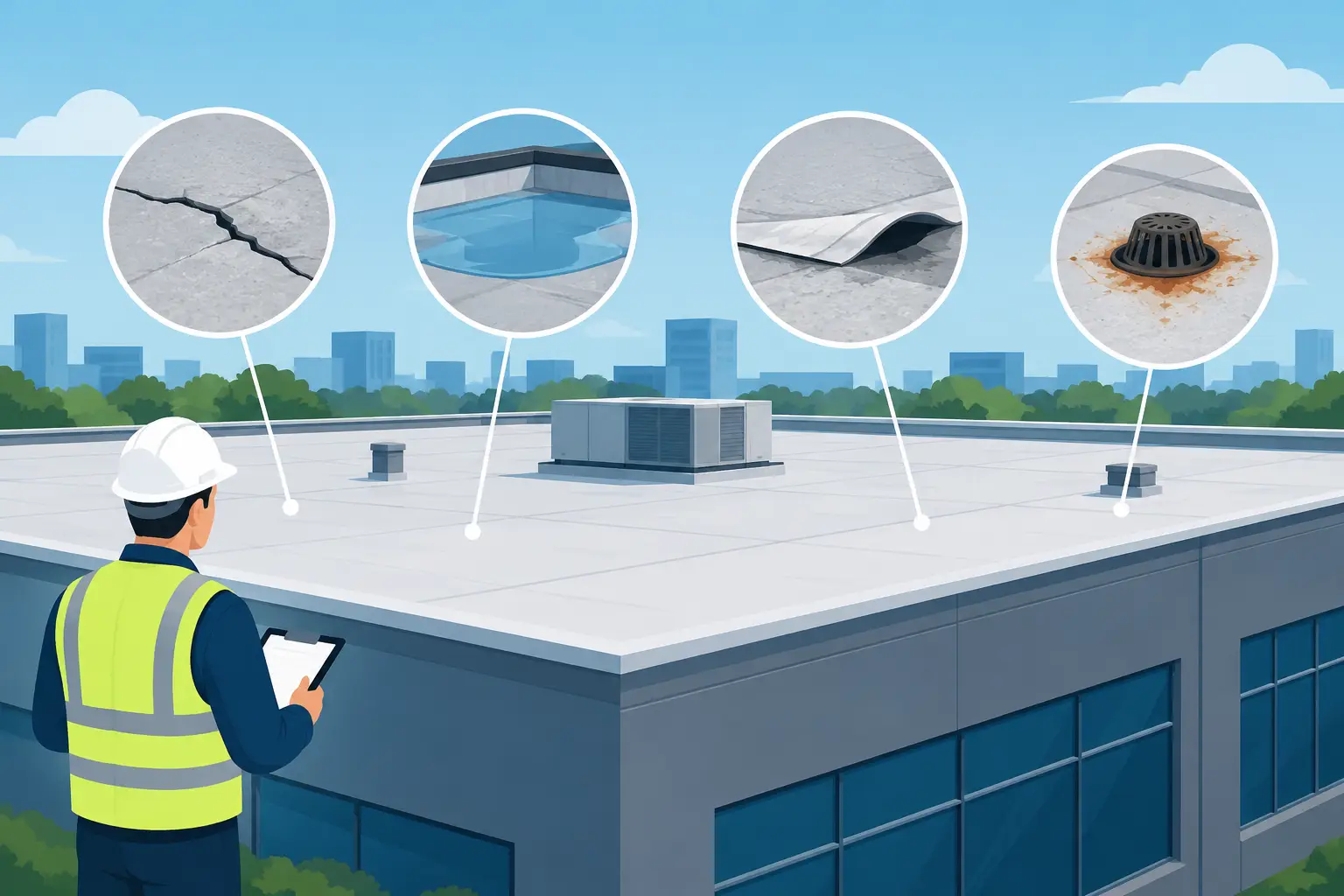
Commercial roof selection starts with the building’s drainage design and use. A low-slope roof that holds ponding water, supports HVAC equipment, or receives regular maintenance traffic needs a different approach than a small residential addition.
Modified Bitumen
Modified bitumen is a proven low-slope roofing system often used on commercial buildings and multi-unit properties. It is installed in multiple layers and offers strong puncture resistance. It can be applied using several methods, depending on the system and jobsite requirements.
This material is often a practical choice for buildings that need a durable, repairable roof with a long record of performance. Its success relies on proper substrate preparation, flashing work, drainage, and detailing around rooftop equipment.
TPO Membrane
TPO is a single-ply membrane commonly selected for commercial roofs because of its light-colored surface, heat-welded seams, and competitive cost. The reflective surface can help reduce heat absorption, which is useful on large exposed roof areas.
TPO is not a one-size-fits-all product. Membrane thickness, insulation design, attachment method, edge securement, and workmanship at seams all affect performance. A detailed site evaluation should determine whether TPO is appropriate for the building’s drainage conditions and expected roof traffic.
EPDM Membrane
EPDM is a durable synthetic rubber membrane with a long history in low-slope roofing. It is often black, although lighter options and coatings are available. Its flexibility can make it a strong candidate for roofs that experience temperature movement.
EPDM may be a good fit when a property needs a reliable membrane system with straightforward maintenance. As with every commercial material, drains, penetrations, seams, and perimeter details deserve the same attention as the membrane itself.
Material Is Only One Part of the Roof System
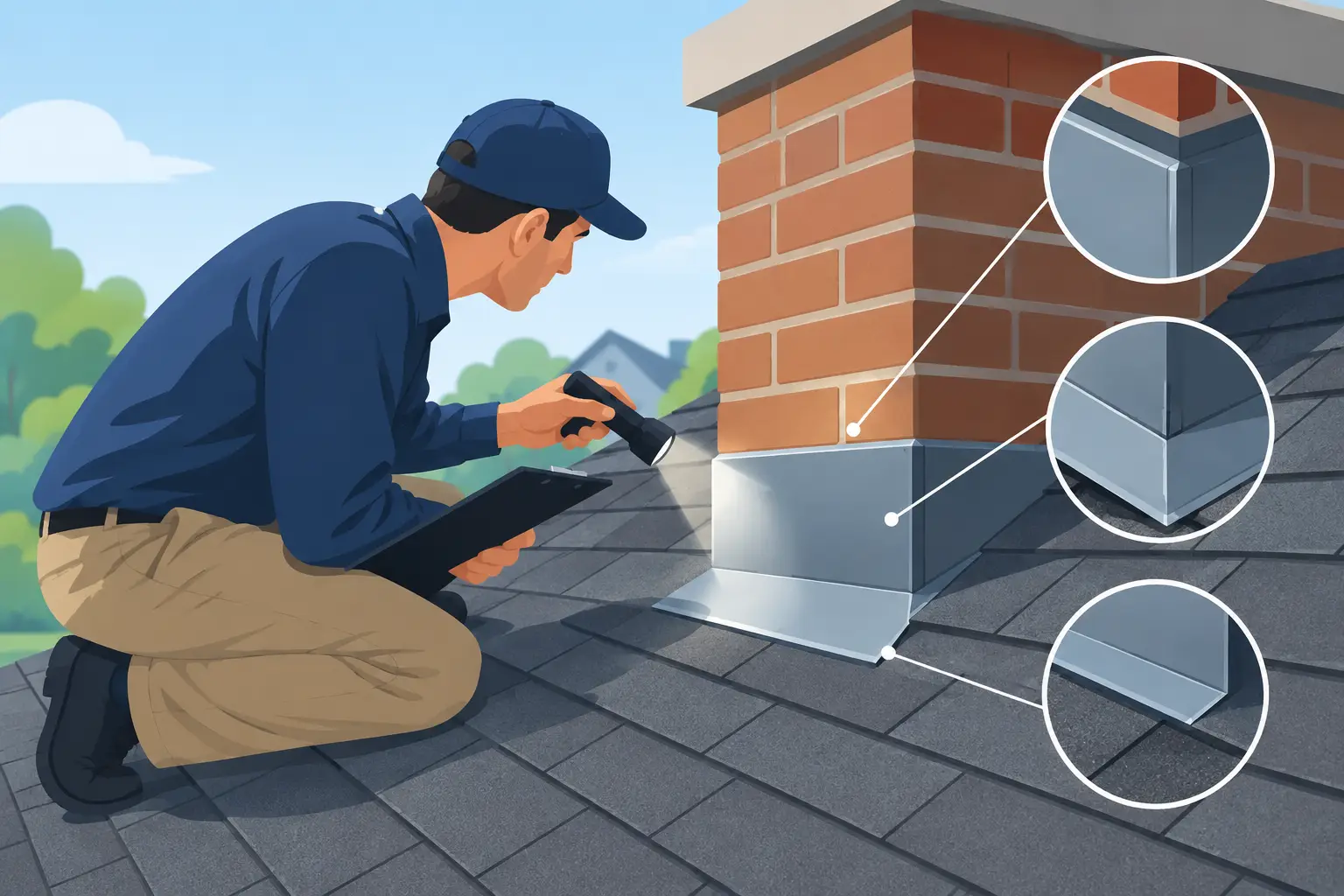
The most expensive shingle or membrane cannot compensate for weak installation practices. Water commonly enters at transitions: chimney flashing, wall connections, pipe boots, skylights, valleys, roof edges, and drains. Ventilation and attic insulation also affect roof life by controlling heat and moisture below the deck.
Before approving a replacement, ask for a detailed estimate that identifies the roofing material, underlayment or membrane assembly, flashing work, ventilation plan, decking repairs if needed, cleanup, warranty coverage, and expected project scope. A clear estimate makes it easier to compare proposals accurately instead of comparing only the bottom-line price.
For commercial properties, ask whether the contractor will inspect drainage, insulation condition, rooftop penetrations, curb details, and the condition of the existing substrate. These are the areas that determine whether a roof replacement addresses the real cause of recurring leaks.
Toronto Roofers approaches material selection with on-site assessment, trained installation practices, Working at Heights compliance, and direct project accountability. The goal is not to push one product on every property. It is to install a roof system that matches the building and can be supported by the manufacturer’s warranty requirements.
Choose for the Building You Have
The best roofing material is the one that fits your roof design, planned ownership period, maintenance expectations, and budget without compromising critical installation details. Architectural asphalt shingles are often the practical residential standard. Metal and composite products can deliver longer life and stronger visual impact. Modified bitumen, TPO, and EPDM each serve different low-slope commercial needs.
Before choosing a color or comparing warranty lengths, have the roof, drainage, ventilation, and flashing evaluated in person. A careful assessment today can prevent a material decision that looks good on paper but leaves the building exposed when the next Toronto storm arrives.