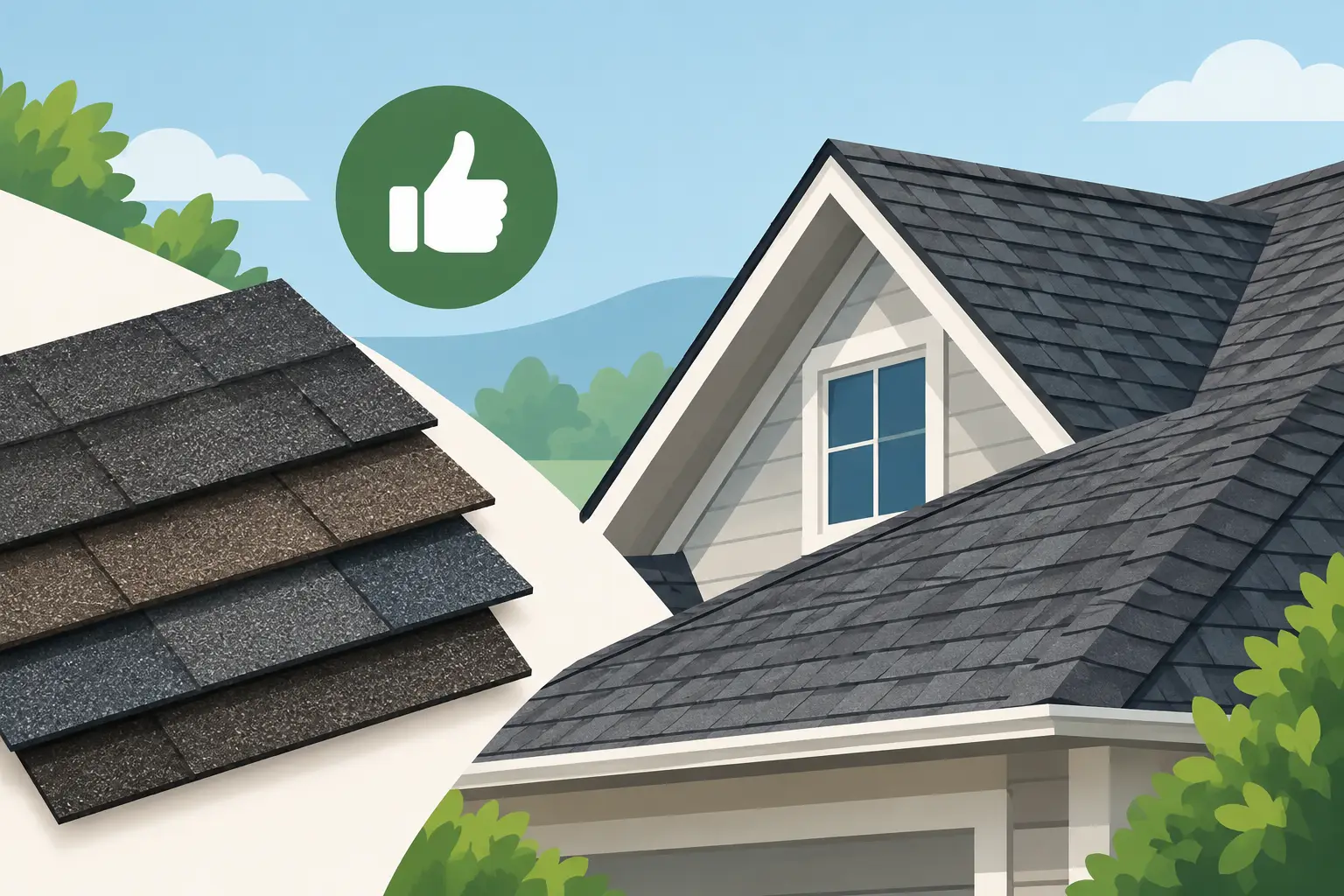
A roof replacement quote can look surprisingly different depending on the shingle selected. In this architectural shingles review, the central question is whether the upgrade from basic three-tab shingles delivers enough value in appearance, weather protection, and service life to justify the added cost. For most homes in the Greater Toronto Area, the answer is yes – provided the complete roof system is installed correctly.
Architectural shingles, also called dimensional or laminated shingles, are the standard choice for many residential reroofing projects. They are built from multiple layers of asphalt-coated material, which creates a thicker profile and a more textured appearance than a flat three-tab shingle. That construction also affects how the roof handles wind, aging, and everyday exposure.
Architectural Shingles Review: What You Are Buying
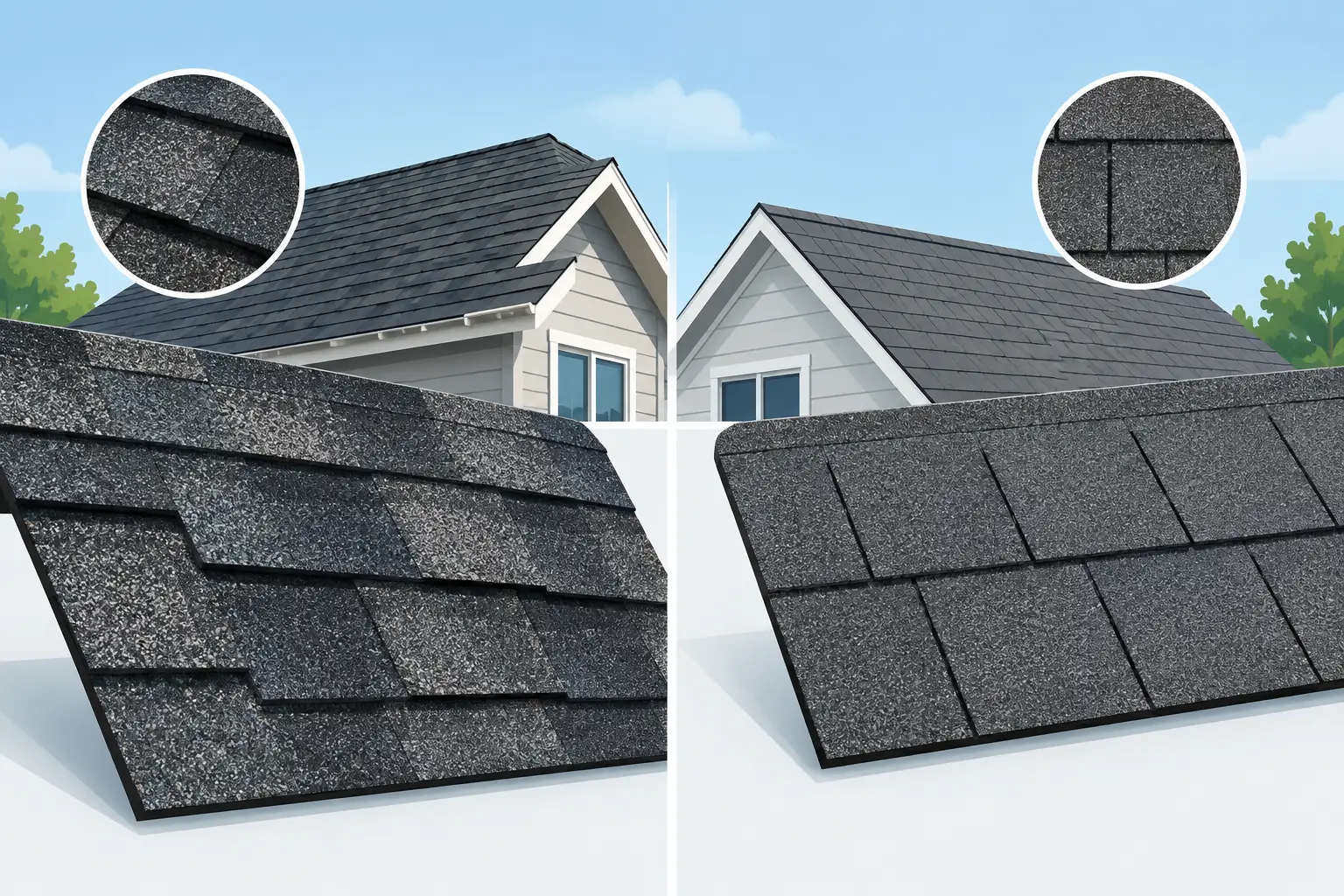
The visible difference is easy to understand. Three-tab shingles have a uniform, repetitive pattern that can make a roof look flat. Architectural shingles use varied shapes, shadow lines, and color blends to create more depth. On a detached home, especially one with a prominent roofline, that difference can materially improve curb appeal.
The practical difference matters more. Quality architectural shingles are generally heavier and more durable than entry-level three-tab products. Many are designed for stronger wind ratings when installed with the correct number of nails, approved starter shingles, and compatible ridge caps. Manufacturer warranties may also be longer, although warranty length should never be treated as a guaranteed roof lifespan.
A good roof is not just a field of shingles. It is a system that includes underlayment, ice and water protection at vulnerable areas, ventilation, flashings, drip edge, starter courses, fasteners, and ridge components. Architectural shingles are an excellent finish layer, but their performance depends on the materials beneath them and the workmanship holding the system together.
Where Architectural Shingles Perform Well
For Toronto-area homeowners, architectural shingles are a practical fit because they balance cost with protection. Local roofs face freeze-thaw cycles, wind-driven rain, heavy snow loads, ice buildup near eaves, and sharp temperature changes across the year. A properly installed laminated shingle roof is designed to handle these normal residential conditions better than a basic, lightweight option.
Their layered construction helps them resist lifting and wear, but only within the limits of the selected product and installation specifications. A premium architectural shingle may carry a higher wind rating than a standard version. That rating can be reduced if installers use too few nails, place nails outside the required fastening zone, or fail to seal shingles properly in cold conditions.
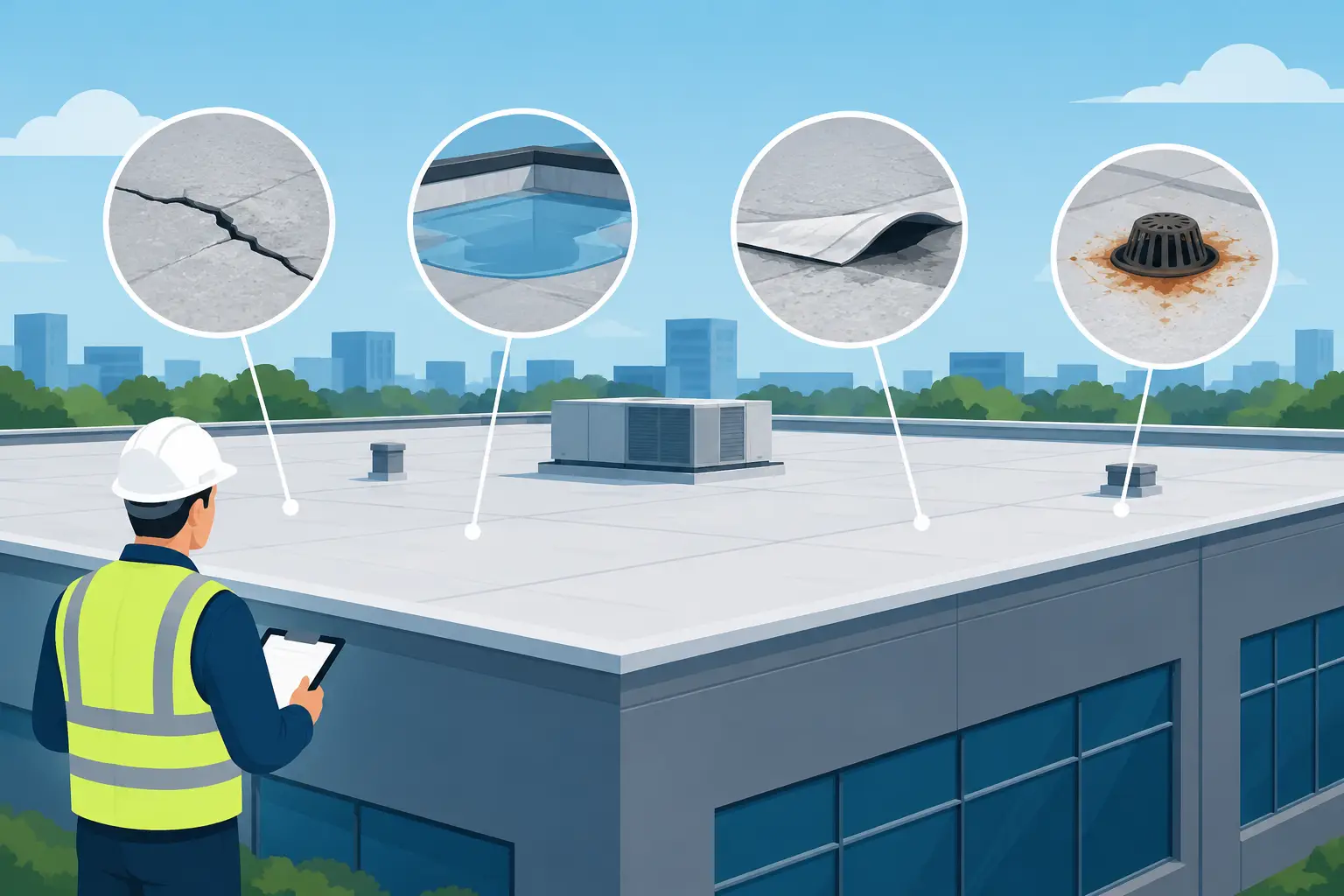
Architectural shingles also work well on roofs with moderate to steep slopes, where water sheds efficiently. They are not the right answer for every section of every property. Very low-slope roof areas may require a different roofing system, such as a membrane solution. A professional on-site inspection should identify these transitions before work begins rather than treating the entire roof as one surface.
Expected Lifespan Is Not a Warranty Term
Homeowners often hear that architectural shingles last 25, 30, or even 50 years. Those numbers usually describe limited warranty categories, not a promise that the installed roof will remain problem-free for that exact period. Climate, attic ventilation, roof pitch, sun exposure, maintenance, and installation quality all affect real-world lifespan.
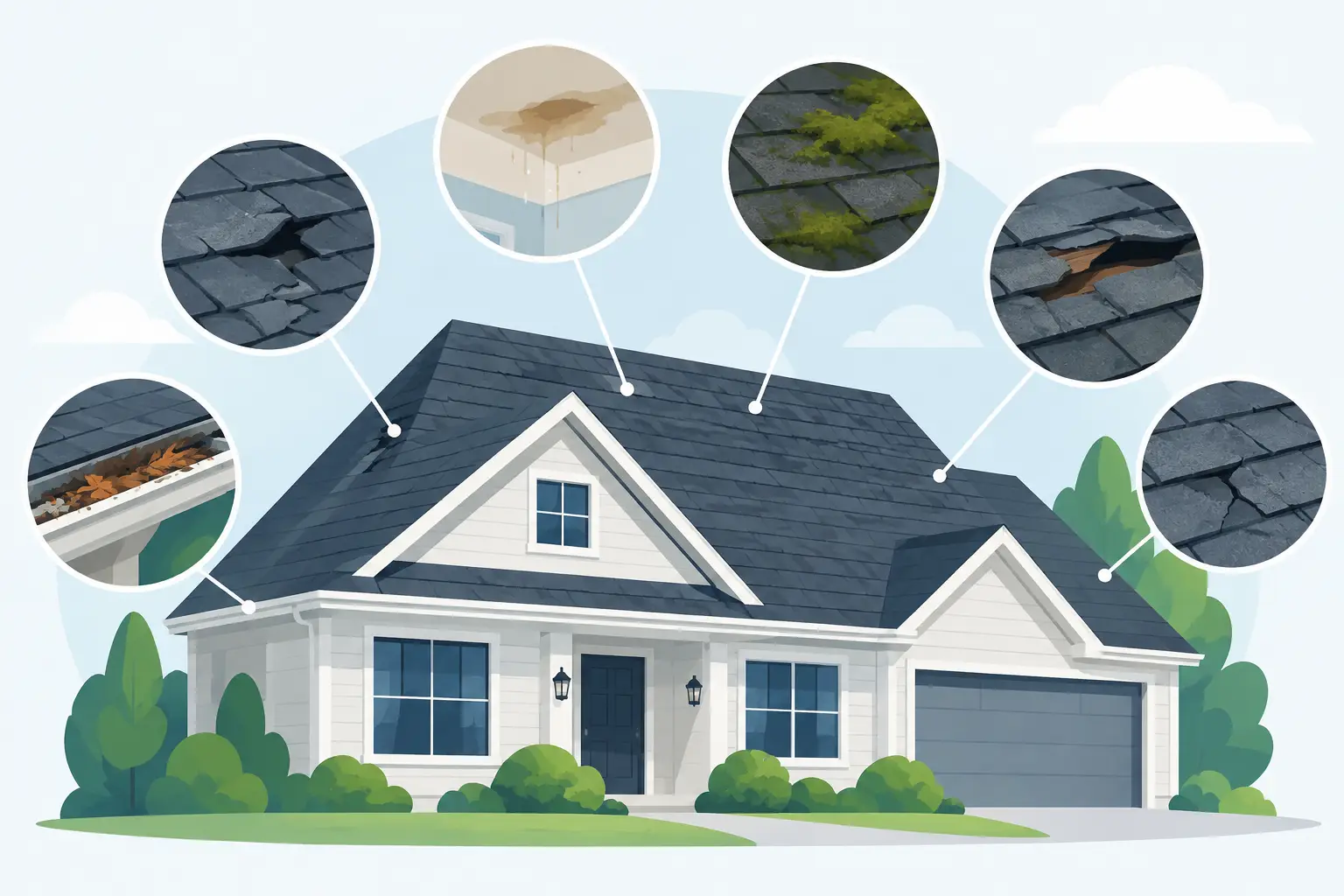
On a properly ventilated home with sound decking and well-executed details, architectural shingles can provide long-term service. Premature failure is more likely when heat and moisture are trapped in the attic, flashing details are neglected, or new shingles are installed over hidden problems. A low quote that skips inspection and preparation can become costly long before the shingle warranty is relevant.
Better Looks, With Some Limits
Architectural shingles offer a wide range of colors and visual profiles. Darker blends can add definition to a traditional brick home, while weathered gray or brown tones often suit siding, stone, and contemporary exterior palettes. Samples should be viewed outdoors, not only under showroom lighting, because sunlight changes how colors read from the street.
The trade-off is that a more dimensional shingle typically costs more than a three-tab product. It also cannot correct structural issues such as sagging roof decking, poor drainage, or badly designed valleys. If the roofline is uneven, shingles will follow that shape. Repairs to the roof deck may be necessary before installation to achieve a clean, durable result.
Cost: Why Quotes Can Vary
Architectural shingle pricing is not determined by the shingle bundle alone. Roof size, pitch, access, layers of existing roofing, chimney and skylight details, valley length, ventilation needs, deck repairs, and disposal requirements all affect the final estimate. Two homes with the same square footage can have very different roofing costs because one has a simple gable roof and the other has multiple dormers, valleys, and steep sections.
A detailed quote should clarify what is included in the system. That means identifying the shingle product line, underlayment type, ice and water protection, flashing work, ventilation components, removal of old material, debris handling, and any allowance or process for damaged decking. Vague proposals make it difficult to compare contractors fairly.
The least expensive architectural shingle quote is not automatically the best value. Ask whether the contractor is using manufacturer-approved components and whether the installation team is trained for the product being installed. Savings achieved by omitting ice protection, reusing damaged flashing, or cutting ventilation corners can create a much larger repair expense later.
Installation Quality Decides the Result
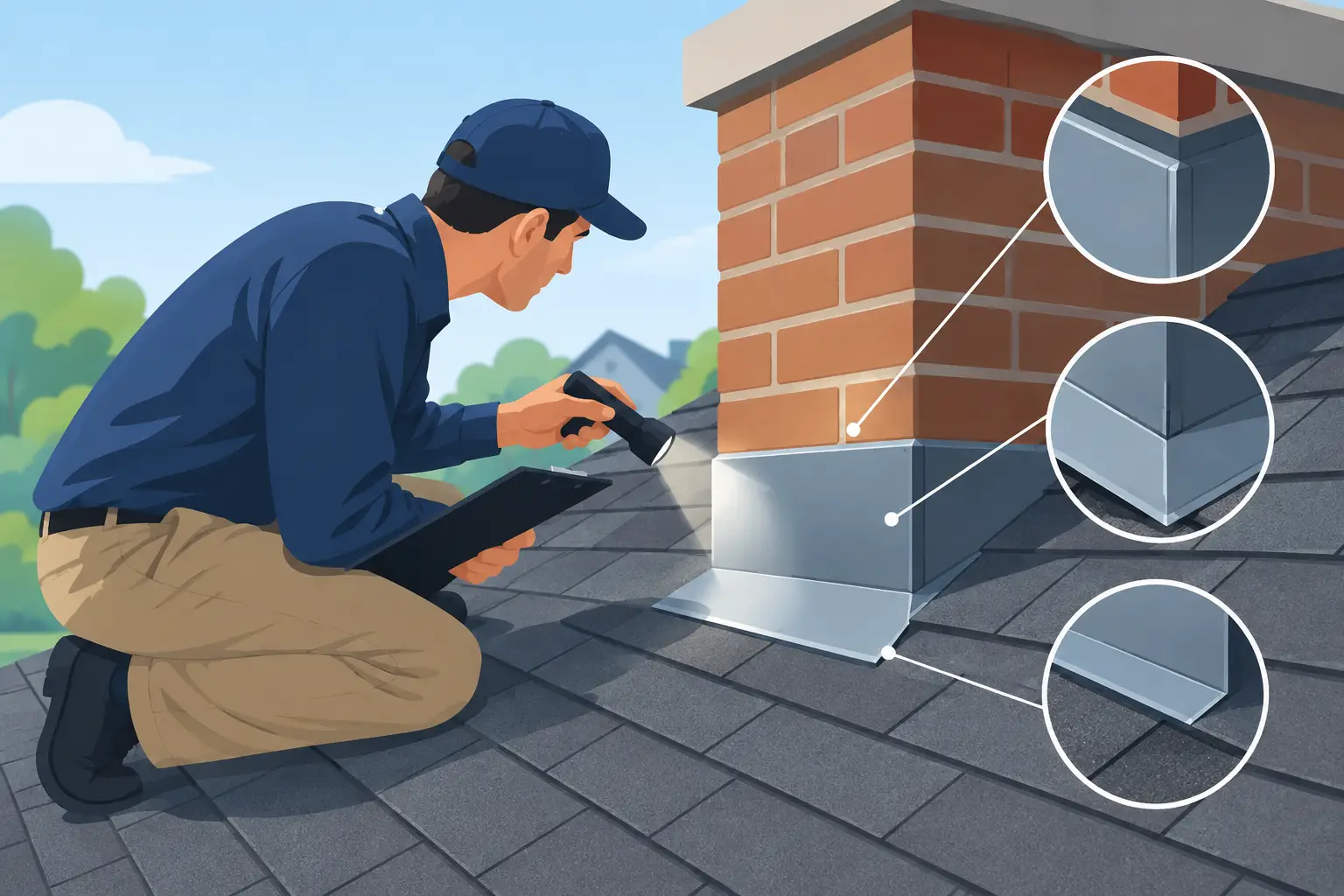
Even a premium shingle cannot overcome poor installation. The roof deck must be sound, dry, and properly prepared. Valleys need the correct protection. Flashing must be integrated around chimneys, walls, vents, and skylights so water is directed onto the roof surface instead of behind it. These details are not decorative, and they are where many roof leaks begin.
Ventilation deserves the same attention. Balanced intake and exhaust ventilation helps control heat and moisture in the attic, which supports shingle performance and protects the building structure. Adding ridge vents without adequate soffit intake, for example, may not solve an existing ventilation problem. The system needs to be assessed as a whole.
At Toronto Roofers, trained in-house installers and direct project oversight are central to that process. A roof replacement should include a clear assessment of the existing roof, a detailed scope of work, safe working practices, and a final review of the completed system. Credentials such as Working at Heights compliance and CertainTeed Master Shingle Applicator training matter because roofing is technical work performed in demanding conditions.
When a Different Option May Make Sense
Architectural shingles are not automatically the best choice for every owner. A property owner planning to sell soon may choose a more economical shingle if the current roof needs replacement but premium aesthetics will not meaningfully affect their decision. Conversely, a homeowner intending to remain in the property for decades may consider a higher-end architectural product with enhanced impact resistance or algae protection.
Commercial property owners should also be cautious about applying residential product logic to commercial roofs. Architectural shingles can be appropriate for sloped areas of certain buildings, but low-slope commercial sections often need specialized membrane roofing. The correct material follows the roof design, drainage conditions, and maintenance plan.
Questions to Ask Before Choosing a Shingle
Before approving a reroofing proposal, ask the contractor which exact shingle line is being specified, what wind rating applies to the completed installation, and which accessories are included. Confirm how ice and water protection, ventilation, flashing, and damaged decking will be handled. It is also reasonable to ask who will perform the work, what safety procedures are followed, and what workmanship coverage applies in addition to the manufacturer warranty.
Those answers reveal more than a brochure ever will. The best architectural shingle is the one that suits the roof, is installed as a complete system, and is backed by a contractor willing to be accountable for the details. A thorough on-site assessment before work starts is the right place to protect both your roof and your investment.