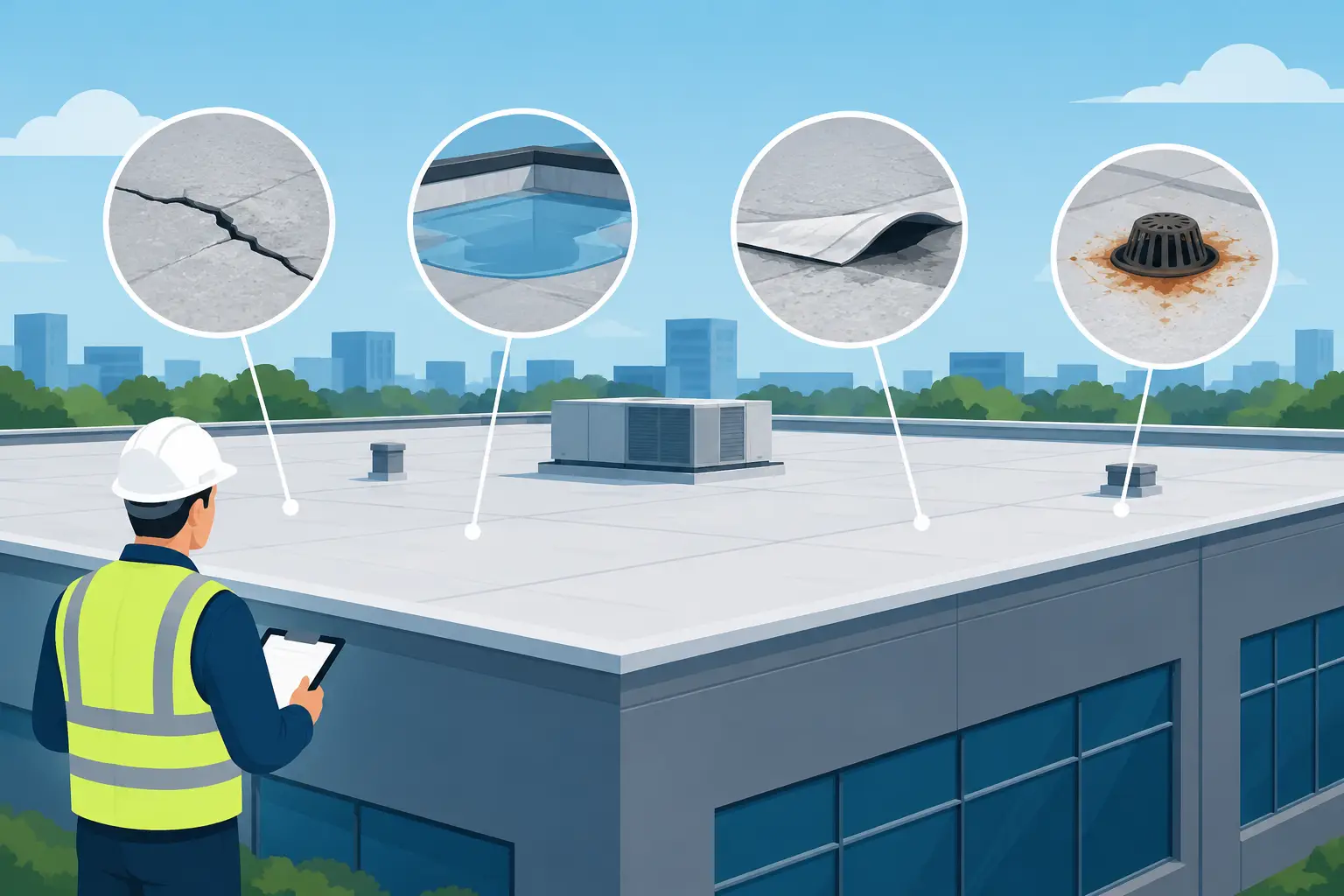
A commercial roof rarely fails without leaving evidence first. The problem is that many of the top commercial roof warning signs are easy to miss from the ground, especially on low-slope buildings where water can travel beneath the membrane before it appears inside. For property managers and building owners, early action can mean a focused repair instead of interior damage, disrupted operations, and an unplanned replacement.
A roof inspection should not wait until water is dripping through a ceiling tile. Regular review by trained roofing professionals helps identify small weaknesses, document their condition, and prioritize the work that protects the building budget.
Top Commercial Roof Warning Signs You Should Not Ignore
Ponding water that remains after 48 hours
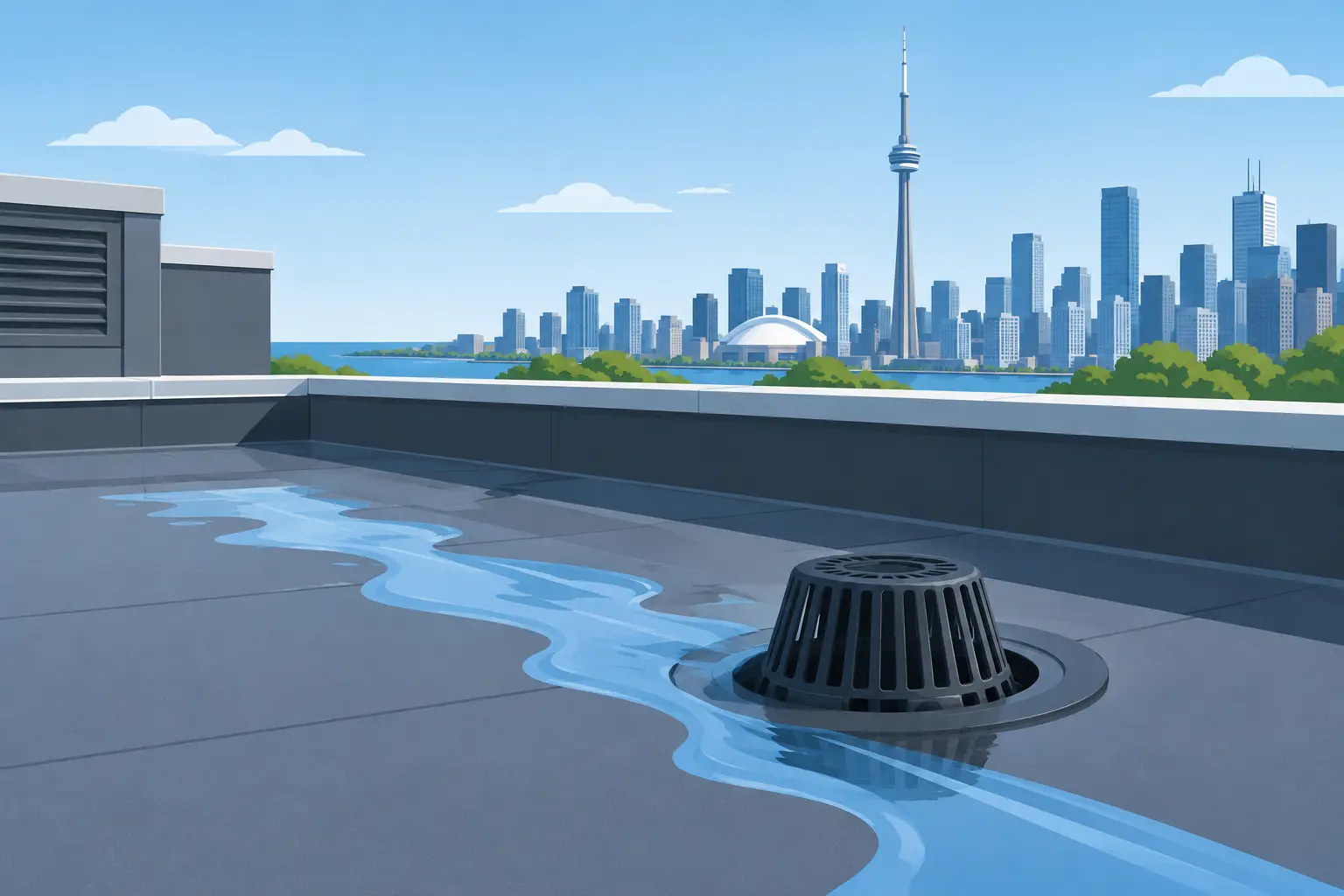
Standing water is one of the clearest signs that a commercial roof needs attention. After normal rain, some temporary surface water can occur. But when puddles remain for more than 48 hours, the drainage system, roof slope, or insulation beneath the membrane may not be performing as intended.
Ponding water adds weight to the roof assembly and accelerates membrane wear. It can also hide punctures, open seams, and deteriorated flashing. In cold Toronto weather, repeated freeze-thaw cycles can make the issue worse by stressing seams and allowing water to work deeper into the system.
The right solution depends on the cause. Clearing blocked drains may be enough in some cases. In others, the roof may need localized leveling, tapered insulation, drain modifications, or membrane repairs. A qualified inspection should identify the source before anyone recommends a major project.
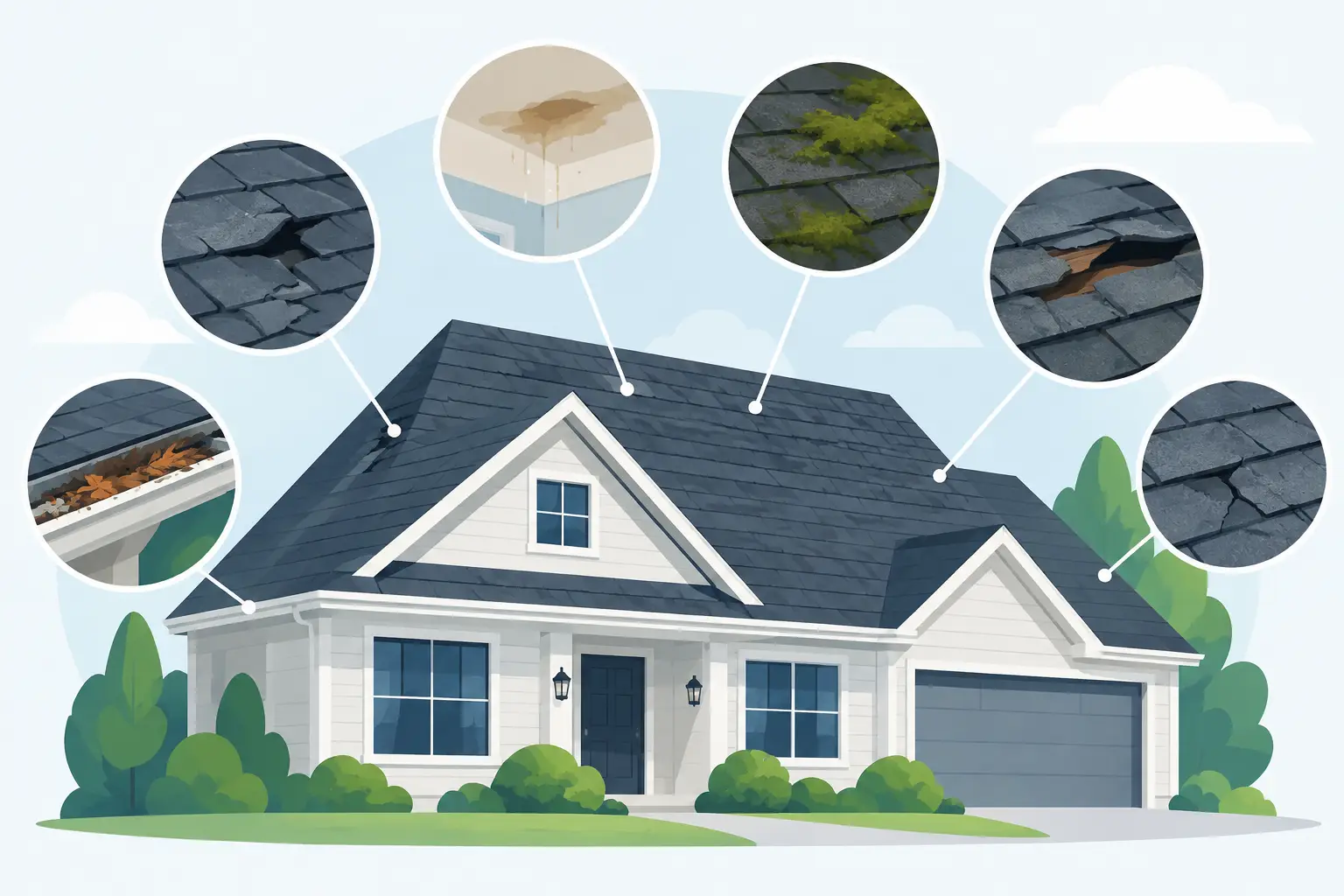
Leaks, stains, and damp areas inside the building
A ceiling stain is not always directly below the roof defect. Water can move along decking, insulation, pipes, and structural members before becoming visible indoors. By the time a tenant reports a water mark or damp drywall, moisture may already be affecting a larger area of the roof assembly.
Watch for stained ceiling tiles, peeling paint, bubbling wall finishes, wet insulation, musty odors, or unexplained humidity near the top floor. These symptoms can also be related to plumbing or HVAC equipment, which is why leak investigation needs to be methodical rather than based on guesswork.
A professional roofer should inspect the membrane, penetrations, drainage paths, rooftop equipment curbs, and flashing details. The objective is to find the entry point, determine whether trapped moisture is present, and complete a repair that addresses the actual failure.
Open seams, cracks, blisters, or loose membrane
Commercial roof membranes expand and contract as temperatures change. Over time, seams can separate, adhesive bonds can weaken, and the material can become brittle or cracked. These problems are especially common around high-stress locations, including parapet walls, drains, corners, rooftop units, and pipe penetrations.
Blisters and bubbles deserve attention as well. A small blister is not automatically an emergency, and cutting into every blister without a plan can create a leak. However, widespread blistering may indicate moisture, poor adhesion, or aging materials below the surface. It should be assessed by an experienced commercial roofing contractor before it develops into a rupture.
Loose edges and lifted flashing are more urgent. Wind-driven rain can enter these openings quickly, and strong winds can turn a localized issue into significant membrane damage.
Damaged flashing and failing roof penetrations
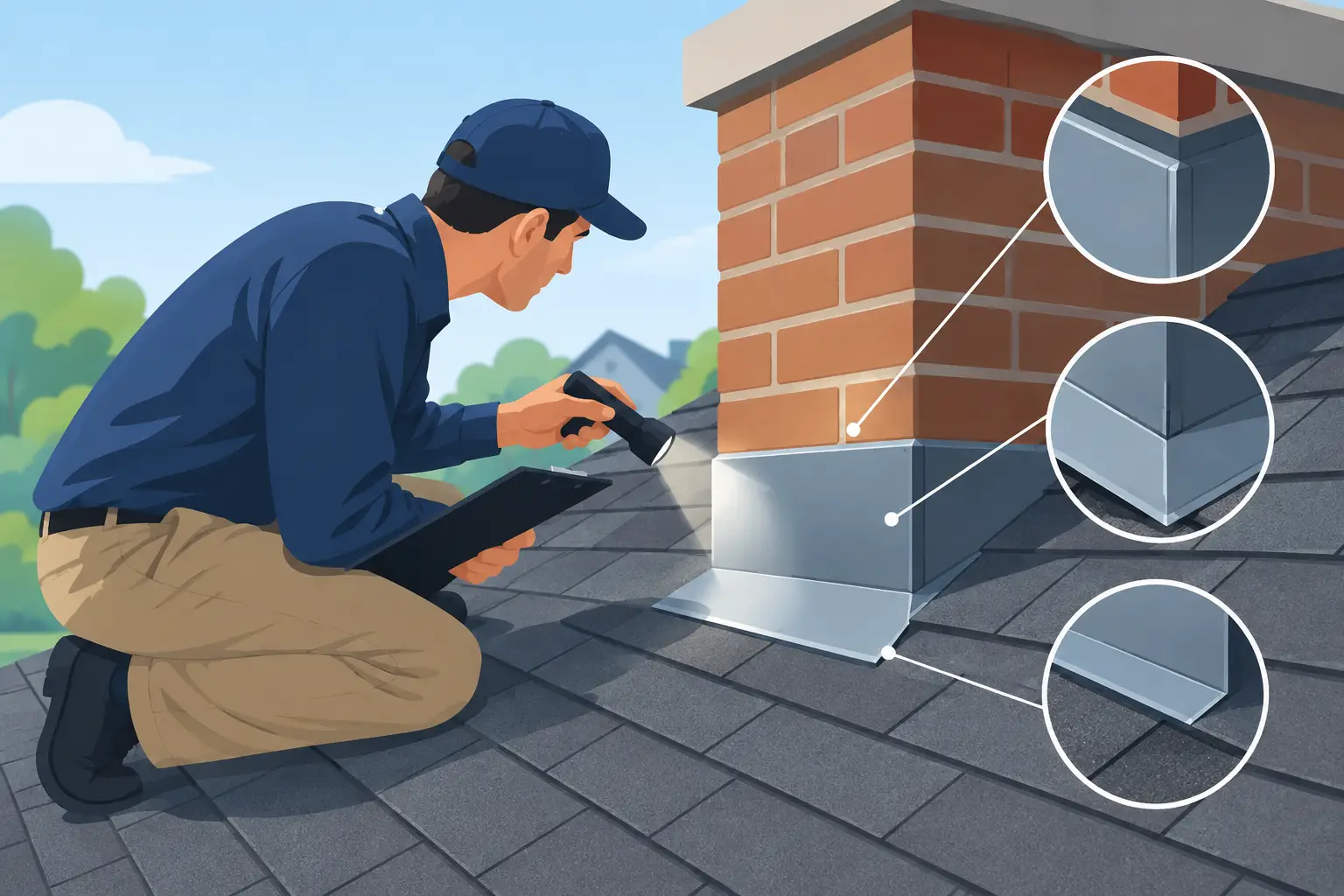
Most commercial roof leaks occur at details, not in the open field of the roof. Flashing is used to seal transitions where the roof meets walls, curbs, vents, drains, skylights, pipes, and mechanical equipment. Every one of these areas creates a potential entry point for water.
Look for cracked sealant, separated metal, loose counterflashing, deteriorated pipe boots, or exposed fasteners. Rooftop HVAC servicing can also damage a roof when technicians drag equipment, leave panels unsecured, or disturb flashing during maintenance.
This is one reason building owners should coordinate roof access carefully. A service visit may be necessary, but the roof should be inspected afterward if work has taken place near penetrations or membrane seams. Small detail repairs are usually far less costly than repairing wet insulation and interior finishes later.
Blocked drains, scuppers, and gutters
Drainage is a roof system, not an accessory. Leaves, construction debris, gravel, ice, and even loose membrane material can obstruct drains and scuppers. When water has nowhere to go, it ponds across the roof and may back up at perimeter walls or rooftop equipment.
Property teams should visually check accessible drains after major storms and during fall leaf season. Never climb onto a roof without proper access and fall protection. A trained crew can clear drainage components safely while checking for damaged strainers, deteriorated drain bowls, and membrane separation around the drain.
If a drain repeatedly clogs, simple cleaning may not solve the underlying problem. The building may have inadequate drainage capacity, poor roof geometry, or debris sources that require ongoing maintenance planning.
Visible wear around high-traffic areas
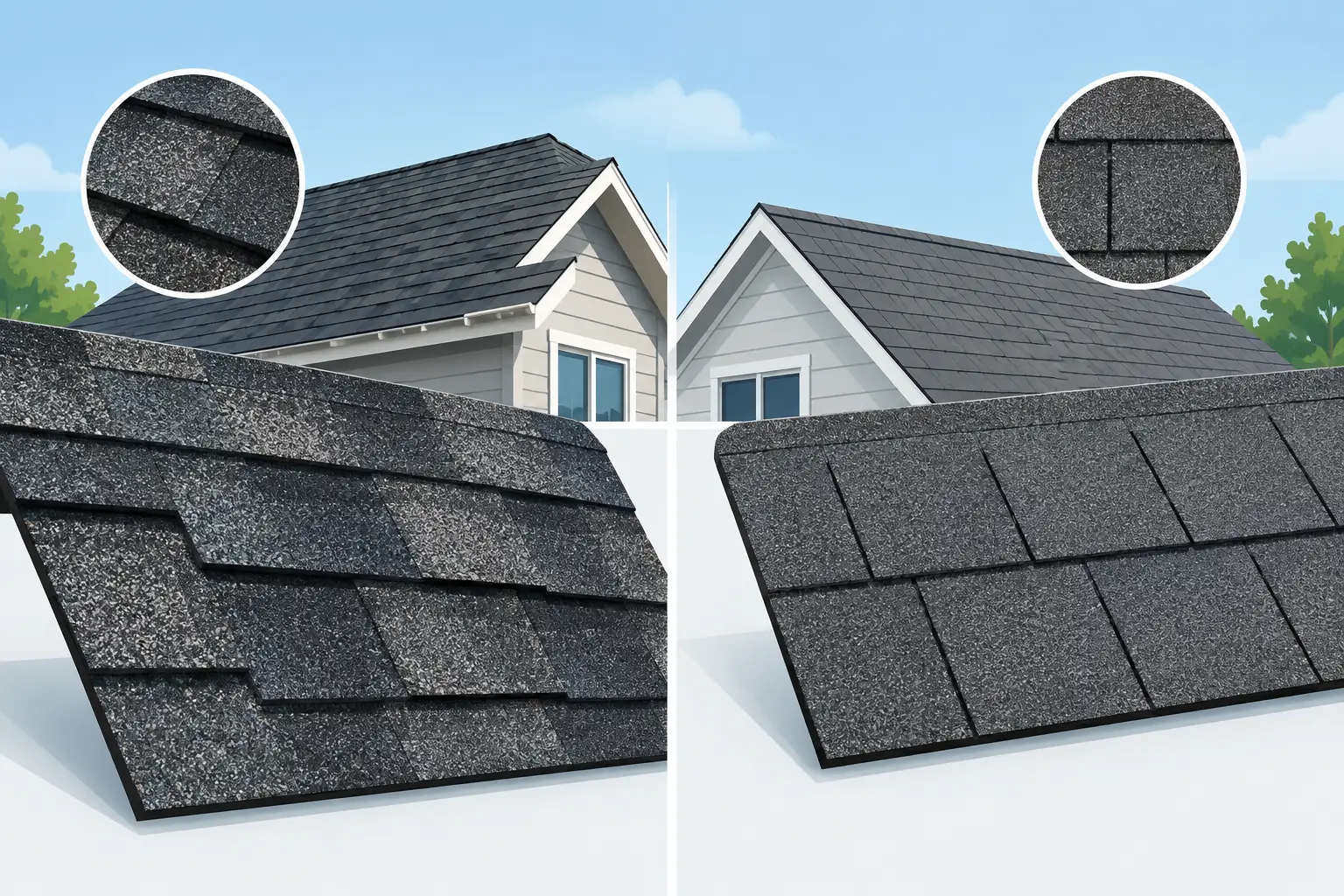
Commercial roofs often carry more foot traffic than owners realize. HVAC contractors, electricians, telecom technicians, maintenance staff, and inspectors may all use the roof. Repeated traffic can wear protective granules, scuff membranes, loosen seams, and create punctures around equipment.
Paths to rooftop units should have designated walk pads or other approved protection where appropriate. If you see worn routes, punctures, displaced pavers, or exposed membrane near service areas, schedule an inspection. The repair may be straightforward, but leaving the surface unprotected invites recurring damage.
Higher energy bills and uneven indoor temperatures
A sudden increase in heating or cooling costs does not prove the roof is failing, but it can be an early warning. Wet insulation loses thermal performance. Gaps at flashing or deteriorated roof assemblies can also allow unwanted air movement that makes top-floor spaces harder to heat or cool.
This issue requires diagnosis. HVAC performance, windows, occupancy changes, and insulation levels can all affect energy use. Still, when higher utility costs appear alongside roof leaks, ponding water, or membrane deterioration, a roof moisture assessment is worth considering.
Repeated repairs in the same area
One repair does not mean a roof is at the end of its service life. Commercial roofs are repairable systems, and timely maintenance can extend their useful life substantially. The concern begins when the same leak returns, new leaks develop nearby, or repair costs continue to rise without delivering dependable results.
At that point, the roof may need more than another patch. A contractor should evaluate the membrane condition, insulation moisture, flashing details, drainage performance, and repair history. Depending on the findings, the practical answer may be targeted restoration, a section replacement, or a planned full replacement.
When to Repair and When to Plan a Replacement
The decision should be based on condition, not simply age. A well-maintained roof with isolated damage may be a strong candidate for repair. A roof with widespread wet insulation, failing seams, recurring leaks, poor drainage, and extensive surface deterioration may no longer provide reliable value through patchwork repairs.
Budget matters, but so does timing. A planned replacement allows the owner to compare system options, prepare for tenant needs, schedule around operations, and protect warranty requirements. An emergency replacement after major water damage usually offers fewer choices and greater disruption.
For commercial properties in Toronto and surrounding areas, seasonal weather also affects scheduling. Inspections and planning can happen year-round, while installation timing should account for the roofing system, site conditions, temperature requirements, and safe access.
Make Roof Maintenance a Building Priority
A commercial roof should be inspected at least twice a year and after severe storms, high winds, or major rooftop service work. Keep records of inspections, repairs, leaks, and maintenance activities. This history helps identify patterns, supports warranty compliance, and gives decision-makers a clearer basis for capital planning.
Toronto Roofers provides on-site commercial roof assessments led by trained specialists who examine the details that often cause costly failures. Clear findings, detailed estimates, and properly managed workmanship give property owners the information needed to act with confidence.
If a warning sign is visible, do not wait for the next storm to determine how serious it is. A timely inspection can protect your tenants, your building operations, and the service life of the roof already in place.