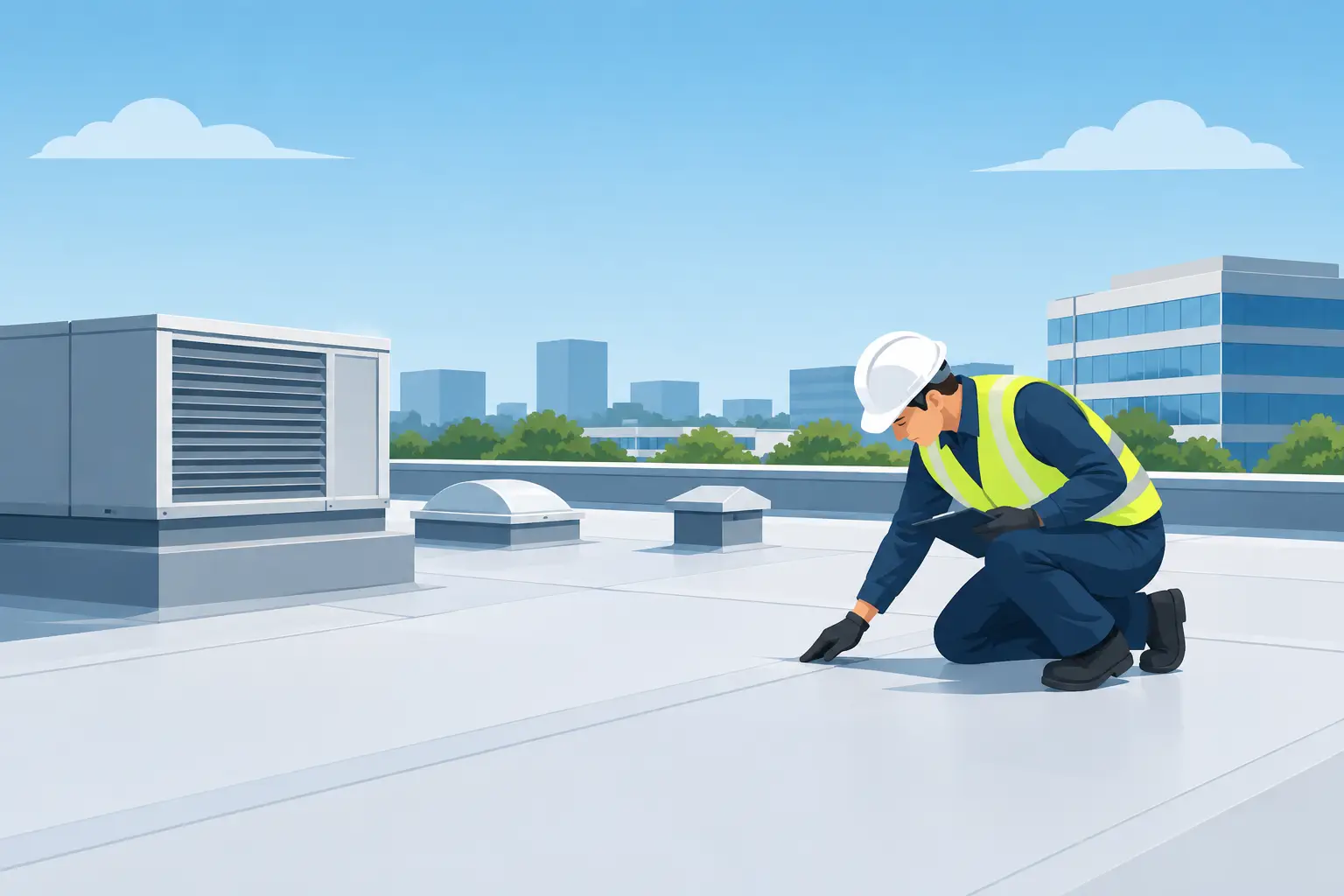
A commercial roof rarely fails without warning. Ponding water, clogged drains, split seams, loose flashing, and damaged edge details often appear well before a leak reaches occupied space. Knowing how to maintain commercial roof systems gives property owners and managers time to address those warning signs before a minor service call becomes an expensive disruption.
For buildings in Toronto and the surrounding area, maintenance also has to account for freeze-thaw cycles, heavy rain, snow loads, wind exposure, and debris buildup. A disciplined plan protects the roof membrane, supports warranty requirements, and helps extend the useful life of one of the building’s most valuable assets.
Start With a Roof Maintenance Plan
Commercial roof maintenance should be scheduled, documented, and specific to the roof system. A low-slope modified bitumen roof does not age in the same way as a single-ply TPO or EPDM system. Metal roofing has different vulnerability points, particularly at fasteners, laps, penetrations, and sealants.
At minimum, arrange professional inspections twice each year: once in the spring after winter conditions and once in the fall before snow and ice arrive. Additional inspections are warranted after severe windstorms, prolonged rain, major snowfall, rooftop work, or any event that may have affected drains, flashings, or the membrane.
A maintenance plan should identify who is responsible for inspections, how repair findings are approved, and where records are stored. The goal is not simply to check a box. It is to create a reliable history of roof conditions, repairs, and recommendations that supports informed budgeting.
Inspect the Areas Most Likely to Leak
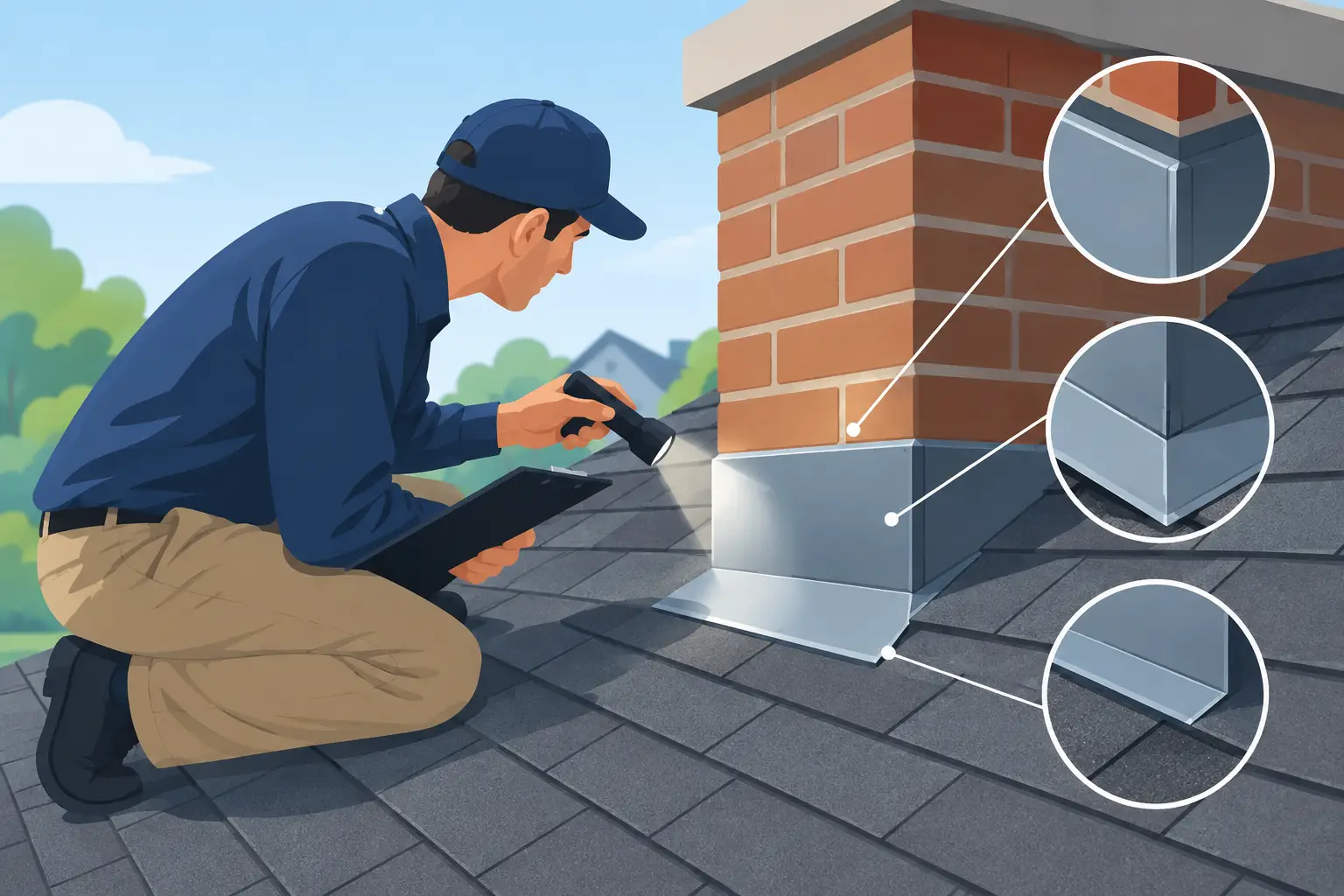
Water usually enters at transitions and penetrations, not through the open field of a properly installed membrane. During an inspection, a trained roofing professional should carefully assess flashings around curbs, skylights, vents, HVAC supports, parapet walls, drains, and plumbing penetrations.
Check Seams, Flashing, and Roof Edges
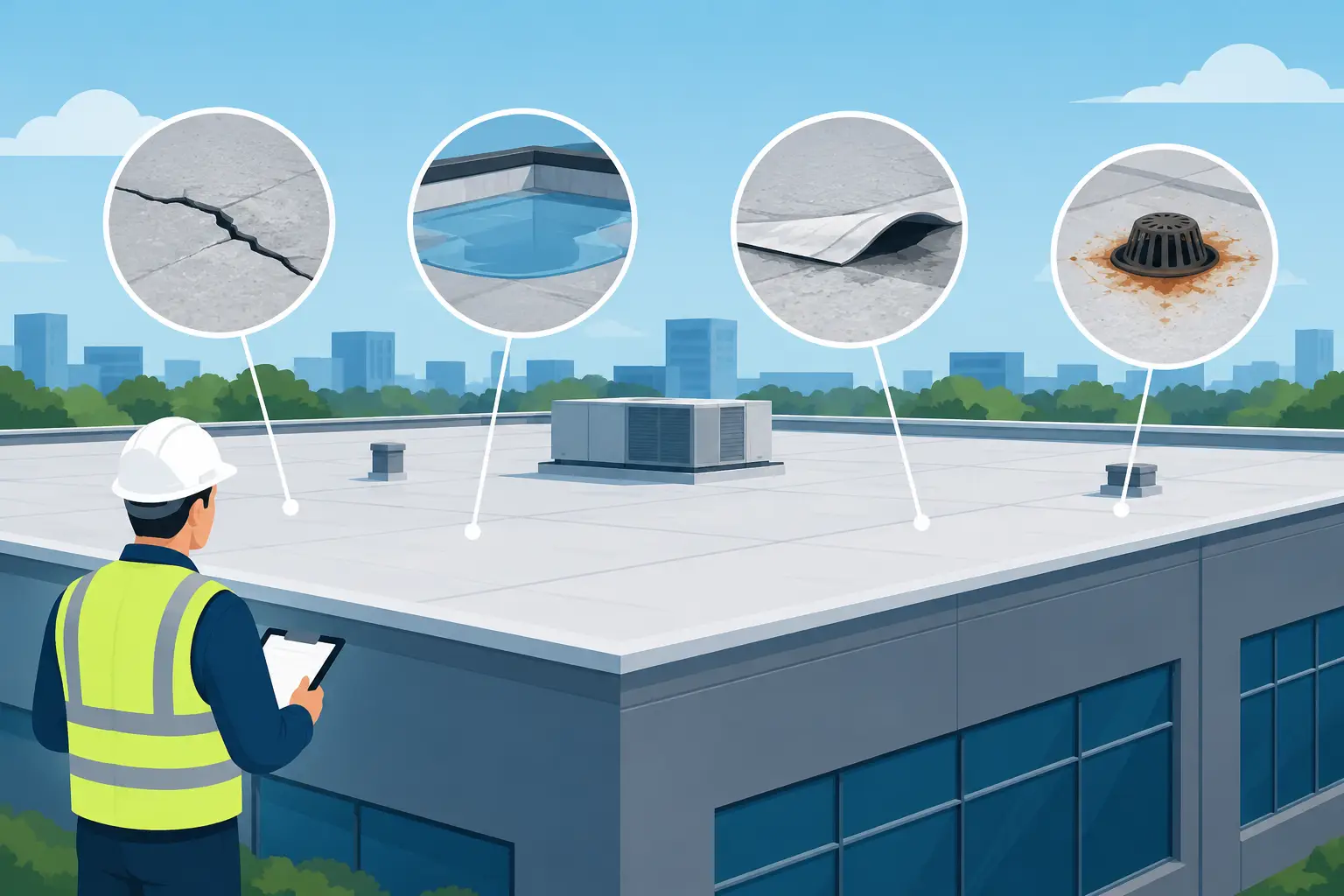
Seams can separate as materials expand and contract. Flashing can crack, pull away from a wall, or lose adhesion at corners. Roof edges can loosen under wind pressure, allowing water to move beneath the membrane. These issues may look small from the roof surface, but they can permit moisture into insulation, decking, and wall assemblies.
Pay close attention to areas where different materials meet. Roof-to-wall transitions, pipe penetrations, equipment curbs, and expansion joints require flexible, well-adhered details. A patch applied without addressing the cause of movement may only provide a short-term result.
Look for Surface Changes
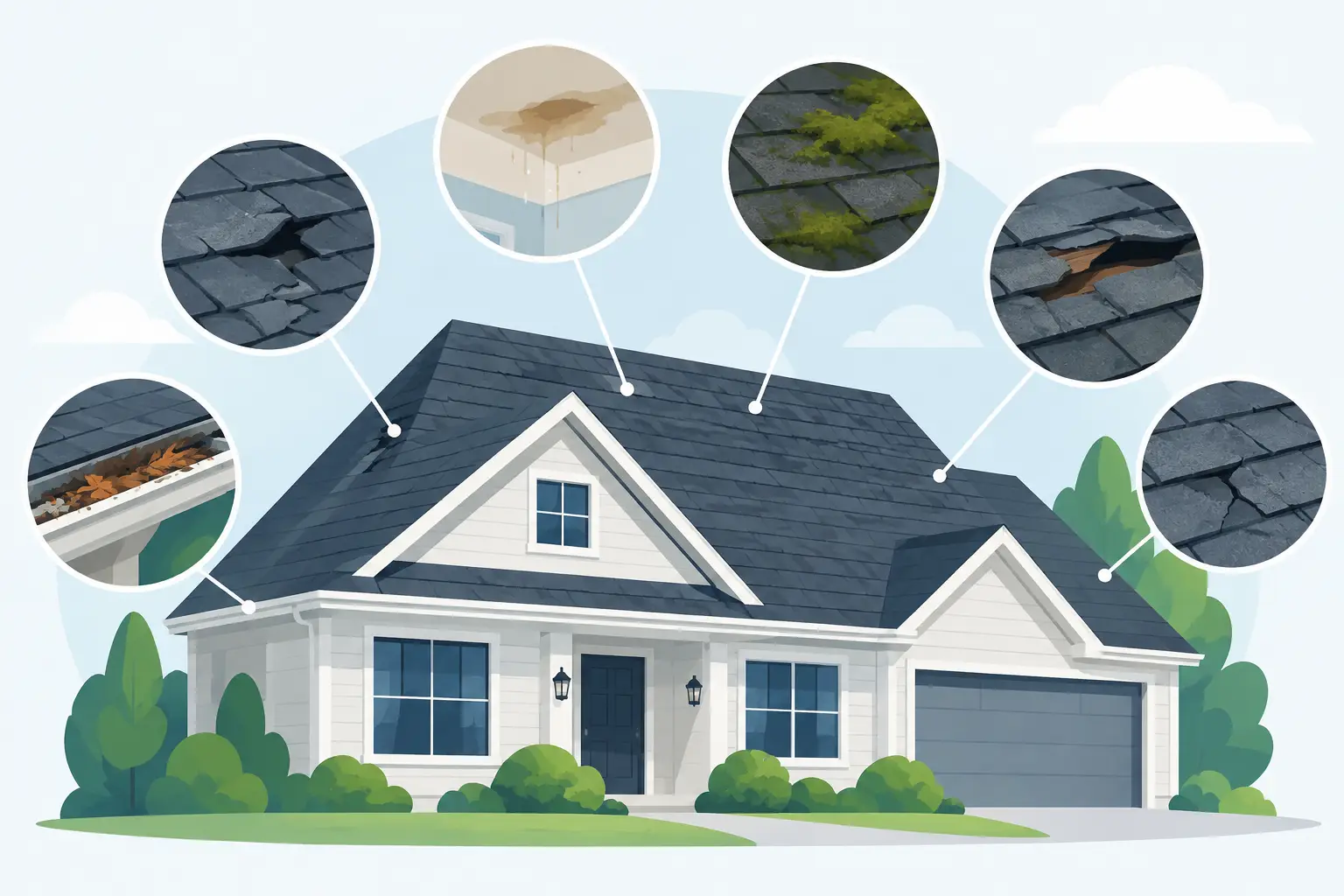
Blisters, punctures, splits, exposed reinforcement, wrinkling, membrane shrinkage, and deteriorated coating are all signs that deserve professional review. Foot traffic is a frequent contributor to damage around rooftop equipment. If technicians regularly access HVAC units, designated walk pads can protect the membrane and make service routes clear.
Do not assume a dry ceiling means the roof is sound. Moisture can travel through insulation and structural components before it becomes visible indoors. Early inspection is less disruptive and usually far less costly than waiting for interior evidence of a leak.
Keep Drainage Clear and Working
Standing water is one of the most common threats to a low-slope commercial roof. It adds unnecessary weight, accelerates material deterioration, encourages debris accumulation, and can expose weak points in seams and flashings. After rainfall, water should drain as intended rather than remain on the roof for extended periods.
Clear leaves, branches, trash, and sediment from drains, scuppers, gutters, and downspouts. This work is especially important in fall and after storms. A blocked drain can quickly turn a normal rainfall into a ponding problem.
Drainage maintenance is not limited to removing debris. The roof should also be assessed for slope changes, crushed drain components, damaged strainers, and localized depressions. If ponding repeatedly occurs in the same area, a roofing contractor should determine whether the cause is insulation settlement, structural deflection, inadequate drainage design, or a blocked internal drain line.
Repair Small Problems Promptly
Delaying repairs is one of the costliest commercial roofing decisions. A loose flashing or small puncture may be straightforward to repair when the membrane and insulation are dry. Once water enters the assembly, the scope can grow to include wet insulation removal, deck repair, interior cleanup, and disruption to tenants or operations.
Property managers should establish a clear process for reporting roof concerns. Water stains, musty odors near upper floors, ceiling changes, dripping around penetrations, and unexplained moisture should be investigated promptly. The same applies to visible roof damage reported by maintenance staff or HVAC technicians.
Temporary repairs have a place during active leaks or severe weather, but they should not replace a proper assessment. The correct repair material and method depend on the roof type. Applying incompatible coatings, mastics, or patches can complicate future repairs and may affect warranty coverage.
Control Rooftop Access and Foot Traffic
Commercial roofs are working surfaces, but they are not designed for uncontrolled traffic. HVAC service teams, electricians, telecommunications installers, window cleaners, and other trades may all require rooftop access. Without coordination, tools, dropped equipment, and repeated foot traffic can damage a membrane that is otherwise performing well.
Limit access to authorized personnel and require contractors to follow a defined route. Use protective walk pads in high-traffic areas, particularly from roof hatches to mechanical equipment. Before outside trades begin work, confirm that they understand the roofing system and will not fasten, cut, or penetrate the membrane without approval.
Any new equipment installation should be reviewed before work starts. Penetrations, curbs, supports, and condensate lines must be detailed correctly. Improvised work around rooftop units is a common source of avoidable leaks.
Maintain Records That Support Decisions and Warranties
A roof maintenance file makes long-term planning easier. Keep inspection reports, photographs, repair invoices, warranty documents, and notes about leaks or unusual conditions. Record the date, location, cause, repair method, and materials used for each service visit.
These records help identify recurring issues and give future contractors a clearer understanding of the roof’s history. They also help building owners distinguish between isolated repair needs and signs that the system is approaching replacement age.
Many manufacturer warranties require regular maintenance and prompt attention to defects. Warranty coverage is valuable, but it does not eliminate the owner’s responsibility to keep drains clear, avoid unauthorized modifications, and address damage. Review the warranty terms rather than assuming every leak or aging condition will be covered.
Plan for Seasonal Conditions
Commercial roofing maintenance should follow the weather, not just the calendar. In the Greater Toronto Area, winter preparation is particularly important. Clear drainage components before freezing temperatures arrive, inspect flashings after severe weather, and monitor snow accumulation where structural loading may be a concern.
Avoid aggressive snow removal methods that can puncture or scrape the membrane. If snow must be removed, use trained personnel who understand the roof assembly and safe Working at Heights practices. Metal shovels, sharp tools, and unplanned access can cause more damage than the snow itself.
Spring inspections are equally valuable because freeze-thaw cycles can expose failed sealants, displaced flashings, and drainage issues. A roof that made it through winter without an interior leak may still have conditions that need correction before spring rain arrives.
Know When Maintenance Is No Longer Enough
Maintenance extends roof life, but it cannot permanently restore a system with widespread deterioration. Repeated leaks in multiple areas, saturated insulation, extensive seam failure, aging membranes, or failing deck conditions may indicate that replacement planning is more responsible than continuing to patch the roof.
That does not always mean immediate replacement is required. A detailed roof assessment can help determine whether targeted repairs, restoration coating, partial replacement, or a full reroof is the right investment. The answer depends on the roof type, age, moisture condition, building use, and budget timeline.
Toronto Roofers approaches commercial roof maintenance with trained installers, direct project oversight, and safety-conscious work practices. A professional inspection should provide clear findings, practical repair priorities, and a detailed estimate so decision-makers can act with confidence.
The most effective maintenance program is the one followed consistently. Schedule the next inspection before a leak forces the issue, keep drainage moving, and treat small roof concerns as opportunities to protect the building rather than inconveniences to postpone.