
A leaking roof rarely arrives at a convenient time. When shingles are lifting, flashing has failed, or water is entering the building, owners want repairs started quickly. But roofing permits Toronto property owners may need depend on more than the roof covering itself. The deciding factor is usually whether the project changes the building’s structure, use, or regulated exterior conditions.
For a straightforward replacement of worn shingles or a repair to an existing roof system, a building permit is often not required. Once work involves structural framing, a roof addition, a change to building systems, or a designated heritage property, the requirements can change quickly. Confirming the scope before work begins helps protect your property, keeps the project on schedule, and prevents expensive corrections later.
Roofing Permits Toronto: The Core Rule
In Toronto, routine maintenance and replacement work that does not alter the structure of the building is generally treated differently from construction work. Replacing existing asphalt shingles, repairing localized storm damage, resealing flashing, or installing a new membrane over an existing compliant roof assembly may not require a building permit when the underlying structure remains unchanged.
That does not mean every reroof is automatically exempt. A permit may be required when the work includes changes to rafters, trusses, roof decking that affects structural performance, roof slope, dormers, additions, or other elements governed by the Ontario Building Code. The City of Toronto makes the final determination based on the actual scope of work.
The practical question is not simply, “Are we replacing the roof?” It is, “Are we changing how the roof supports, protects, or alters the building?” A professional on-site assessment can identify that distinction before materials are ordered or crews are scheduled.
Projects That Commonly Require Approval
A roof replacement can become a permit project when it expands beyond the existing roof covering. Adding a new dormer, raising the roofline, converting attic space, or building an addition changes the building envelope and typically involves structural review. These projects may require engineered drawings, building permit applications, inspections, and coordination with zoning requirements.
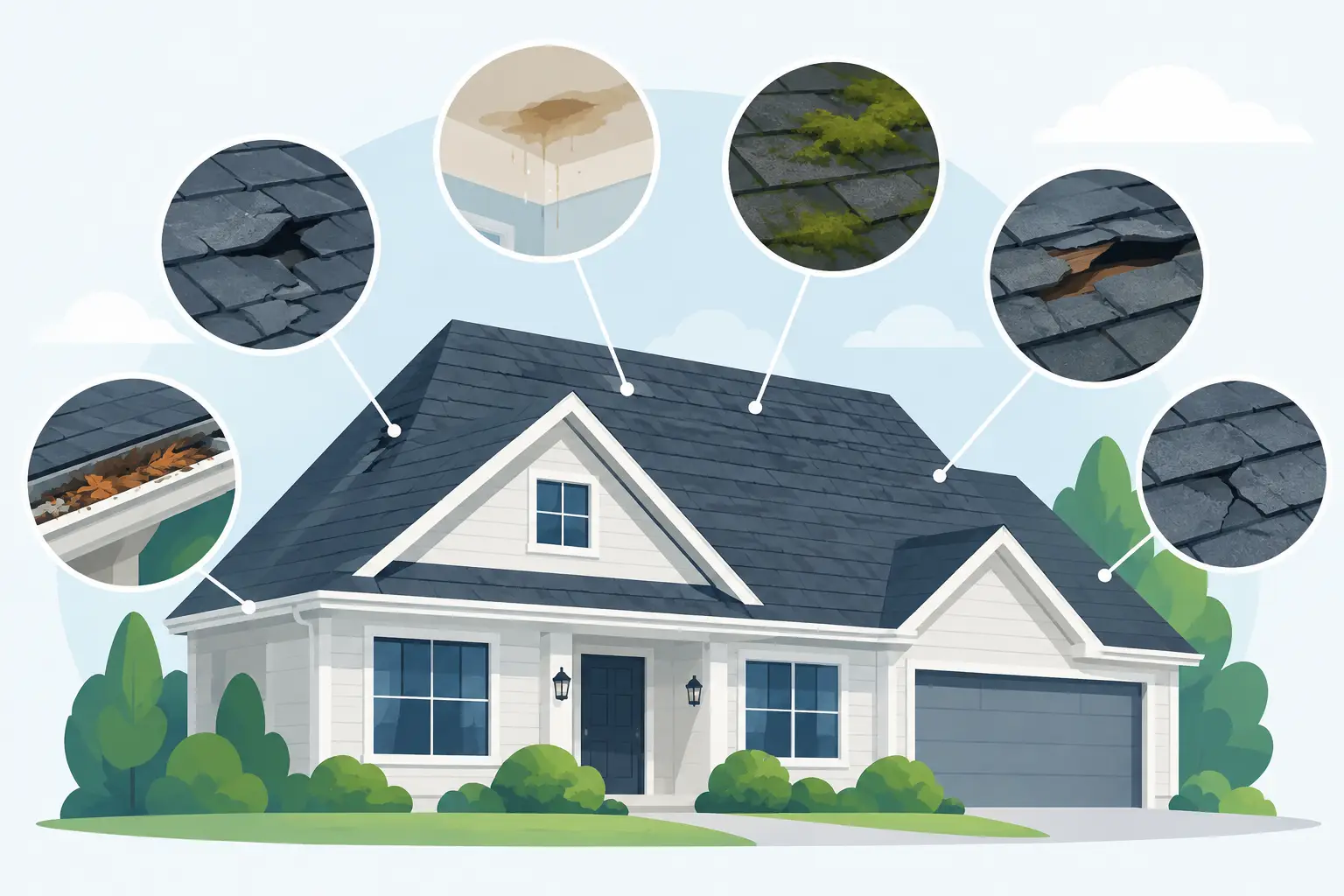
Structural repairs also deserve careful attention. Rotting decking can sometimes be replaced as part of normal roof repair, but damaged rafters, trusses, beams, or load-bearing elements are a different matter. Cutting, reinforcing, or replacing structural members without proper review can create safety concerns and complicate future insurance claims or property sales.
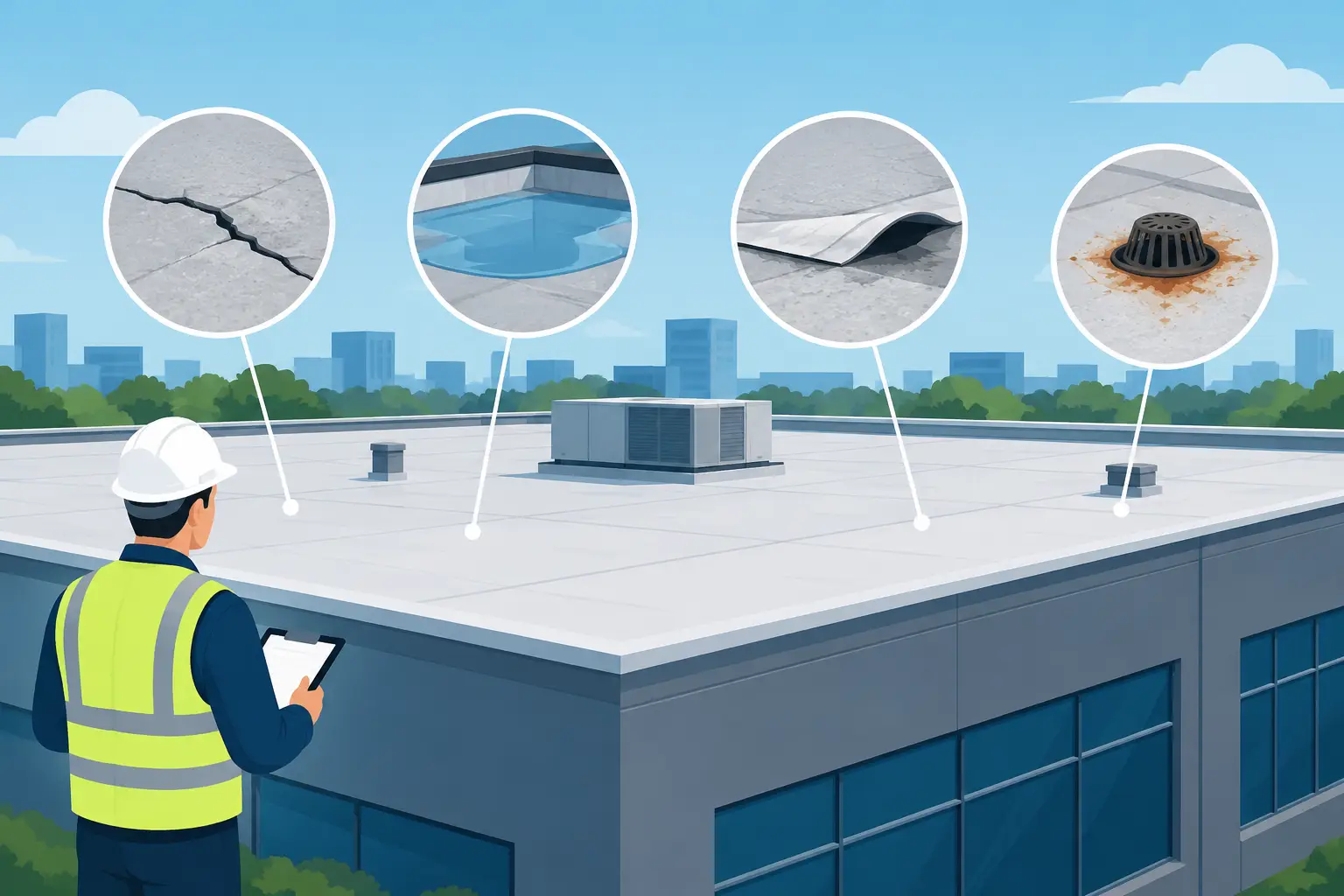
Commercial properties may have additional considerations. A new rooftop unit, revised drainage layout, replacement of a roof deck, alterations to parapets, or a major roof assembly upgrade may require permits or supporting documentation. Flat-roof work must also account for drainage, insulation, fire performance, access, and the load imposed by equipment or snow accumulation.
Solar installations, roof decks, skylight openings, and mechanical penetrations should never be treated as a simple add-on to a reroof. Each can affect structural loading, waterproofing, electrical work, or life-safety requirements. Planning them with the roofing scope is far more effective than opening a newly installed roof later.
Heritage and Special Property Considerations
Toronto has many heritage-designated buildings and properties located within heritage conservation districts. Exterior work on these properties may need heritage approval, even when the roofing work appears routine. Material selection, roof profile, color, trim, flashing details, and visible changes can all matter when preserving the building’s character.
This is one area where the lowest-price approach can become costly. Installing a modern material without confirming heritage requirements can lead to delays, rework, or an order to restore the roof to an approved appearance. Owners of older homes in established Toronto neighborhoods should verify the property’s status early, before committing to a material or installation date.
Condominium owners and commercial tenants also need to check their internal approval process. A building permit and a condo board approval are separate issues. Even a permit-exempt repair may require authorization from a property manager, board, landlord, or asset manager.
Permit-Exempt Does Not Mean Risk-Free
A permit exemption is not a waiver from quality, safety, or code-conscious workmanship. Every roof replacement still needs the right materials, ventilation strategy, flashing details, drainage, fastening methods, and installation practices for the building.
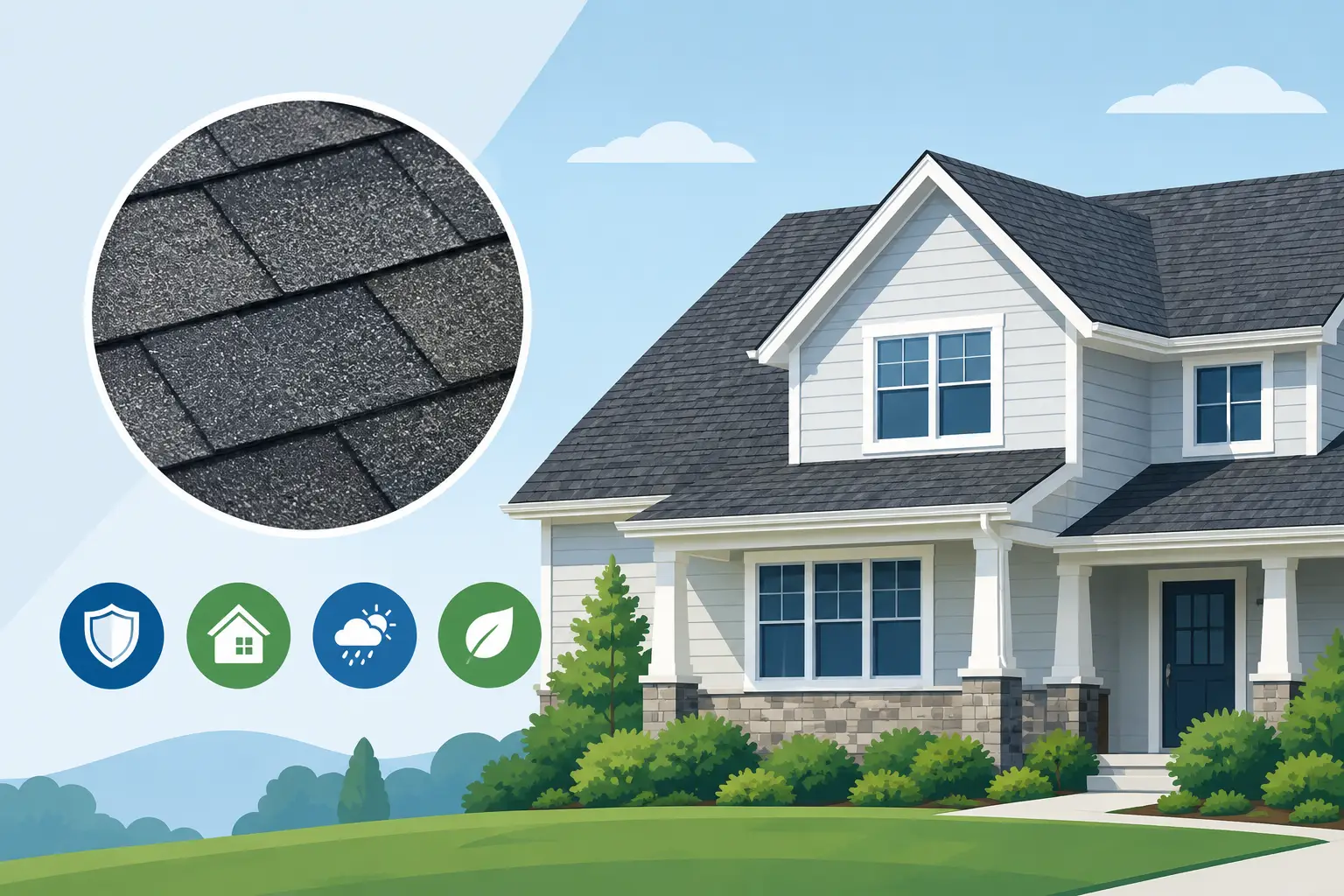
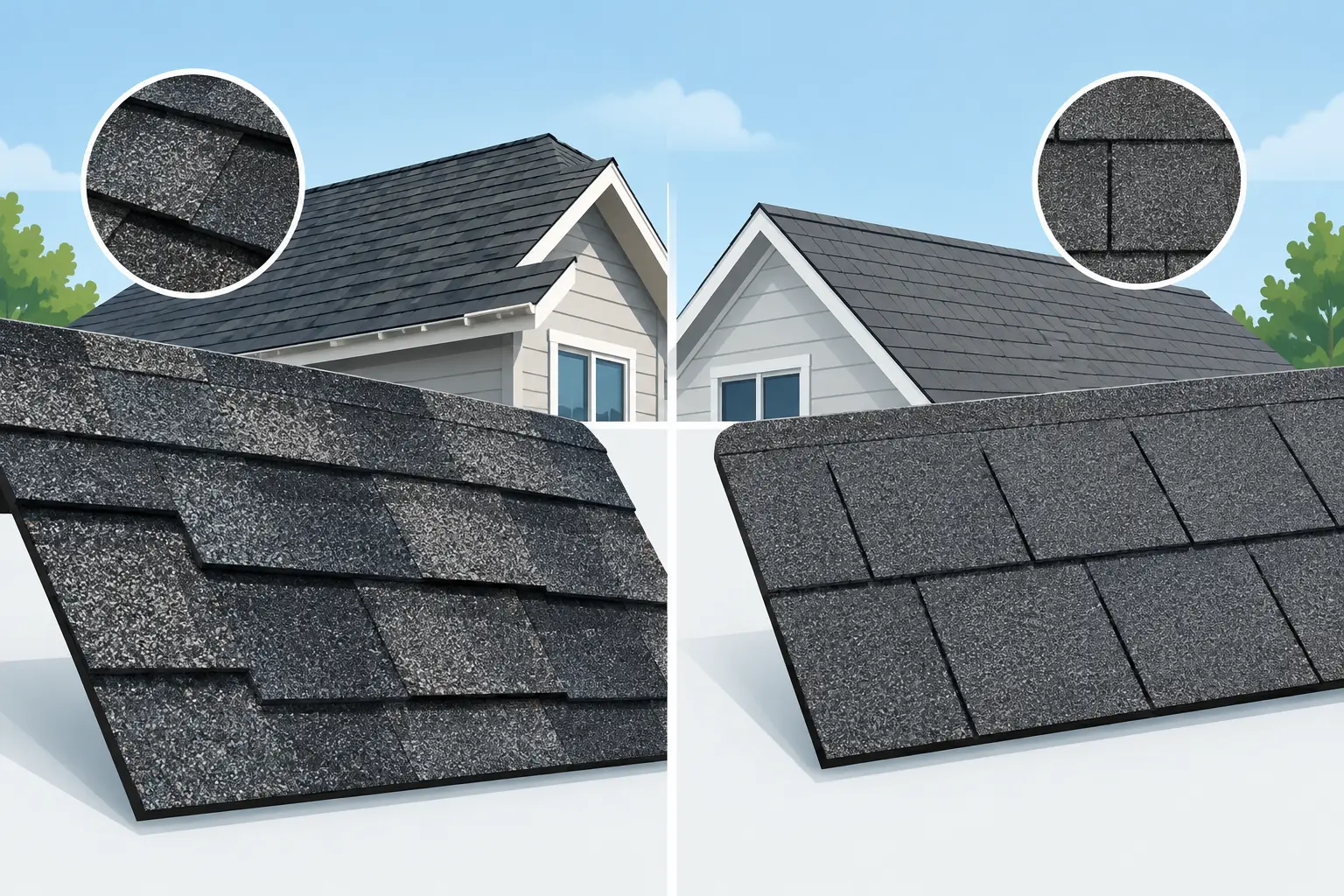
For residential sloped roofs, the visible shingles are only one part of the system. Ice and water protection, underlayment, starter courses, valley details, pipe flashings, chimney flashing, attic ventilation, and edge metal all influence how the roof performs through Toronto’s freeze-thaw cycles, wind, rain, and snow.
On low-slope commercial roofs, details around drains, curbs, parapet walls, expansion joints, and penetrations are equally critical. A membrane can look clean from the ground while hiding poor drainage or weak seam work that shortens the system’s service life.
Working at Heights compliance also remains essential, whether or not a permit is involved. A qualified roofing contractor should have trained installers, safe access procedures, proper fall protection, and direct oversight of the crew performing the work. These are not optional extras. They are part of responsible roofing operations.
Why Scope Documentation Matters
Before a project begins, get a detailed written scope that states what will be removed, repaired, replaced, and installed. It should identify the roof system, the planned materials, the flashing work, ventilation or insulation changes, disposal, site protection, and warranty coverage. If structural damage is discovered after tear-off, the contractor should explain the condition, provide options, and document any change in scope before proceeding.
This documentation is especially valuable for property managers and commercial owners. It creates a clear record of the asset work performed, helps with future maintenance planning, and gives decision-makers confidence that the roof was handled professionally.
It also prevents misunderstandings around permits. A contractor should not casually promise that a permit is unnecessary without reviewing the project. At the same time, an honest contractor should not use permits as a vague reason to inflate the scope. The right approach is to assess the building, identify the work that may trigger approval, and explain the next steps clearly.
How a Professional Roofer Helps
An experienced roofing team starts with an on-site consultation, not assumptions based on a photo or a quick measurement. The assessment should consider the existing roof condition, visible structural concerns, drainage, ventilation, roof access, neighboring properties, and the owner’s planned improvements.
If the project appears permit-exempt, the contractor can proceed with a clear work plan centered on proper installation and manufacturer requirements. If the work may require approval, the owner can pause before construction, gather the necessary drawings or information, and avoid having a partially completed roof waiting on a decision.
For larger replacement projects, a detailed estimate should distinguish between standard reroofing work and potential concealed-condition repairs. That level of clarity is part of accountable workmanship. It gives owners a realistic budget and gives the roofing crew a defined standard to meet.
Toronto Roofers approaches roofing work with trained installers, Working at Heights safety practices, direct project oversight, and materials installed according to established manufacturer standards. Whether a project is a focused repair or a full replacement, the goal is the same: protect the building with a roof system that is properly planned and properly installed.
Questions to Ask Before Scheduling Work
Before choosing a roofing contractor, ask whether the proposed work changes the roof structure, roofline, drainage, or use of the building. Ask whether the property has heritage restrictions, whether a condo or property manager needs to approve the work, and whether other trades will create roof penetrations.
You should also ask who will be on site, how safety will be managed, what happens if concealed damage is found, and what workmanship and manufacturer warranty coverage applies. Clear answers to these questions often reveal the difference between a simple estimate and a professionally managed roofing project.
A roof does not need a permit to deserve careful planning. Confirm the scope, document the work, and choose a contractor prepared to protect the building long after the last shingle or membrane section is installed.