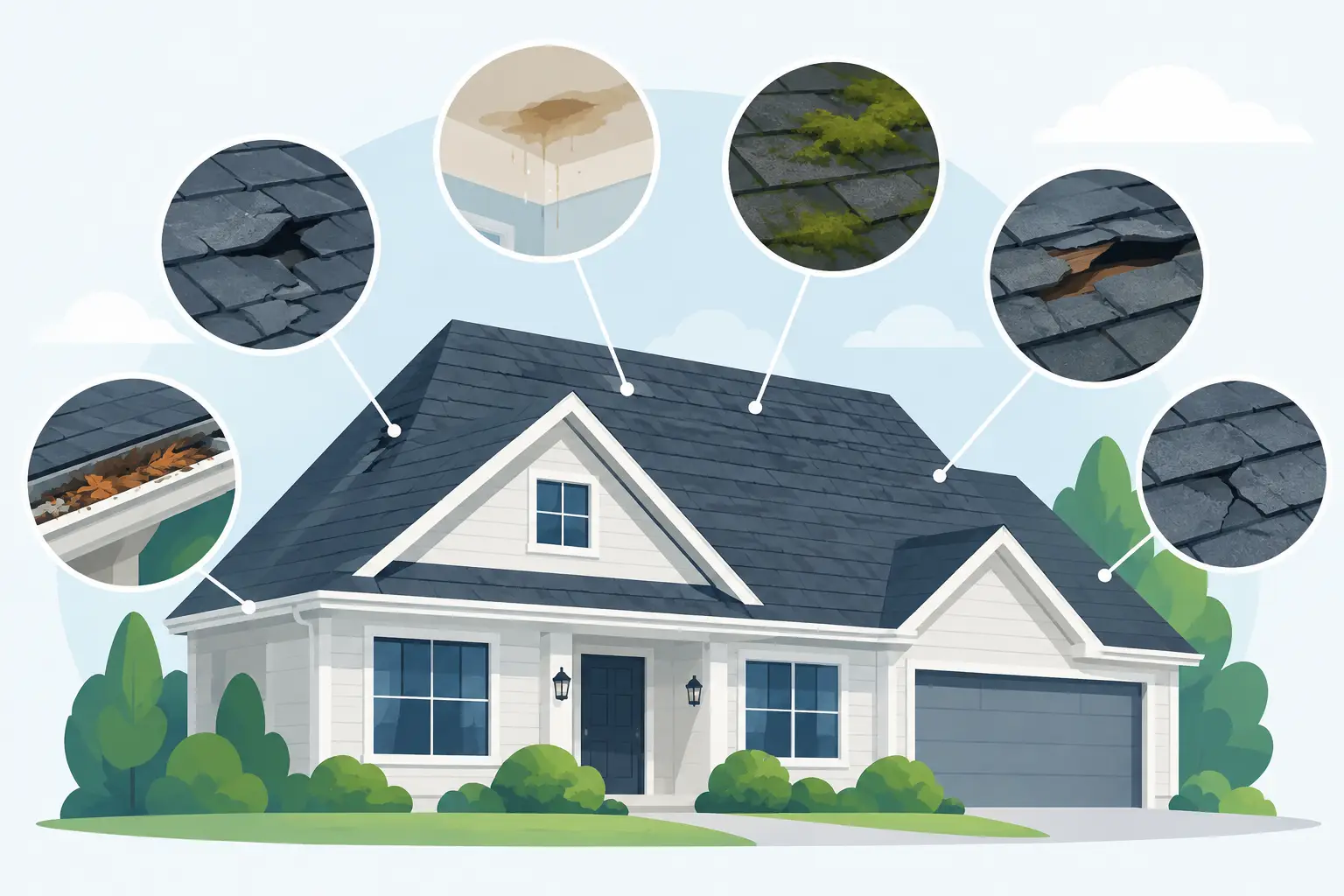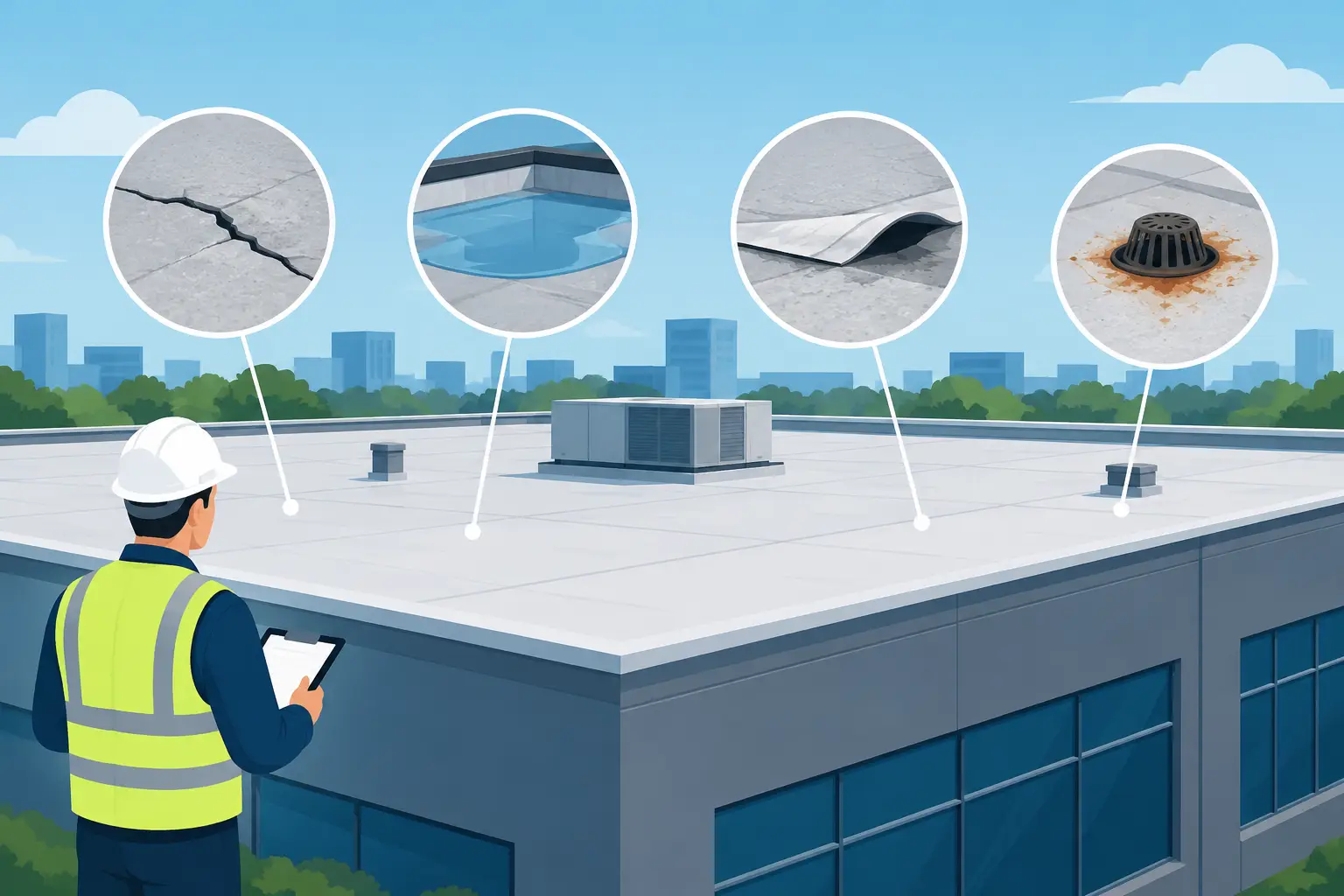

A commercial roof rarely fails without warning. Ponding water, open seams, deteriorated flashing, membrane shrinkage, and blocked drains often appear long before a leak reaches occupied space. The problem is that these conditions are easy to miss when a roof is treated as an expense that only deserves attention after something goes wrong. Commercial roof asset management gives property owners and managers a disciplined way to protect one of the building’s most valuable systems.
For commercial properties in Toronto and the surrounding area, that discipline matters. Freeze-thaw cycles, wind, heavy rain, snow loads, and summer heat all place demands on low-slope and steep-slope roofing systems. A planned approach helps reduce emergency repairs, supports accurate capital budgeting, and gives building decision-makers clear records when they need to justify repair or replacement work.
What Commercial Roof Asset Management Means
Commercial roof asset management is the process of tracking a roof system’s condition, maintenance history, repair needs, expected service life, and replacement cost. It turns roofing from a reactive maintenance item into a managed capital asset.
A useful roof asset plan begins with facts, not assumptions. That includes the roof type, installation date, square footage, drainage layout, previous repairs, warranty status, known deficiencies, and the condition of related components such as curbs, flashings, expansion joints, skylights, and rooftop equipment supports.
The goal is not to avoid replacement at all costs. Every roof has a service-life limit. The goal is to make replacement a planned business decision rather than an urgent response to leaks, interior damage, tenant complaints, or operational disruption.
Why a Reactive Roofing Strategy Costs More
Emergency roof work usually costs more because the contractor must respond quickly, diagnose the issue under poor conditions, and make decisions around immediate access and weather limitations. More significantly, the visible leak may be only part of the problem. Water can travel beneath a membrane or through insulation before it appears inside the building.
A leak can affect ceiling finishes, inventory, electrical equipment, insulation, and indoor operations. For retail, industrial, medical, and multi-unit properties, the cost of disruption may exceed the cost of the roof repair itself.
Reactive work also creates a budgeting problem. If the only plan is to address failures as they appear, maintenance costs become unpredictable. Property teams may defer work because the full condition of the roof is unclear, then face a large unplanned replacement when deterioration advances too far.
A managed roof program does not eliminate repairs. It identifies which repairs are worthwhile, which conditions need monitoring, and when continued repair is no longer the responsible financial choice.
Start With a Professional Roof Condition Assessment
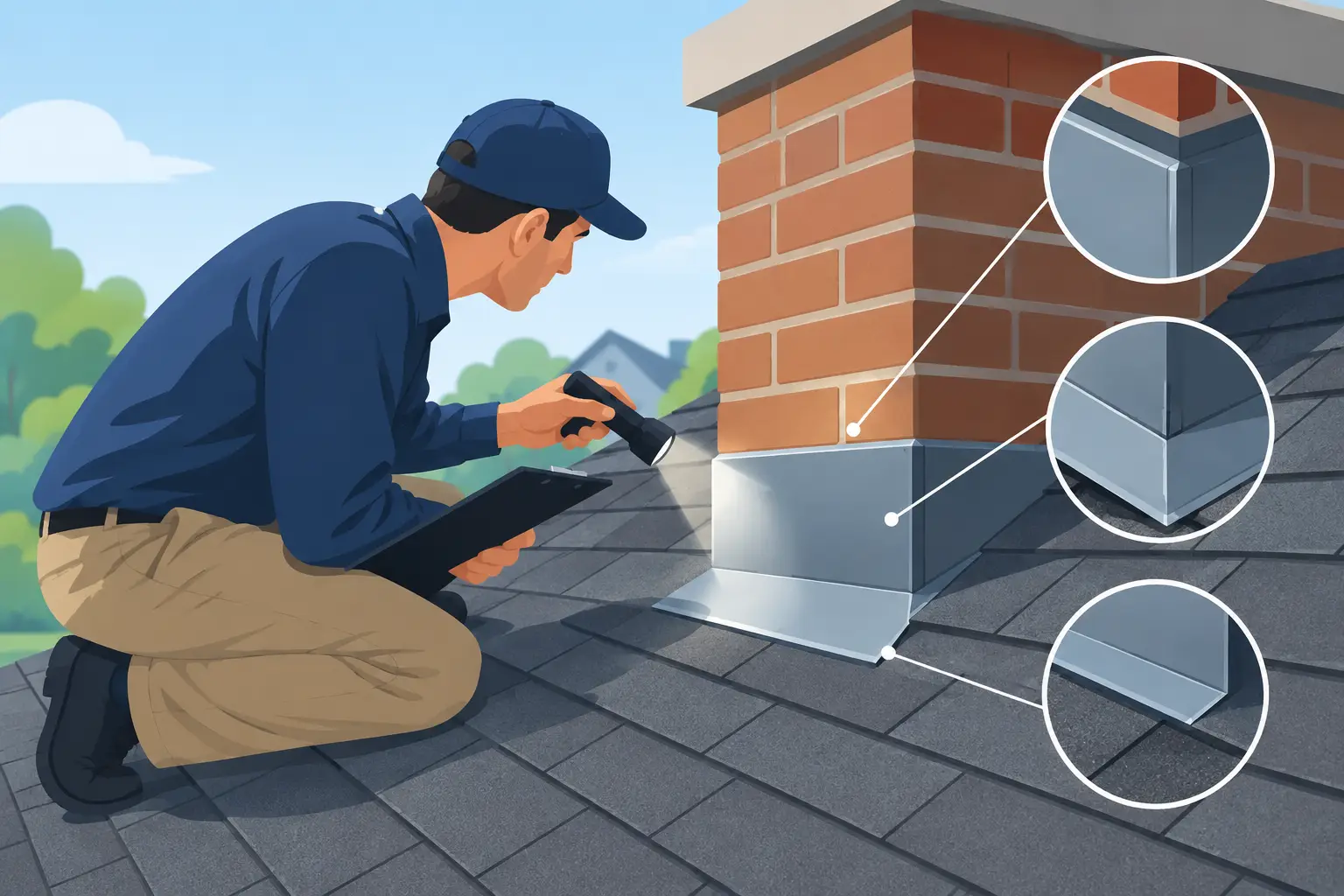
The foundation of commercial roof asset management is a documented inspection performed by qualified roofing professionals. A proper assessment is more than a quick walk around the perimeter. It should review the membrane or covering, seams, flashings, drainage, penetrations, edge metal, rooftop units, visible structural concerns, and signs of moisture intrusion.
The assessment should also consider the roof’s history. A roof with several isolated, properly completed repairs may still have years of useful service remaining. A roof with repeated leaks in multiple areas, failing details, widespread surface deterioration, and wet insulation may be nearing the point where replacement is more cost-effective.
Documentation is essential. Clear photographs, marked roof plans, written observations, and prioritized recommendations create a record that can be compared from year to year. This prevents the common problem of relying on memory after building staff, tenants, or contractors change.
Condition Is More Important Than Age Alone
Roof age is useful, but it is not a complete replacement forecast. Installation quality, material type, ventilation, drainage design, foot traffic, prior repairs, and maintenance all influence performance. Two roofs installed in the same year can have very different remaining service lives.
A well-installed roof with consistent maintenance may justify targeted repairs and ongoing monitoring. Conversely, a newer roof with chronic ponding water, damaged flashings, or poor installation details may need significant corrective work. Decisions should be based on observed condition, not a calendar date alone.
Build a Maintenance Plan Around the Roof System
Once the roof condition is understood, establish a maintenance schedule suited to the property. Most commercial roofs benefit from inspections at least twice a year, commonly in spring and fall, as well as after significant storms or major rooftop work.
Routine visits focus on preventing small issues from growing. Drains and scuppers should be clear. Debris should be removed. Flashings should be checked for separation. Sealants around penetrations should be evaluated before they crack or pull away. Areas exposed to frequent service traffic may need walk pads or additional protection.
Maintenance also requires coordination with other trades. HVAC technicians, satellite installers, electricians, and maintenance crews can unintentionally damage a roof membrane or compromise a penetration. Property managers should require rooftop access procedures and ensure any work affecting the roof is documented. A small unsealed opening left by another contractor can become a costly leak during the next storm.
Prioritize Repairs by Risk, Not Appearance
Not every deficiency has the same urgency. A sound asset management plan ranks findings according to their risk to the building and the likelihood of escalation. Active leaks, open seams, damaged flashings at mechanical curbs, blocked drainage, and areas of ponding water typically deserve immediate attention.
Other conditions may be scheduled within a maintenance cycle. Minor surface wear, isolated coating loss, or aging sealant may not require emergency service, but they should not be ignored. A qualified contractor can explain the difference between a monitor-only condition, a planned repair, and a replacement-level concern.
This prioritization helps ownership spend funds where they have the greatest impact. It also supports transparent communication with stakeholders. Instead of presenting a vague request for roof work, a manager can show the condition, risk, recommended timing, and expected cost of each item.
Plan Capital Replacement Before the Roof Fails
A long-term roof asset plan should include a replacement forecast, even when the roof is currently performing well. Replacement planning gives owners time to compare system options, schedule work around tenant needs, coordinate rooftop equipment changes, and prepare capital reserves.
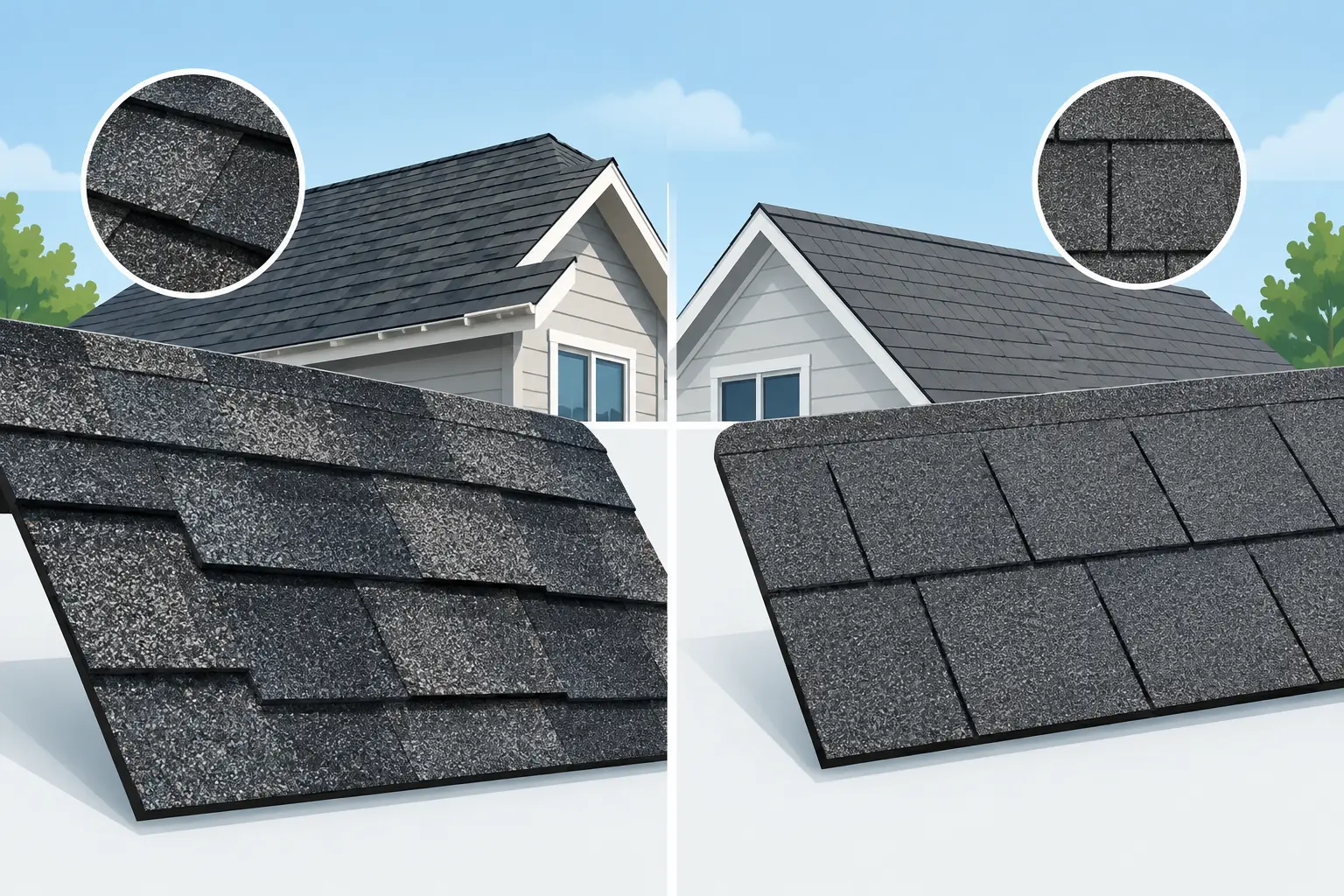
The right replacement system depends on the building. A flat commercial roof may require a different approach than a sloped roof over an office, retail center, or multi-residential property. Drainage, insulation requirements, roof access, energy goals, equipment loads, and warranty expectations all affect the specification.
Price matters, but the lowest initial proposal is not always the lowest lifecycle cost. A roofing system should be evaluated alongside installation quality, detail work, manufacturer requirements, maintenance needs, anticipated service life, and warranty coverage. The contractor’s ability to provide trained installers, safe work practices, direct site oversight, and detailed documentation is equally important.
Keep Warranty Requirements in View
Manufacturer warranties can provide valuable protection, but they do not replace maintenance. Many warranties have specific requirements related to installation, authorized repairs, rooftop alterations, and routine care. Work completed by unqualified parties can create coverage problems.
Keep warranty documents, inspection reports, repair invoices, and photographs in one accessible property file. When an issue arises, good records help establish what was observed, what work was completed, and whether the roof has been maintained according to requirements.
Choose a Roofing Partner Who Documents the Work
Roof asset management depends on reliable information. A commercial roofing contractor should provide detailed estimates, explain the scope of repairs clearly, document completed work, and communicate practical recommendations without pushing unnecessary replacement.
Look for a contractor with trained in-house crews, current safety compliance, manufacturer-recognized qualifications, and experience working around occupied commercial buildings. Working at Heights training and disciplined jobsite procedures are particularly relevant where tenant safety, public access, and rooftop equipment create added risks.
Toronto Roofers approaches commercial roof work with direct oversight, detailed assessments, and workmanship-focused recommendations. Whether the immediate need is maintenance, leak repair, or replacement planning, the purpose is to help property teams make decisions based on the actual condition of the roof.
A roof plan is most valuable before the next leak report arrives. Start with a documented inspection, keep the records current, and address small defects while they are still small. That simple discipline protects the building, the budget, and the people who rely on both.