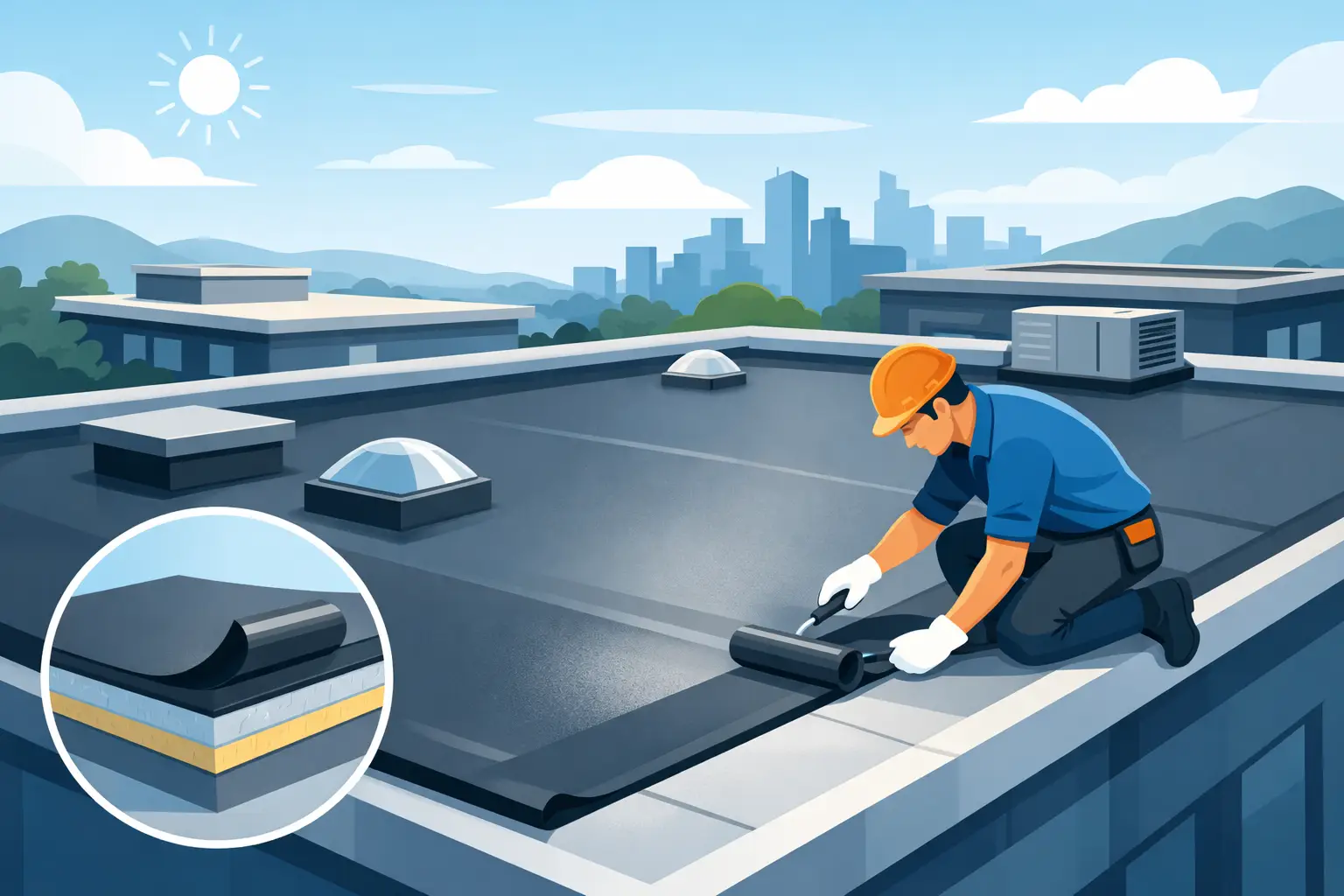
A low-slope roof has very little margin for error. Water moves slowly, seams carry significant responsibility, and a small flashing failure can lead to costly interior damage. EPDM roofing is a proven option for many residential and commercial low-slope roofs because it provides durable waterproofing, flexibility in changing temperatures, and a long service life when installed correctly.
For property owners, the material itself is only part of the decision. Roof design, drainage, insulation, penetrations, edge details, and installer experience all affect whether an EPDM system performs as intended. A qualified contractor should assess the entire roof assembly before recommending a repair, restoration, or replacement.
What Is EPDM Roofing?
EPDM stands for ეთylene propylene diene monomer, a synthetic rubber membrane used primarily on low-slope and flat roofing systems. It is commonly available in large sheets, which helps reduce the number of field seams across the roof surface. Most EPDM membranes are black, although white-coated and lighter reflective options are also available for projects with specific energy or appearance requirements.
The membrane is typically installed in one of three ways: fully adhered with bonding adhesive, mechanically attached with fasteners, or ballasted beneath stone. The right method depends on the building, roof deck, wind exposure, drainage plan, insulation assembly, and local code requirements. Ballasted systems, for example, add substantial roof weight and are not appropriate for every structure.
EPDM has been used on commercial buildings for decades, but it can also be a strong choice for residential additions, garages, porches, apartment buildings, and homes with low-slope roof sections. Its value comes from its practical performance rather than appearance alone.
Why Property Owners Choose EPDM Roofing
EPDM performs well in climates that experience temperature swings. Rubber remains flexible in cold conditions and can accommodate normal building movement better than some more rigid roofing materials. That flexibility matters in areas such as Toronto, where winter cold, summer heat, snow loads, rain, and freeze-thaw cycles put steady pressure on roof assemblies.
A properly specified EPDM membrane also offers reliable resistance to moisture, ozone, and ultraviolet exposure. The material is not immune to damage, but it is designed for long-term exterior use. Large membrane sheets can limit seam count, and fewer seams generally mean fewer locations that require ongoing attention.
Maintenance is another reason EPDM remains popular. A roof still needs regular inspections, drain clearing, and timely repairs around flashings or penetrations. However, EPDM does not require the same type of coating maintenance as some other low-slope systems unless a coating is part of the specified assembly. When issues are caught early, many punctures and seam concerns can be repaired without replacing the entire roof.
Cost can be favorable as well. EPDM is often a cost-effective membrane option compared with some premium single-ply systems. The final price will depend on membrane thickness, roof access, tear-off requirements, insulation needs, perimeter detailing, skylights, HVAC units, drainage upgrades, and the complexity of flashing work. An honest estimate should identify those conditions clearly rather than presenting one oversimplified number.
The Installation Details That Determine Performance
A roof membrane cannot compensate for a poorly prepared substrate. Before installation, the contractor must evaluate the deck, identify wet insulation or deteriorated materials, confirm drainage conditions, and plan the flashing transitions. Installing a new membrane over trapped moisture or unstable materials may reduce the life of the roof and create future service problems.
Seams require particular care. EPDM seams are joined using approved tapes or adhesives, and their performance depends on surface preparation, primer use, pressure, temperature, and workmanship. A seam that appears acceptable on installation day can become a leak point if it was contaminated, improperly rolled, or installed outside manufacturer requirements.
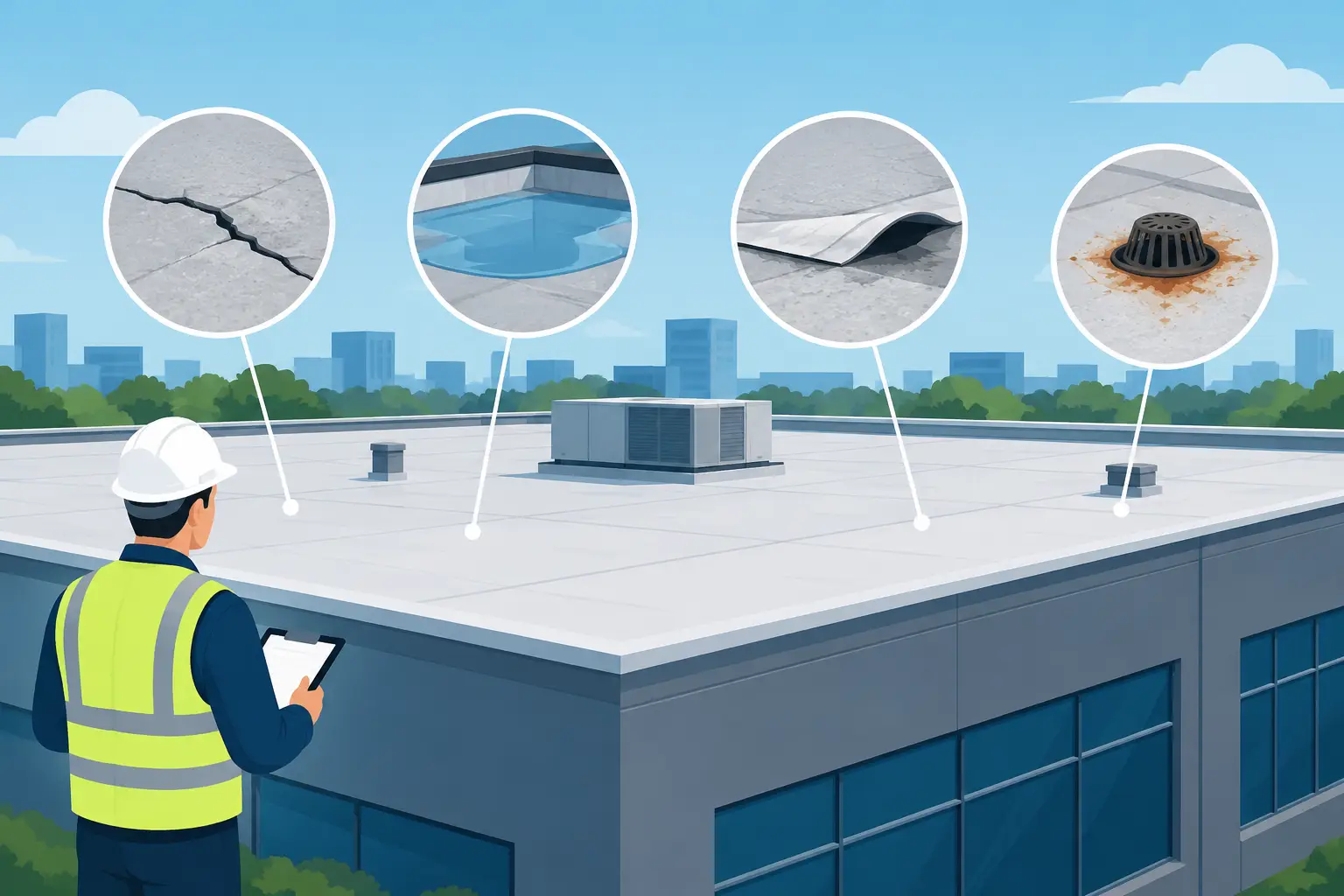
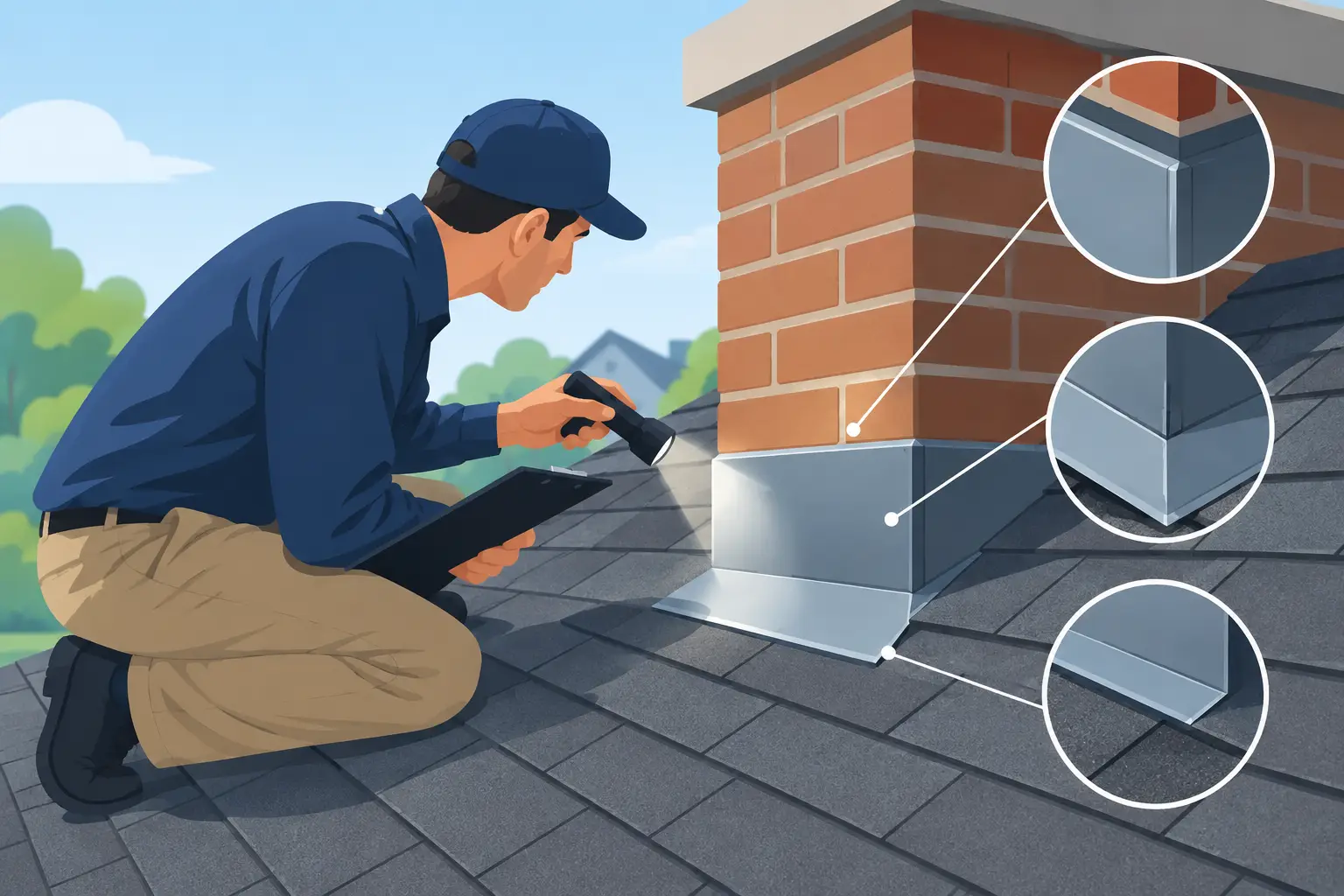
Flashing details are equally important. Roof drains, parapet walls, curbs, pipes, vents, scuppers, and edge metal interrupt the flat membrane surface. These are common locations for water entry because they involve transitions between materials and changes in plane. Skilled installers use compatible flashing products and follow manufacturer specifications at every penetration and perimeter.
Drainage should never be treated as an afterthought. EPDM can tolerate ponding water better than some roofing materials, but standing water still increases stress on seams, flashing, drains, and the supporting roof structure. If a roof has persistent ponding, the solution may involve correcting drainage, adding tapered insulation, adjusting scuppers, or addressing structural slope issues before the new system is installed.
Is EPDM the Best Choice for Every Low-Slope Roof?
No roofing material is right for every building. EPDM is an excellent candidate when the priority is a proven, flexible, durable membrane system with dependable waterproofing performance. It is especially well suited to broad, low-slope surfaces where a dark membrane is acceptable and the roof assembly can be properly detailed.
A black EPDM surface absorbs heat, which may be a consideration for buildings seeking higher solar reflectivity or lower rooftop temperatures. In those cases, a white TPO or PVC membrane may deserve consideration. Those systems have different seam-welding methods, reflectivity characteristics, and cost profiles. The best choice depends on the building’s use, insulation design, budget, expected traffic, and long-term maintenance plan.
Foot traffic also deserves discussion. EPDM can be punctured by sharp objects, dropped tools, or repeated service traffic around mechanical equipment. Where technicians frequently access HVAC units or other rooftop equipment, designated walkway pads and careful traffic planning can help protect the membrane. A professional assessment should account for how the roof will actually be used after installation.
For a small residential low-slope section, the decision may also come down to integration with the surrounding roof. The membrane must tie into walls, shingles, gutters, skylights, and transitions without creating water traps. A contractor should explain how those connections will be handled before work begins.
Repair, Replacement, and Maintenance Considerations
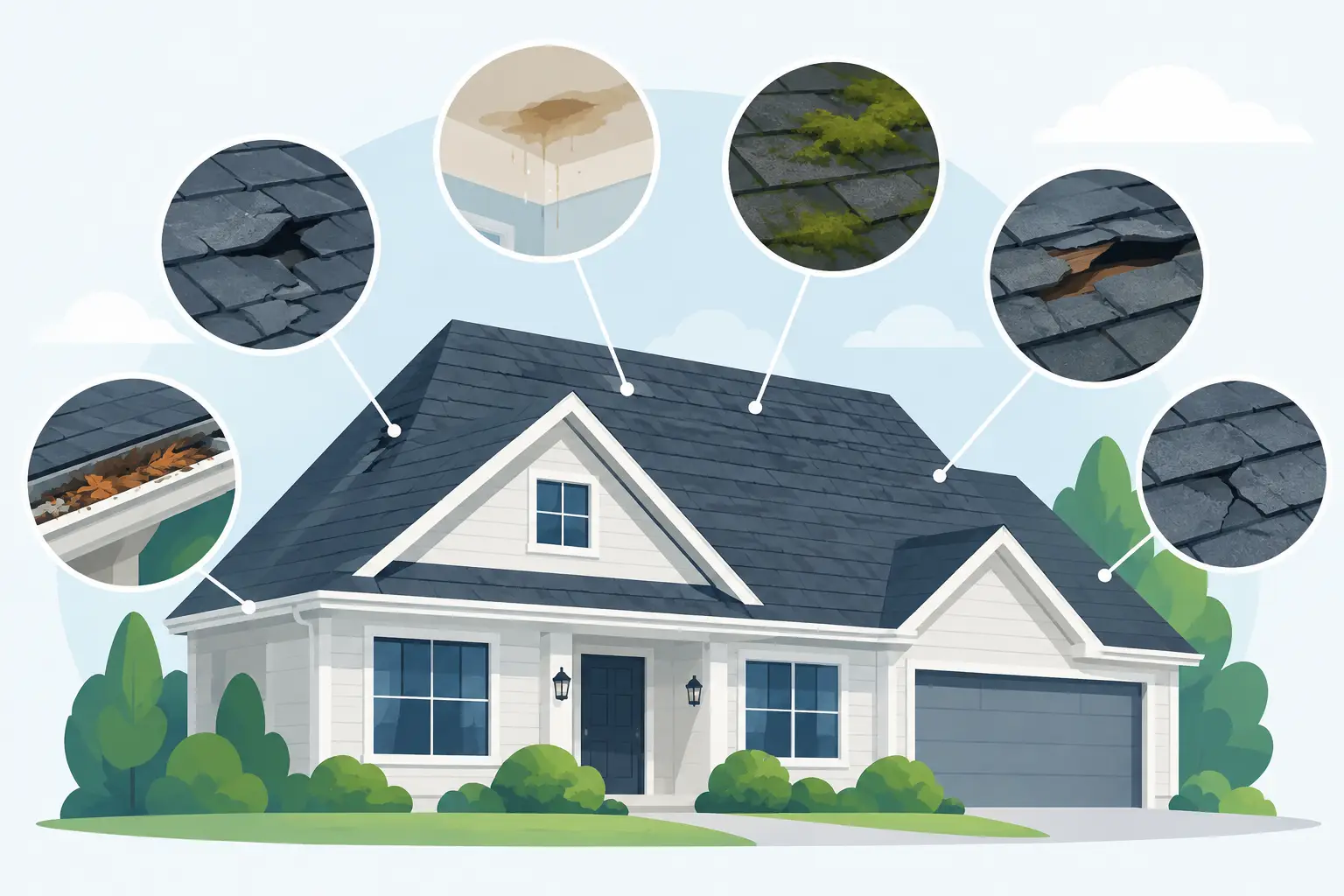
Not every EPDM roof needs replacement when a leak appears. Many leaks originate at a drain, seam, flashing detail, or penetration rather than from widespread membrane failure. A targeted repair may be appropriate if the membrane remains in good condition, the insulation is dry, and the roof has useful service life remaining.
Replacement becomes more likely when there are recurring leaks in several areas, extensive seam deterioration, widespread cracking, saturated insulation, membrane shrinkage, or significant drainage problems. Repeated patching can become more expensive than a planned replacement if the underlying roof assembly has reached the end of its serviceable life.
Routine maintenance protects the investment. Property owners should arrange periodic roof inspections, especially after severe weather and before winter. Drains and scuppers should remain clear, rooftop debris should be removed, and any loose flashing or visible damage should be addressed promptly. Maintenance records are also valuable when evaluating warranty coverage and planning future capital work.
Choosing an EPDM Roofing Contractor
EPDM installation is detail-driven work. The contractor should be able to explain the proposed membrane thickness, attachment method, insulation approach, drainage plan, flashing details, and warranty options in plain language. They should also provide a detailed estimate that identifies what is included, what conditions could affect the scope, and how site protection and cleanup will be managed.
Training, safety compliance, and direct accountability matter on every roofing project. Toronto Roofers uses trained in-house roofing specialists and maintains a hands-on approach to project oversight, from on-site consultation through final workmanship review. For low-slope work, that level of control helps ensure that seams, flashings, and drainage details receive the attention they require.
Before approving a project, ask whether the existing roof will be inspected for trapped moisture, how penetrations will be flashed, whether drainage concerns have been addressed, and what maintenance the completed system will need. Clear answers at this stage are often the best indicator of a properly planned roof replacement.
A well-installed EPDM roof is not simply a sheet of rubber over a building. It is a complete waterproofing system that protects the structure below it. The right next step is a professional roof assessment that identifies the condition of your existing assembly and recommends a solution built for the way your property performs year after year.