
A roofing estimate can look reassuringly simple: one contractor is lower, another is higher, and both say they will install a new roof. That is exactly why homeowners and property managers need to know how to compare roofing quotes beyond the bottom-line number. A low price may reflect a genuine efficiency advantage, but it can also leave out tear-off work, underlayment, flashing, ventilation, cleanup, permits, or the labor needed to correct concealed damage.
A roof is a system, not a stack of shingles. The quote you choose should show that the contractor understands every part of that system and is prepared to stand behind the work.
Start by Comparing the Scope of Work
The first question is not, “Which quote costs less?” It is, “Are these contractors pricing the same project?” Place the estimates side by side and read the scope line by line. If one quote is vague while another identifies the roof areas, materials, installation steps, and exclusions, the detailed quote gives you a much clearer basis for a decision.
A complete residential replacement estimate should state whether existing roofing will be removed and how many layers are included. It should explain what happens to old materials, whether disposal is included, and how the crew will protect landscaping, siding, driveways, and surrounding areas during the work. For commercial properties, the scope should also identify the roof sections involved, the existing assembly, drainage details, access requirements, and how occupied spaces will be protected.
Do not assume that a phrase such as “complete roof replacement” means every necessary component is included. Ask directly about roof deck repairs, chimney flashing, skylight flashing, wall transitions, eaves, valleys, pipe penetrations, and ventilation. These details are where roof systems often fail, and they can materially change the final project cost.
How to Compare Roofing Quotes Line by Line
A useful quote identifies the materials by product type, manufacturer, and, when applicable, specific product line. “Architectural shingles” is more informative than “shingles,” but it is still not enough if the brand, color, warranty level, and accessory components are unclear.
Look for the full assembly, not just the visible roof covering. On a sloped roof, this commonly includes starter shingles, field shingles, ridge cap shingles, ice and water protection, synthetic or felt underlayment, drip edge, flashing, ventilation materials, and fasteners. A contractor who prices a complete system is not necessarily more expensive. They may simply be pricing the work correctly.
For flat or low-slope commercial roofs, compare membrane thickness, insulation type and thickness, attachment method, edge metal, drains or scuppers, flashing details, and manufacturer-approved components. A lower bid using a thinner membrane or fewer insulation upgrades may look attractive now while providing a shorter service life or weaker protection against water intrusion.
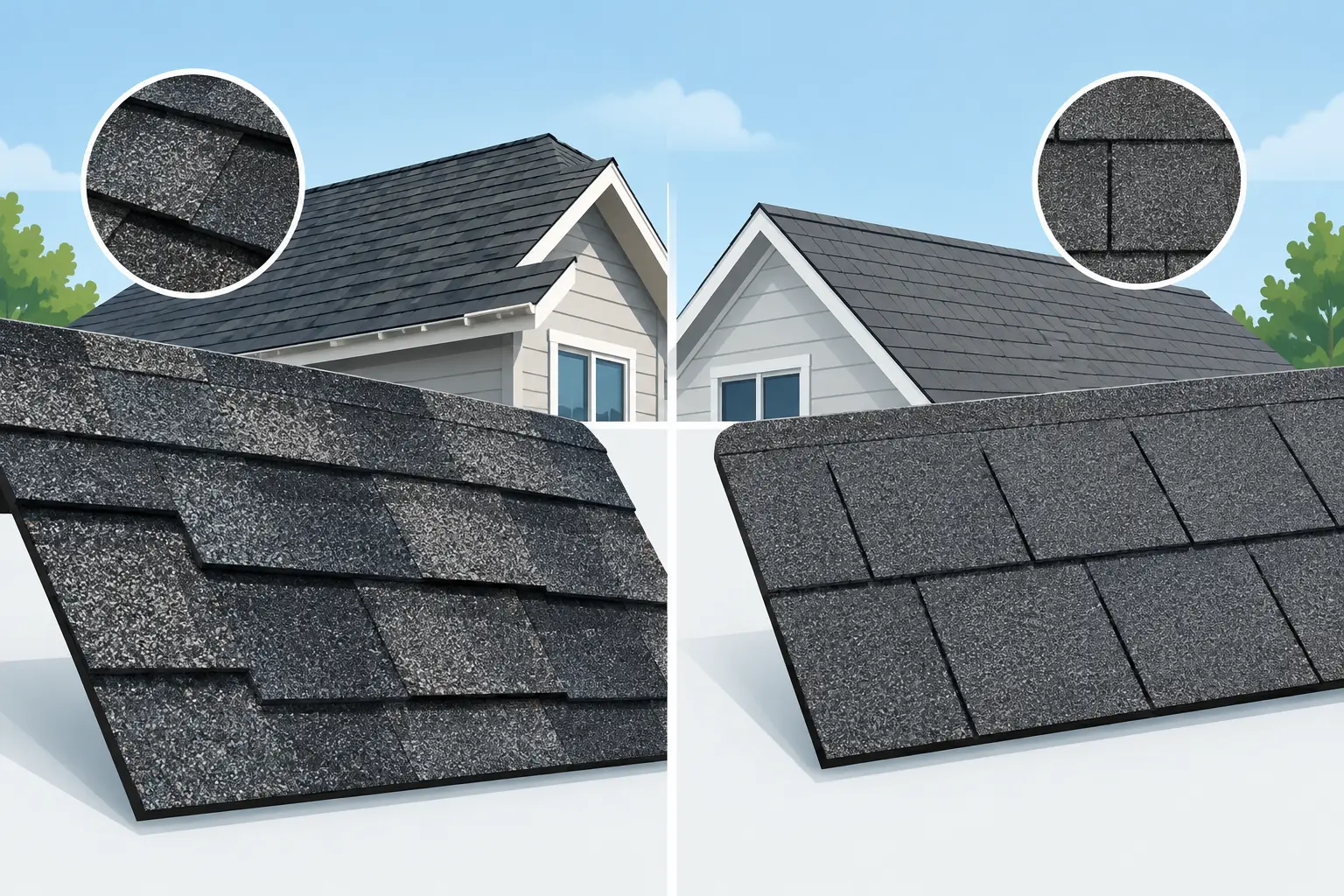
If the estimates use different products, ask each contractor to explain the practical difference. The best choice depends on roof design, exposure, budget, expected ownership period, and warranty requirements. There is no single material that is right for every Toronto property.
Watch for allowances and exclusions
An allowance is a placeholder amount for work that cannot be fully measured before the roof is opened. Decking replacement is a common example. Allowances are not automatically a red flag, because hidden wood damage cannot always be confirmed from the ground. The concern is an estimate that uses broad allowances without explaining the unit price or approval process.
Ask how additional work will be documented. A professional contractor should explain the cost per sheet of deck replacement, per linear foot of flashing, or for other foreseeable repairs. They should also state that you will be notified before extra work proceeds, except where immediate action is required to keep the structure safe and weather-tight.
Read exclusions just as carefully. A quote may exclude permit fees, rotten fascia, interior repairs, structural work, mold remediation, or electrical changes related to ventilation. Knowing these limits in advance prevents a low quote from becoming a frustrating surprise.
Check Measurements and Roof Complexity
Roofing is commonly priced by squares, with one square equal to 100 square feet of roof area. Two quotes for the same home should not have dramatically different measurements without a reason. One contractor may have missed a roof plane, underestimated waste, or used a different method for measuring steep slopes and complex cutups.
Complex roofs require more labor and material. Dormers, valleys, hips, multiple levels, steep pitches, chimneys, skylights, and difficult site access all affect cost. A quote that accounts for these conditions is usually more reliable than one that treats every roof as a simple rectangle.
Ask the estimator how measurements were obtained and whether the roof was inspected in person. Satellite measurements can be useful, but an on-site consultation remains valuable because it allows the contractor to assess access, flashing conditions, ventilation, drainage, and visible signs of deck movement or water damage.
Separate Price From Long-Term Value
Price matters. It should. But a roofing decision is better evaluated as total value over the expected life of the roof, not only as the invoice amount on installation day.
A quote that costs more may include certified installation, better underlayment, upgraded flashing, a stronger manufacturer warranty, trained in-house installers, and a clear workmanship warranty. Those details can reduce the likelihood of leaks, premature deterioration, and costly repair calls later. On the other hand, paying more is not proof of quality. The higher-priced contractor should be able to explain precisely what you receive for the difference.
Be cautious when one proposal is far below the others. It may be a contractor with lower overhead and a legitimate promotional price. It can also signal missing components, unqualified labor, inadequate insurance, poor safety practices, or a plan to recover costs through change orders. Ask for clarification rather than assuming the lowest bid is a bargain.
Verify Credentials, Safety, and Accountability
Your roof protects the building, the people inside it, and significant property value. The contractor’s qualifications deserve the same attention as the material selection.
Confirm that the company is properly insured and that its installers are trained for the work being performed. For projects in the Greater Toronto Area, Working at Heights compliance is particularly relevant. Ask who will supervise the crew, whether the company uses its own trained team or unmanaged subcontractors, and who is responsible if a problem appears after completion.
Manufacturer credentials can also be meaningful when they demonstrate ongoing training and allow access to enhanced warranty options. For example, a CertainTeed ROOFS on HOMES Master Shingle Applicator credential indicates training in the installation practices required for that roofing system. Credentials should support sound workmanship, not replace it, so still review the scope and ask practical questions.
A contractor should be comfortable providing a written agreement, proof of insurance, warranty terms, and a clear point of contact. Direct accountability matters most when weather delays, hidden damage, or post-installation questions arise.
Compare Warranties by What They Actually Cover
“Lifetime warranty” can sound definitive, but roofing warranties have conditions, coverage periods, transfer rules, and exclusions. Compare the manufacturer warranty separately from the contractor’s workmanship warranty. The manufacturer generally covers qualifying material defects. The workmanship warranty addresses installation-related issues, which are among the most common causes of early roof problems.
Ask how long workmanship is covered, what process applies if you report a leak, and whether the warranty is provided in writing. Also ask whether the quoted accessories are compatible with the warranty level being offered. Some enhanced manufacturer warranties require a complete system of specified components installed by an approved contractor.
For commercial projects, clarify whether inspections, maintenance requirements, and documentation are required to preserve warranty coverage. A longer warranty may have greater value, but only if the building owner can realistically meet its conditions.
Evaluate Communication Before You Sign
The estimating process is a preview of how the contractor will manage the job. Were your questions answered directly? Did the estimator inspect the property, explain the findings, and identify assumptions? Is the quote organized enough that you can see what is included?
Reliable roofers do not need to pressure you into signing immediately. They should give you enough information to make a responsible decision and be honest about scheduling, weather limitations, payment terms, and potential variables. Avoid contractors who demand unusually large upfront payments, refuse written details, or promise that no unforeseen conditions could ever affect the work.
At Toronto Roofers, detailed estimates and on-site consultation are part of building a project around the actual condition of the roof, not a generic price sheet. That approach helps property owners compare proposals fairly and understand the standard of work being offered.
Before choosing, request that each contractor address any differences you found in writing. A good roofing quote should leave you feeling informed, protected, and clear about the work ahead. The right decision is the contractor whose scope, materials, qualifications, warranty, and accountability make sense together – not simply the one with the smallest number at the bottom of the page.