
A roof can look finished from the street and still have installation errors hidden beneath the shingles, membrane, flashing, or vents. That is why trained roofing installers benefits go far beyond a cleaner job site. Proper training affects how a roof sheds water, handles wind, supports warranty coverage, and protects the building below it.
For homeowners and property managers, roofing is not a purchase to judge only by the lowest quote. Materials matter, but the people installing them determine whether those materials perform as intended. A qualified in-house crew brings process, accountability, and technical judgment to work that cannot be easily corrected once the roof is closed.
Why Trained Roofing Installers Benefits Matter
Every roofing system is a set of connected details. Shingles, underlayment, ice and water protection, flashing, ventilation, fasteners, drainage, and roof penetrations must work together. An error at one transition can direct water into the roof deck or wall assembly, even when the main field of the roof appears sound.
Trained installers understand manufacturer specifications and the practical reasons behind them. They know where flashing must extend, how to prepare a deck before materials are installed, when ventilation needs attention, and how local weather exposure changes the approach. In Toronto and surrounding areas, freeze-thaw cycles, wind, snow load, and ice dam risk make those details especially important.
Training also helps a crew recognize conditions that should not be covered up. Soft or deteriorated decking, damaged fascia, inadequate ventilation, or previous repair failures need to be addressed before new roofing materials go on. Ignoring those issues may reduce the initial price, but it can leave the owner with a new roof over an unresolved problem.
Better Installation Starts Below the Surface
The visible roofing material is only one layer of protection. Beneath it are components that manage moisture and create a dependable foundation for the finished system. A trained installer does not treat these materials as optional extras or install them by habit alone.
For a sloped residential roof, that may mean confirming the deck is secure and dry, placing underlayment correctly, protecting vulnerable eaves and valleys, and using the right nailing pattern. Nails driven too high, too low, too deep, or too shallow can weaken shingle performance. Poor alignment can also create exposed areas that allow wind-driven rain to enter.
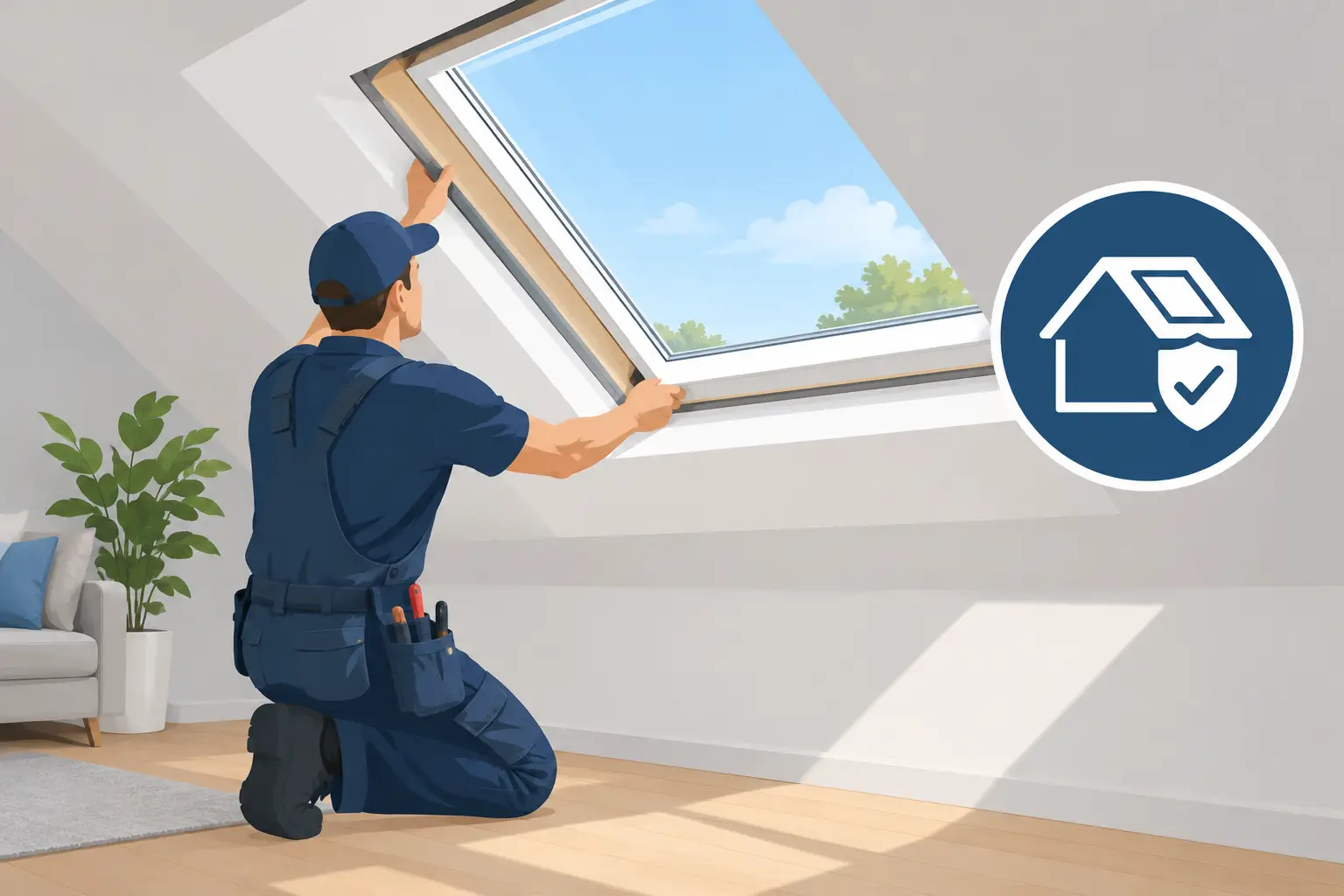
Flashing deserves the same attention. Chimneys, skylights, walls, valleys, plumbing vents, and other penetrations are common leak locations because they interrupt the roof surface. Experienced installers use the correct flashing methods for the condition rather than relying on excessive sealant as a shortcut. Sealant has a role, but it should support a properly detailed assembly, not replace one.
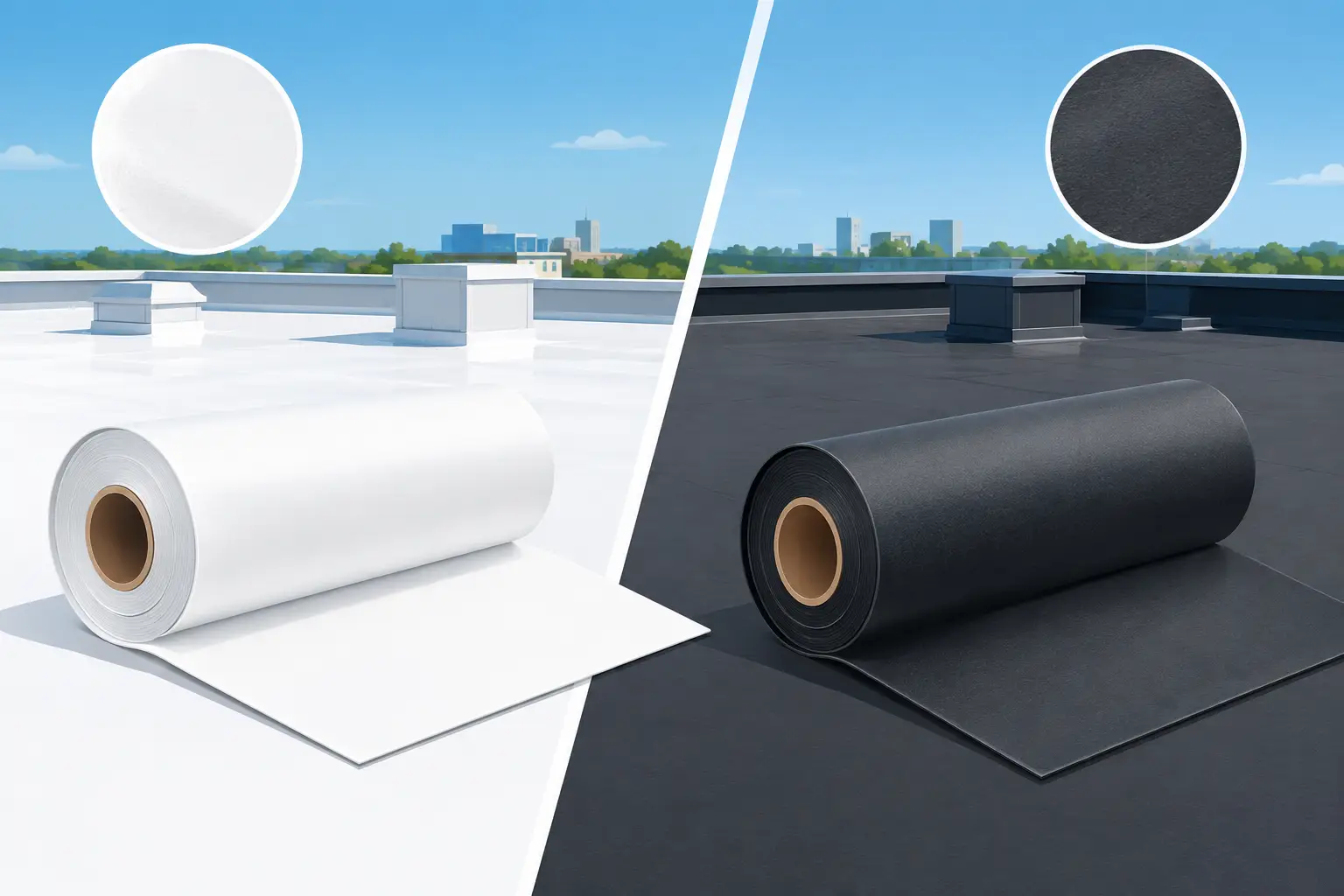
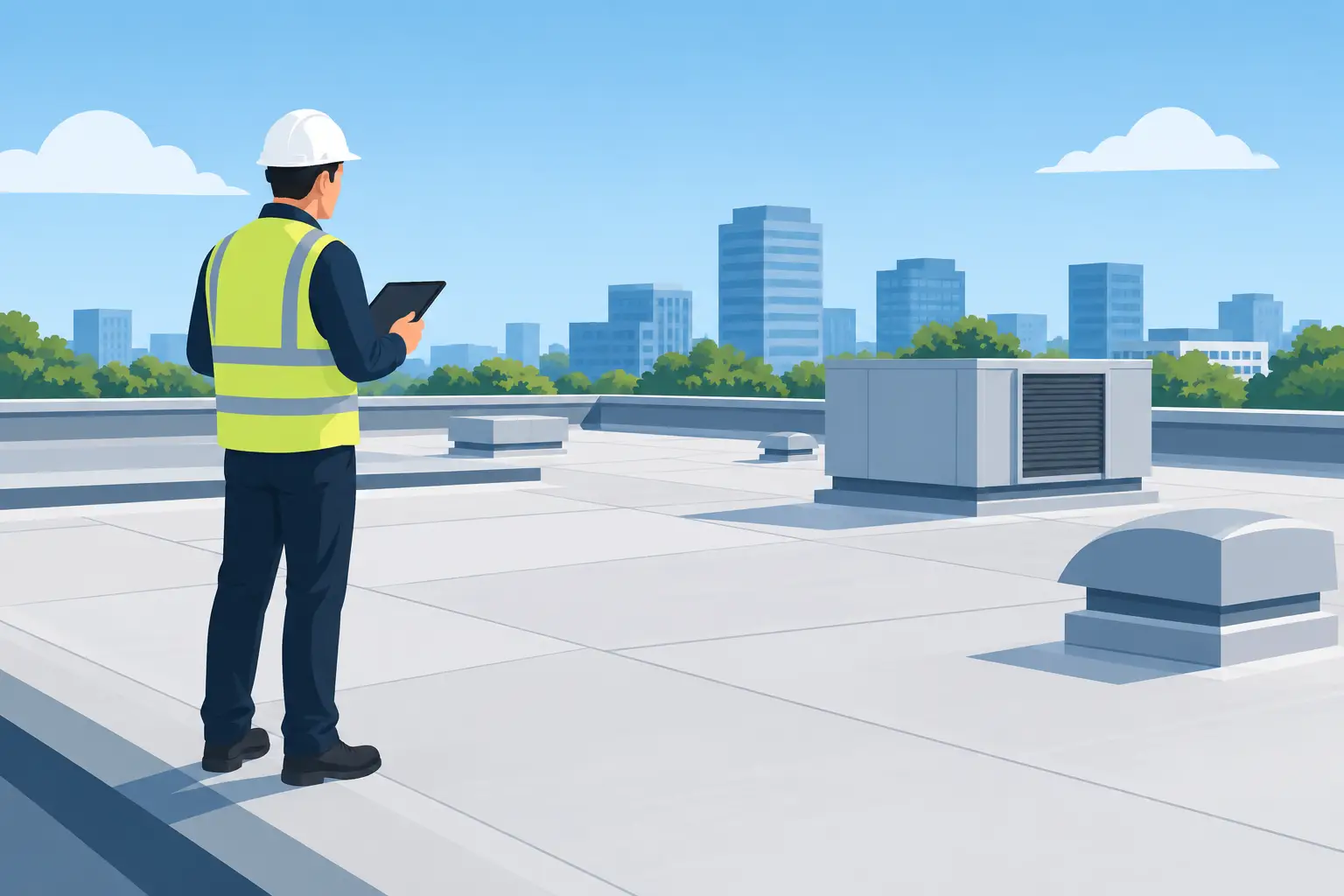
On commercial roofs, the details differ but the principle remains the same. Drainage, seams, curbs, edges, penetrations, insulation layout, and substrate preparation all influence system life. A trained team follows the specified installation method and checks the conditions that can affect adhesion, fastening, and water flow.
Safety Training Protects People and Property
Roofing is high-risk work. Safety is not separate from quality because a crew working without proper planning is more likely to rush, damage landscaping, mishandle materials, or leave hazards on site. Working at Heights compliance, fall-protection procedures, ladder safety, and site organization are essential parts of a professional operation.
A trained crew arrives prepared to control the work area. That includes protecting entrances and landscaping where practical, managing debris, securing tools and materials, and keeping the site orderly throughout the project. Homeowners should not have to worry about loose nails in a driveway or unprotected access around an active roofing job.
For commercial property owners, disciplined safety practices are equally important. Roofing work may occur near tenants, staff, customers, loading areas, or public walkways. A contractor must plan around those realities, communicate clearly, and maintain a safe work zone without creating unnecessary disruption.
Installation Quality Supports Warranty Protection
Long-term manufacturer warranties can be valuable, but they are not a substitute for workmanship. Most roofing manufacturers require their products to be installed according to specific instructions. If an installer cuts corners on ventilation, fasteners, flashing, or accessory materials, a warranty claim can become more complicated or may not apply to the affected issue.
This is one reason credentials matter. Certifications such as CertainTeed ROOFS on HOMES Master Shingle Applicator indicate that installers have completed product-specific education and understand accepted installation standards. Annual training and certification updates also help crews keep pace with changes in materials, application methods, and safety requirements.
There is an important distinction to make: not every roof needs the most extensive available warranty package, and no warranty covers every possible cause of damage. Storm impact, neglected maintenance, structural movement, and issues outside the roofing system may be excluded. The practical benefit of trained installation is that the roof begins with a documented, code-conscious process that supports its intended coverage.
Clear Accountability Makes Problems Easier to Resolve
Some roofing companies rely heavily on loosely managed subcontract labor. That model can work in certain situations, but it can also create uncertainty about who is responsible for training, supervision, quality control, and follow-up after the work is complete.
An in-house team provides a clearer line of accountability. The same company that provides the estimate, discusses the scope, oversees the work, and responds to concerns is responsible for the finished roof. Owner-led oversight adds another level of confidence because decisions are not passed between separate sales, installation, and service companies.
That accountability is particularly valuable when a roof has complex conditions. A property with multiple additions, low-slope sections, skylights, aging brickwork, or recurring leaks requires more than a standard installation approach. A trained contractor can explain the recommended work, identify limitations, and provide a detailed estimate that reflects the actual roof rather than a generic square-foot price.
The Lowest Price Can Carry the Highest Risk
A low quote is not automatically a bad quote. Some roofs are straightforward, and competitive pricing is normal. The concern arises when a proposal is vague, omits essential components, provides no clear warranty information, or cannot explain who will perform the work.
Before selecting a roofing contractor, ask whether installers are trained and supervised, how safety requirements are handled, and what materials and installation details are included. Request a detailed written estimate that identifies the scope of tear-off, deck repairs if needed, underlayment, flashing, ventilation, cleanup, and warranty terms. A professional contractor should be comfortable answering these questions directly.
For commercial projects, also ask how the contractor will manage access, protect occupants, coordinate around operations, and address drainage or existing roof conditions. The right approach depends on the building, the roofing system, and the timing of the project. A warehouse roof, retail plaza, and single-family home should not receive the same planning process.
Professional Installation Is Long-Term Asset Protection
A roof replacement or major repair is an investment in the structure beneath it. When the work is performed by trained installers, owners receive more than new materials. They receive careful preparation, safer execution, informed problem-solving, and a team that understands the consequences of small mistakes.
Toronto Roofers builds residential and commercial roofs with trained specialists, direct oversight, and a focus on certified workmanship. Whether a property needs repair, maintenance, or replacement, an on-site consultation can clarify what the roof needs now and what will protect it over the years ahead.
The best time to ask about installer training is before the first bundle of materials reaches the roof. A clear answer, a detailed scope, and a contractor willing to stand behind the work are practical signs that your property is being treated with the care it deserves.