A roof problem rarely stays limited to the roof. A loose shingle, aging flashing detail, blocked drain, or small membrane split can allow water into insulation, decking, walls, and occupied spaces. That is why choosing roofing contractors is not simply a matter of finding the lowest estimate. It is a decision about workmanship, safety, building protection, and accountability.
For homeowners, the right contractor protects one of the most valuable parts of the property. For commercial owners and property managers, the right team helps control maintenance costs, reduce disruption, and protect the building asset over time. The difference comes down to how the work is inspected, specified, installed, and supported after completion.
Roofing Contractors Should Start With the Roof System
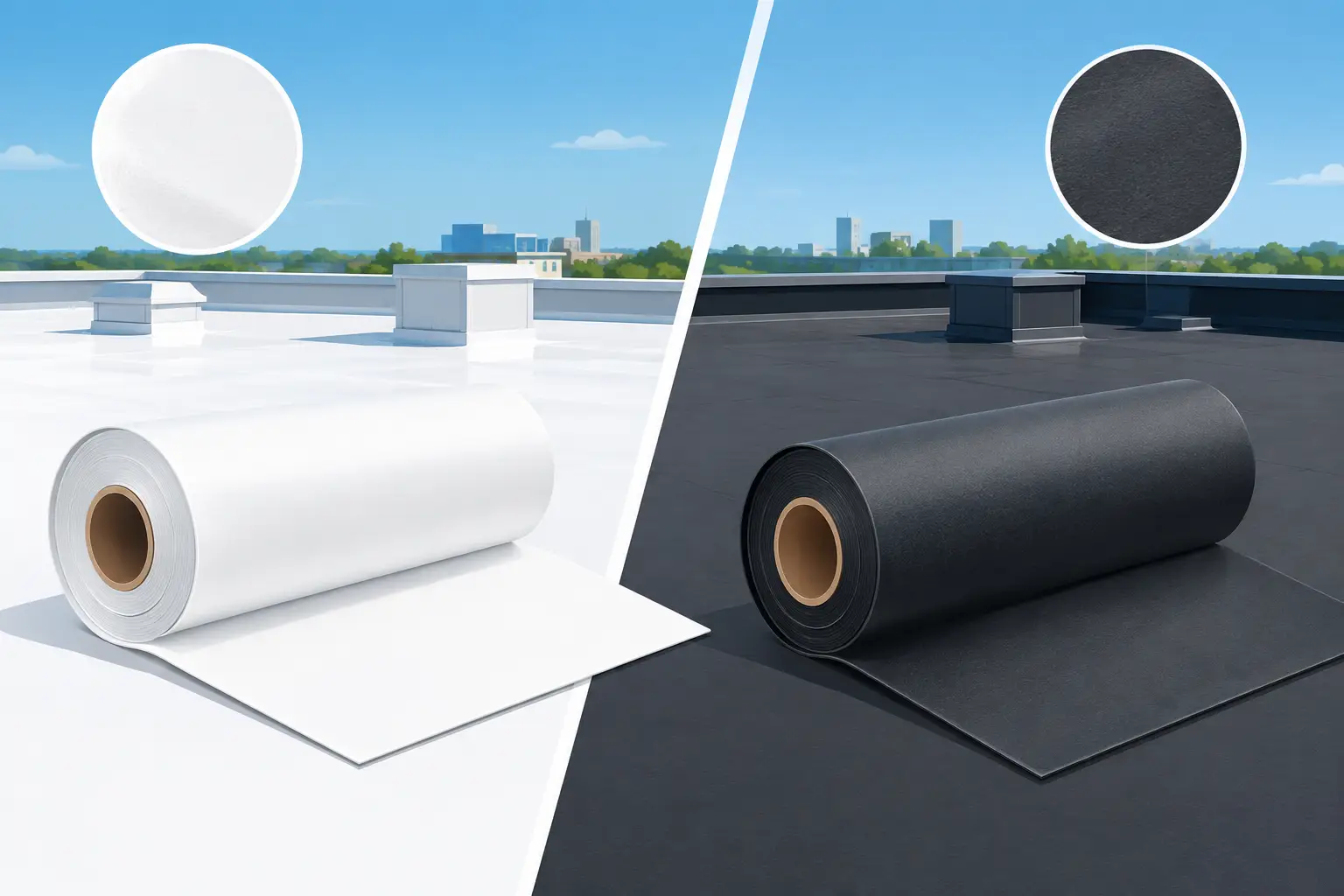
A roof is not one material. It is a system of components that must work together. On a sloped residential roof, that can include the roof deck, underlayment, ice and water protection, shingles, starter courses, ventilation, flashing, valleys, pipe boots, and ridge caps. A commercial low-slope roof may include insulation, membrane, seams, edge metal, drains, penetrations, and expansion details.
Replacing only the visible surface without addressing the details beneath it can create expensive problems later. A contractor should assess the condition of the roof deck, identify weak flashing areas, examine ventilation where applicable, and look for signs that moisture has already affected the structure. The goal is not to sell unnecessary work. It is to recommend a roof scope that matches the building’s actual condition.
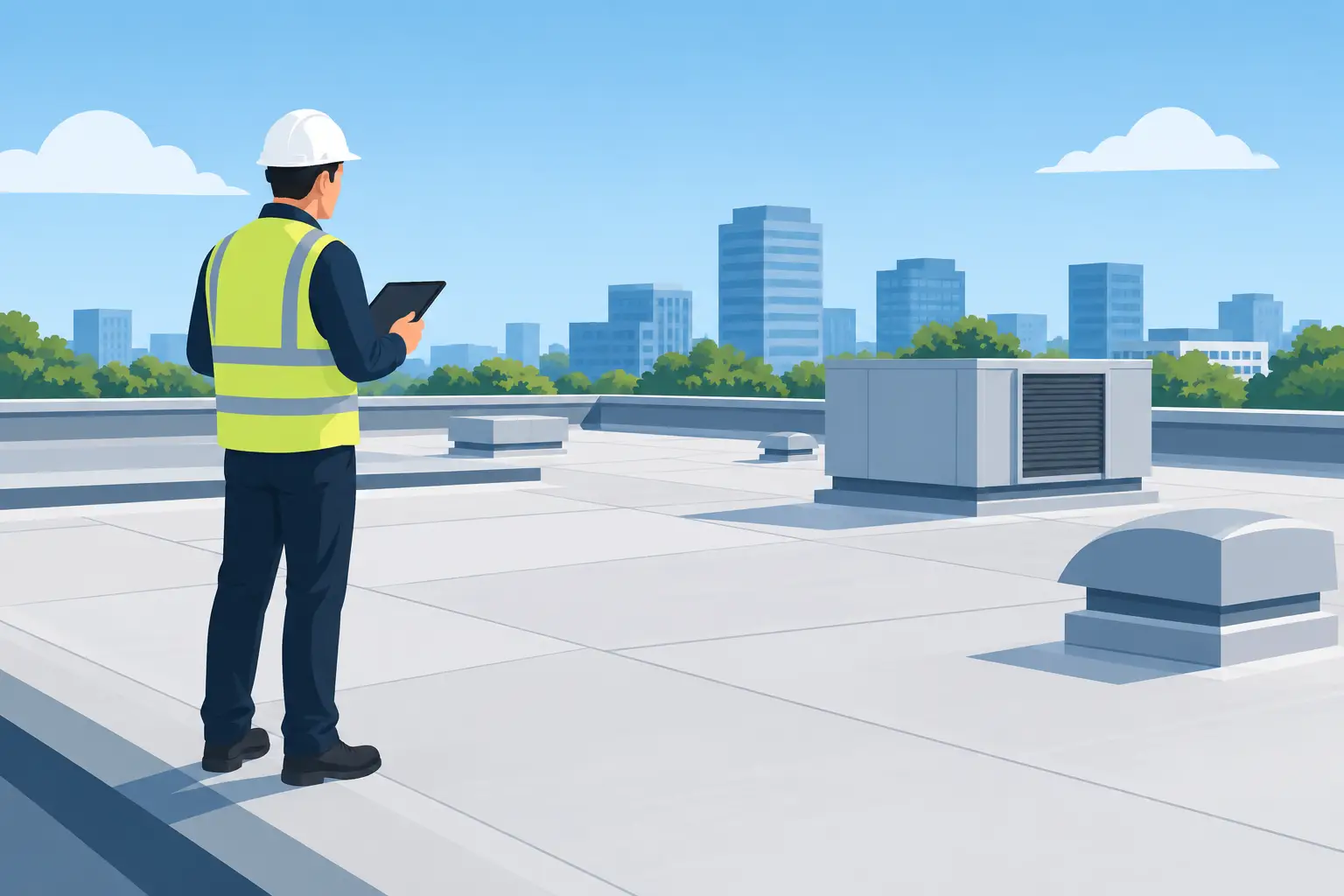
This is why an on-site consultation matters. A reliable estimate is based on measurements, access conditions, roof complexity, material requirements, and visible signs of damage or aging. A price given without a proper inspection may leave major details unresolved until the job is underway.
What a Detailed Roofing Estimate Should Explain
A professional estimate does more than provide a total price. It should make the proposed work understandable. Property owners should know what materials will be installed, which areas will be repaired or replaced, how debris will be managed, and what warranty coverage applies.
For a typical replacement, the estimate should clarify whether old roofing materials will be removed, whether damaged decking is included or priced separately, what underlayment and flashing work is planned, and how ventilation or drainage concerns will be handled. On commercial work, the scope should also identify membrane type, insulation approach, treatment of penetrations, and any required protection for building operations.
Details protect both parties. They give the customer a clear basis for comparing proposals, and they give the installation crew a defined standard for the work. A low price may be attractive, but it is not a meaningful comparison if another proposal includes better materials, proper flashings, deck repairs, or a stronger workmanship commitment.
Training and Safety Are Part of Quality
Roofing is physical, technical work performed in demanding conditions. Proper installation depends on trained people who understand manufacturer requirements, local building practices, weather limitations, and safe access procedures. It also requires crews that are managed directly rather than loosely assembled for a single project.
Working at Heights compliance is particularly important. A contractor should have procedures for fall protection, site setup, ladder use, material handling, and protecting people around the work area. Safety practices are not separate from quality. A well-organized site helps crews focus on correct installation, keeps the property orderly, and reduces unnecessary risk.
Credentials can also provide useful evidence of commitment. Manufacturer training and certifications, including CertainTeed ROOFS on HOMES Master Shingle Applicator credentials, indicate that installers have been trained on established product and application standards. Certification alone does not guarantee every job will be perfect, but it is a stronger starting point than vague assurances with no supporting qualifications.
Repair, Maintenance, or Replacement: The Right Answer Depends
Not every roof issue requires a full replacement. A focused repair can be the responsible solution when damage is isolated and the surrounding roof remains in good condition. Missing shingles, damaged flashing, a leaking vent, or a localized membrane issue may be repairable if the roof system still has service life remaining.
Maintenance is often the best investment for commercial roofs and larger properties. Regular inspections can identify open seams, deteriorated sealants, ponding water, drain obstructions, and edge damage before they lead to interior leaks. Planned maintenance also gives property managers useful documentation for budgeting and long-term capital planning.
Replacement becomes more practical when repairs are recurring, materials are near the end of their expected life, leaks are appearing in several locations, or underlying components have deteriorated. A qualified contractor should explain the reasoning plainly. The recommendation should be based on roof condition, not pressure tactics.
Questions to Ask Before Hiring Roofing Contractors
Before approving a project, ask who will perform the work and who will supervise it. Direct oversight matters because the people responsible for the estimate should remain accountable for the final result. Ask about training, safety compliance, insurance, manufacturer certifications, workmanship warranty terms, and expected project schedule.
It is also reasonable to ask how the contractor handles unexpected conditions. Hidden deck damage, concealed moisture, and previously improper repairs are sometimes uncovered after old materials are removed. A clear process for documenting findings, explaining options, and obtaining approval before additional work helps prevent confusion.
Communication is especially important for occupied homes and commercial properties. Homeowners need to know how landscaping, driveways, and surrounding areas will be protected. Commercial clients may need a contractor to coordinate work around tenants, customers, deliveries, equipment, or sensitive operating hours. A professional team plans for those realities before the first bundle of material reaches the roof.
Warranty Protection Depends on Correct Installation
Manufacturer warranties can add meaningful long-term value, but they are not a substitute for proper workmanship. Most roofing products must be installed according to specific instructions for warranty eligibility. Incorrect nailing, poor ventilation, inadequate flashing, or incompatible components can affect performance and may limit coverage.
A contractor should be able to explain the difference between a manufacturer material warranty and a workmanship warranty. The manufacturer typically stands behind product defects under defined conditions. The contractor’s workmanship warranty addresses installation-related issues. Both matter, and the terms should be discussed before work begins.
The strongest approach is to use proven materials, install them as a complete compatible system where appropriate, and document the project clearly. That gives owners more confidence in the roof’s performance and a clearer path if questions arise later.
Local Conditions Call for Practical Planning
Toronto-area roofs face freeze-thaw cycles, heavy rain, snow loads, wind exposure, and sudden temperature changes. These conditions can stress shingles, flashings, drainage components, and low-slope membranes. Roof design, slope, tree coverage, drainage patterns, and building use all affect the best solution.
For example, ice protection and ventilation can be essential on a sloped roof, while drainage design and membrane detailing may be the deciding factors on a commercial building. There is no single product or scope that fits every property. The best recommendation is one that considers the roof’s construction, the building’s needs, and the owner’s plans for the property.
Toronto Roofers approaches residential and commercial projects with trained in-house specialists, detailed on-site assessments, and direct accountability from estimate through completion. That structure matters when the work involves a major building system that must perform through years of changing weather.
A dependable roof begins with a contractor willing to inspect carefully, explain the work clearly, and stand behind the installation after the crew leaves. When the scope, materials, safety practices, and warranty are all handled with discipline, property owners can make a roofing decision with far greater confidence.