
A new roof can cost thousands, and the paperwork that comes with it often gets less attention than the shingles. That is a mistake. Roof warranty coverage can protect your investment for years, but only when you understand what is actually covered, who stands behind it, and what can void it.
For homeowners and property managers, the biggest problem is not the lack of warranty language. It is the opposite. Most roofing proposals mention warranties, but many do not explain the difference between material protection, workmanship protection, and the conditions attached to both. If you are comparing bids, this is where the real value often separates itself.
What roof warranty coverage usually includes
Most roofing systems come with two separate layers of protection. One comes from the manufacturer and covers defects in roofing materials. The other comes from the contractor and covers installation workmanship. These are not interchangeable, and one does not automatically make up for weaknesses in the other.
A manufacturer warranty typically applies if shingles, membranes, or other approved roofing components fail because of a product defect. That sounds simple, but the details matter. Some manufacturer warranties cover only the affected materials. Others may also include labor for removal and replacement, but only for a defined period and only if the roof was installed according to the manufacturer’s specifications.
A workmanship warranty addresses errors made during installation. That can include issues such as improper nailing, poor flashing detail, incorrect ventilation setup, or other installation deficiencies that lead to leaks or premature failure. If the roof system is sound but the installation was not, the manufacturer may deny the claim and direct the owner back to the contractor.
This is why strong roof warranty coverage is never just about the number of years printed on a brochure. It depends on whether the system was installed by trained professionals, using approved materials, under proper supervision.
Manufacturer warranties vs. contractor warranties
A long manufacturer warranty can look impressive in a proposal, but it should not be treated as the whole story. In practice, many roof problems are tied to installation, not factory defects. If flashing was installed incorrectly around a chimney or vent penetration, that is usually a workmanship issue. If the underlayment was not installed to spec, that can also fall outside product coverage.
Contractor warranties vary much more than manufacturer warranties. Some are clear, written, and backed by established companies with direct oversight of their crews. Others are vague promises that become difficult to enforce when a leak appears two years later. That is one reason buyers should ask who is actually performing the work. An in-house trained team with owner-led accountability offers a different level of reliability than a loosely managed subcontracted labor model.
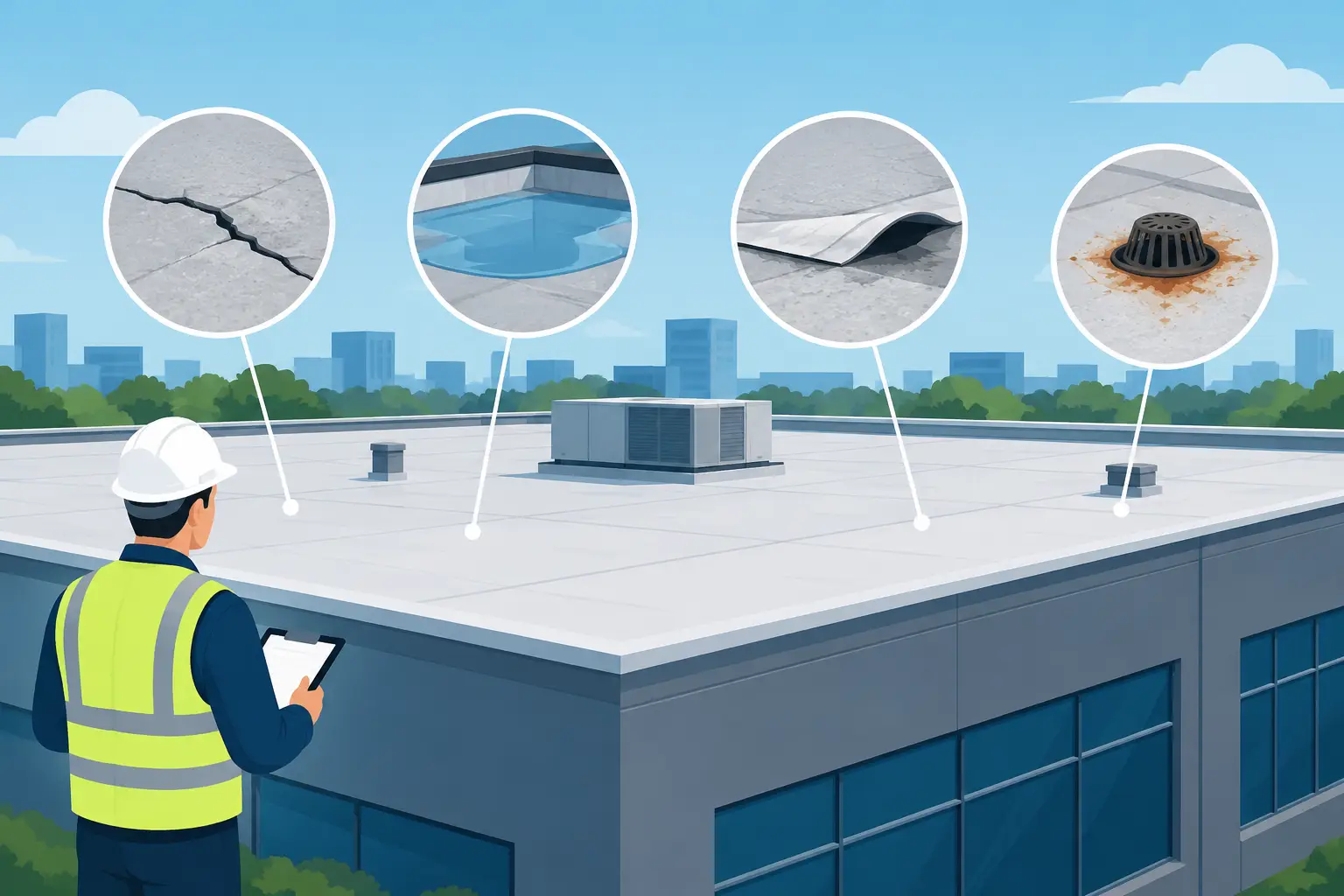
For commercial properties, the distinction matters even more. Flat and low-slope roofing systems depend heavily on installation precision. Drainage, seam integrity, edge detail, and substrate preparation all affect performance. A premium membrane with a strong factory warranty will not compensate for poor workmanship on the roof deck.
Why roofing system compatibility matters
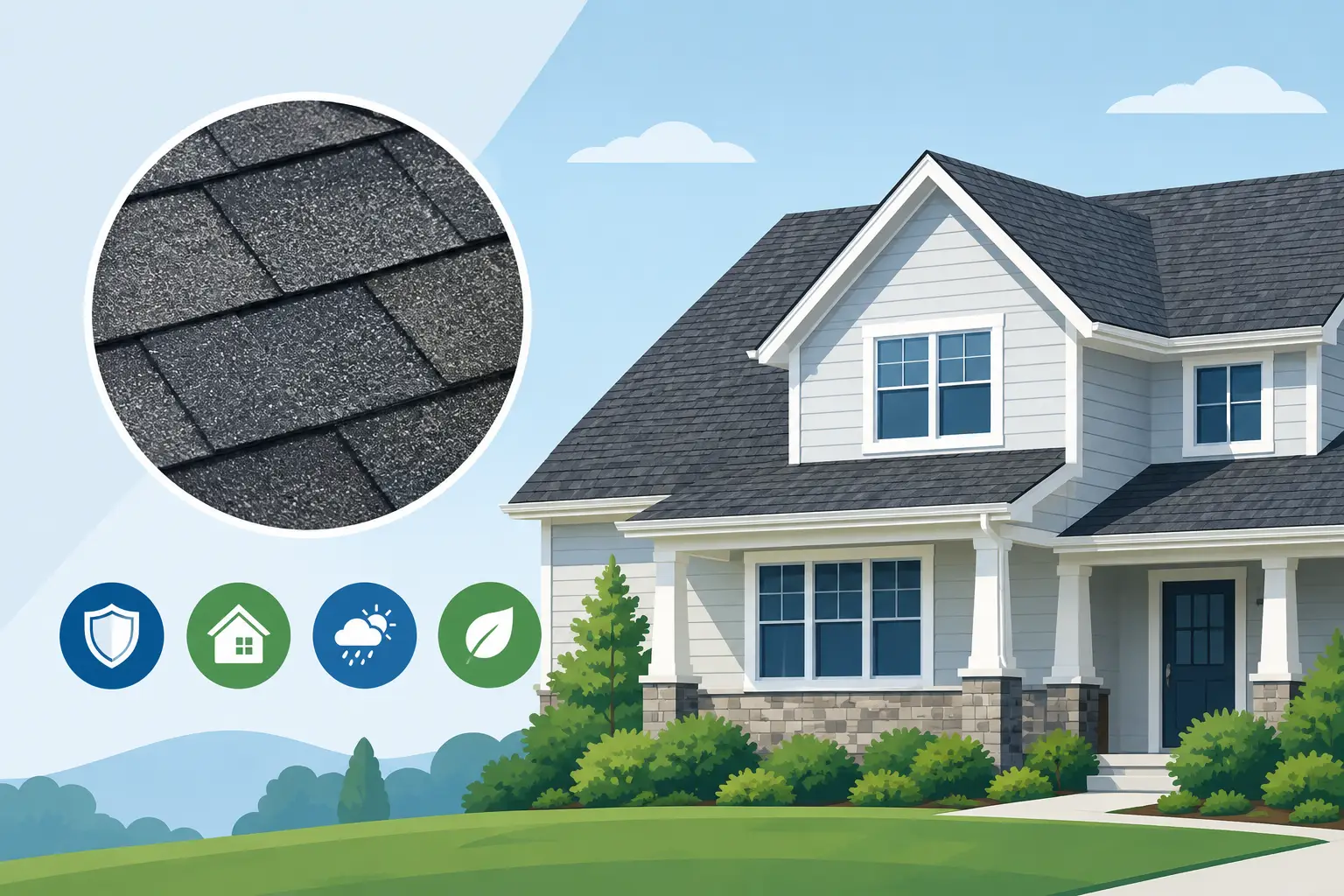
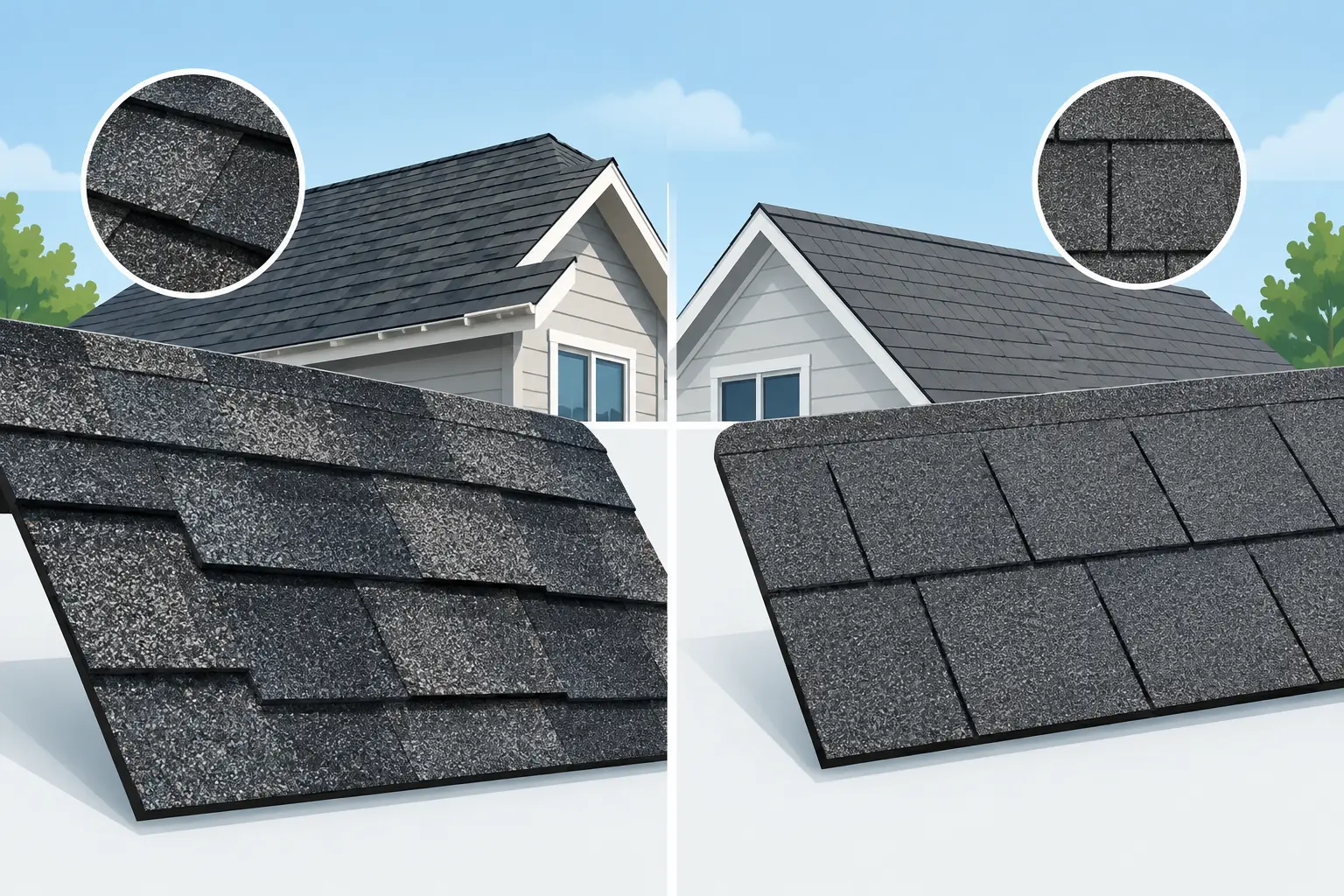
One of the most overlooked parts of roof warranty coverage is system design. Manufacturers often expect a complete roofing assembly, not a patchwork of mixed products chosen for convenience. Shingles, starter strips, underlayment, ventilation components, ice and water barrier, and ridge caps may all need to come from approved product lines.
When contractors cut corners by mixing components that are not intended to work together, warranty protection can narrow quickly. The roof may still get installed, and it may even look fine from the ground, but claims can become more difficult if a failure occurs later.
That does not mean every roof needs the most expensive enhanced warranty package. It means the roof should be built as a coherent system. A professional estimate should explain what products are being used, why they are being used, and whether they meet the manufacturer’s requirements for available coverage.
Common exclusions that surprise property owners
Warranties are not maintenance contracts, and they are not insurance policies. That is where many misunderstandings begin.
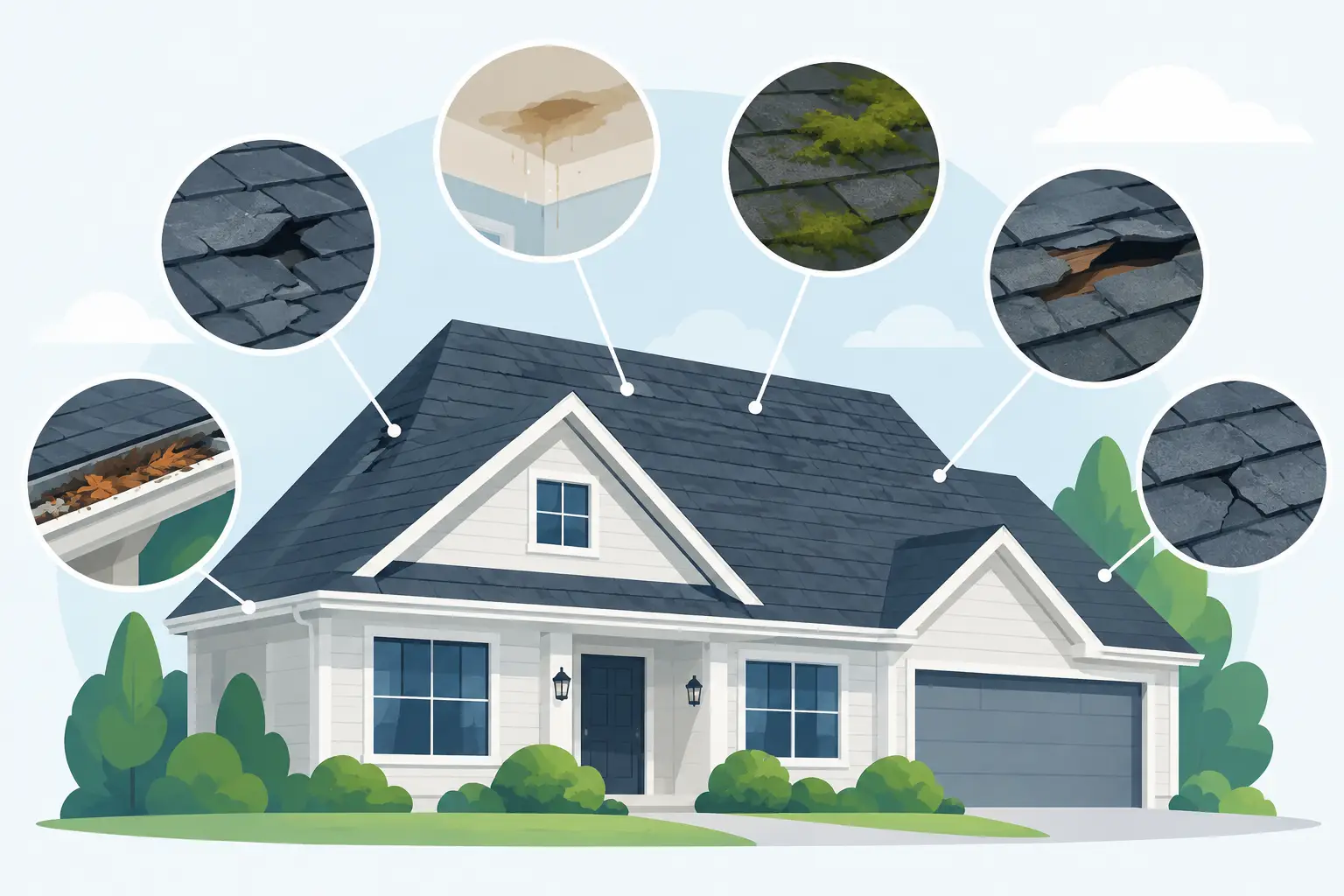
Most roof warranty coverage excludes storm damage, impact damage, structural movement, poor attic conditions, pest activity, and issues caused by neglect. If tree limbs scrape shingles for years, debris blocks drainage, or ponding water is allowed to persist on a commercial roof, a warranty claim may not go far.
Improper third-party work is another common problem. Satellite installers, HVAC trades, solar installers, and other contractors can damage a roofing system during unrelated work. Once unapproved penetrations or repairs are made, warranty protection may be limited or voided in the affected area.
Ventilation is also a frequent issue on residential roofs. If intake and exhaust are unbalanced, heat and moisture can build up in the attic and shorten the roof’s service life. Owners may assume the shingles failed, when the underlying problem was system design or building conditions.
How roof warranty coverage gets voided
The shortest answer is this: a warranty is easiest to protect when the roof is installed correctly from day one and maintained responsibly after that.
Claims often fail because documentation is weak or the roof was altered after installation. If the contractor did not register the warranty properly, if approved accessories were not used, or if repairs were made by someone not authorized to touch the system, the owner may be left arguing over technical details instead of getting a clear resolution.
Routine maintenance matters as well. That is especially true for commercial roofs, where drains, seams, and rooftop traffic create wear patterns that need monitoring. A roof does not have to be neglected for years to lose protection. Sometimes one avoidable condition, left unaddressed, is enough to complicate a claim.
For homeowners, simple habits help. Keep records. Save the contract, material information, and final warranty documents. Schedule inspections after major weather events. If a leak appears, address it early instead of waiting for interior damage to spread.
Questions to ask before you sign
A proposal should do more than advertise a warranty. It should explain it.
Ask whether the warranty is manufacturer-backed, contractor-backed, or both. Ask what products are required to qualify for full coverage. Ask whether labor is included, and if so, for how long. Ask what exclusions apply and what maintenance responsibilities belong to the owner. If the answer is vague, that is useful information.
It is also worth asking who supervises the installation and what training credentials the crew holds. Certifications, manufacturer approvals, and safety compliance are not just marketing language. They often affect whether enhanced warranty options are available in the first place.
A detailed estimate should connect the roofing system, the installation method, and the available warranty level. If those pieces are disconnected, the protection may be thinner than it appears.
What better warranty protection really looks like
The best roof warranty coverage is not necessarily the longest document or the boldest number. It is coverage supported by quality materials, trained installation, and a contractor with the discipline to follow specifications closely.
That is why experienced buyers look past headline claims. They want clear scopes of work, proper ventilation planning, code-compliant installation, and crews who understand flashing, drainage, and roof system assembly. They also want a contractor who will still answer the phone after the job is complete.
For property owners in markets like Toronto, where roofs face freeze-thaw cycles, wind, rain, snow load, and seasonal temperature swings, proper installation is not optional. Warranty language matters, but performance on the roof matters first.
Toronto Roofers approaches warranty protection the way it should be approached – as the result of trained workmanship, approved materials, safety compliance, and direct accountability on every project. That is what gives warranty paperwork real value instead of just sales appeal.
Before you approve any roofing contract, slow down long enough to read the warranty section carefully. A roof is a major building asset, and the right protection starts well before the first shingle or membrane is installed.