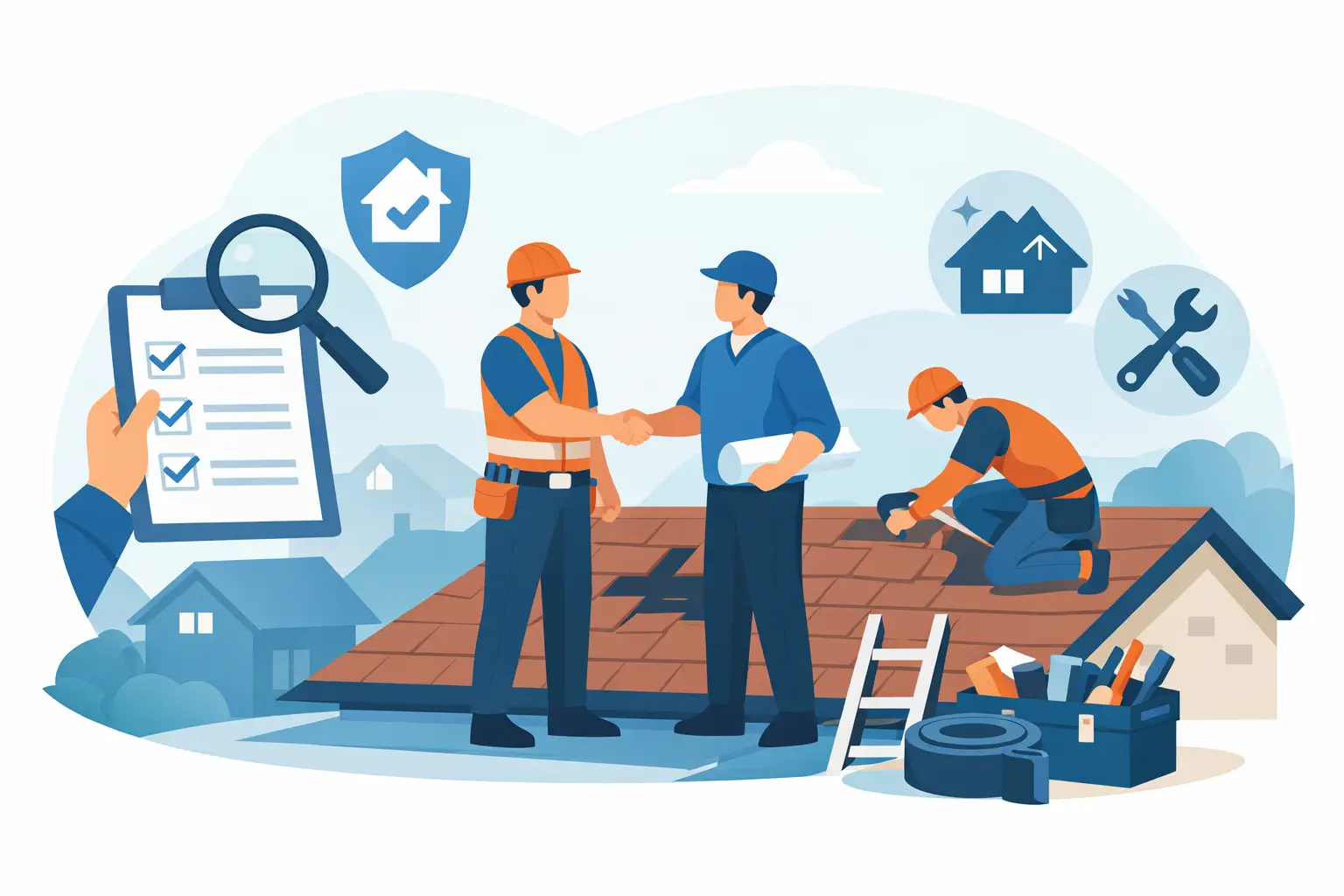
A roof leak rarely shows up at a convenient time. It appears after a storm, over a tenant space, above a finished ceiling, or right before a property sale. When that happens, choosing the right roof repair contractors is not just about getting someone on-site fast. It is about protecting the structure, controlling long-term cost, and making sure the repair is done to professional standards the first time.
For homeowners and property managers, the challenge is that many contractors sound similar at first. Nearly everyone promises quality. Nearly everyone says they are experienced. The difference is usually in what happens behind the estimate – who is actually doing the work, what training they have, whether safety protocols are followed, and how accountable the company remains after the repair is complete.
What roof repair contractors should actually provide
A qualified contractor should do more than patch a visible problem. Effective roof repair starts with identifying the full cause of failure. A missing shingle may be the symptom, not the issue. The real problem could be flashing breakdown, improper previous installation, ventilation imbalance, ponding water, membrane separation, or damage around roof penetrations.
That is why a proper repair process begins with inspection, not guesswork. The contractor should assess the affected area, the surrounding roofing system, drainage conditions, and any signs of structural moisture intrusion. On a residential slope roof, that might mean checking valleys, vents, skylights, chimney flashing, and attic-related moisture patterns. On a commercial roof, it may involve seams, drains, parapet walls, rooftop units, and membrane condition.
Good roof repair contractors also explain what they found in plain terms. If the explanation is vague, or if the estimate jumps straight to a price without showing scope, materials, and repair logic, that is a warning sign. Roofing is a high-trust trade. Clear communication is part of professional workmanship.
Credentials matter more than most property owners realize
Roof repair is often treated like a small job, but small roofing mistakes create expensive damage. Water does not stay where it enters. It travels. That is why contractor qualifications matter even for what seems like a limited repair.
Look for a company with formal training, manufacturer-backed credentials, and current safety compliance. A contractor that invests in annual certifications and Working at Heights training is showing operational discipline, not just marketing polish. That matters on every site, whether the crew is replacing damaged shingles on a house or correcting membrane failure on a commercial property.
Manufacturer recognition also carries weight when it is legitimate and current. Credentials tied to shingle systems or approved application standards suggest the installer has been trained to follow tested methods, not improvised ones. That can affect both performance and warranty protection.
There is also a practical difference between a company with direct oversight and one that relies heavily on loosely managed subcontracted labor. When work is handled by an in-house team or closely supervised installers, accountability is clearer. If a problem comes up, there is less finger-pointing and more direct resolution.
Why the cheapest repair estimate can cost more
A low estimate is attractive, especially when the damage seems minor. But roof repair pricing varies for a reason. One contractor may be quoting a short-term patch. Another may be pricing a targeted repair that addresses underlying failure points and uses compatible materials.
That does not mean the highest estimate is automatically best. It means the scope has to be compared carefully. Ask what is included, what materials are being used, whether flashing or underlayment work is part of the repair, and whether any adjacent components need to be removed and reset properly.
The key issue is durability. A cheap repair that fails in six months is more expensive than a correctly executed repair that lasts. For property managers, repeat leak calls also mean tenant disruption, interior damage exposure, and added administrative cost. For homeowners, it can mean damaged insulation, mold risk, and repair bills that spread beyond the roof itself.
Questions to ask roof repair contractors before hiring
The best conversations are direct. Ask who will perform the work, whether the crew is trained for the roof system involved, what safety measures are followed, and how the repair scope was determined. Ask if the estimate is detailed and whether the contractor will document existing conditions.
You should also ask whether the repair is expected to solve the issue fully or whether the roof is showing broader signs of age-related failure. A trustworthy contractor will not force a replacement when a repair is appropriate. Just as important, they should not sell a repair as a long-term solution if the system is nearing the end of its service life.
That kind of honesty matters. Some roofs are excellent repair candidates. Others are already in decline, and repeated service calls become a poor investment. The right recommendation depends on roof age, system condition, previous repair history, and how localized the damage really is.
Residential and commercial repairs are not the same job
Homeowners sometimes assume roofing repair is basically the same across all buildings. It is not. Residential roofs and commercial roofs fail differently, use different materials, and require different repair methods.
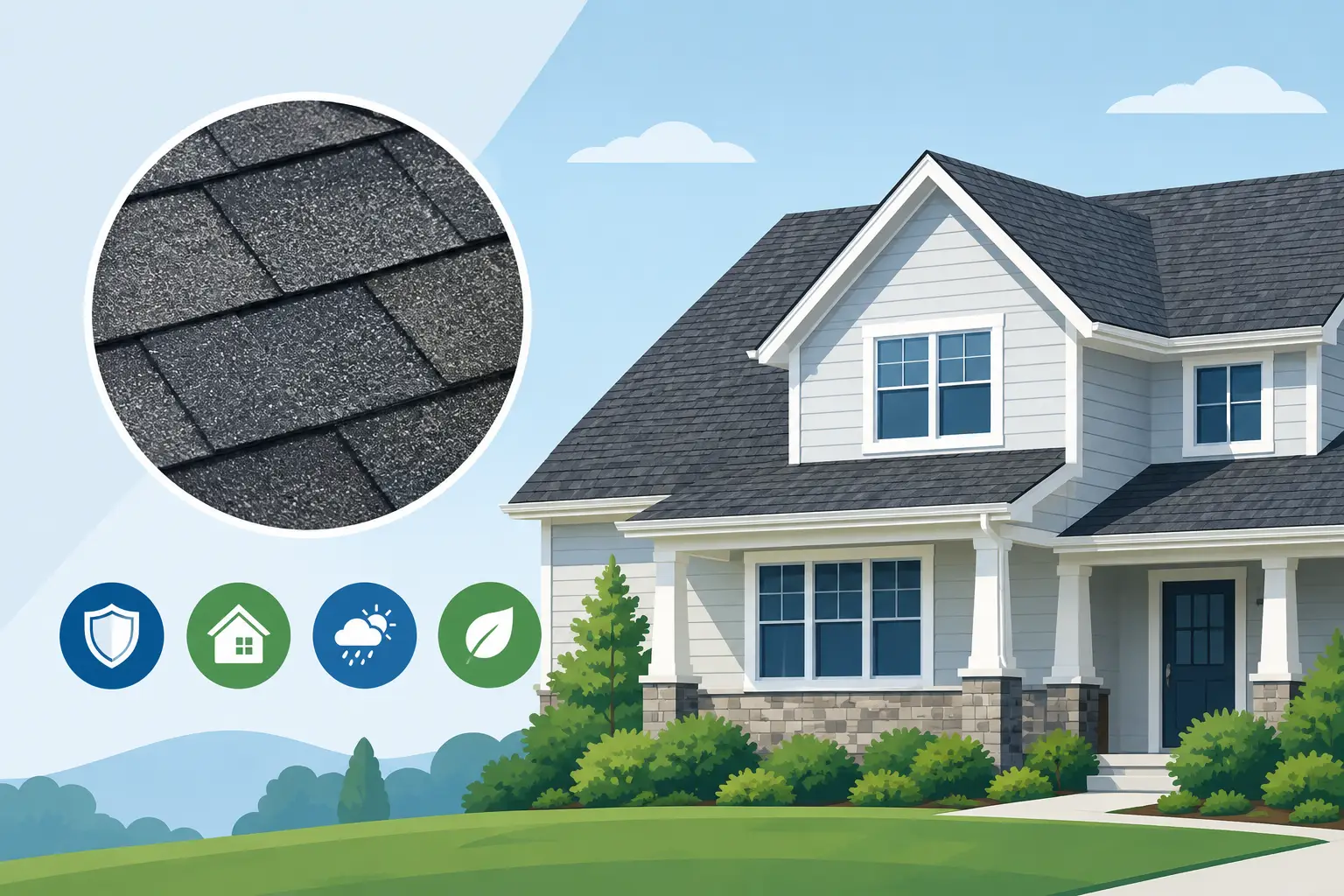
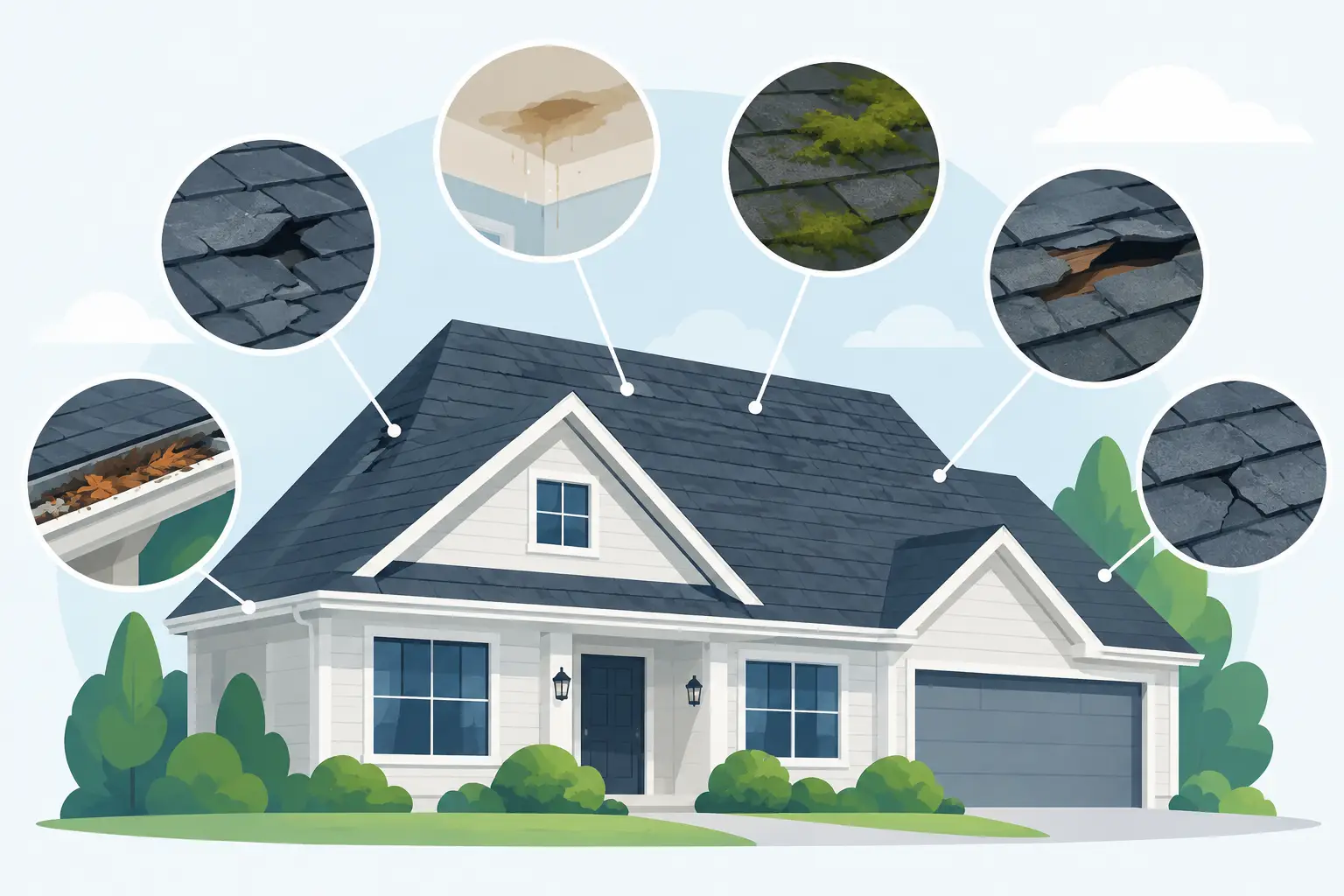
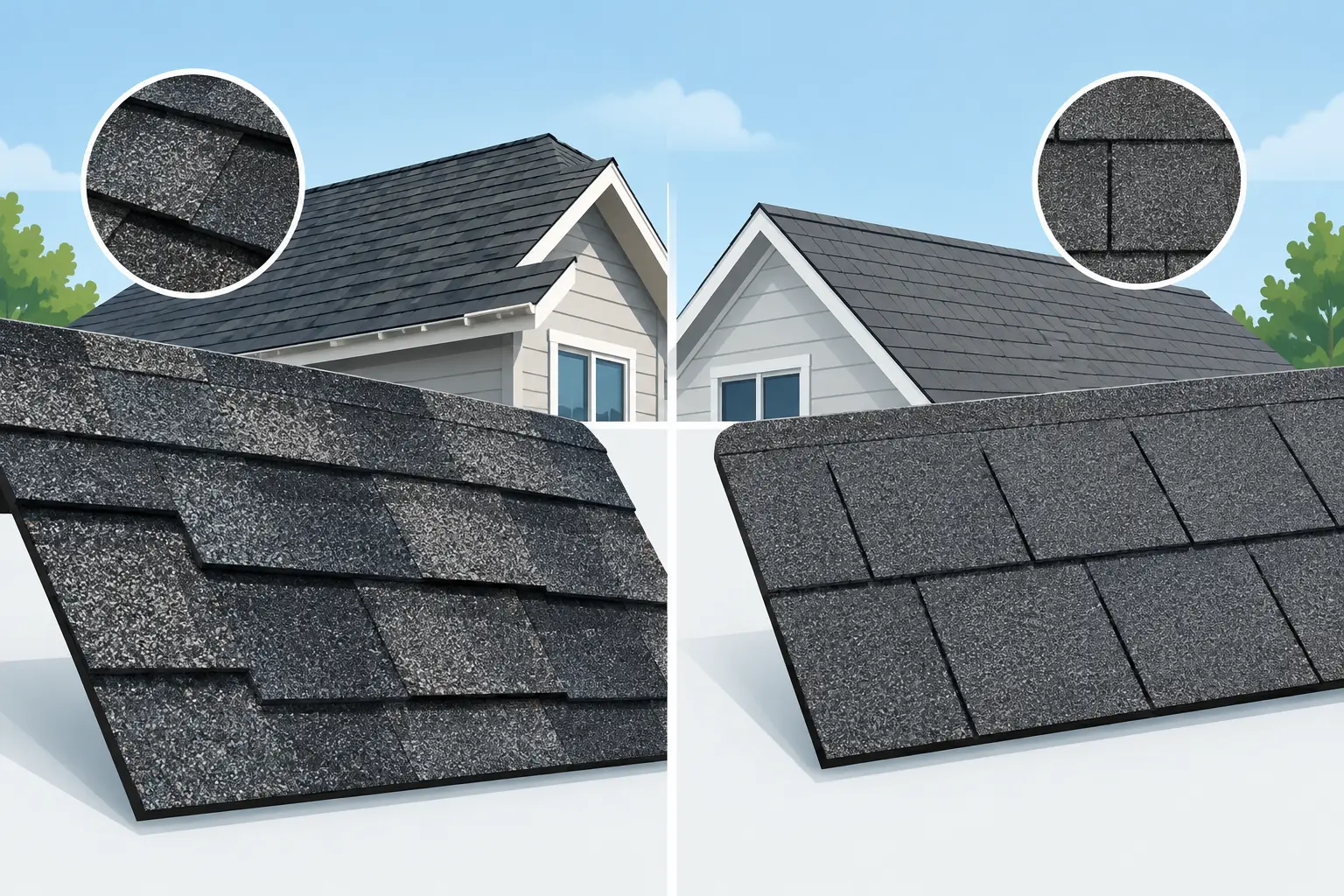
On a home, repairs often center on shingles, flashing details, decking exposure, ice and water protection, and ventilation-related wear. The visual appearance of the finished repair also matters. Homeowners want the roof watertight, but they also want the repair to integrate cleanly with the existing roofline.
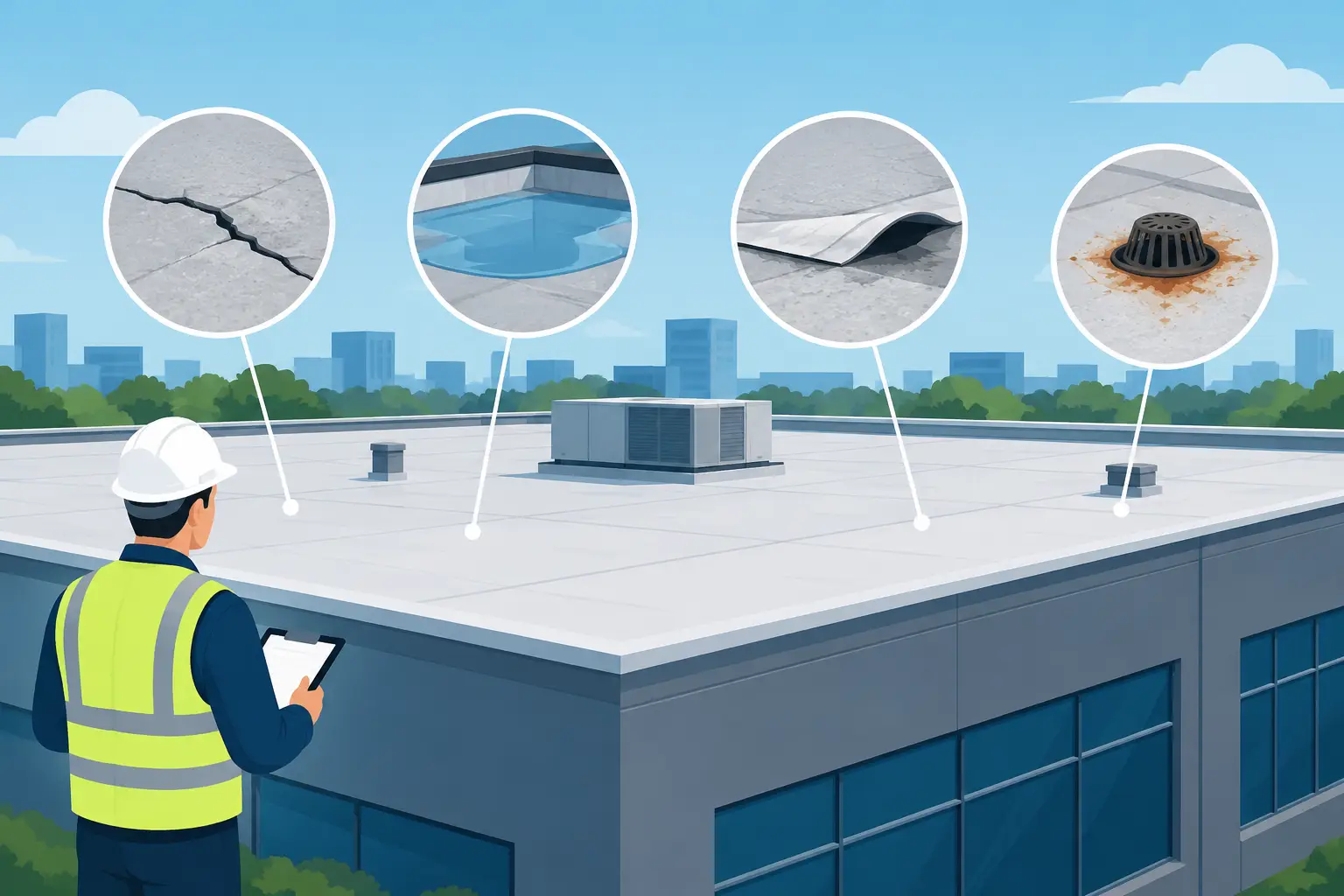
Commercial repair work tends to be more system-specific. Flat and low-slope roofs involve membranes, seams, insulation layers, drainage, and rooftop traffic patterns. A contractor needs to understand how the entire assembly performs, not just how to stop water at one visible point. Temporary patching on a commercial building can create a false sense of security if ponding, seam fatigue, or flashing movement is the actual problem.
For both property types, experience with the specific roof system is critical. Not every roofing company handles every repair type with the same level of competence.
What professional oversight looks like on a repair project
A reliable repair contractor brings structure to the job. That starts with site assessment and continues through estimate accuracy, material selection, crew management, safety compliance, cleanup, and follow-up. These details may not be glamorous, but they are usually what separate a professional repair experience from a frustrating one.
Owner involvement or direct management oversight is especially valuable when the project has urgency, access limitations, or hidden damage potential. If the contractor is difficult to reach before the job starts, that usually does not improve once the invoice is paid.
Strong customer service matters here for practical reasons. Roofing clients need updates, scheduling clarity, and honest answers. A dependable company does not disappear behind voicemail once weather changes or extra work is uncovered.
In markets with mixed housing stock and varied commercial properties, such as Toronto and surrounding areas, that operational discipline becomes even more important. Older homes, additions, flat roof sections, and weather-related wear can make repair work less predictable. The contractor should be prepared for that reality.
Signs you may need repair now, not later
Some roofing issues are obvious, but many are easy to postpone until the cost grows. Water stains on ceilings, damp insulation, loose or lifted shingles, visible flashing gaps, granule loss, interior drafts near attic spaces, and repeated leaks after rain are all reasons to act quickly.
Commercial properties may also show warning signs through bubbling membrane areas, ponding water, staining around roof penetrations, or complaints from occupants after heavy weather. Delaying service can turn localized repair work into structural or interior restoration costs.
If there is one standard worth keeping, it is this: roof repairs should be handled while the problem is still isolated. Once water has time to migrate, dry out, return, and repeat the cycle, the scope becomes less certain and more expensive.
Choosing a contractor with long-term value in mind
The best roof repair contractors are not simply selling labor for a day. They are protecting an asset that affects safety, building performance, insurance exposure, and resale value. That requires technical knowledge, trained installers, documented scope, and a company culture built around workmanship and accountability.
If you are comparing contractors, pay attention to how they inspect, how they explain, and how they stand behind the work. Certifications, safety training, product knowledge, and clear estimating are not extras. They are signs that the repair is being treated with the seriousness it deserves.
When a roof needs attention, speed matters. But judgment matters more. The right contractor will help you solve the problem in front of you without creating a bigger one later.