A flat roof can look fine from the ground while water is working through an open seam, stressed flashing, or aging drain detail. That is why the TPO versus EPDM roofing decision should not be made on membrane price alone. Both systems can provide dependable protection for commercial buildings and low-slope residential roofs, but they manage seams, sunlight, temperature changes, and repairs differently.
For property owners in Toronto, the right choice often comes down to the roof layout, insulation plan, budget, maintenance expectations, and the contractor’s ability to install the selected system correctly. A high-quality membrane cannot make up for poor substrate preparation, weak detailing around penetrations, or careless seam work.
What TPO and EPDM Roofing Have in Common
TPO and EPDM are single-ply roofing membranes used on low-slope and flat roofs. They are commonly installed over insulation and a suitable roof deck, then secured with fasteners, adhesive, or ballast depending on the system design. Both can be used for roof replacement projects, new construction, and many commercial applications.
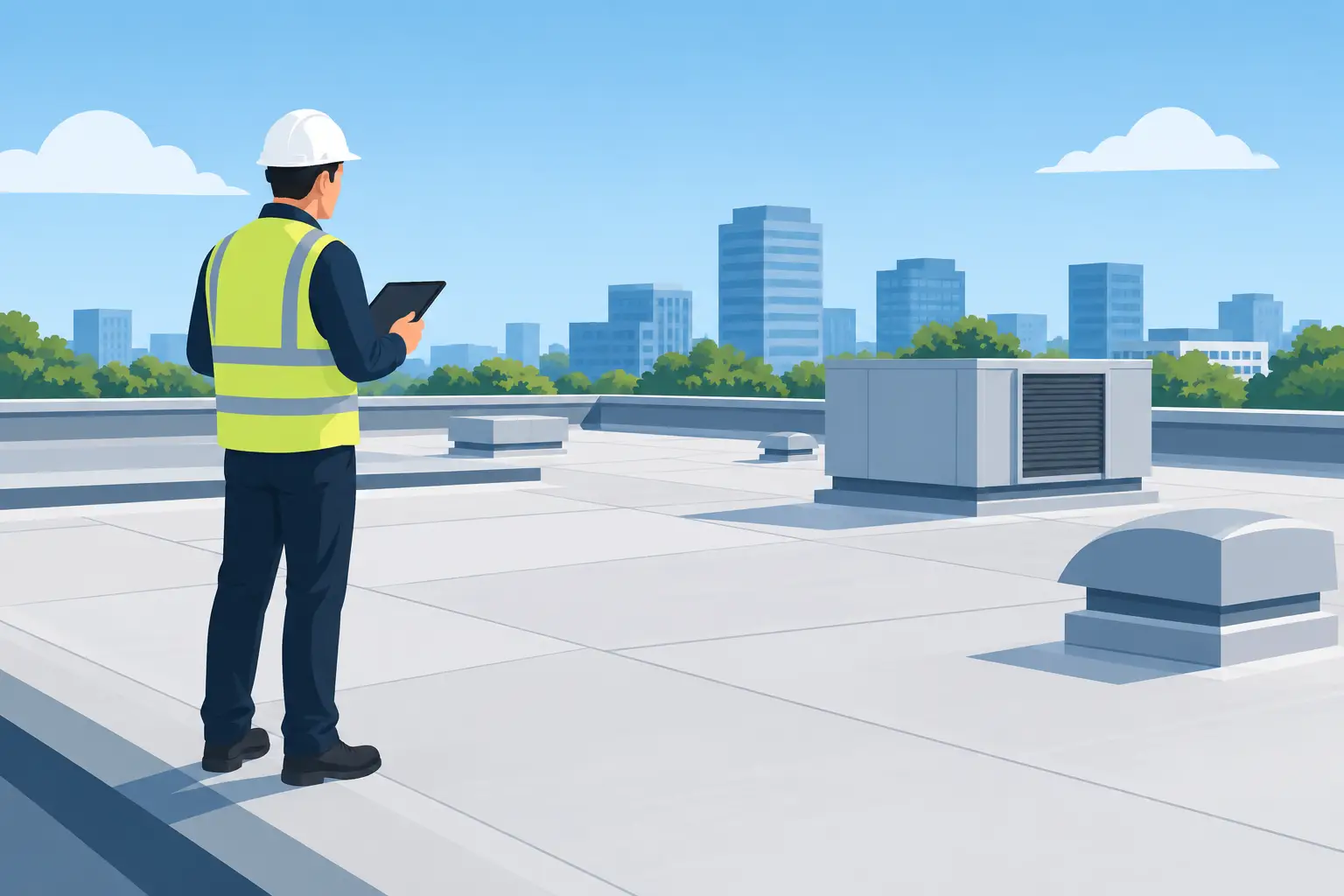
Neither material is a universal winner. A warehouse with broad, open roof areas has different needs than a retail plaza with rooftop equipment, drains, parapet walls, and frequent service traffic. Before selecting a membrane, a professional inspection should confirm the existing deck condition, drainage performance, insulation needs, and the number of details that require flashing.
TPO Versus EPDM Roofing: The Main Differences
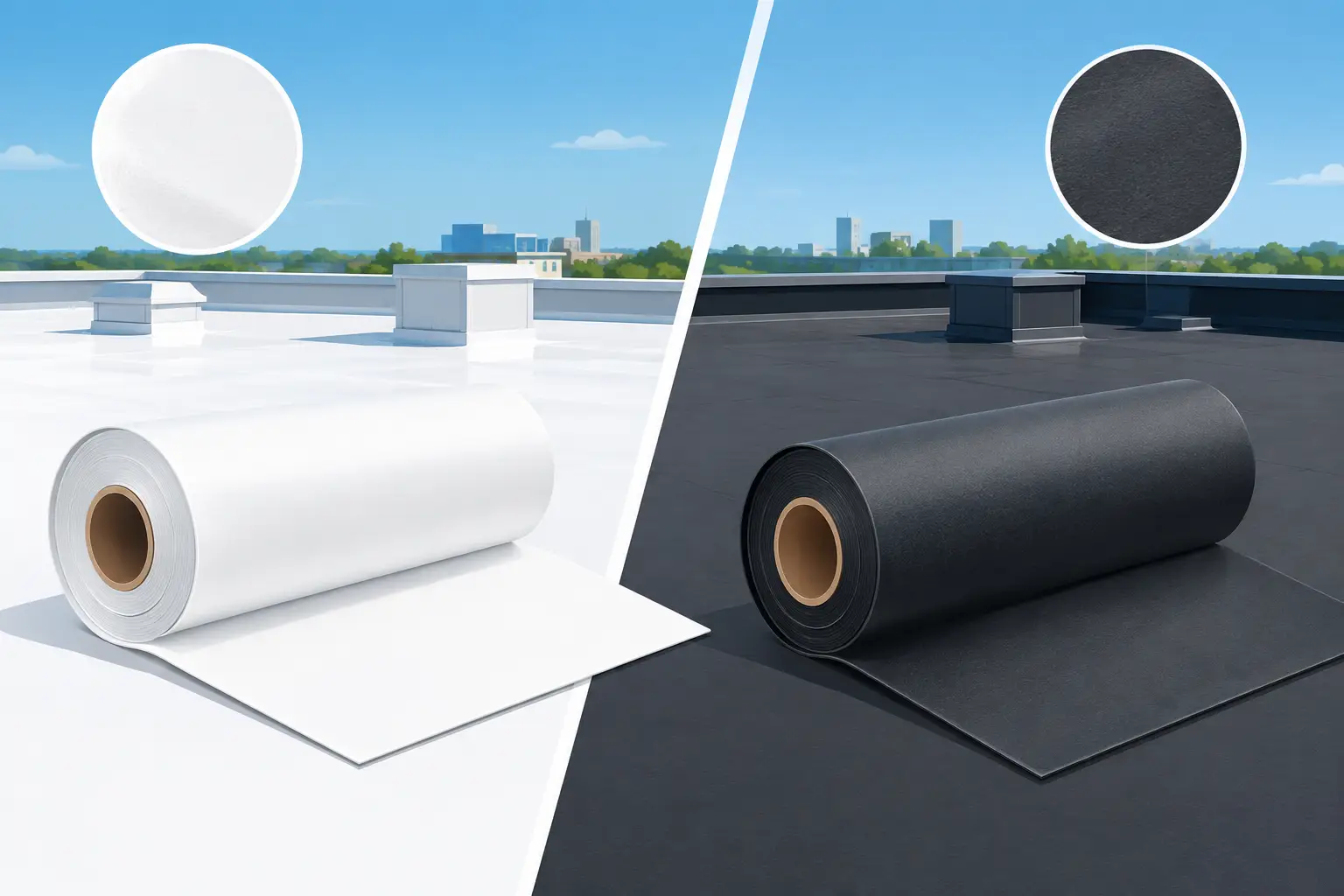
The most visible difference is color. TPO is typically white or light-colored, while traditional EPDM is black. That distinction affects solar reflectivity, surface temperature, and the way each roof behaves in certain building conditions.
TPO is a thermoplastic polyolefin membrane. Its seams are heat-welded, creating a continuous bond when installed with the correct equipment, temperature, speed, and pressure. EPDM is a synthetic rubber membrane. Its seams are generally joined with seam tape and primer rather than heat welding.
This means installation quality matters in different ways. TPO requires trained installers who can consistently weld seams and test them properly. EPDM requires disciplined cleaning, priming, tape application, and pressure at every seam. In either system, workmanship at the perimeter, drains, curbs, corners, and pipe penetrations is more critical than the membrane’s marketing brochure.
Energy Performance and Roof Surface Temperature
White TPO reflects more sunlight than black EPDM, which can reduce roof surface temperatures during warm, sunny weather. For buildings with cooling loads, or roofs with little shade, that reflectivity can be a practical advantage. It may also reduce heat stress on the membrane itself.
However, a reflective roof is not automatically the lowest-cost energy choice for every building in a cold climate. In the Greater Toronto Area, heating demand is significant for much of the year. Insulation value, air sealing, rooftop equipment, interior use, and the building’s mechanical systems often have a greater impact on overall energy performance than membrane color alone.
A properly designed insulation package should be part of the conversation. If water ponds on the roof after rain, correcting slope and drainage may protect the building far more effectively than choosing one membrane over another.
Seams, Details, and Repair Considerations
TPO’s heat-welded seams are a major reason many commercial property owners choose it. When the installation is controlled and seam testing is completed, welded seams can provide strong, consistent protection across large roof areas. TPO also works well for fabricated accessories and detailed flashing systems around penetrations.
EPDM has a long track record as a flexible roofing material. Its rubber-like properties can be beneficial where a roof experiences movement from temperature changes or building settlement. Repairs can be straightforward when the membrane is properly cleaned and prepared, although the repair process must follow the manufacturer-approved method.
Neither system is maintenance-free. Rooftop contractors, HVAC technicians, and other trades can puncture membranes or disturb flashings. Regular roof maintenance helps identify loose edge metal, clogged drains, damaged walk pads, open seams, and surface damage before they become interior leaks.
Cost: Look Beyond the Installed Price
Material and installation costs vary by membrane thickness, attachment method, insulation requirements, roof access, detail complexity, and local labor conditions. In many projects, the cost difference between TPO and EPDM is less significant than the cost of the work beneath and around the membrane.
A roof with deteriorated decking, saturated insulation, multiple layers of existing roofing, or difficult access may require substantial preparation. The number of HVAC curbs, skylights, drains, parapet transitions, and pipe penetrations also increases labor. A low initial quote that overlooks these conditions can become expensive once work begins.
Ask for a detailed estimate that identifies the membrane thickness, insulation type and thickness, attachment method, flashing scope, edge metal, drainage work, disposal, and warranty coverage. This makes it easier to compare proposals on workmanship and system scope rather than on a single bottom-line number.
When TPO Is Often the Better Fit
TPO is frequently a strong option for commercial roofs where reflectivity, heat-welded seams, and a clean white appearance are priorities. It is well suited to broad roof areas and buildings that may benefit from reduced solar heat gain in warmer months.
It can also be a sensible choice when the roof has numerous penetrations and the installer is experienced with the manufacturer’s approved accessories and welding procedures. The condition is essential: TPO should be installed by a trained crew using calibrated equipment and careful quality checks. A rushed weld or poorly flashed curb can undermine an otherwise excellent membrane system.
When EPDM Is Often the Better Fit
EPDM remains a dependable choice for many low-slope roofs, especially when flexibility and a proven rubber membrane system are desired. It has been used successfully on commercial buildings for decades and is available in different installation configurations.
For property owners concerned about a dark roof absorbing heat, white EPDM options and coating strategies may be available depending on the system. The right answer depends on the manufacturer’s requirements, roof design, and building goals. It is better to evaluate the complete assembly than to assume black EPDM is unsuitable for every property.
EPDM may also be attractive where a contractor has deep experience with its seam tape, flashing details, and repair methods. Familiarity matters. A crew that follows manufacturer specifications every day is more valuable than a lower price from a contractor treating the installation as routine labor.
Installation Quality Determines Service Life
The membrane is only one part of the roof system. The deck must be sound, wet materials must be removed, insulation must be secured correctly, and drainage must move water toward functioning drains or scuppers. Flashings need to accommodate roof movement while remaining watertight at walls, curbs, and penetrations.
For TPO, seam welds should be checked consistently, not just at the start of the day. For EPDM, surfaces must be clean and dry before primers and tapes are applied. Weather conditions matter for both systems, particularly during cold, wet, or windy periods.
At Toronto Roofers, our approach begins with an on-site assessment and a clear scope of work. Our trained installers follow Working at Heights safety requirements and focus on the details that determine whether a roof performs as designed after the crew leaves.
Questions to Ask Before Choosing a Membrane
A qualified roofing contractor should be able to explain why a particular system suits your building. Ask how the proposed membrane will be attached, what insulation is included, how drainage issues will be handled, and what details are planned for rooftop equipment and perimeter edges.
You should also ask about manufacturer warranty eligibility, workmanship coverage, maintenance recommendations, and the process for documenting the installation. Photographs of concealed work, seam testing where applicable, and a final inspection provide useful accountability on a major roofing investment.
The best membrane is the one that fits the building and is installed as a complete, warrantable system. Whether you select TPO or EPDM, insist on a detailed assessment, qualified workmanship, and a maintenance plan that keeps small roof issues from becoming costly disruptions.