
A new roof can look sound from the street and still fail years early because of shortcuts hidden beneath the shingles. That is why certified roofer customer reviews deserve more attention than a star rating. The most useful reviews tell you how a contractor handled the details that protect a property: estimating, material selection, installation standards, site safety, communication, cleanup, and follow-through.
For homeowners and property managers, roofing is a high-trust purchase. You are not simply hiring a crew to install shingles or repair a leak. You are selecting a contractor to protect the structure, interiors, tenants, inventory, and long-term value of the building. Reviews can help confirm whether a roofer delivers on that responsibility, but only when you know what to look for.
What Certified Roofer Customer Reviews Should Prove
A certification on its own is a valuable starting point. It may show that installers have completed manufacturer training, follow recognized installation methods, or meet safety requirements such as Working at Heights compliance. However, customer reviews show how those standards appear on an active job site.
Look for reviews that describe the work rather than simply saying, “Great service.” A detailed review may mention that the contractor identified damaged decking before installing new shingles, explained ventilation needs, protected landscaping, or documented repairs with photographs. Those details suggest that the crew was managing the complete roof system, not rushing through the visible portion of the work.
The strongest feedback often connects the customer experience to a practical result. A homeowner may describe how a persistent leak was traced to flashing around a chimney rather than blamed on the shingles. A commercial client may note that the crew coordinated work around tenant access and kept drainage areas clear. Specific examples are more credible because they describe a real problem and a clear response.
Certification should also be reflected in consistency. A contractor can perform one excellent installation, but dependable roofing companies build processes that carry from estimate to final inspection. When several reviews mention punctual crews, clear updates, trained installers, and orderly cleanup, that pattern matters more than one enthusiastic comment.
Read Beyond the Overall Rating
A five-star average is useful, but it is not the whole story. First, consider the number of reviews and their dates. A company with steady feedback over several years has a more established record than one with a sudden cluster of ratings posted within a short period. Recent reviews are especially relevant because crews, suppliers, and operating practices can change.
Next, read the middle-range reviews. A four-star review can be highly informative when it explains a scheduling delay caused by weather, material availability, or an unexpected repair. Roofing work depends on safe conditions, and a professional contractor should not install a roof during rain, high winds, or unsafe temperatures simply to keep a date on the calendar. What matters is whether the company communicated the delay, protected the property, and completed the work properly once conditions allowed.
Also pay attention to how the contractor responds to concerns. A reasonable response should be direct, respectful, and focused on resolution. It should not expose customer information, argue publicly, or make broad excuses. Even well-managed projects can encounter surprises, particularly when old roofing layers are removed and hidden wood damage is uncovered. A company’s response can show whether it accepts accountability when the scope changes.
Look for Workmanship Details
Reviews are most valuable when they reference parts of the job that affect roof performance. These include flashing installation, underlayment, ice and water protection, ventilation, pipe boots, valleys, drip edge, and deck repairs. Most customers will not use every technical term, but their comments may still reveal whether the contractor took time to explain the work.
For example, “They replaced rotten plywood and showed us the photos before proceeding” is more meaningful than “The roof looks great.” Both comments are positive, but the first points to transparent workmanship and informed approval of added work.
A review mentioning a clean site is also more significant than it may appear. Responsible cleanup involves more than collecting old shingles. Crews should use magnet sweeps for nails, manage debris carefully, protect driveways and siding where appropriate, and leave the property safe for families, employees, customers, and tenants.
Watch for Communication During the Job
Roofing customers frequently remember communication because it shapes the entire project. Before work begins, a contractor should provide a detailed estimate that identifies the proposed materials, labor scope, exclusions, and potential conditions that may affect price. During the job, customers should know who is supervising the work and whom to contact with questions.
Strong reviews often mention an on-site consultation, prompt answers, realistic scheduling, and updates when weather affects the plan. These are not minor service extras. Clear communication prevents misunderstandings about cost, access, noise, debris placement, and project timing.
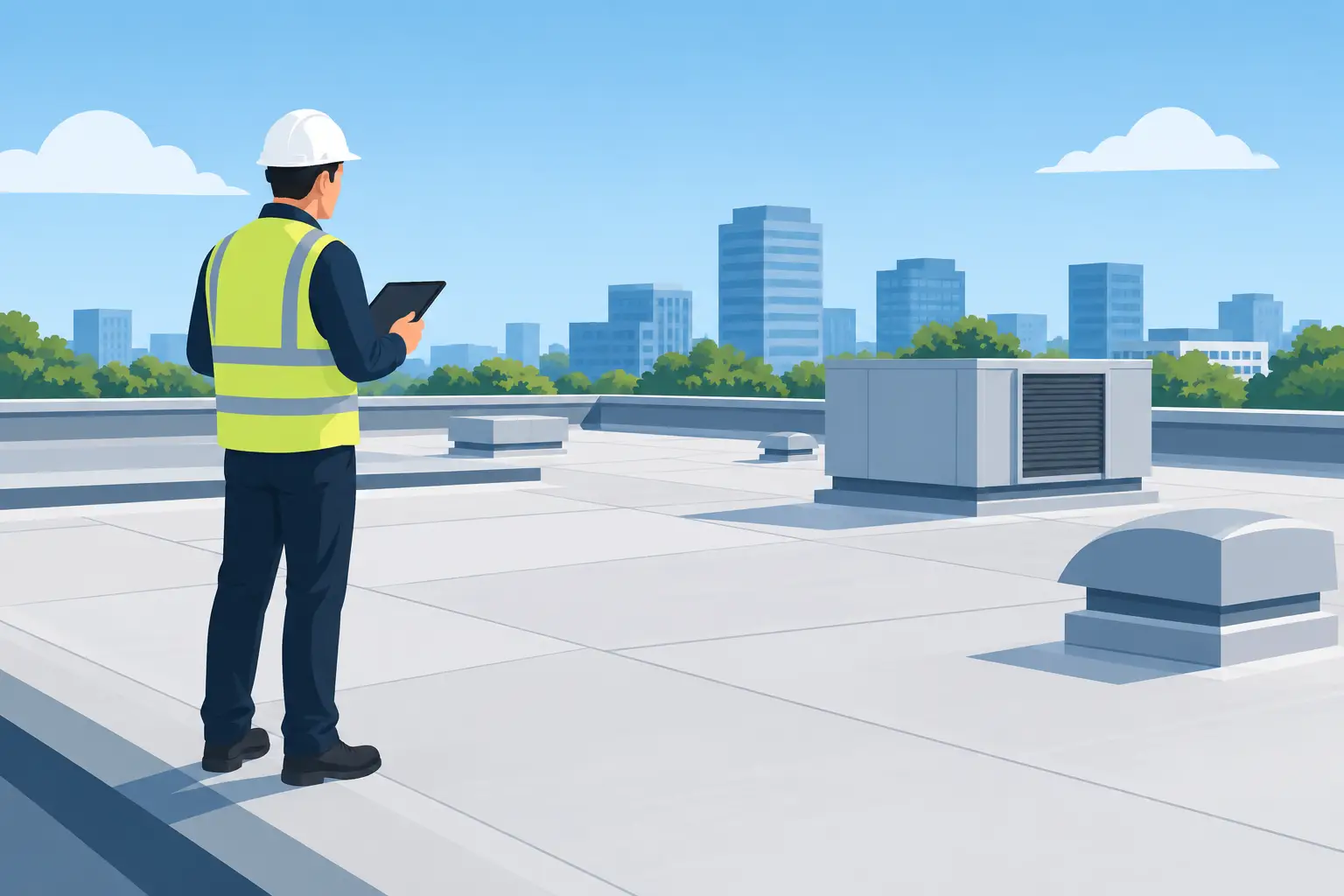
For commercial properties, communication has an even wider impact. Property managers may need advance notice for tenants, loading areas, parking restrictions, rooftop equipment access, or safety procedures. Reviews from commercial clients should indicate that the roofer can coordinate work without treating an occupied building like an empty job site.
Separate Genuine Reviews From Weak Signals
No review platform is perfect. Some satisfied customers do not post feedback, while frustrated customers may post immediately after a stressful event. The goal is not to find a contractor with zero criticism. The goal is to identify a credible, repeated record of professional work.
Be cautious when reviews are extremely vague, repetitive, or written in nearly identical language. A series of comments that only say “best roofer” or “amazing company” provides little information about the work performed. Likewise, a highly negative review without project details should be read in context, especially if the company has a long history of specific, balanced feedback.
A useful review typically identifies the service performed, such as a roof replacement, leak repair, maintenance visit, flat roof work, or storm-related repair. It may reference the property type, the crew’s conduct, the estimate, or the outcome after rain or seasonal weather. Specificity does not guarantee accuracy, but it gives you something concrete to evaluate.
Do not rely only on reviews from projects that look simple. A contractor may perform well on straightforward shingle replacements but lack experience with low-slope commercial roofs, complicated flashing, historic properties, or buildings with multiple rooftop penetrations. Seek reviews that resemble your project in size, roof type, and complexity.
Questions Reviews Cannot Answer Alone
Even excellent certified roofer customer reviews should lead to a conversation, not replace one. Before hiring, ask whether the contractor will inspect the roof in person, provide a written scope, confirm insurance coverage, and explain the workmanship and manufacturer warranty terms. Ask who will supervise the crew and whether installation is handled by an in-house team or subcontracted labor.
You should also discuss what happens if the roof deck has concealed damage. A professional estimate may include a unit price for replacement plywood or describe the approval process for necessary repairs discovered after tear-off. This is not a sign that the contractor is inflating the job. It is an honest recognition that the condition beneath an existing roof cannot always be confirmed from the surface.
For homes in Toronto and surrounding communities, winter weather, ice buildup, wind exposure, and rapid temperature changes make installation details especially important. The right roofer should be able to explain how the proposed system addresses these conditions without using technical language to avoid clear answers.
Toronto Roofers approaches this work through trained installers, direct oversight, safety compliance, detailed estimates, and manufacturer-backed roofing systems. Those standards should be visible not just in credentials, but in the experiences customers describe after the crew has left the site.
Use Reviews to Set the Right Expectations
The best roofing reviews do more than help you choose a contractor. They help you understand what a properly managed project should feel like. You should expect an accurate assessment, an understandable scope of work, respectful crews, safe job-site practices, and a clear path for questions or warranty support.
A roof is not proven on installation day alone. Its value is measured through the storms, snow, heat, and seasonal changes that follow. Read reviews for evidence that the contractor takes that long view, then choose the company prepared to stand behind the work when it matters most.